During his introductory press conference as head coach of the Italy national team on the evening of 29/7, Mancini spent much of his time discussing the controversial decision three years ago, when he left the national team to take on the role of managing Saudi Arabia for an annual salary of 27 million USD—the best package for a national team coach at the time.
'What happened three years ago stemmed from a lack of regular communication between myself and the President of the Italian Football Federation (FIGC), Gabriele Gravina. If we had sat down and spoken directly then, things might have been different,' Mancini said.
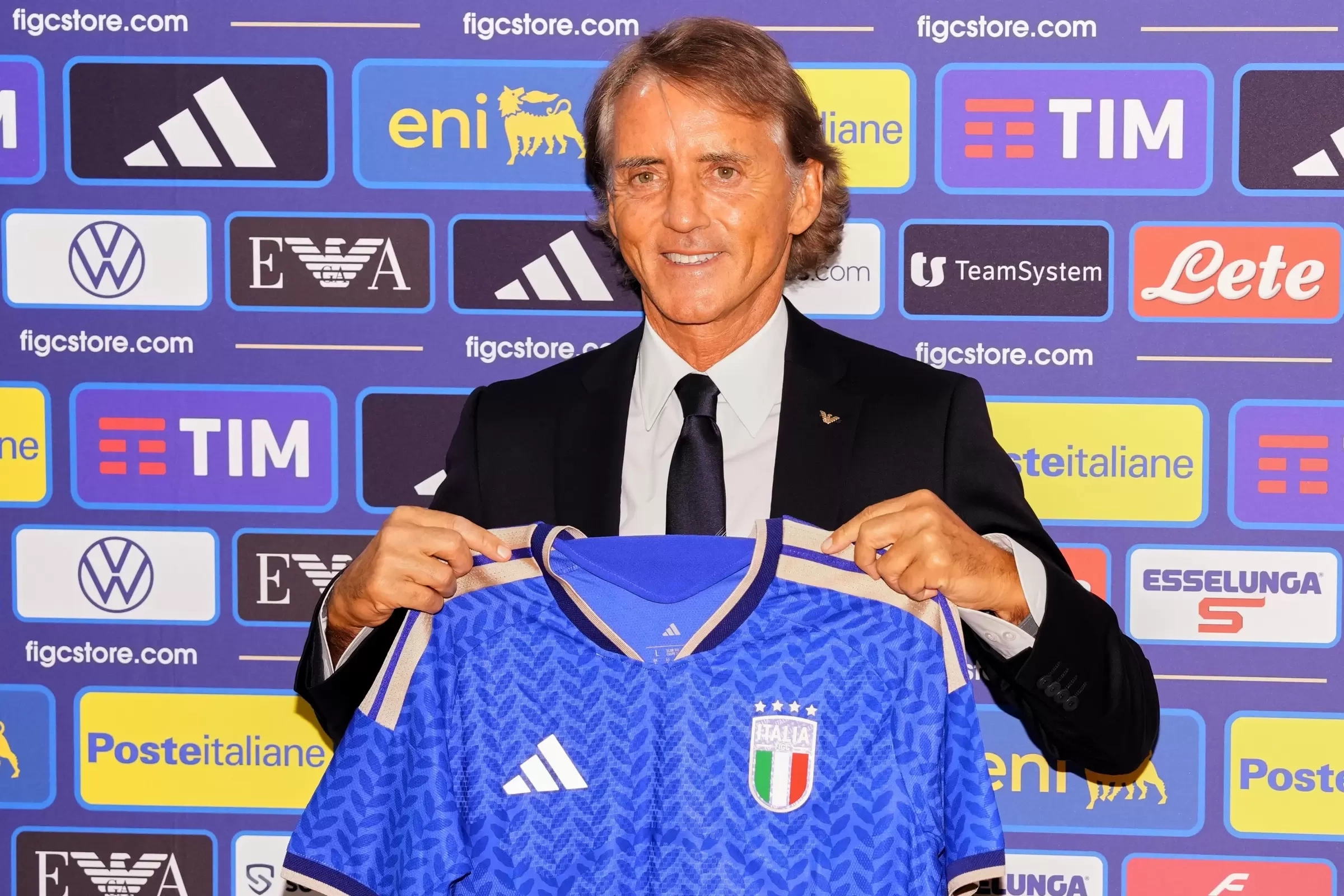 |
Mancini at his introductory press conference as head coach of the Italy national team in Rome, Italy on 29/7/2026. Photo: La Presse |
The 61-year-old coach added: 'Italy holds a very special meaning. It's like losing the love of your life, and that means you've made a mistake. I deeply regret what happened over the past three years. But fate, along with FIGC President Giovanni Malago, has given me a chance to correct my error. I will strive to bring the national team back to its rightful position.'
Over the past three weeks, Italian football has experienced significant changes in its search for a new head coach. Legend Paolo Maldini was appointed technical director, while Leonardo served as a special advisor to find a successor for the coaching position left by Gennaro Gattuso.
After being rejected by Carlo Ancelotti and Pep Guardiola, the FIGC was close to appointing Andrea Pirlo. However, the deal fell through because Pirlo is a global brand ambassador for a Russian betting company, an enterprise prohibited from operating in Italy.
Unwilling to expand the list of candidates, Maldini and Leonardo resigned. FIGC President Malago then decided to appoint Mancini as head coach, while also inviting Claudio Ranieri to take on the role of technical director.
Mancini's return has divided public opinion in Italy. Many believe the Azzurri are 'regressing' by reappointing a coach who previously abandoned his contract. Nevertheless, he remains the most recent coach to lead Italy to a major title with the Euro 2020 championship.
'I want to build a team that can replicate what we did in 2021. Italy currently has a good squad with many talented young players, and the goal is to play positive, attractive football,' Mancini stated. 'I understand many people will oppose this return. The only thing I can do is help the team play well, so that fans love the team again and, hopefully, forgive me.'
When asked if his new contract included clauses to prevent him from leaving the national team prematurely, Mancini affirmed his desire for a long-term commitment. He stated: 'The first time I worked here was for five years, and that was a very happy period. This time, we signed a four-year contract. I hope to win one or two more titles, and if possible, continue to stay after the contract ends.'
According to the 61-year-old coach, the immediate goal is to help Italy qualify for the Nations League and secure a spot in the Euro, before setting sights on the 2030 World Cup. 'When Italy participates in the World Cup, they are always a formidable opponent, even if not considered title contenders. The important thing now is to build a squad capable of bringing the national team back to major tournaments,' he emphasized.
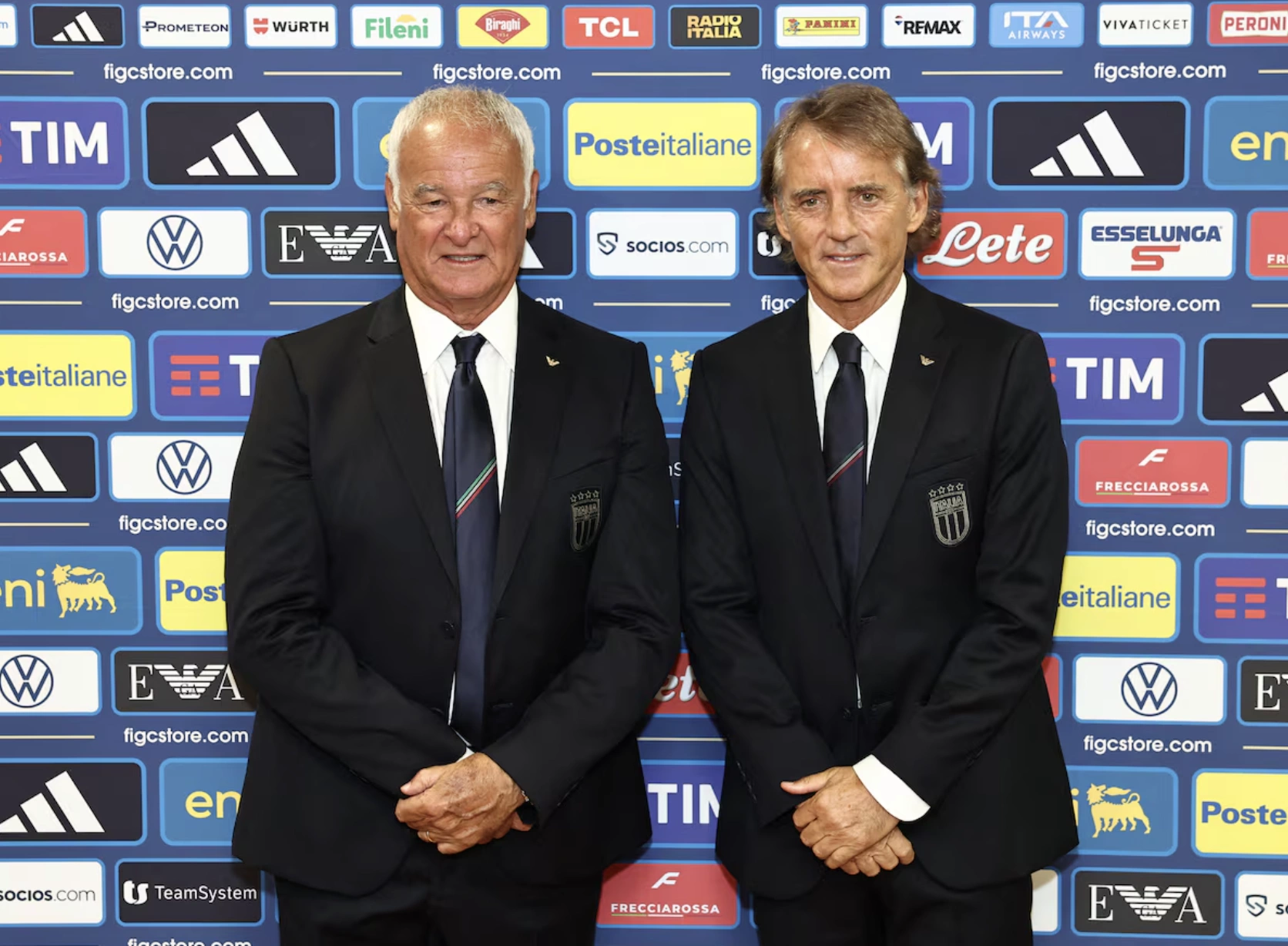 |
Coach Roberto Mancini and technical director Claudio Ranieri at the press conference on 29/6. Photo: Reuters |
Meanwhile, new technical director Claudio Ranieri stated that his biggest priority is not only to improve the national team's performance but also to restore the love of football among Italian youth by reforming the training system. The former Roma and Leicester coach believes Italian football faces numerous issues starting from youth development. According to him, the high cost of attending football academies makes it unaffordable for many families to let their children pursue their passion.
'I want people to love football again. The second thing is for children like my grandson, who is 12 years old this year, to be able to watch Italy play in the World Cup—something he has never experienced,' Ranieri said. 'When I was at Cagliari, I heard many people say that sending children to football academies costs too much money. That should not happen. With children having more and more other entertainment options, we must find ways to bring them back to football.'
According to Ranieri, Italy has not lacked success in youth tournaments, frequently reaching finals and winning titles. However, the gap from the U21 level to the national team remains a significant challenge. The 74-year-old coach believes academies need to dedicate more time to honing fundamental skills such as ball control, dribbling, movement, crossing, and finishing.
'We cannot simply say that we are not producing good players,' the new FIGC technical director said. 'The problem is the limited talent pool. We win youth tournaments due to good tactical organization, but in many other countries, they focus more on individual technical development than collective tactics. We must teach children how to control the ball. Many coaches say they don't have time because they have to win matches. That is a mistaken mindset. No one expects a child just learning tennis to immediately compete.'
When asked how his wife reacted to his repeated returns to football despite numerous retirement announcements, Ranieri quipped: 'At least this time she won't have to move house with me, so she'll probably be happy.'
Hong Duy (according to Football Italy)