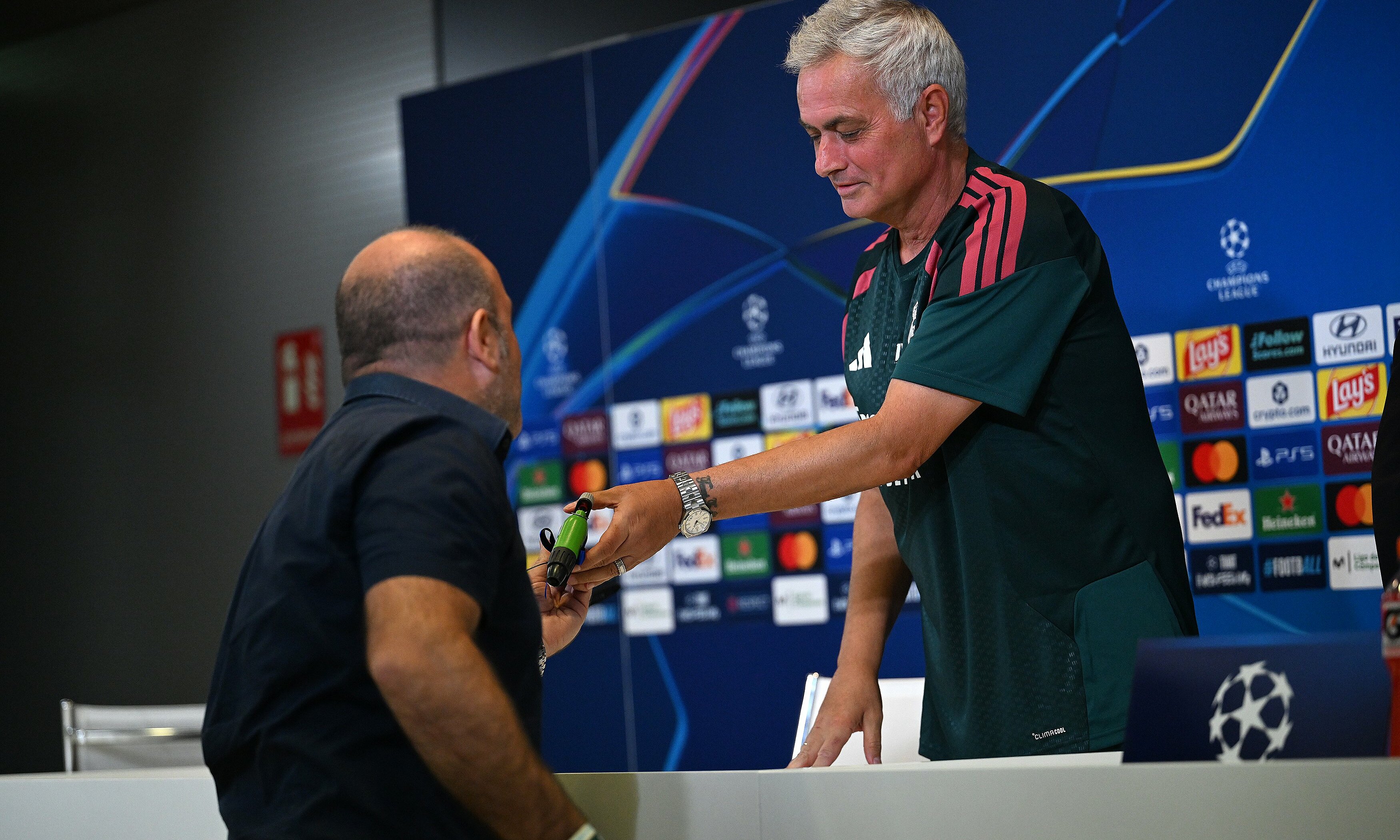
Some gestures happen in an instant but impact brands worth millions of USD. Kylian Mbappe recently created such a moment at Real Madrid's Valdebebas training center. Attending a press conference on 7/9 before the Champions League 2026-2027 qualifying round opener against Inter, the French forward deliberately moved a Gatorade sports drink bottle out of the camera frame.
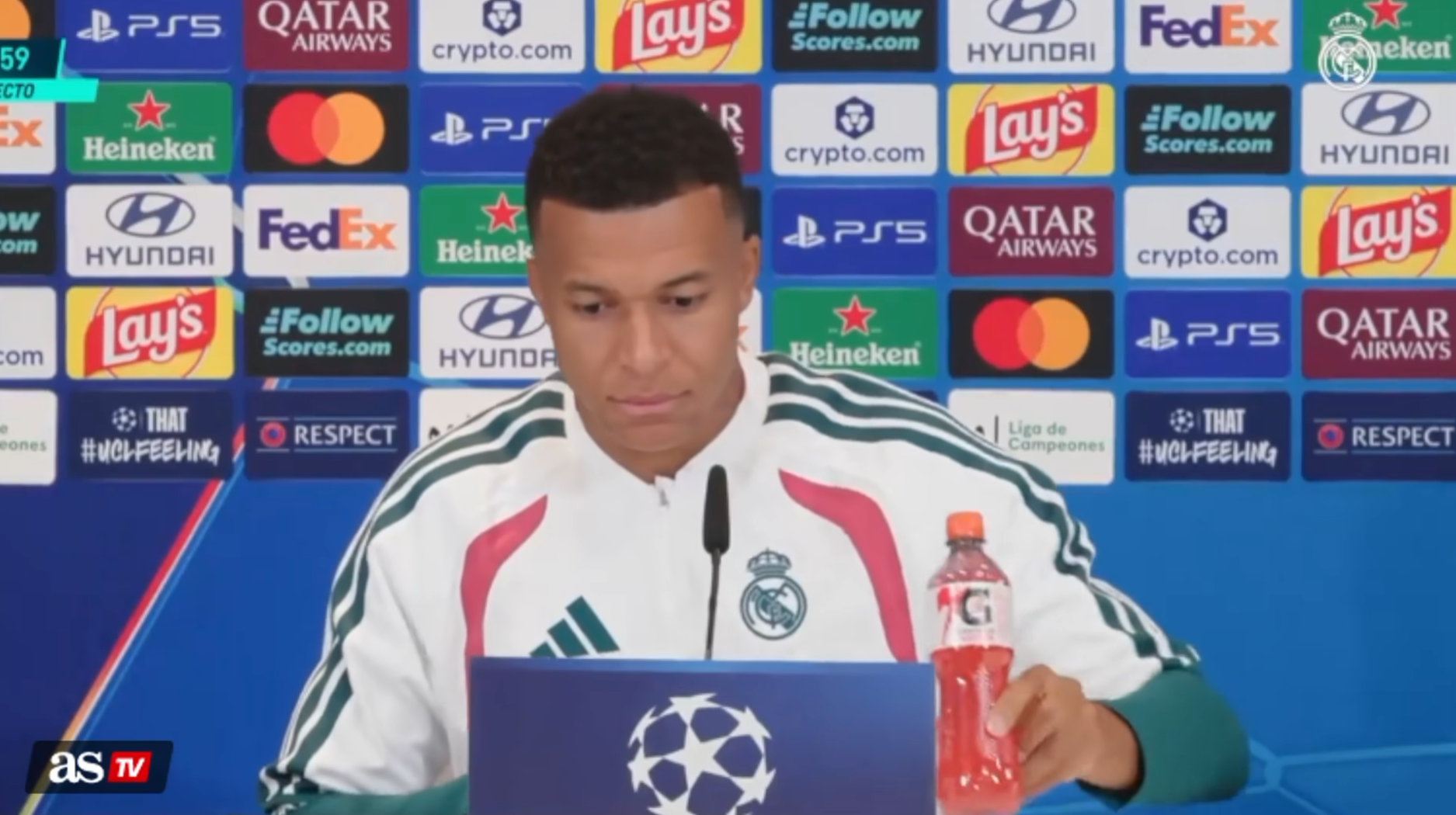 |
This was not a spontaneous or impulsive act by an athlete maintaining a healthy lifestyle; it was a commercial statement. For a long time, the captain of the French national team has rigorously protected his personal image rights, steadfastly refusing to promote ultra-processed foods or high-sugar drinks.
Mbappe's action reignited a historic battle that originated on NBA basketball courts. It represents a cold war in elite sports, where the commercial obligations of leagues directly clash with the personal empires of athletes.
Going back twelve years to the 2014 NBA Finals, in the scorching San Antonio heat where the air conditioning failed and temperatures exceeded 32 degrees Celsius, LeBron James collapsed from severe cramps in Game 1 while playing for the Miami Heat.
Gatorade, an official NBA sponsor, immediately capitalized on the situation with a sarcastic post on X (then Twitter): "The person cramping wasn't our client. Our athletes can take the heat."
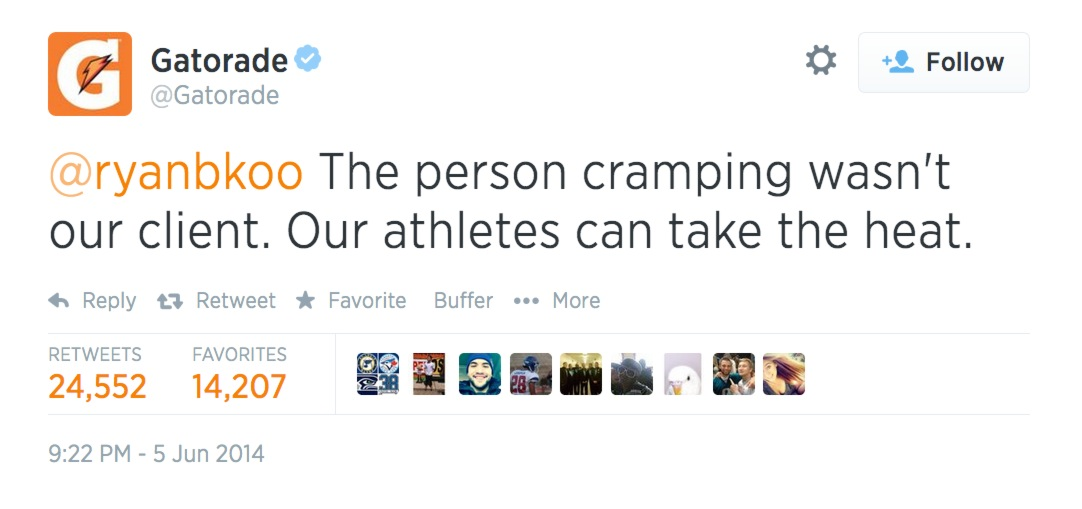 |
The problem was that LeBron represented Powerade, a Coca-Cola brand. Although Gatorade later deleted the post and apologized, the damage was done. Since then, LeBron established a routine in every post-game NBA press conference: he meticulously peeled off the Gatorade labels from bottles that were required to be placed on the table before speaking to the media.
That action revealed a new reality: the NBA had its sponsors, but players aligned with their own brands. These two sides did not always see eye to eye. The boycott quickly spread throughout the NBA, where Gatorade invested millions of USD, even renaming the developmental league for young talents the NBA G League.
Over time, this conflict became a familiar feature of NBA press conferences. Klay Thompson, a representative for BodyArmor (also a Coca-Cola brand), once directly swept Gatorade bottles off the podium and onto the floor. Kawhi Leonard reacted similarly, emphasizing athlete health. "Kids shouldn't be drinking this stuff," he stated candidly on live television. Stephen Curry, sponsored by Oxigen water, often pushed Gatorade bottles away or showed displeasure if camera angles positioned him next to the brand's lightning bolt logo.
This battle against sponsors quickly extended beyond basketball into the biggest arenas of global football, leaving behind moments that permanently altered the commercial policies of federations.
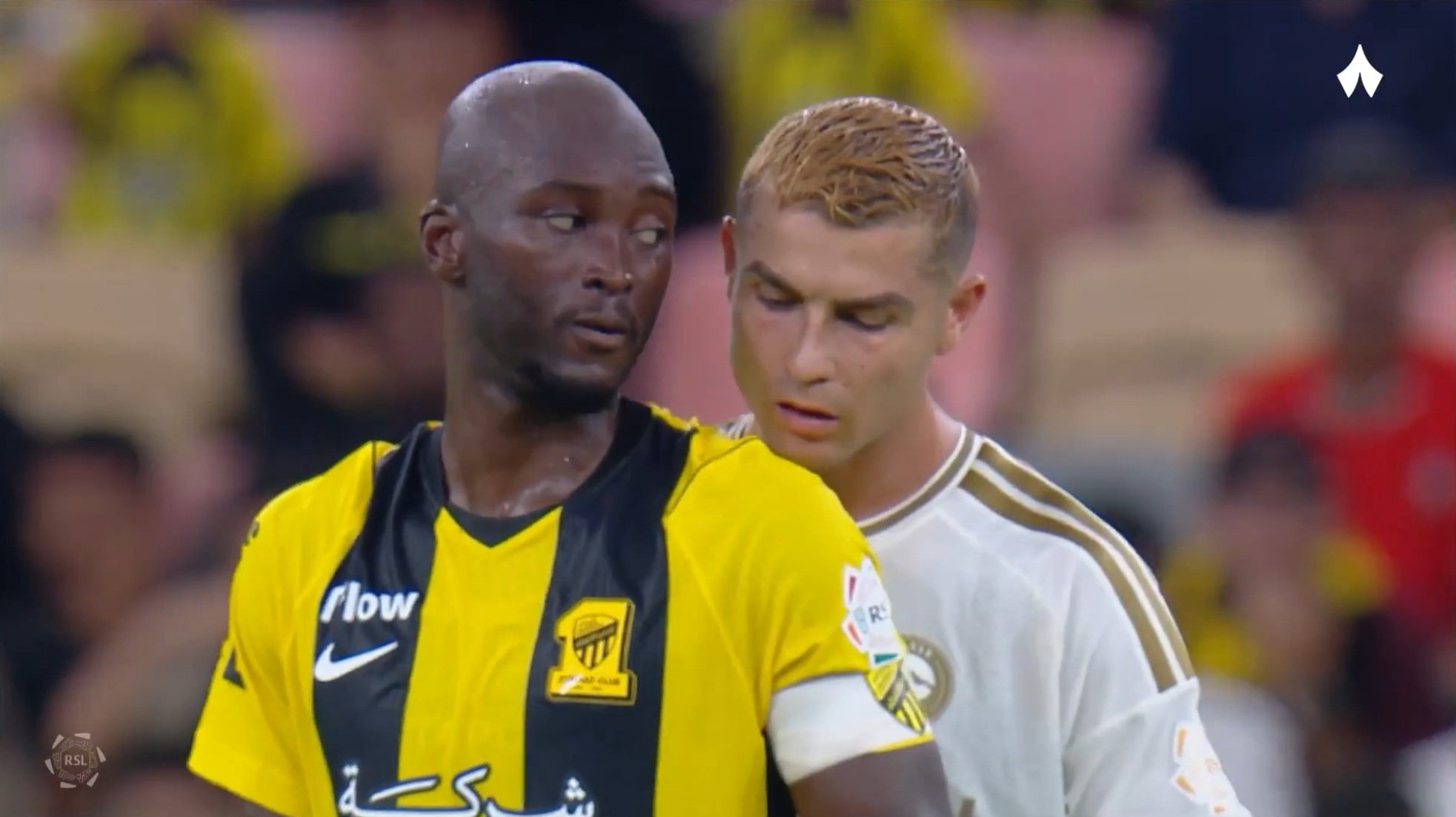
Cristiano Ronaldo's action, which caused Coca-Cola to lose billions of USD at Euro 2020, became a classic milestone in sports marketing history. In a pre-match press conference for Portugal in June 2021, he sat down, looked at two Coca-Cola bottles (an official tournament sponsor) with disdain, before moving them out of frame. Ronaldo then held up a water bottle and declared: "Drink water! No Coca-Cola!".
That footage went viral within minutes. As the stock market fluctuated during that day's trading, Coca-Cola's shares dropped by 1.6%, causing the giant's market capitalization to instantly lose 4 billion USD in a short period.
Just days after Ronaldo's action, Paul Pogba continued the trend by moving a Heineken bottle off the press conference table. As a devout Muslim, the French midfielder did not want his image associated with promoting alcoholic beverages (even though it was a 0.0% alcohol content version).
This commercial issue forced UEFA to issue an urgent warning to national teams, reminding them that revenue from sponsors is vital for operating tournaments. UEFA also threatened to fine federations if their players continued to negatively impact partner brands on television.
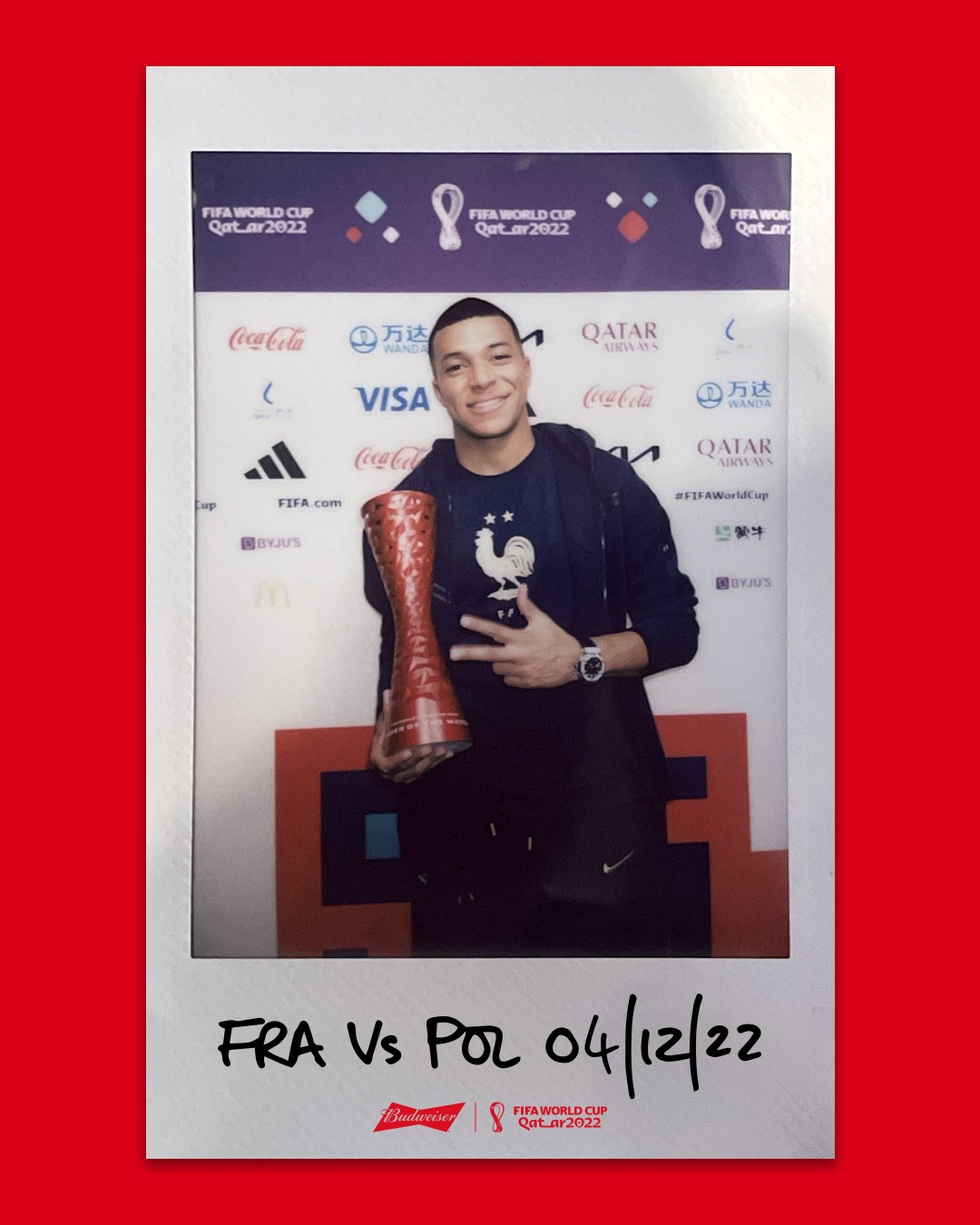
What happened on 7/9 at Valdebebas did not surprise those who followed Mbappe's journey. At the World Cup 2022 in Qatar, he repeatedly boycotted Budweiser, the sponsor for the player of the match award. Mbappe consistently hid the beer brand's logo when photographed receiving the award, adhering to his strict personal image policy: no association with alcohol, betting, or fast food.
 |
Ahead of the new Champions League season, the Gatorade bottle became the latest victim of a star who not only dominates the game on the field but also controls the television camera angle. Brands spend fortunes to appear on that press conference table, but reality shows that global superstars hold the ultimate power.
A bottle placed in front of a player is not merely a decoration; it is a miniature billboard that can appear in millions of photos, videos, and social media platforms. Brands pay for that space, but global superstars have realized their appearance is also a valuable asset. Mbappe belongs to a generation that not only plays football but also operates a brand, protects their personal image, and decides the limits for sponsorship deals.
The French forward did not need to raise his voice or turn the press conference into a protest. He simply moved the bottle. The product disappeared from the frame, and the Real Madrid star once again reminded everyone that the modern football industry also involves camera angles, contracts, and brands.
Hoang Thong (according to Marca)