When engaging in running or intense physical activity, the body sweats profusely to lower its temperature, creating a cooling sensation. The sweat lost is not just water; it also contains essential electrolytes and minerals such as sodium, potassium, calcium, and magnesium. These minerals are vital for the body's recovery of strength and flexibility. A deficiency can lead to an imbalanced state, fatigue, disrupted thermoregulation, and a decline in physical and mental performance.
 |
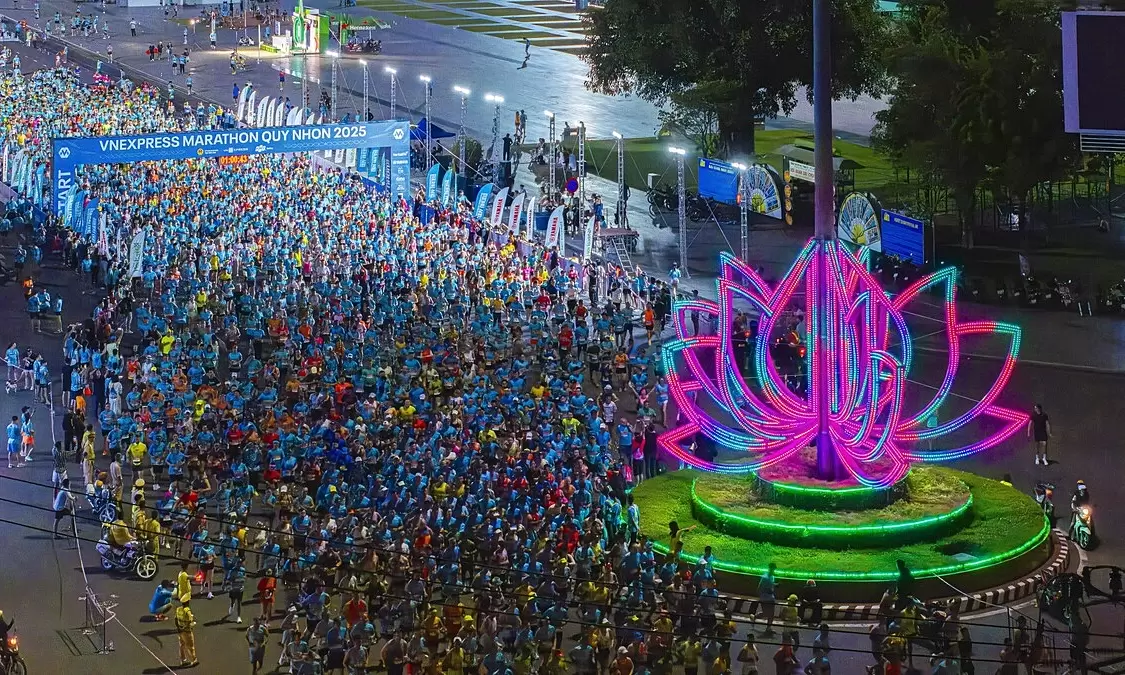
An athlete runs the 21km distance at the VnExpress Vung Tau International Half Marathon Herbalife Cup 2026. Photo: VM
According to the National Sports Training Center portal, if athletes lose water and electrolytes without adequate and timely replenishment, they may experience consequences such as muscle cramps—a sudden, painful contraction and stiffening of a muscle or muscle group for a short period. This can also lead to a severe decline in athletic performance, nocturnal muscle spasms, and potentially insomnia.
The amount of water and electrolytes lost depends on several factors: the volume and intensity of the activity; environmental temperature, humidity, and wind; and the athlete's current physical condition. TrainingPeak, a platform for endurance athletes, states that studies on endurance athletes (marathon runners, triathletes, road cyclists) show sodium electrolyte loss ranging from 200 mg/liter to 2,300 mg/liter, with an average of 950 mg/liter.
Electrolyte replenishment is essential for athletes to ensure physical endurance and achieve optimal competitive results. "Salt sweaters," in particular, need to pay special attention to supplementing electrolyte water during and after training or competition. Signs of being a salt sweater include: salt (white) stains on clothing after exercise; sweat that tastes very salty or causes a stinging sensation in the eyes; feeling sluggish or dizzy when standing up suddenly after physical activity; experiencing muscle pain or cramps during or after sweating; extreme discomfort when training in hot environments; and craving salty foods during and after training.
 |
A runner tries Herbalife mineral replenishment water before the VnExpress Vung Tau International Half Marathon Herbalife Cup 2026. Photo: HBL
According to Therunhub, an Irish running community website, athletes can use electrolytes before, during, and after training. Electrolytes are particularly crucial in warm weather when the body tends to sweat more. The recommended schedule for water and electrolyte replenishment is about 30 minutes before a run or training session. During the run, athletes should carry electrolytes to easily supplement. After finishing the run, continue to replenish lost water and electrolytes to support the body's recovery process. "Ensuring the body receives essential minerals immediately after exercise can help accelerate recovery, reduce muscle soreness, and better prepare for the next run," experts advise.
For many runners, maintaining electrolyte levels solely through diet is often challenging, especially when training for an upcoming race or running multiple times a week. To address this, electrolyte supplements designed for runners can simplify mineral replenishment for the body.
Among the many electrolyte replenishment products available on the market, some are formulated to provide electrolytes, B vitamins, and vitamin C, supporting fluid and salt replenishment for athletes and those engaging in physical exercise and sports.
Tung Anh