 |
 |
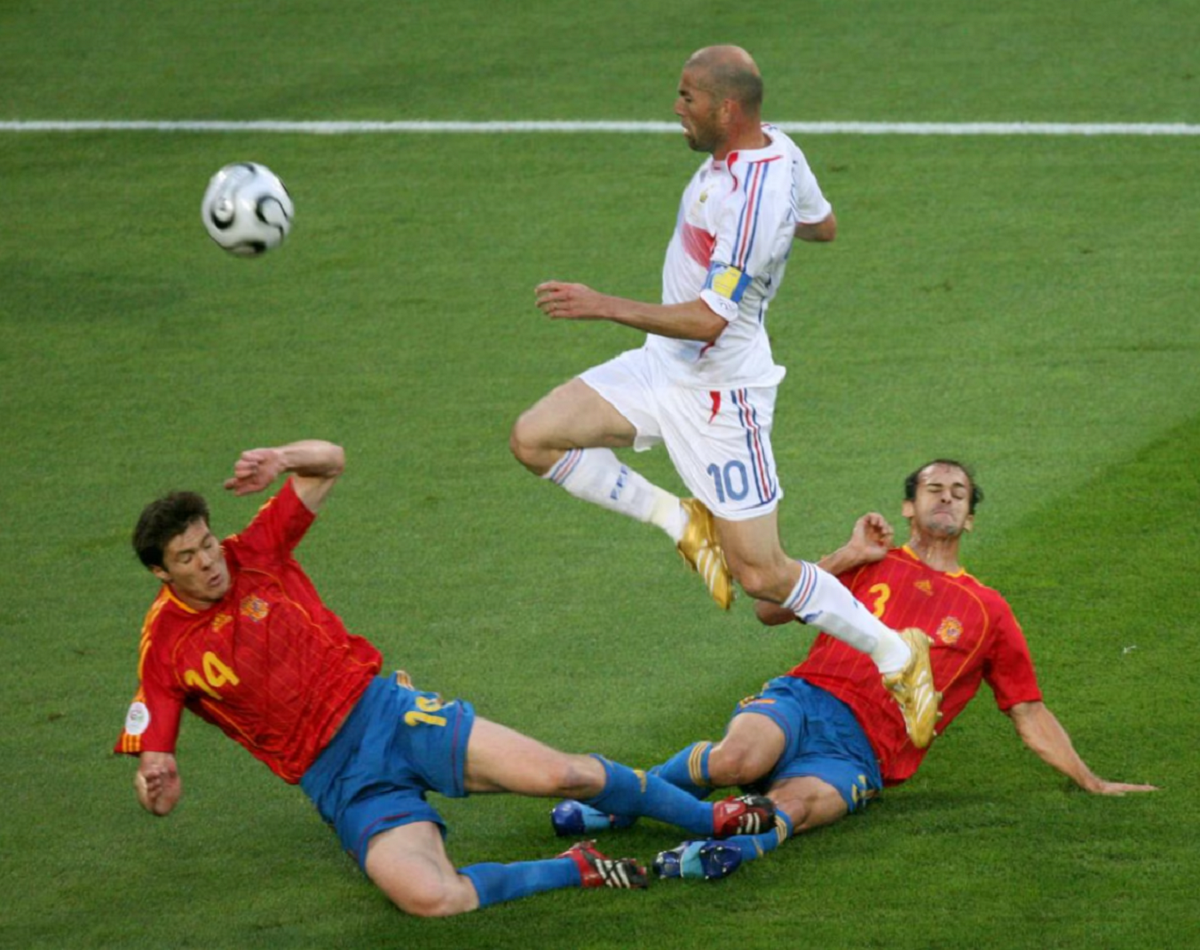
Zinedine Zidane and Luca Zidane
During his playing career, Zinedine Zidane was one of history's best midfielders. He won the 1998 Ballon d'Or, led the French national team to victory in the 1998 World Cup, Euro 2000, and reached the 2006 World Cup final. The French football legend also found success as a coach, guiding Real to three consecutive Champions League titles and two La Liga crowns.
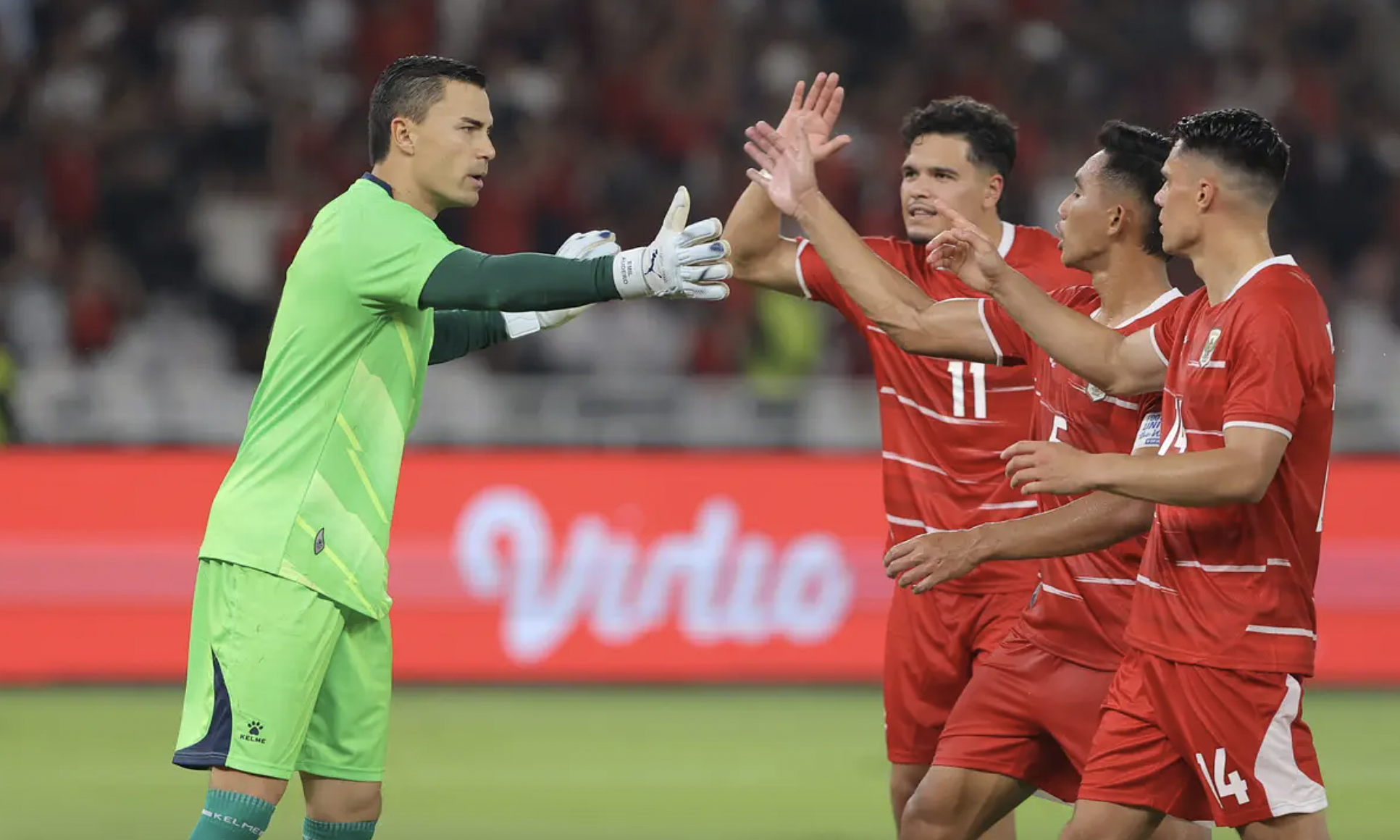
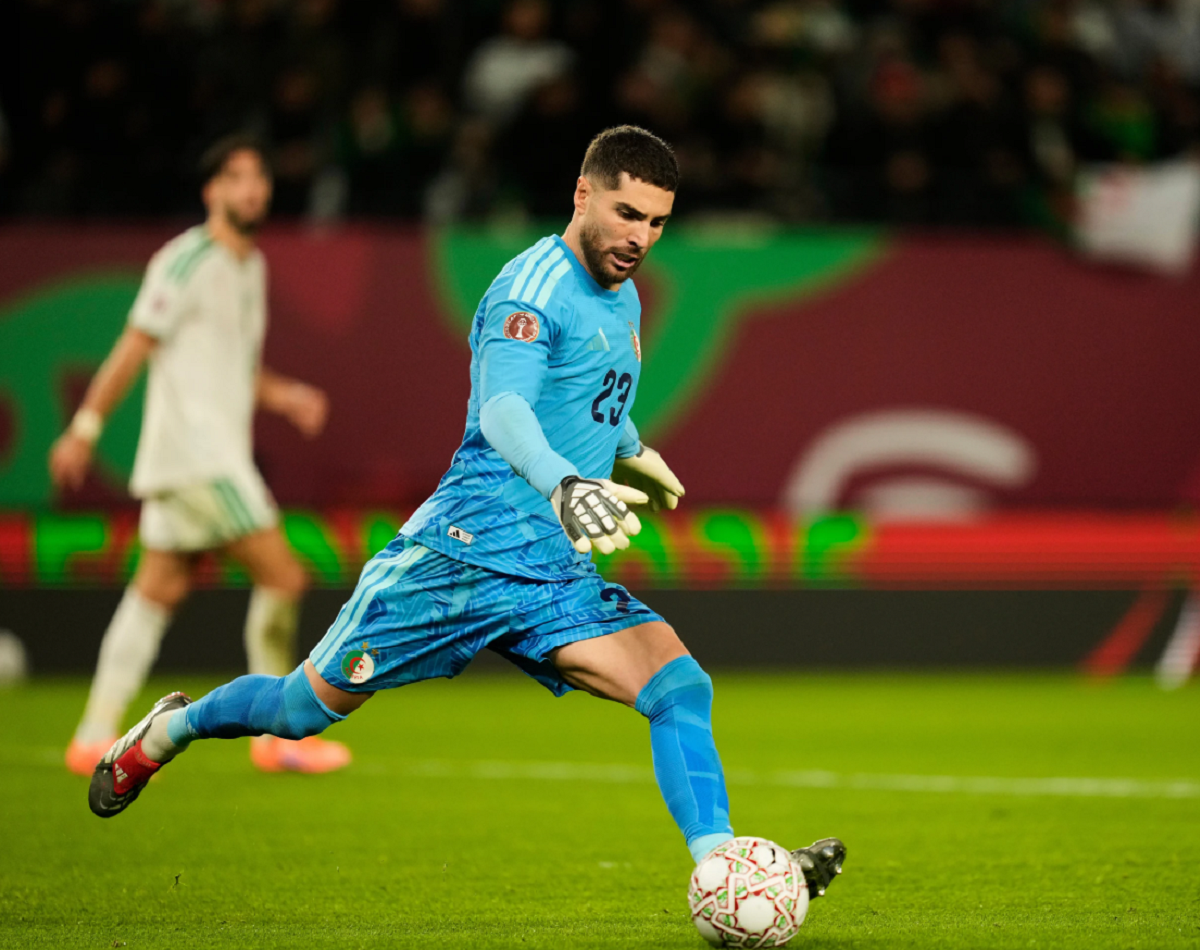
Luca was born in 1998, shortly before his father and the French team won the World Cup on home soil. While Zidane became a global football icon as a midfielder, his son chose the position of goalkeeper.
Born in France in 1998, Luca played for the country's youth teams, participating in the U17 squad that won the 2015 U17 European Championship and competed in the FIFA U17 World Cup the same year. He also made mot appearance for the French U20 team in 3/2018.
On 19/9/2025, FIFA approved Luca's change of national eligibility from France to Algeria. The 28-year-old player debuted for the Algerian national team in 10/2025, was called up for the 2026 World Cup, and is almost certainly the number one goalkeeper.
 |
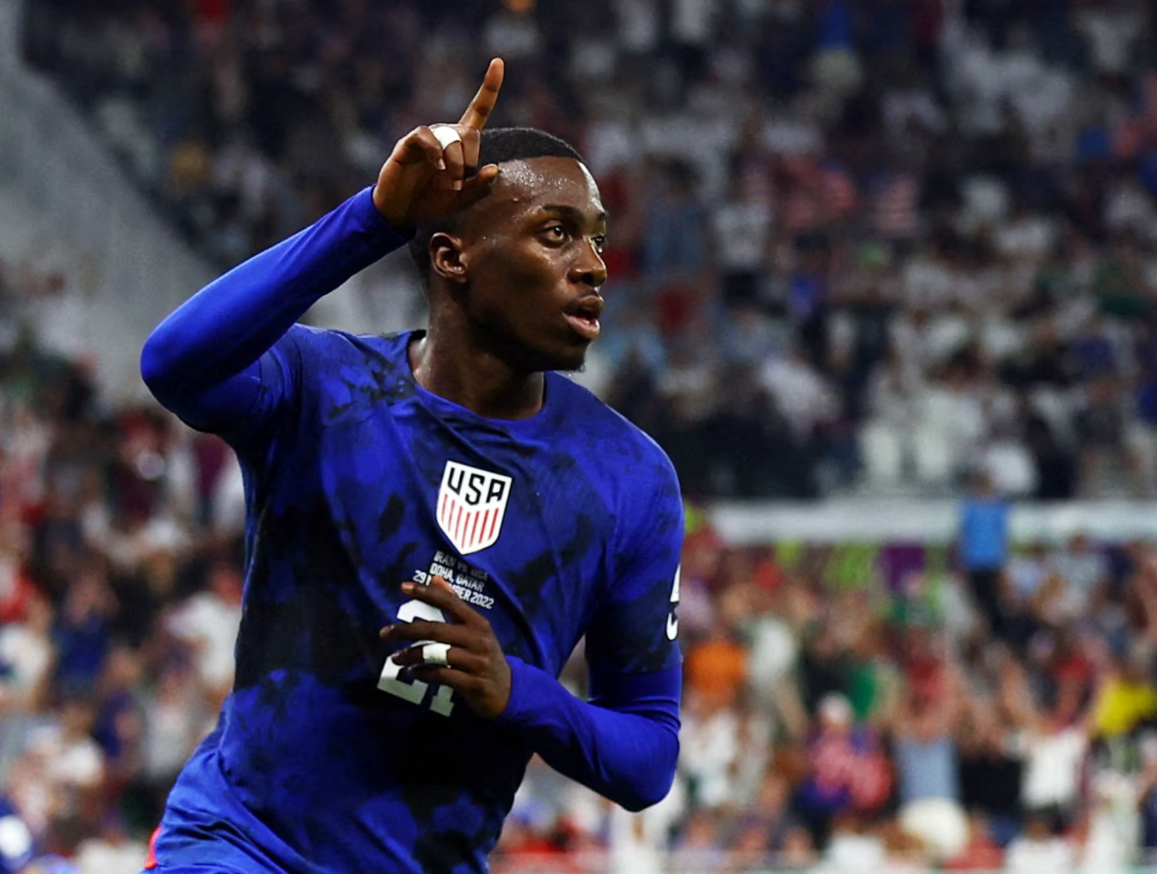 |
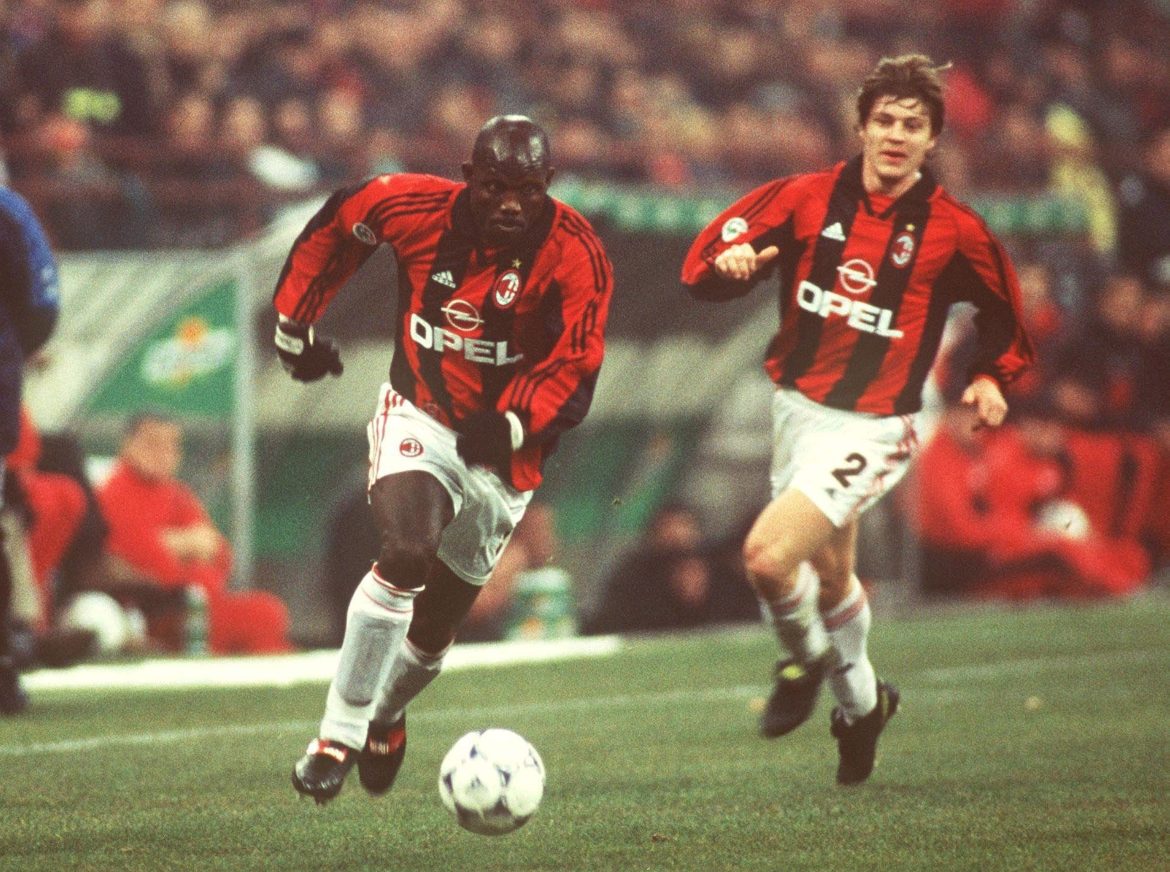
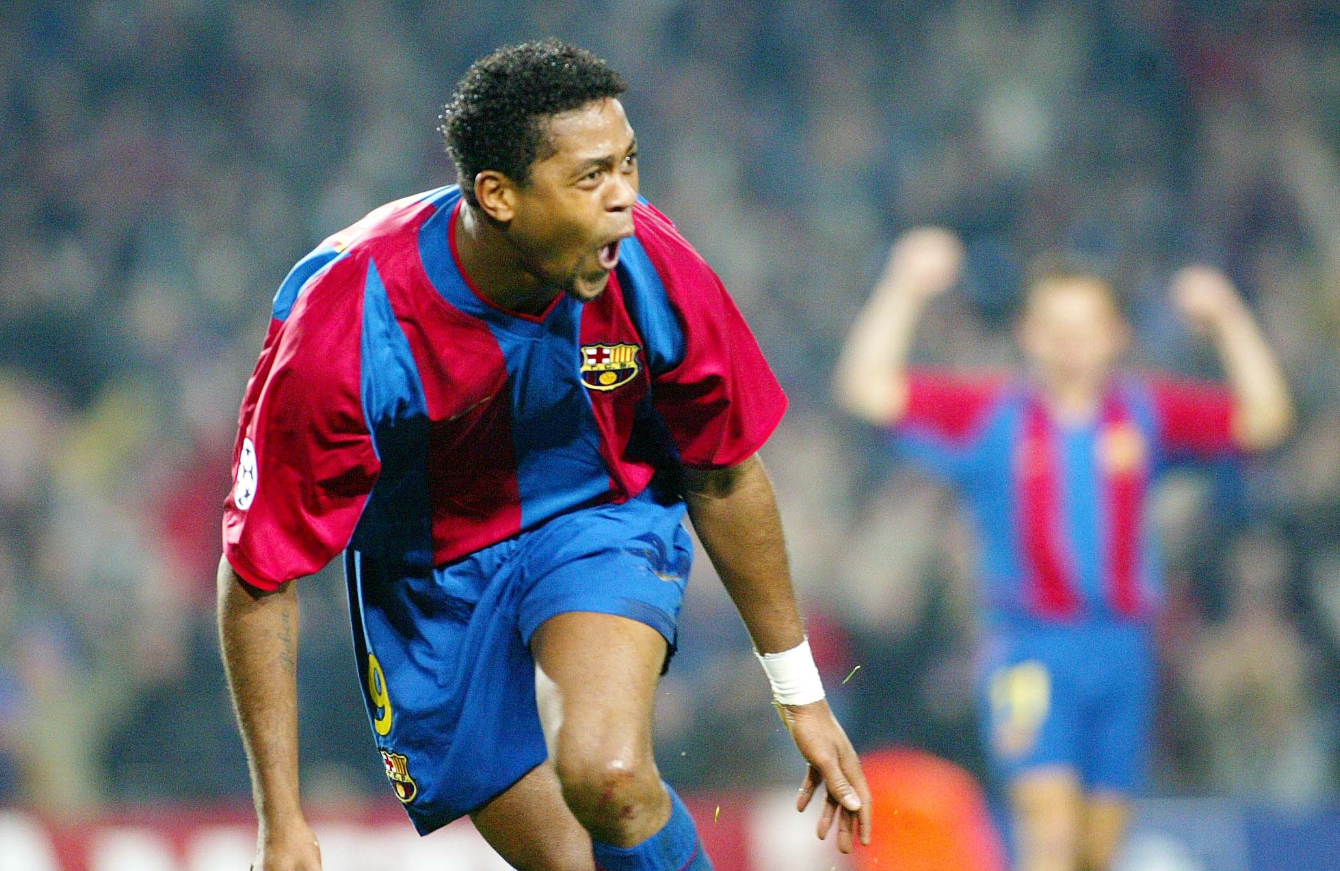
George Weah and Timothy Weah
George Weah, the 1995 Ballon d'Or winner and a Liberian football icon, was renowned for his speed, skill, and powerful finishing. Despite spending many years with European clubs such as AC Milan and PSG, Weah never participated in a World Cup. Nevertheless, he remains a source of African pride and a role model for many young players.
His son, Timothy Weah, was born in the United States and grew up immersed in American and European football environments. He developed his talent at PSG and Lille before becoming a key player for the US national team. Unlike his father, Timothy has realized the World Cup dream, participating in the tournament for hai consecutive times, in 2022 and 2026.
Timothy's story, therefore, carries special significance: continuing the legacy of a Ballon d'Or winner while stepping onto the world's biggest stage—a place his legendary father never had the opportunity to reach.
 |
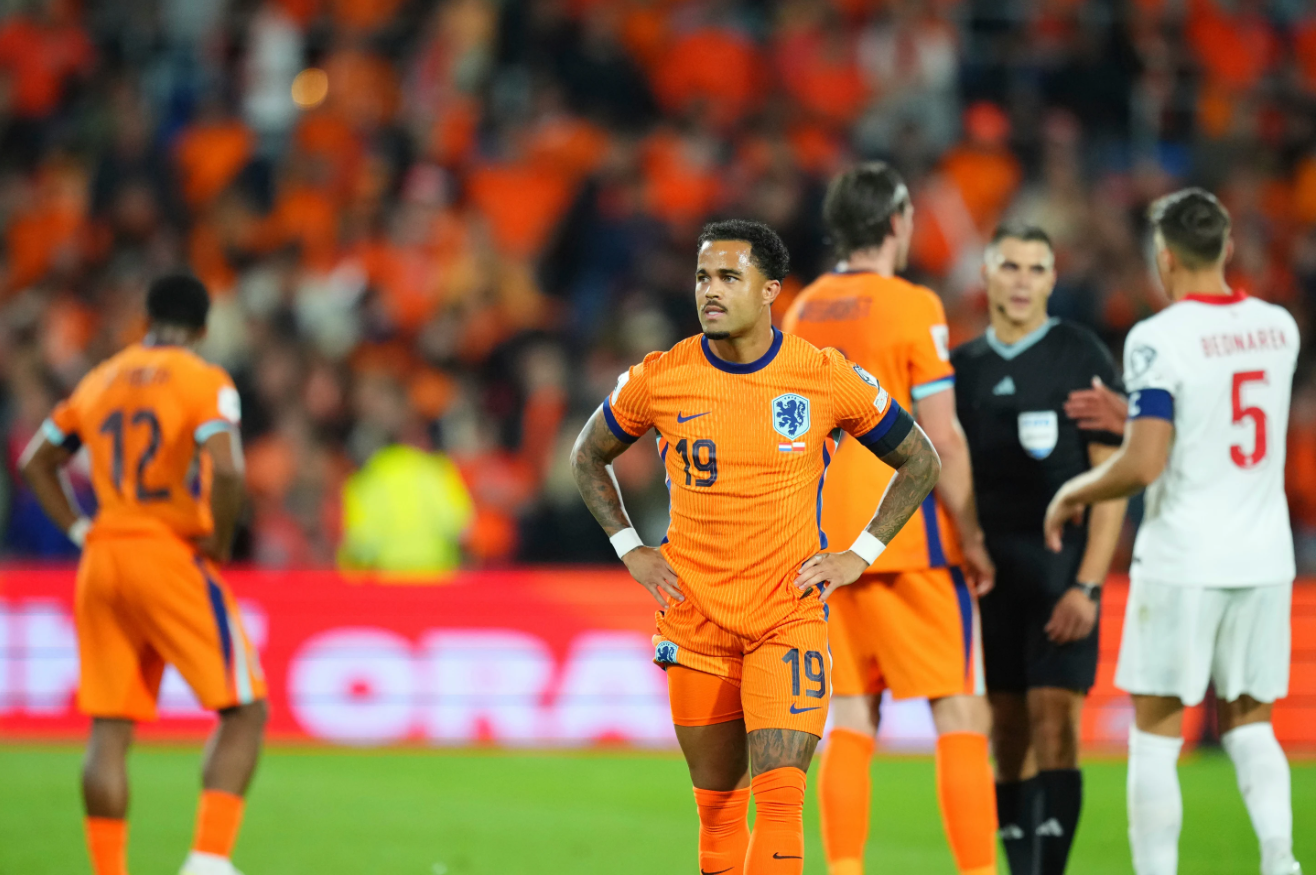 |
Patrick Kluivert and Justin Kluivert
Patrick Kluivert was a top striker of his generation. He rose through the ranks at Ajax, where he was part of the golden generation of the 1990s, scoring the decisive goal in the 1995 UEFA Champions League final against AC Milan at just 18 years old. Kluivert later played for AC Milan before moving to Barca, where he made a significant impact with 124 goals in 249 appearances. He formed an effective attacking partnership with Rivaldo, helping Barca win La Liga in 1999.
At the national team level, Patrick scored 40 goals in 79 matches between 1994 and 2004, participating in three European Championships and the 1998 World Cup. In 2004, he was included in the FIFA 100—a list of 125 greatest living players chosen by "King of Football" Pele.
In contrast to his father's illustrious career, Justin Kluivert has played for numerous clubs such as Ajax, Roma, RB Leipzig, Nice, Valencia, and currently Bournemouth, but has yet to make a lasting impact. World Cup 2026 is therefore an opportunity for the 27-year-old forward to transform his family's legacy into his own mark, rather than merely living in the shadow of his legendary father.
 |
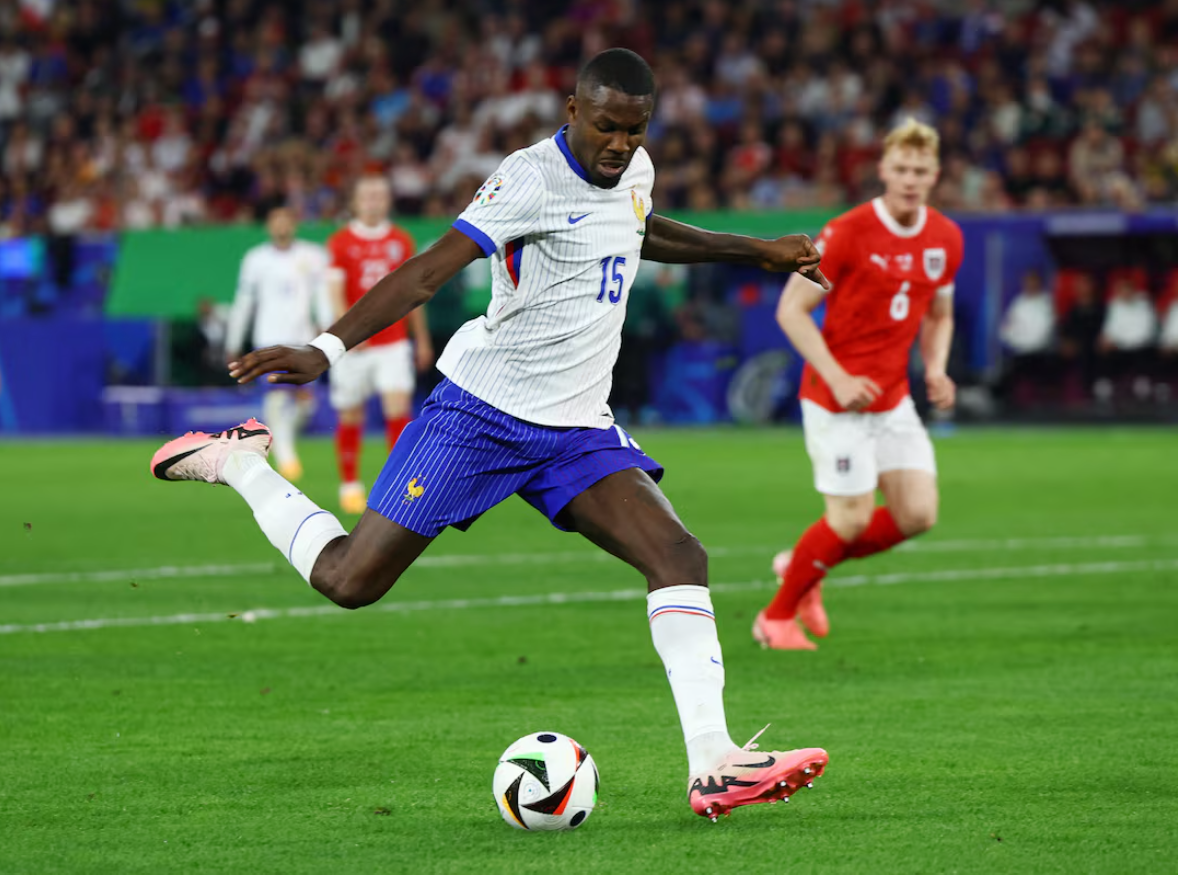 |
Lilian Thuram and Marcus Thuram
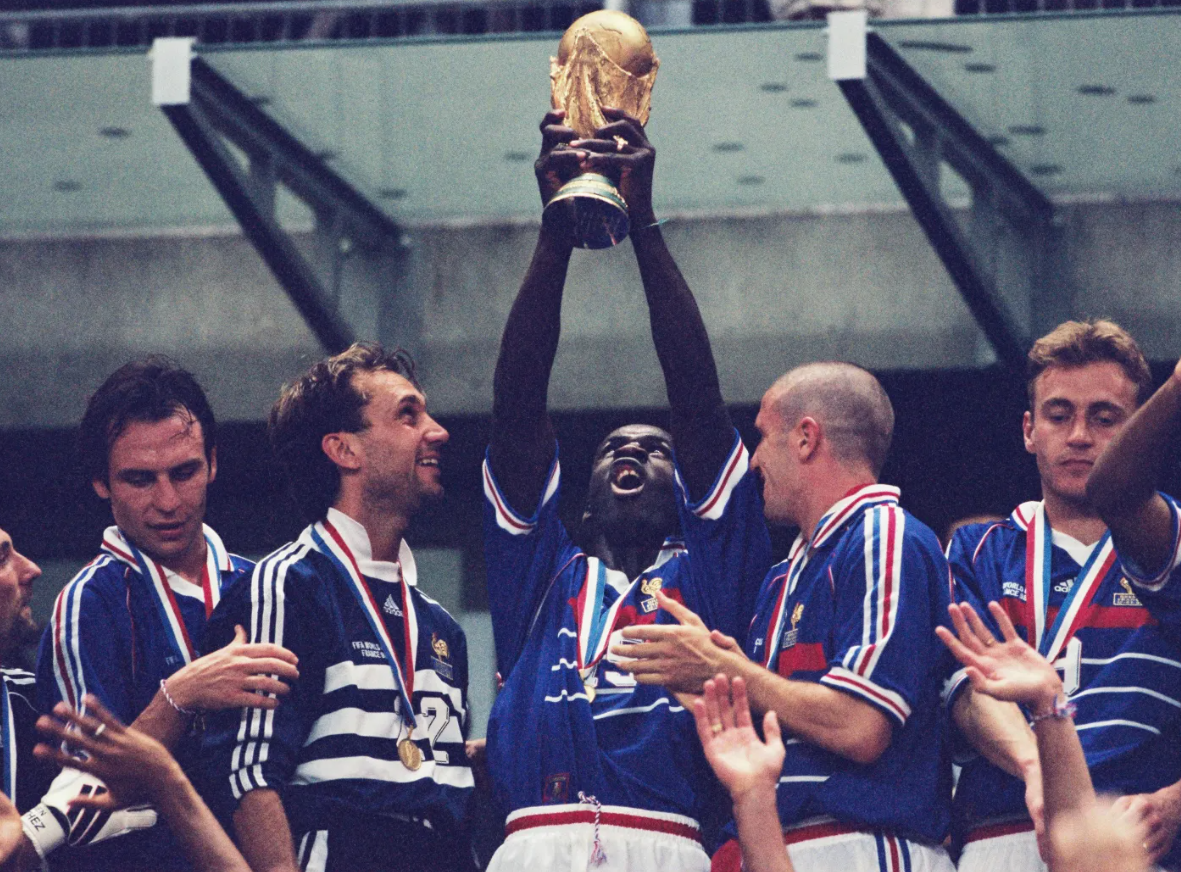
Lilian Thuram was once a world-class defender. Starting his career at AS Monaco, he later played for Parma and reached the peak of his career at Juventus. Towards the end of his career, he played for Barca, concluding the journey of one of Europe's top center-backs.
Internationally, he was a member of the French team that won the 1998 World Cup, Euro 2000, the 2003 FIFA Confederations Cup, and was a runner-up in the 2006 World Cup. Lilian was the most-capped player for the French national team in history with 142 appearances from 1994 to 2008, a record surpassed by Hugo Lloris in 2022.
Meanwhile, Marcus Thuram chose a different role on the field. Currently playing for Inter Milan, he has developed his career in an attacking position, a complete contrast to his father, who was a defensive stronghold. At World Cup 2026, the 28-year-old player will serve as a supporting player for captain Kylian Mbappe.
 |
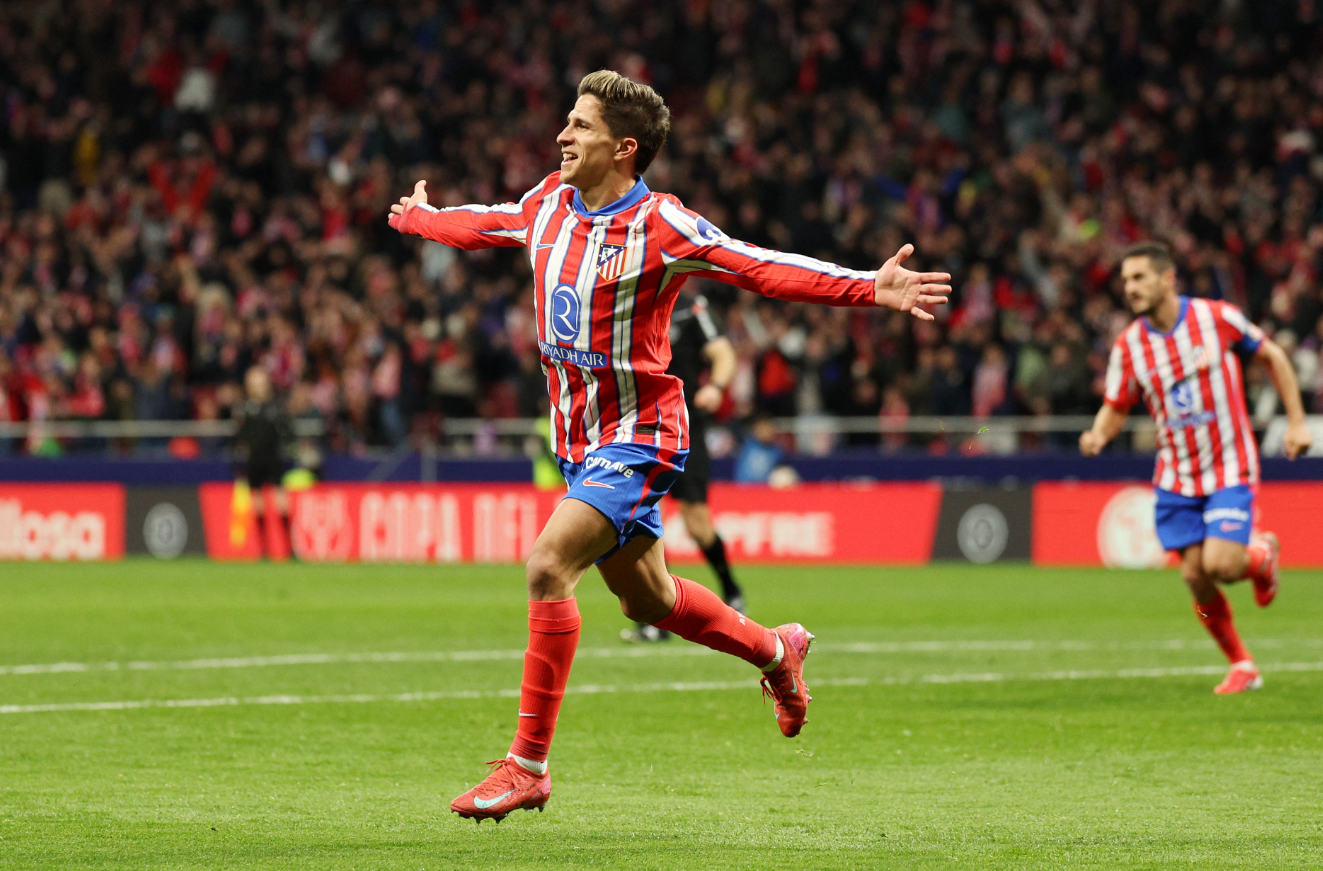 |
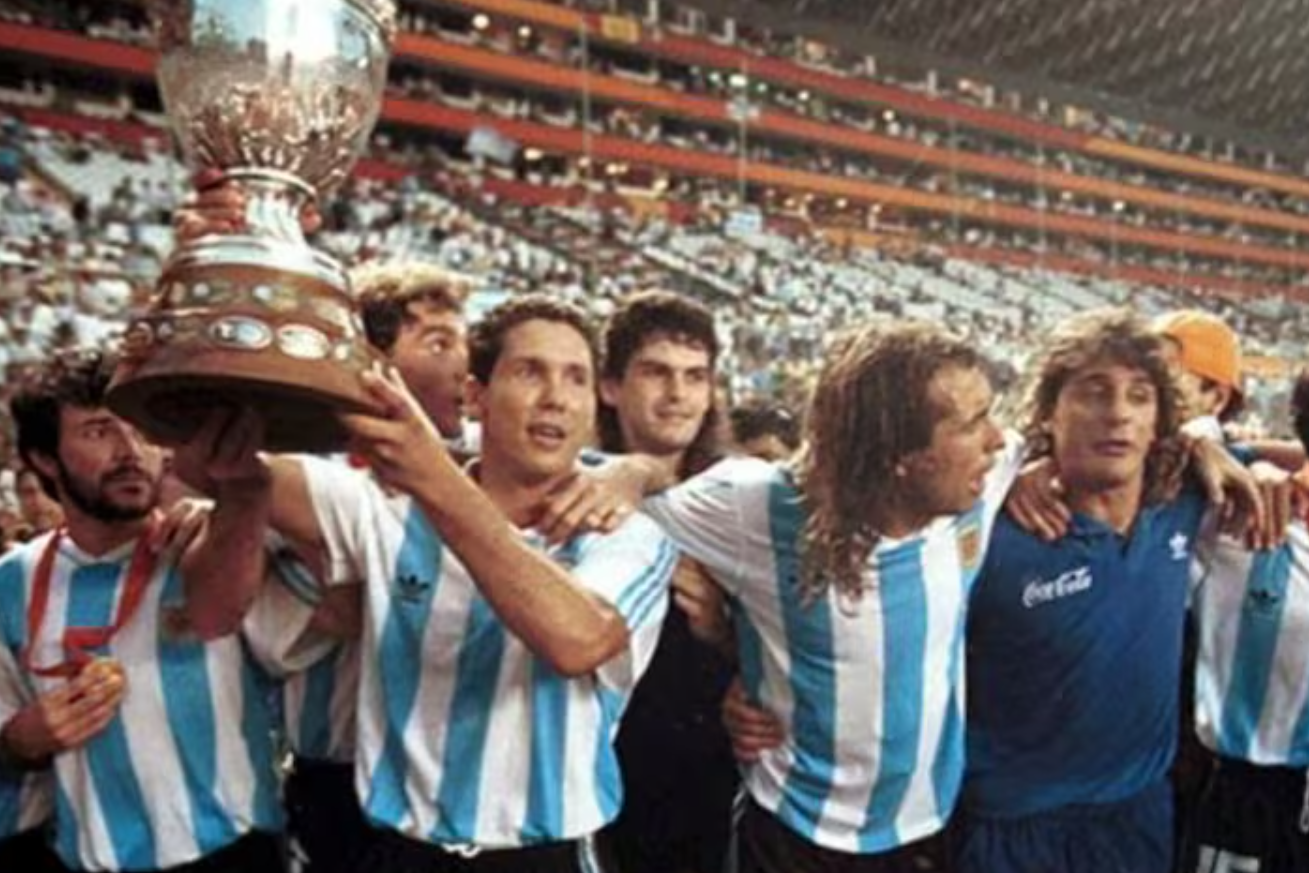
Diego Simeone and Giuliano Simeone
Diego Simeone played professionally from 1987 to 2006, representing many clubs including Velez Sarsfield, Pisa, Sevilla, Atletico Madrid, Inter Milan, Lazio, and Racing Club. At the international level, Simeone earned 106 caps for Argentina, participating in three World Cups—1994, 1998, and 2002—along with four Copa Americas, winning in 1991 and 1993. He also won the 1992 FIFA Confederations Cup, the 1993 Artemio Franchi Cup, and an Olympic silver medal in 1996.
With a football style rich in discipline, intensity, and a strong fighting spirit, Diego shaped a philosophy that forever linked the Simeone name with toughness and resilience—a characteristic extended to his current coaching career.
Giuliano Simeone, 23 years old, is currently playing under his father at Atletico Madrid. As a winger, he exhibits an energetic, aggressive, and physical style—qualities often associated with his famous father.
After consistent effort, Giuliano has become an important part of the Madrid team. World Cup 2026 is therefore seen as an opportunity for him to not only continue his family's legacy but also build his own identity in the colors of Argentina.
 |
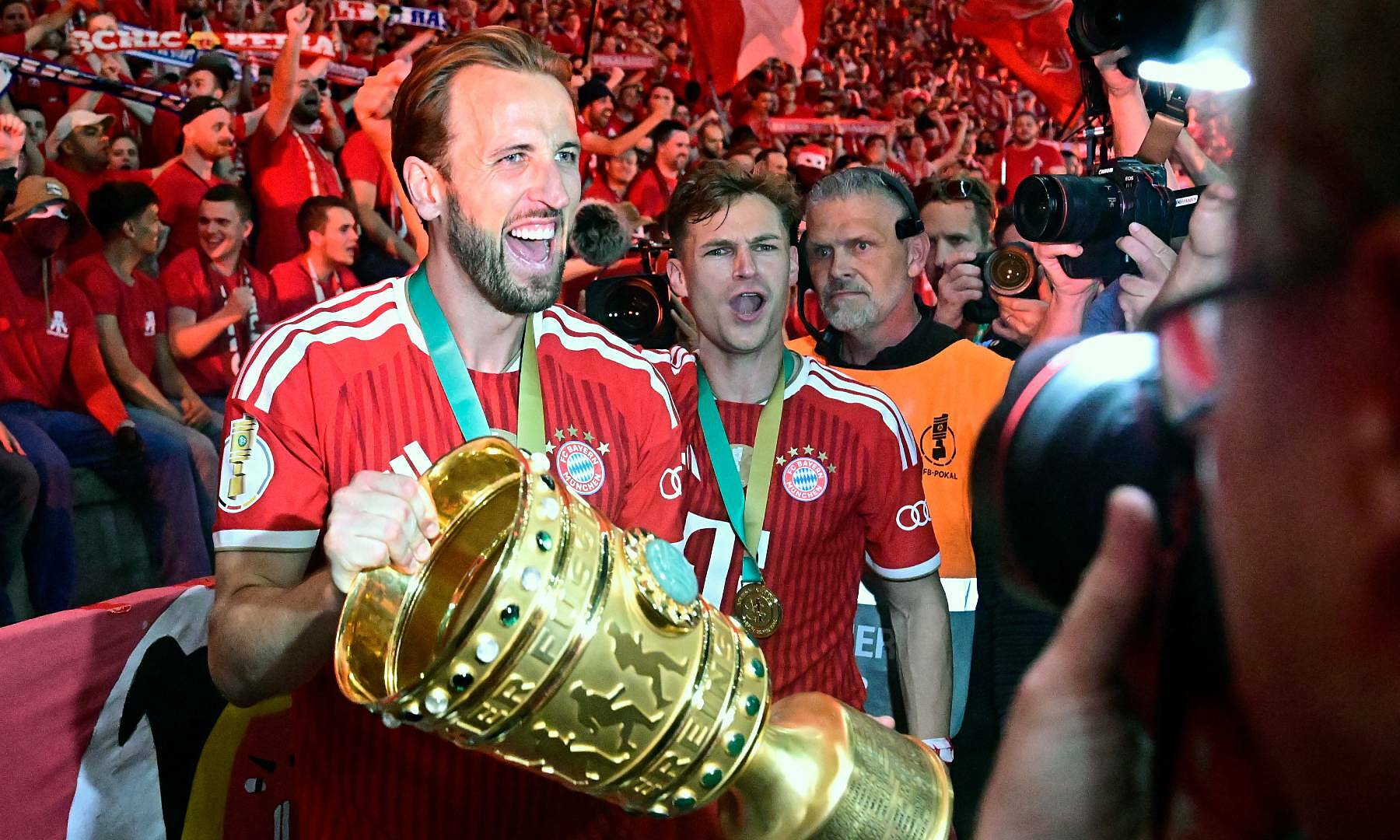
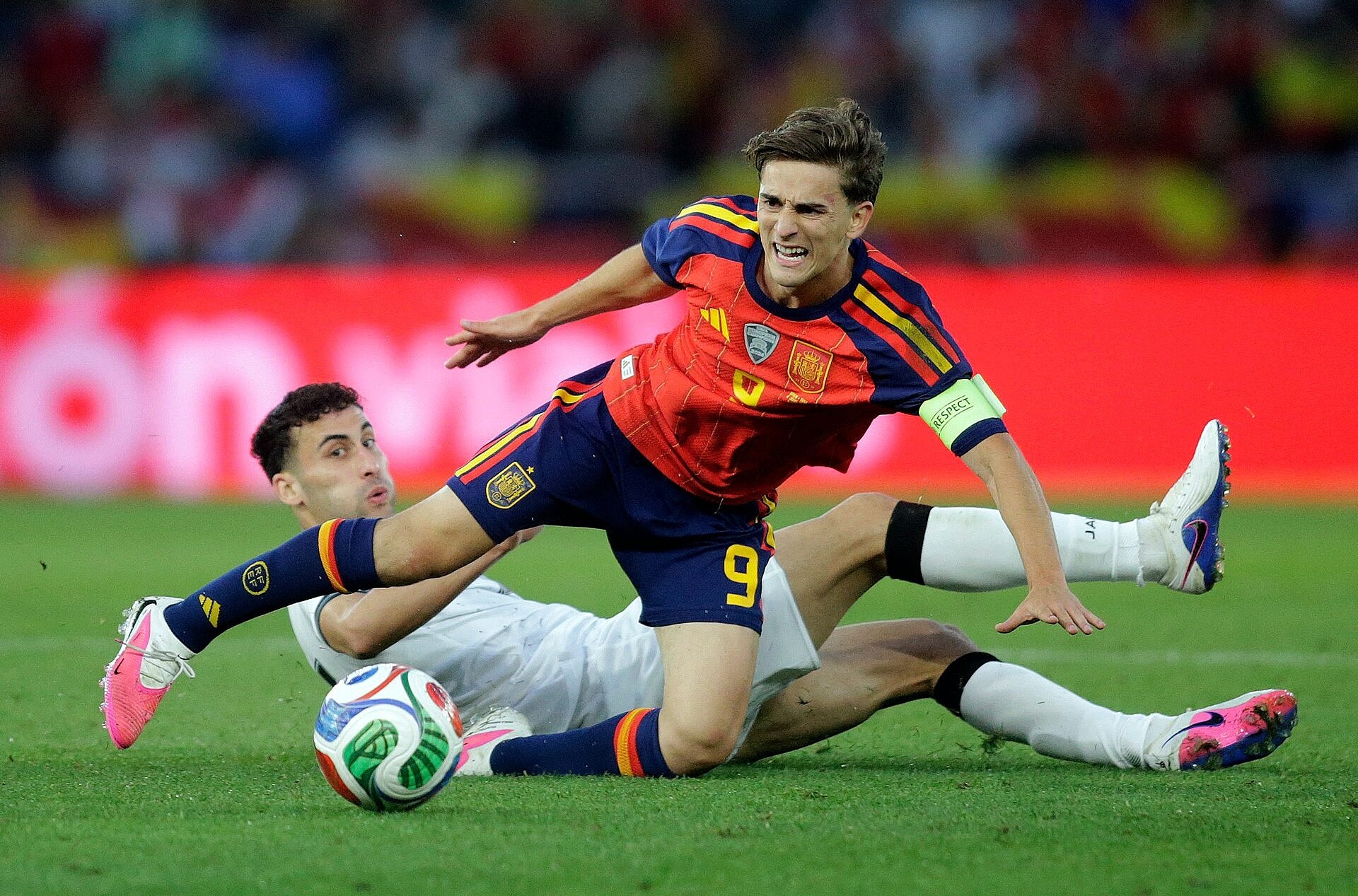
Beyond the aforementioned stars, World Cup 2026 will also feature many players carrying "football blood", as they are sons of former legends who played in past World Cups or made significant marks in history.
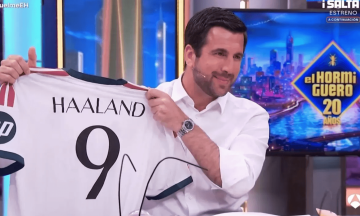
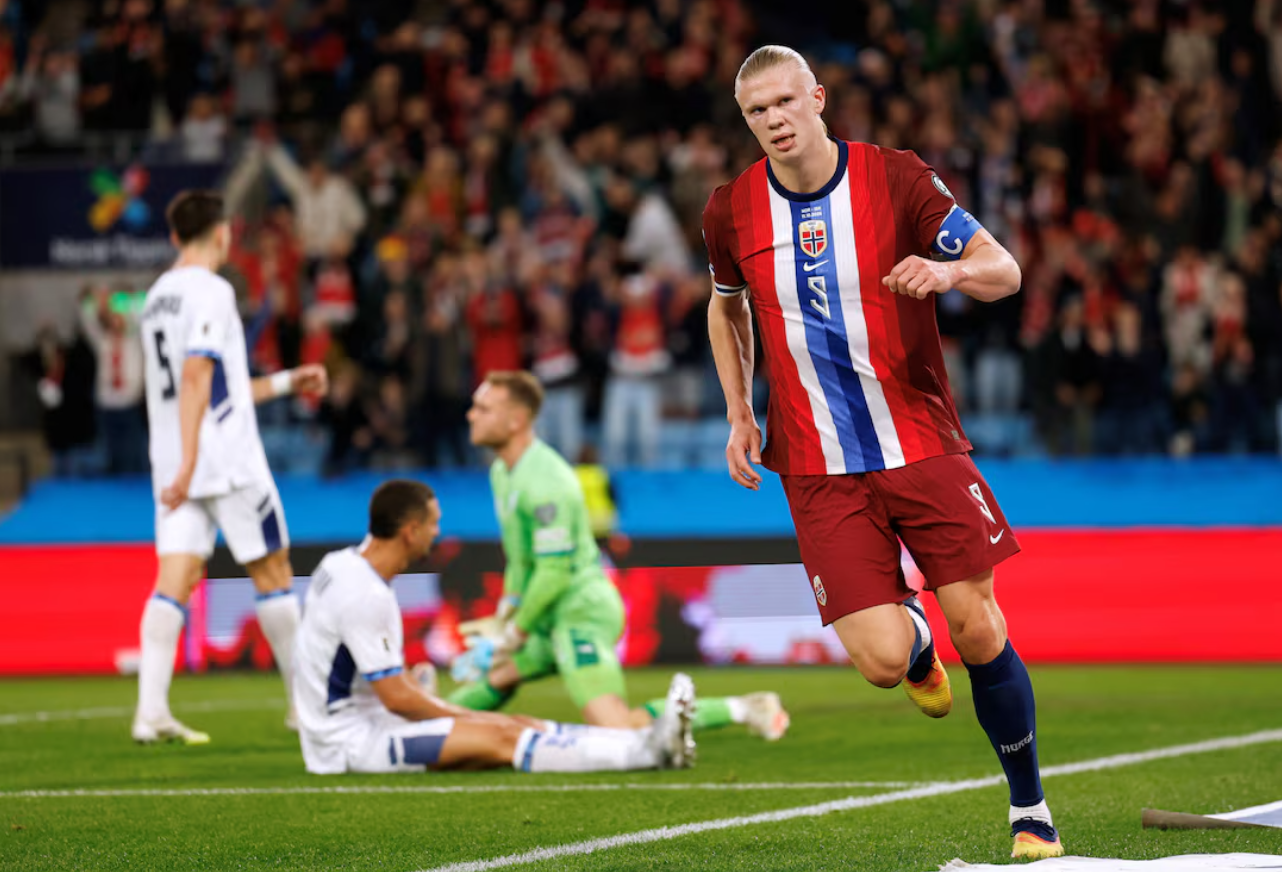
One prominent name is Erling Haaland (pictured)—son of Alf-Inge Haaland, a former Norwegian international who played in the 1994 World Cup. Currently, Haaland is Manchester City's main striker and is considered one of the world's best forwards.
In Portugal, Francisco Conceicao, son of Sergio Conceicao, plays for Juventus and is regarded as one of the most promising attacking talents of the new generation.
In Spain, Mikel Merino of Arsenal carries the influence of his father Miguel Merino, a former player who featured for clubs like Osasuna and Celta Vigo.
In Argentina, Nico Paz, a Como player, is the son of Pablo Paz, who participated in the 1998 World Cup. Nico is emerging as a promising young talent in the "Albiceleste" squad.
In the United States, Sebastian Berhalter is the son of Gregg Berhalter, a former international who played in the 2002 and 2006 World Cups, and now holds a place in the national team.
 |
Asian football also features Lee Tae-seok of South Korea, son of Lee Eul-yong, a member of the team that reached the semi-finals of the 2002 World Cup. He is considered one of South Korea's most promising young defenders.
In Scotland, Angus Gunn is the son of Bryan Gunn, who played in the 1990 World Cup, and has become the national team's number one goalkeeper.
In Norway, Kristian Thorstvedt, son of Erik Thorstvedt, who featured in the 1994 World Cup, is continuing the family tradition but in a midfield role.
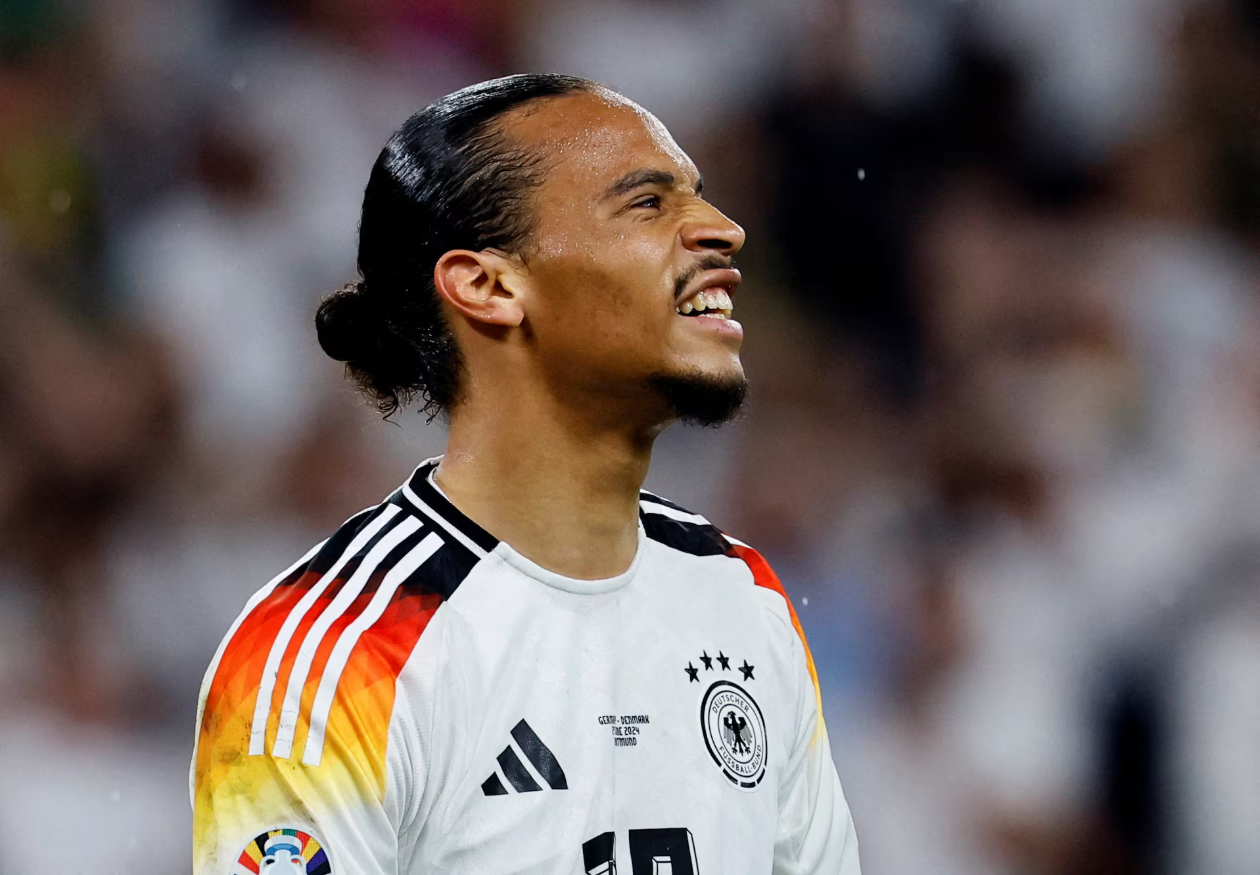
Meanwhile, Leroy Sane (pictured) of the German national team is the son of Souleyman Sane, a former forward who played and made his mark in European football and for the Senegal national team.
Finally, Anthony Elanga of Newcastle is the son of Joseph Elanga, who played in the 1998 World Cup with the Cameroon national team. Anthony Elanga will participate in World Cup 2026 for Sweden.
Hong Duy
Anh: AP, Reuters, Rex, La Nacion, FC Barcelona