Exercise has become a familiar part of many young people's lifestyles. After work, many choose to go to the gym, run, or participate in sports as a way to relieve pressure and stay active. However, experts say that frequent exercise does not always mean a healthier body, especially when it occurs within an already demanding lifestyle.
Many young people are caught in a work cycle of continuous deadlines, late nights, and a constant "online" status, which keeps their bodies at a high stress level for extended periods. They may maintain a regular workout schedule but dedicate very little time to recovery. When recovery time is shortened, the body lacks the conditions to regenerate energy. At this point, each high-intensity workout can become an additional "stress load" instead of helping to relieve tension.
 |
Users exercise with a Garmin watch. Photo: Garmin
Doctor Duong Minh Tuan, a specialist in endocrinology and diabetes at Bach Mai Hospital, explained that during exercise, the body is actually under a form of physiological pressure designed to stimulate adaptation and development. However, benefits only appear when the body has sufficient recovery time through quality sleep, proper nutrition, and a stable mental state.
When recovery is not ensured, the body lacks enough time to regenerate after each workout. The nervous system and stress hormones remain elevated, leading to prolonged fatigue and reduced performance – signs that many people gradually become accustomed to and consider normal. This condition is not always evident during routine health check-ups, leading many to receive "normal" results even though their bodies have begun to experience prolonged pressure.
Chronic stress can manifest through fragmented symptoms such as insomnia, headaches, rapid heart rate, muscle tension, or reduced energy, making it easy to confuse with normal fatigue.
Doctor Duong Minh Tuan also stated that chronic stress can significantly impact the neuro-endocrine axis and the body's metabolic state. Manifestations include sleep disturbances, persistently high heart rate, decreased recovery capacity, changes in body fat distribution, or making blood sugar control more difficult.
Therefore, the key to sustainable health lies not in exercising more, but in the ability to correctly identify body signals to adjust exercise intensity and rest time accordingly.
According to Doctor Tuan, a sustainable lifestyle must be built on three closely linked foundations: nutrition, recovery, and exercise. A lack of balance in any of these factors can impair the body's ability to adapt and self-regulate.
Monitoring body data helps adjust life rhythm
In reality, the body does not always send clear enough signals for exercisers to realize they are overloaded. For those who maintain a regular exercise schedule, the feeling of "still being able to train" sometimes pushes them past their recovery limits.
Therefore, health monitoring using data is becoming an approach many people are interested in. Some smartwatches, such as the Garmin Venu series, Garmin vivoactive 5/6, or Garmin Lily 2 Active, allow continuous tracking of metrics like stress levels, heart rate, sleep quality, and body energy status (Body Battery).
 |
Users practice yoga at home with a Garmin device. Photo: Garmin
Through this data, users can identify times when their body has not fully recovered, even if they subjectively feel "fine." For instance, decreased energy levels or elevated stress scores can indicate that the body needs more rest before resuming high-intensity workouts.
This provides exercisers with a basis to adjust their training schedule more flexibly, such as reducing load, changing intensity, or prioritizing recovery at the right time, instead of maintaining an exercise routine mechanically.
Some devices can also offer suggestions, such as breathing exercises when high stress levels are detected, helping users adjust their state during the day.
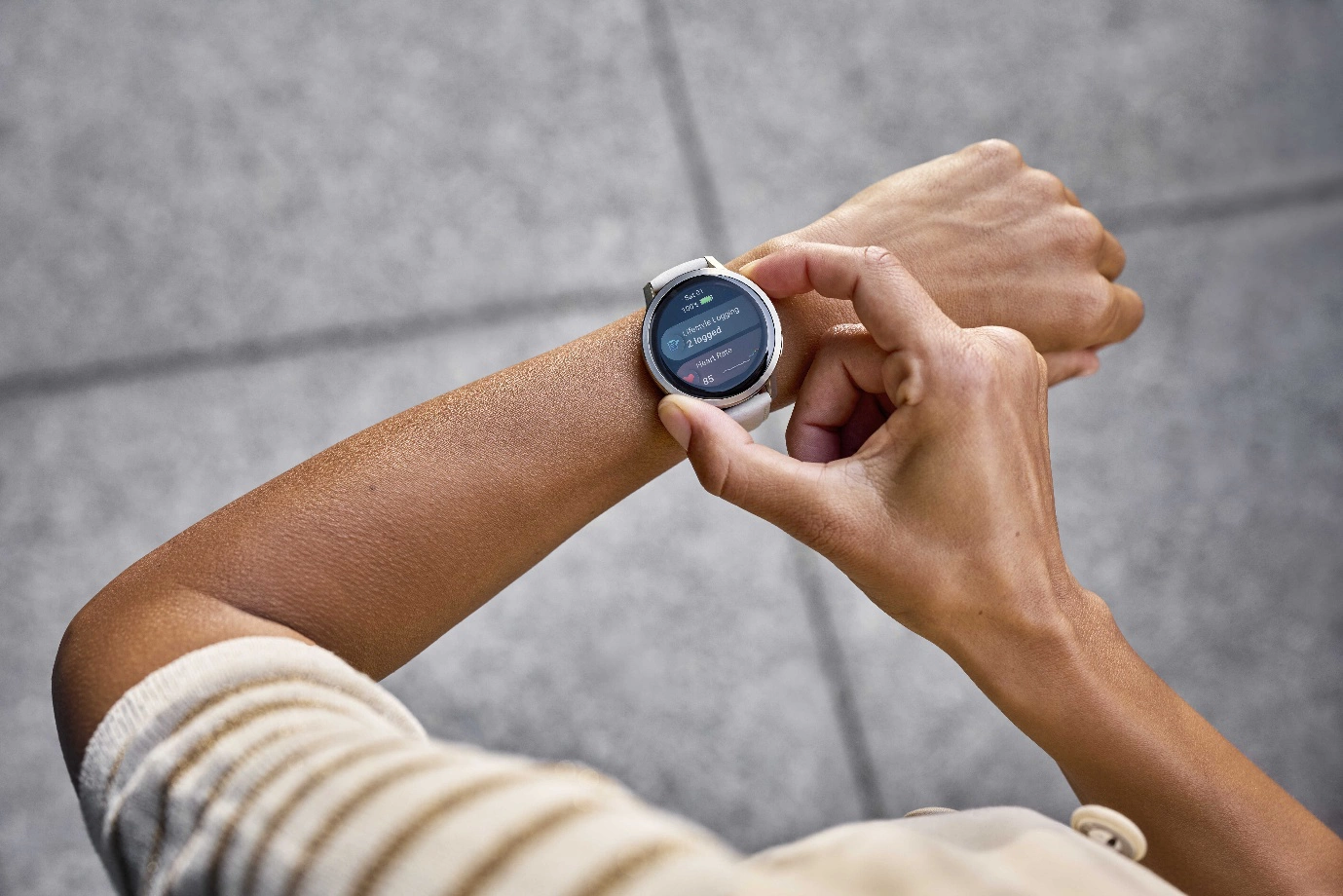 |
Users adjust modes on their Garmin watch. Photo: Garmin
When young people start viewing their health through data rather than just relying on feelings, they gradually change their approach to exercise. The goal is no longer to exercise more, but to maintain an activity rhythm that suits their recovery capacity and the body's actual limits.
Hoai Phuong
In a context where stress can accumulate silently each day, recovery is no longer a supplementary factor but a necessary condition for the body to adapt and maintain long-term health. Learn more about health monitoring solutions to start building a more balanced and sustainable lifestyle here.