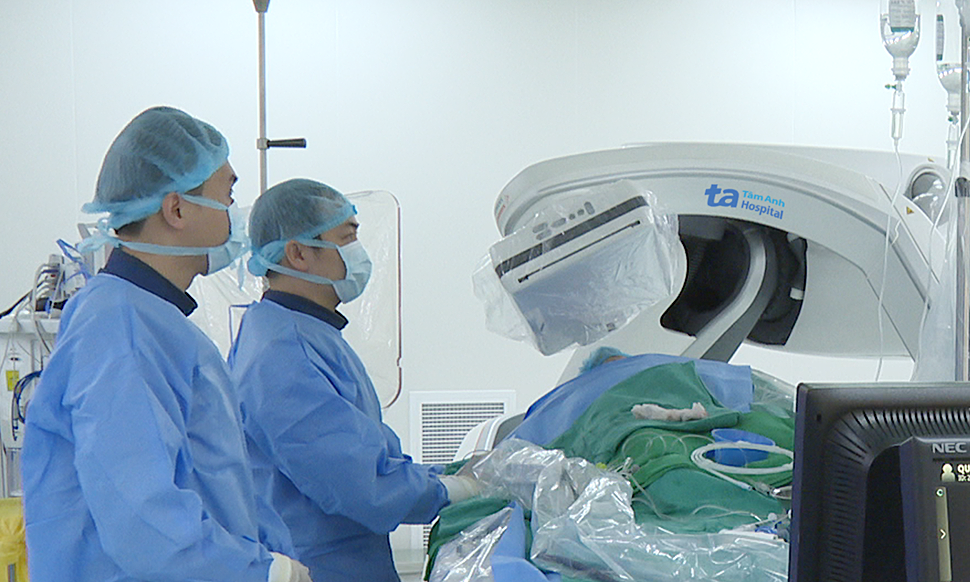
A 70-year-old woman experienced sudden weakness on her left side, difficulty walking, and speech problems but did not go to the hospital, instead self-medicating at home. By the time she arrived at the hospital, she had missed the critical "golden hour" for stroke treatment.
Following repeated, prolonged flu infections, individuals with high blood pressure and diabetes are turning to flu vaccinations to mitigate the risk of reinfection and severe respiratory or cardiovascular complications.
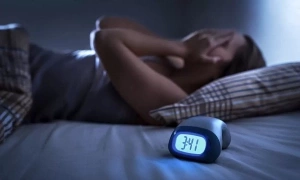
Nighttime is when the body needs rest, and continuous late nights increase the risk of high blood pressure, cardiovascular issues, and stress, especially for high-risk groups.
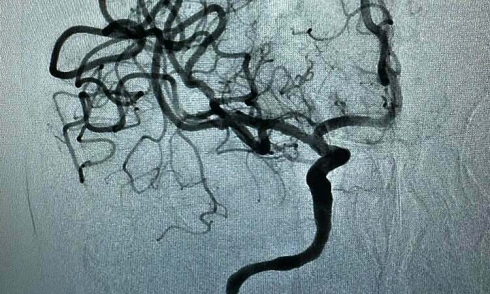
After months of headaches, a 50-year-old woman attributed her symptoms to a vestibular disorder, but an examination revealed a brain aneurysm with a high risk of rupture.
Avoid prolonged sitting, maintain at least 30 minutes of daily exercise, and consume fatty fish twice a week to boost cardiovascular health and stabilize blood pressure.
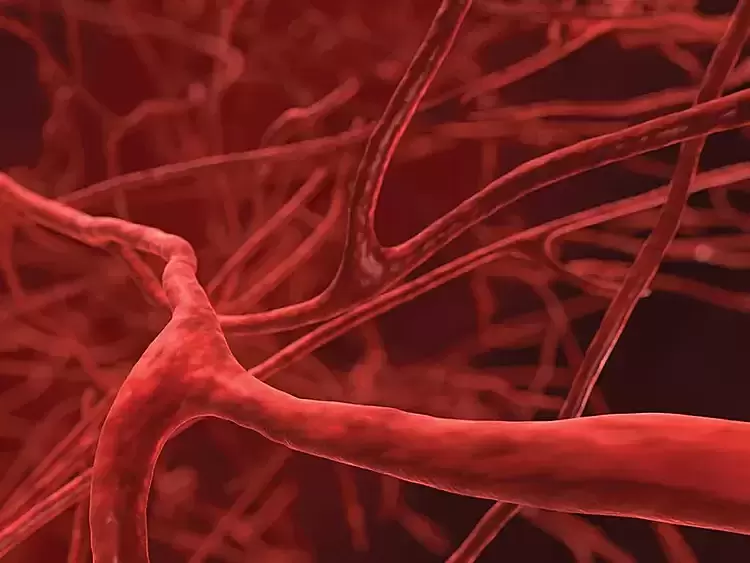
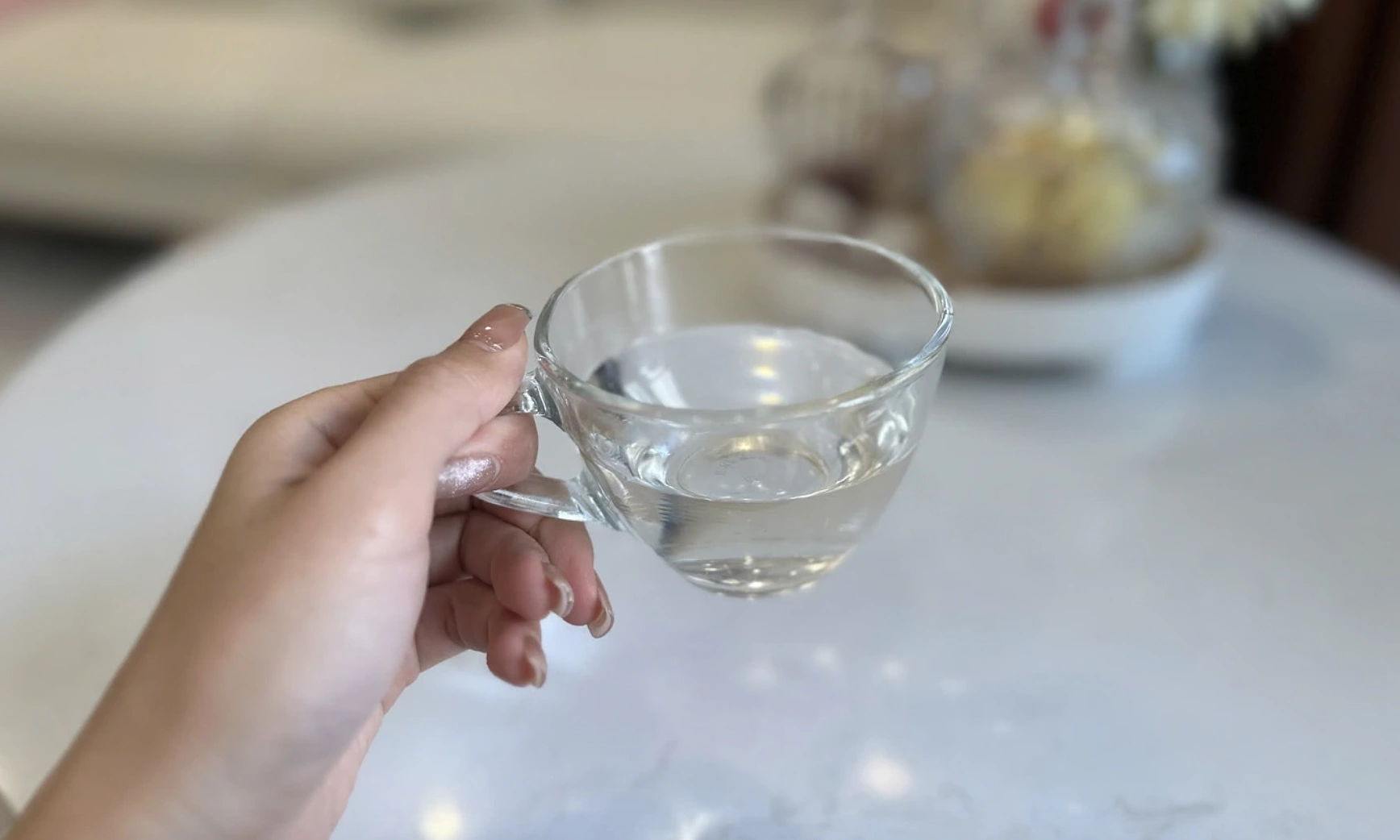
Many cases of cerebral stroke and myocardial infarction occur just 30 minutes after waking, partly due to dehydration; doctors recommend drinking two glasses of warm water at crucial times to protect blood vessels.
A 68-year-old woman, having just recovered from her first stroke, unexpectedly suffered a second stroke almost a day later, placing her in a critical condition.
A 33-year-old man suffered convulsions, clenching and stiffening his hands, after being hit in the neck by a soccer ball; doctors diagnosed a stroke caused by arterial damage.
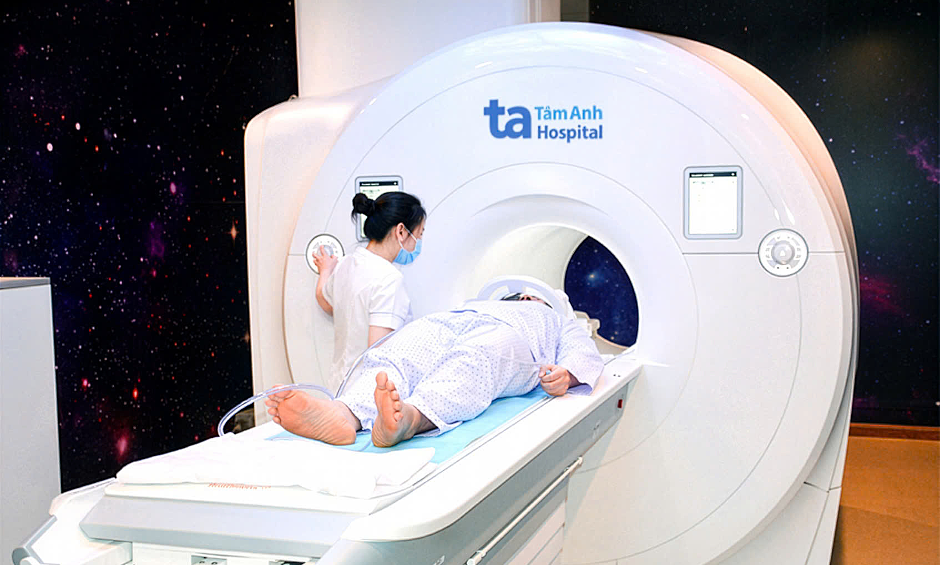
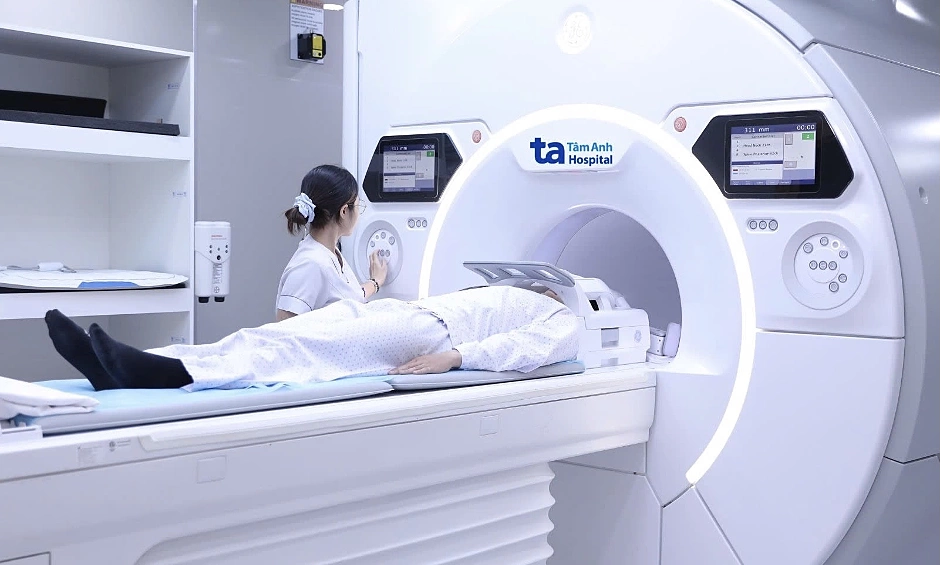
I am 45 years old, experiencing headaches and insomnia for nearly two months, sometimes with dizziness and difficulty concentrating. Do I need a brain MRI for examination? (Ngoc Hoa, Dong Nai)
Regularly staying up late during the World Cup season can disrupt blood pressure, increase inflammatory responses, and promote blood clot formation, thereby raising the risk of stroke.
My 18-year-old son frequently shakes his thigh and props his leg up uncontrollably. Is this a habit or a medical condition requiring treatment? (Hoang, 37, Hanoi)
Strokes occurring during sleep are often difficult to detect, leading to missed "golden hour" treatment windows, silent brain damage for hours, and potential disability or death.