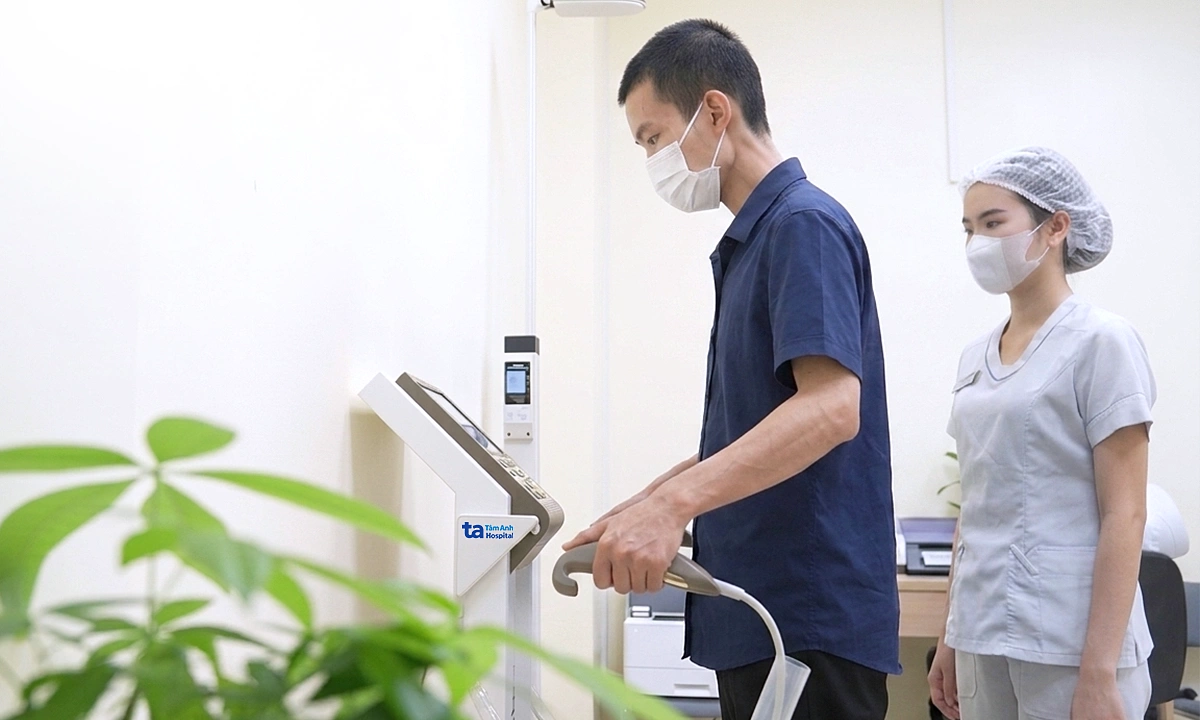
Many elderly people, especially those with underlying conditions like high blood pressure and diabetes, are actively seeking flu vaccinations to prevent severe complications, including stroke. This proactive approach comes after experiencing prolonged and debilitating flu episodes that exacerbated their chronic health issues.
Ms. Xuan, 71, from Phan Thiet ward, Lam Dong, was diagnosed with high blood pressure at 60. For many years, she consistently took medication, limited salt intake, and monitored her health to control her blood pressure.
Her children repeatedly advised her to get flu and pneumococcal vaccines, as older adults with underlying conditions are prone to complications from respiratory illnesses. However, she believed she was healthy, thinking a few days of medication would resolve any cough or fever. She also worried that chronic illnesses would prevent her from getting vaccinated.
In 2025, she contracted the flu multiple times. A recent influenza A infection caused her to suffer from coughing, thick phlegm, body aches, and fatigue, requiring nearly one month of medication. After recovering, she experienced insomnia, dizziness upon changing positions, and persistent fatigue. Fearing that recurrent flu could worsen her underlying conditions, she visited VNVC Phan Thiet for a flu vaccine. Following a screening examination, with stable blood pressure at the time of vaccination, she received one dose and was scheduled for an annual booster.
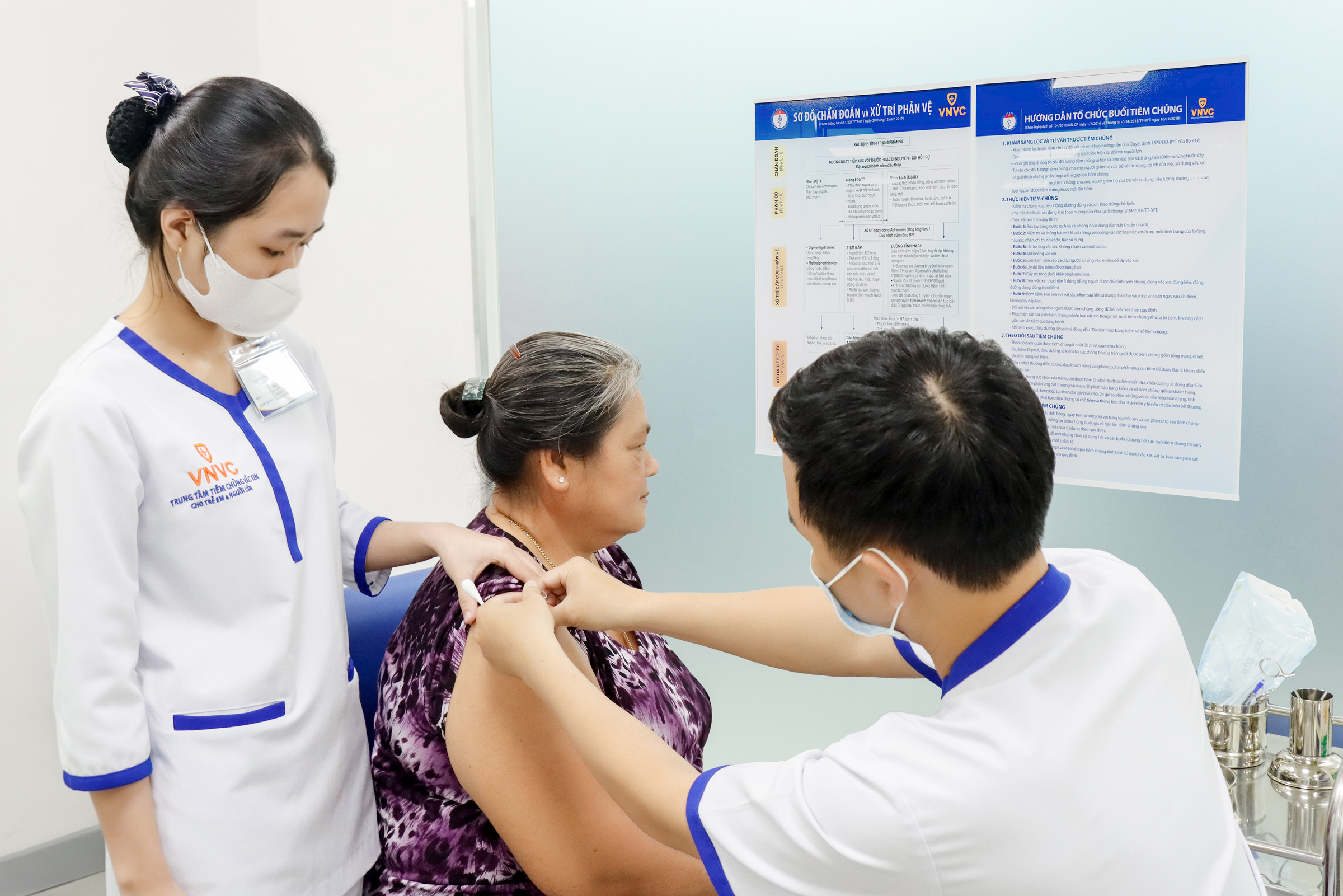 |
Ms. Linh from Con Dao Special Zone traveled to the mainland for medical examination and flu vaccination at VNVC Hoang Van Thu. *Photo: Binh An* |
Nguyen Son, 66, of Ho Chi Minh City, also used to feel anxious about vaccinations. He was diagnosed with high blood pressure and arrhythmia six years ago. His doctor advised him that he was at high risk of complications if he contracted the flu. Consequently, he has maintained annual flu vaccinations for the past five years.
Each time he visits the vaccination center, his blood pressure is usually higher than normal. After resting, drinking water, and conversing with family members, his readings stabilize, allowing him to proceed with vaccination.
Nguyen Thi Linh, 66, residing in the Con Dao Special Zone, also takes the opportunity to get her flu vaccine whenever she travels to Ho Chi Minh City for check-ups for high blood pressure and diabetes. Due to long-distance travel involving multiple modes of transport, her initial blood pressure reading is often elevated. After resting for about 30 minutes, her blood pressure returns to a suitable level for vaccination.
Ms. Linh stated that Con Dao welcomes many domestic and international tourists, meaning the risk of respiratory illness transmission is ever-present. She also worried that if she became seriously ill, transferring to the mainland for treatment would be difficult. Since receiving annual flu vaccinations, she has experienced fewer episodes of coughing, fever, and runny nose.
According to Doctor Tran Huynh Tan, Medical Manager at VNVC Vaccination System, individuals with high blood pressure and diabetes face a higher risk of cardiovascular complications if their underlying conditions are not controlled. These diseases can damage blood vessel walls, promote atherosclerosis, and increase the risk of blood clot formation.
When infected with flu, the body mounts an inflammatory response to combat the virus. This process can cause fluctuations in blood pressure and blood sugar, affecting atherosclerotic plaques or the clotting process. Consequently, flu can increase the short-term risk of cardiovascular events, especially in elderly individuals or those with underlying conditions.
Doctor Tan noted that stroke prevention for individuals with high blood pressure and diabetes does not solely rely on vaccines. Patients must take prescribed medication, attend regular check-ups, control blood pressure, blood sugar, and blood lipids, reduce salt intake, limit alcohol, avoid smoking, and maintain appropriate physical activity.
Annual flu vaccination is a measure that helps reduce the risk of contracting flu, hospitalization, and flu-related complications. Some studies also indicate that flu vaccination is associated with a reduction in certain cardiovascular events in people with cardiovascular disease, particularly those who have experienced previous cardiovascular events.
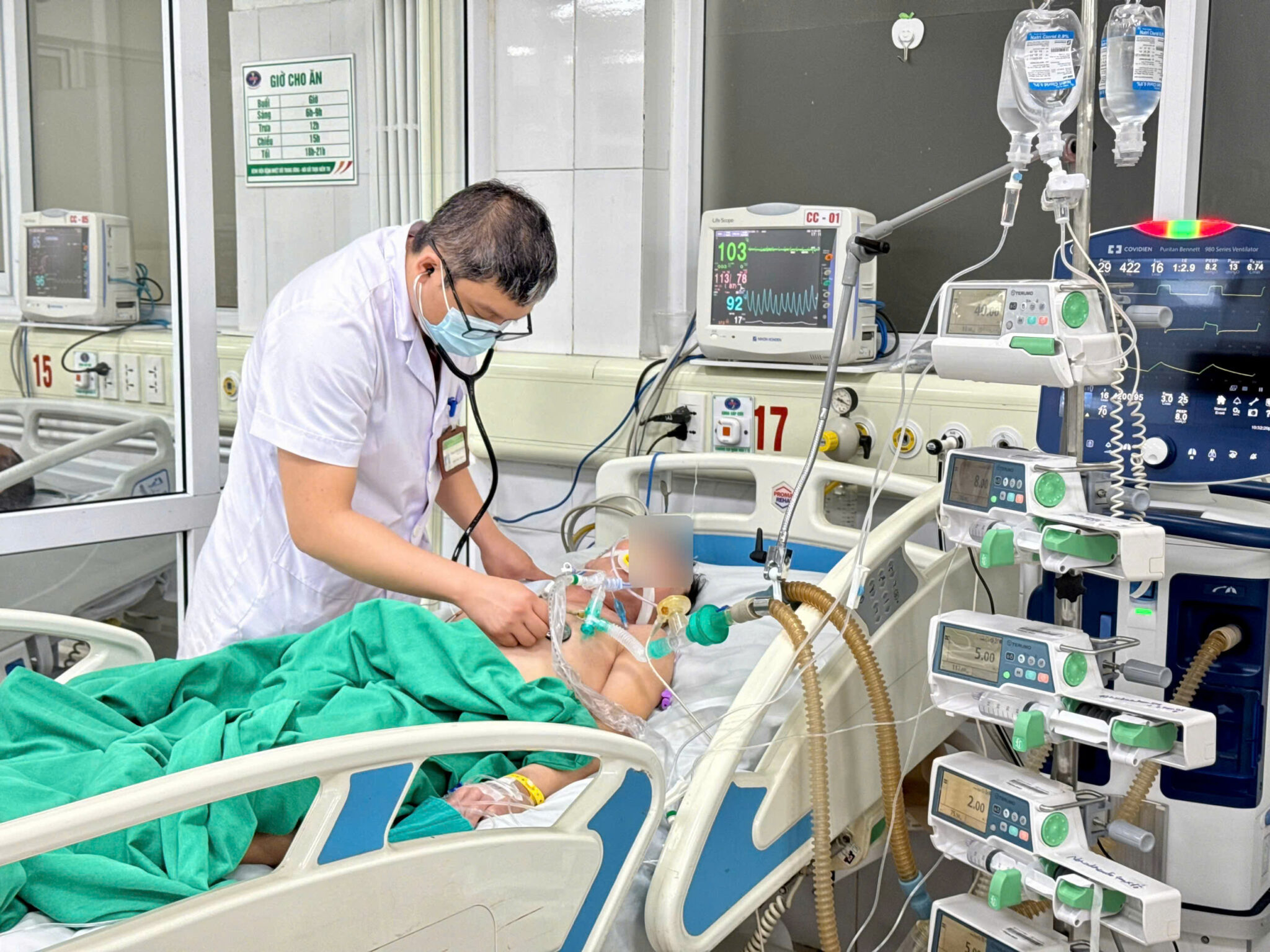 |
A 60-year-old man from Hai Duong with diabetes and hepatitis B developed severe pneumonia complications three days after contracting influenza B, receiving treatment at the National Hospital for Tropical Diseases. *Photo: National Hospital for Tropical Diseases* |
Currently, Vietnam circulates four types of flu vaccines from Vietnam, France, the Netherlands, and South Korea, administered to individuals from six months of age to adults. Elderly people, pregnant women, and those with chronic conditions such as diabetes, high blood pressure, cardiovascular disease, or chronic lung disease should seek vaccination advice to reduce the risk of severe flu illness.
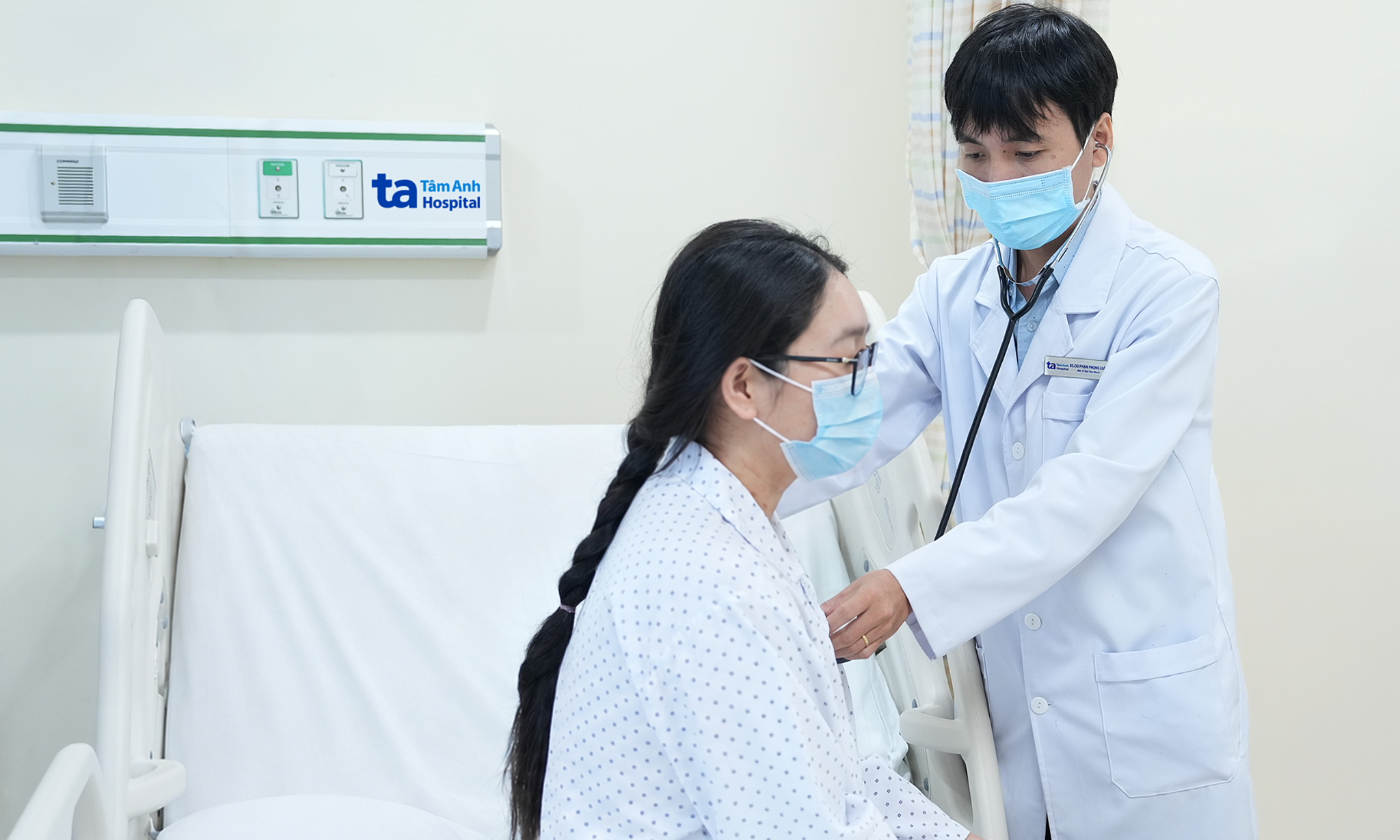
Before vaccination, doctors conduct a screening examination to assess health status. Individuals experiencing an emergency, high fever, or an unstable acute illness may have their vaccination deferred. If blood pressure is elevated at the vaccination site, people are typically advised to rest, have it re-measured, and only receive the vaccine when readings are suitable.
After vaccination, individuals need to be monitored at the vaccination site for 30 minutes and continue monitoring their health at home for 24-48 hours. Doctor Tan advises those with underlying conditions to bring their prescriptions, information about ongoing treatments, and fully inform the doctor during the screening examination.
Flu vaccines require annual boosters because immunity wanes and flu viruses constantly mutate. Individuals with underlying conditions should adhere to their vaccination schedule and manage their chronic illnesses to reduce the risk of complications when flu season arrives.
Minh An