Eng English
China 中国人

Eng English
China 中国人
  • News
  • World
  • Business
  • Entertainment
  • Sports
  • Law
  • Education
  • Health
  • Lifestyle
  • Travel
  • Science
  • Digital
  • Automobiles
  • Trở lại Thể thao
  • Health
Tuesday, 7/7/2026 | 19:21 GMT+7

Can continuous late nights lead to a stroke?

Nighttime is when the body needs rest, and continuous late nights increase the risk of high blood pressure, cardiovascular issues, and stress, especially for high-risk groups.

While it is difficult to conclude if one single factor "causes stroke," continuous late nights can significantly increase this risk, according to Doctor Doan Du Manh, Deputy Director of the International Cardiovascular and Stroke Center at Phuong Dong General Hospital. Stroke is linked to various risk factors, including high blood pressure, metabolic disorders, cardiovascular diseases, and unhealthy lifestyles such as drug abuse, alcohol consumption, and physical inactivity. In young individuals, strokes can also stem from congenital abnormalities like cerebral vascular malformations present from birth, which may rupture when aneurysms grow large enough.

Staying up late continuously raises the risk of stroke because nighttime is when blood pressure should naturally decrease, allowing the cardiovascular system to rest. When one stays awake, blood pressure remains elevated, gradually damaging blood vessel walls. This state also prompts the body to release stress hormones like cortisol and adrenaline. These hormones constrict blood vessels, increase heart rate, and put pressure on the brain, raising the likelihood of blood clot formation that can block cerebral blood vessels, leading to an ischemic stroke. High-risk groups include individuals with underlying conditions such as high blood pressure and diabetes, those who have experienced a stroke before, and the elderly.

Late nights often coincide with habits like eating late and a lack of physical activity, which can lead to obesity, diabetes, and high blood lipids—all contributing factors to an increased stroke risk. Even healthy individuals without existing medical conditions should avoid continuous late nights, as this can result in weakness, fatigue, and easy fat accumulation.

If late nights are unavoidable, individuals should implement measures to reduce risks. These include ensuring the total number of sleep hours throughout the day, such as taking a nap for about 20-30 minutes during the day. It is also important to avoid stimulants at night and limit excessive consumption of coffee, strong tea, or energy drinks used to force the body to stay awake.

Doctors advise using the F.A.S.T. rule for quick stroke recognition:

F.A.S.T. stands for Face, Arm, Speech, and Time. This rule highlights four easy-to-remember signs of a stroke: facial drooping or asymmetry, particularly an uneven smile; arm weakness, where one arm drifts downward when raised; slurred, difficult, or unclear speech; and the critical need to call emergency services immediately if any of these signs appear.
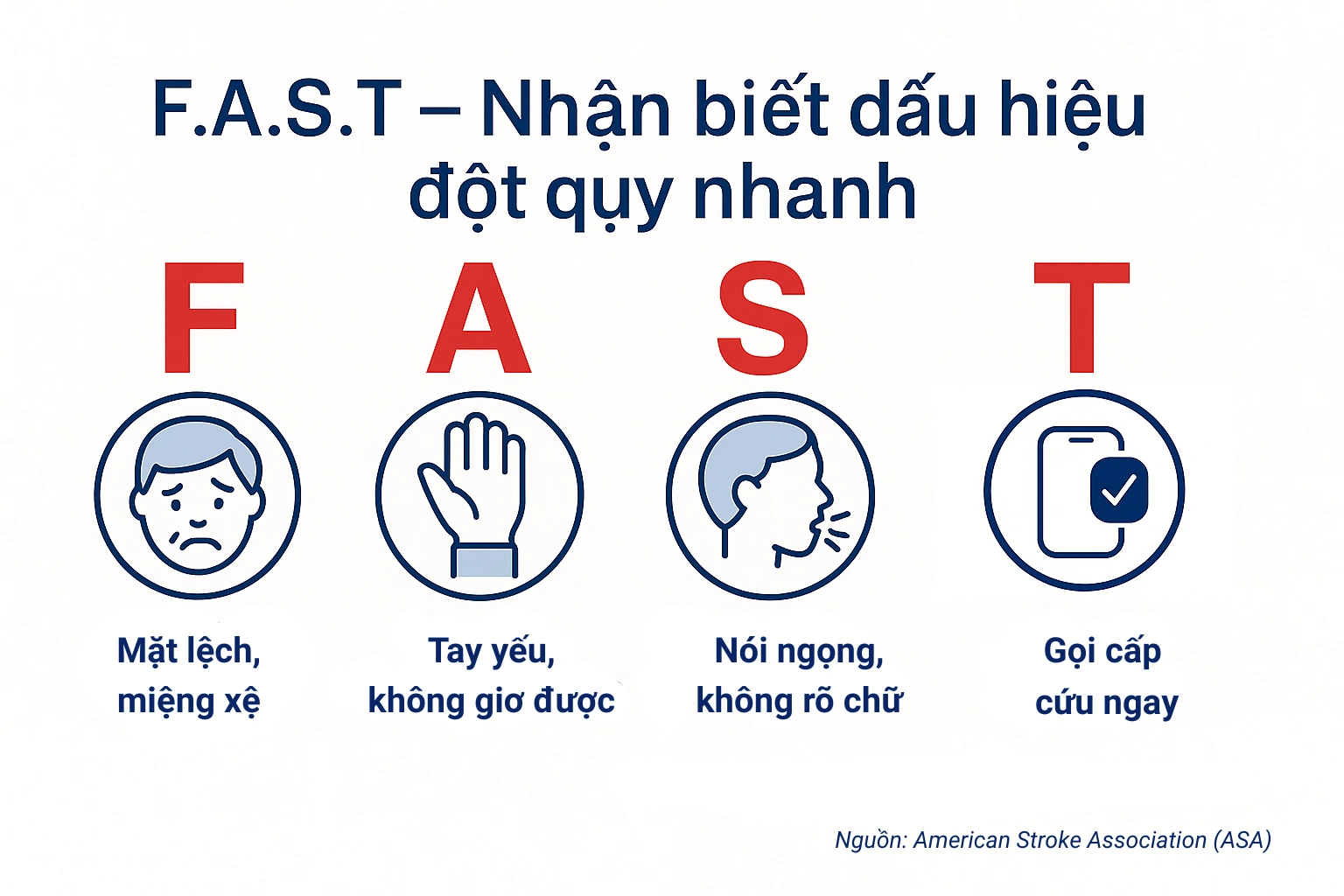
Recognizing stroke using the F.A.S.T. rule. Graphics: Hoan My

Doctors caution against giving stroke patients any food, drink, or medication, including water or blood pressure-lowering drugs. This is because a stroke often impairs swallowing, leading to a high risk of choking, respiratory failure, and death. Never administer unprescribed medications. Using drugs from unknown sources or those not indicated during the acute phase can worsen the condition or cause aspiration into the lungs.

Avoid acupuncture or pricking fingertips. These methods do not dissolve blood clots and, conversely, waste the "golden hour" crucial for medical intervention.

Do not wait for patients to "recover on their own." Stroke symptoms may briefly improve, but the condition can deteriorate rapidly and dangerously. Patients must be transported to the emergency room immediately. Do not use a motorcycle to transport a patient. If an ambulance is unavailable, use a car or taxi to ensure the patient can lie in a stable position, providing safety during transport.
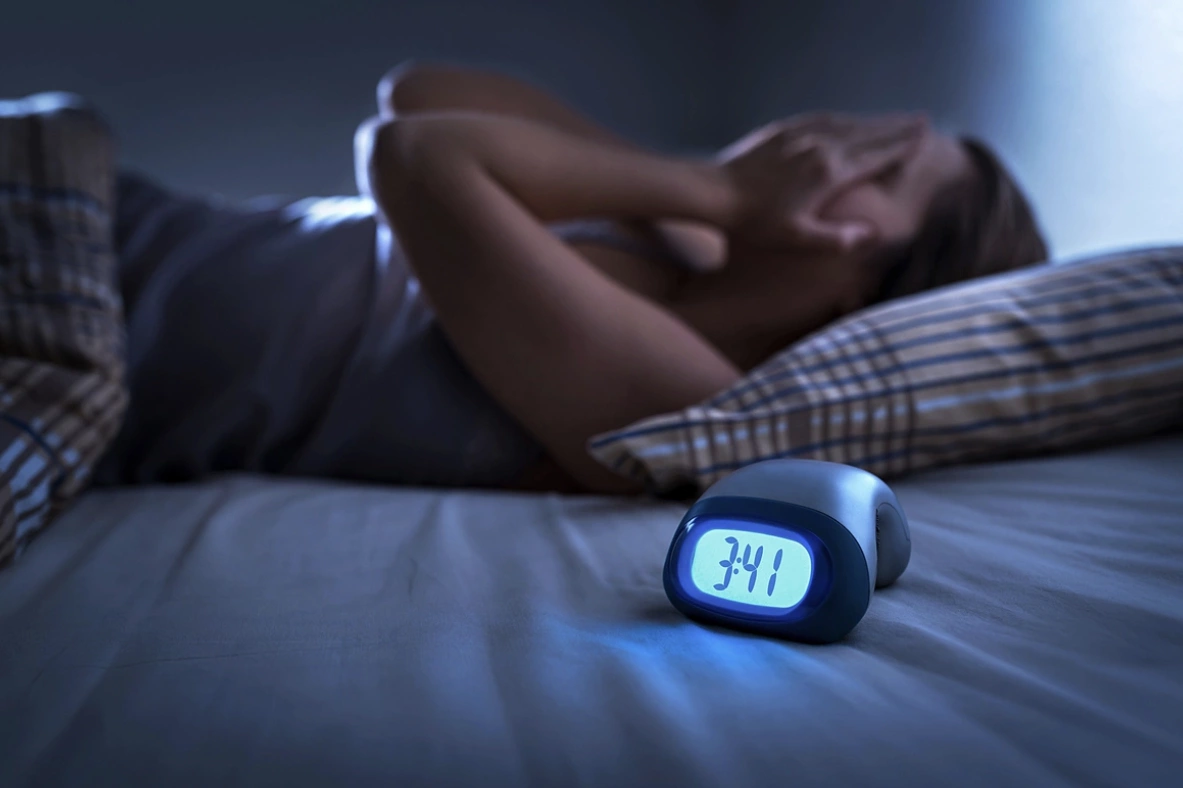
Staying up late causes many health consequences. Photo: pennmedicine

Thuy An

By VnExpress: https://vnexpress.net/thuc-dem-lien-tuc-co-bi-dot-quy-5094359.html
Tags: late nights cardiovascular high blood pressure stroke

News in the same category

Woman thought headaches were vestibular disorder, discovered brain aneurysm at risk of rupture

Woman thought headaches were vestibular disorder, discovered brain aneurysm at risk of rupture

After months of headaches, a 50-year-old woman attributed her symptoms to a vestibular disorder, but an examination revealed a brain aneurysm with a high risk of rupture.

Can sharing a restroom transmit genital warts?

Can sharing a restroom transmit genital warts?

A 28-year-old from Vinh Long, Ly Duong, asks if genital warts can be contracted from sharing restrooms, and how her 10-year-old son can be protected.

Laser treatment for melasma

Laser treatment for melasma

Trinh, 35, developed melasma during pregnancy, which worsened and spread one year after childbirth, leading her to seek laser treatment.

4 regular habits to help reduce stroke risk

4 regular habits to help reduce stroke risk

Avoid prolonged sitting, maintain at least 30 minutes of daily exercise, and consume fatty fish twice a week to boost cardiovascular health and stabilize blood pressure.

Man diagnosed with two dangerous cancers simultaneously

Man diagnosed with two dangerous cancers simultaneously

A 69-year-old man in Bac Ninh was hospitalized for liver tumor removal, but a pre-operative screening process unexpectedly revealed another malignant tumor silently invading his esophagus, posing a serious threat to his life.

Why is weight loss difficult?

Why is weight loss difficult?

Genes and hormone fluctuations, which affect metabolism, appetite, and satiety, can make weight loss challenging.

The benefits of omega-3 for heart health

The benefits of omega-3 for heart health

Omega-3 helps reduce inflammation, improve blood vessel function, and contributes to lowering the risk of cardiovascular disease.

Overexertion at gym sends 31-year-old to hospital with rhabdomyolysis

Overexertion at gym sends 31-year-old to hospital with rhabdomyolysis

A 31-year-old man, who regularly engaged in high-intensity gym workouts, was hospitalized after his arms became severely swollen, making him unable to lift objects or change clothes. Doctors diagnosed rhabdomyolysis, a condition where muscle cells are damaged and destroyed.

Rotator cuff tear after traffic accident

Rotator cuff tear after traffic accident

Mr. Tinh, 53, experienced persistent shoulder pain for five months after a traffic accident, leading doctors to discover a large rotator cuff tear.

How to apply the 20-20-20 rule to protect your eyes

How to apply the 20-20-20 rule to protect your eyes

Applying the 20-20-20 rule, blinking frequently, and adjusting your workspace can help reduce eye strain from prolonged screen use.

Eng English
China 中国人
  • News
  • World
  • Business
  • Entertainment
  • Sports
  • Law
  • Education
  • Health
  • Lifestyle
  • Travel
  • Science
  • Digital
  • Automobiles
FPT Tower, 10 Pham Van Bach Street, Dich Vong Ward,
Cau Giay District, Hanoi, Vietnam
Email: contacts@vnportal.net
Tel: 028 7300 9999 - Ext 8556
Advertise with us: 090 293 9644
Register
© Copyright 2026 vnnow.net. All rights reserved.
Terms of use Privacy policy Cookies