Diet significantly influences the progression of breast cancer. Certain foods promote mechanisms linked to cancer cell development, while others help inhibit this process.
Foods to limit
Foods high in sugar can elevate blood glucose levels and stimulate insulin secretion. According to WebMD, cancer cells consume more sugar than normal cells for energy and proliferation. High sugar intake also contributes to chronic inflammation, endocrine disruption, and weight gain, which can boost estrogen production and potentially increase the risk of breast cancer progression or recurrence.
Red meats such as beef, pork, and venison are rich in heme iron and often contain high levels of saturated fat. Consuming large amounts of red meat, especially when cooked at high temperatures, can produce potentially carcinogenic compounds. WebMD states that patients still need sufficient protein but should prioritize fish, beans, poultry, and lean meats.
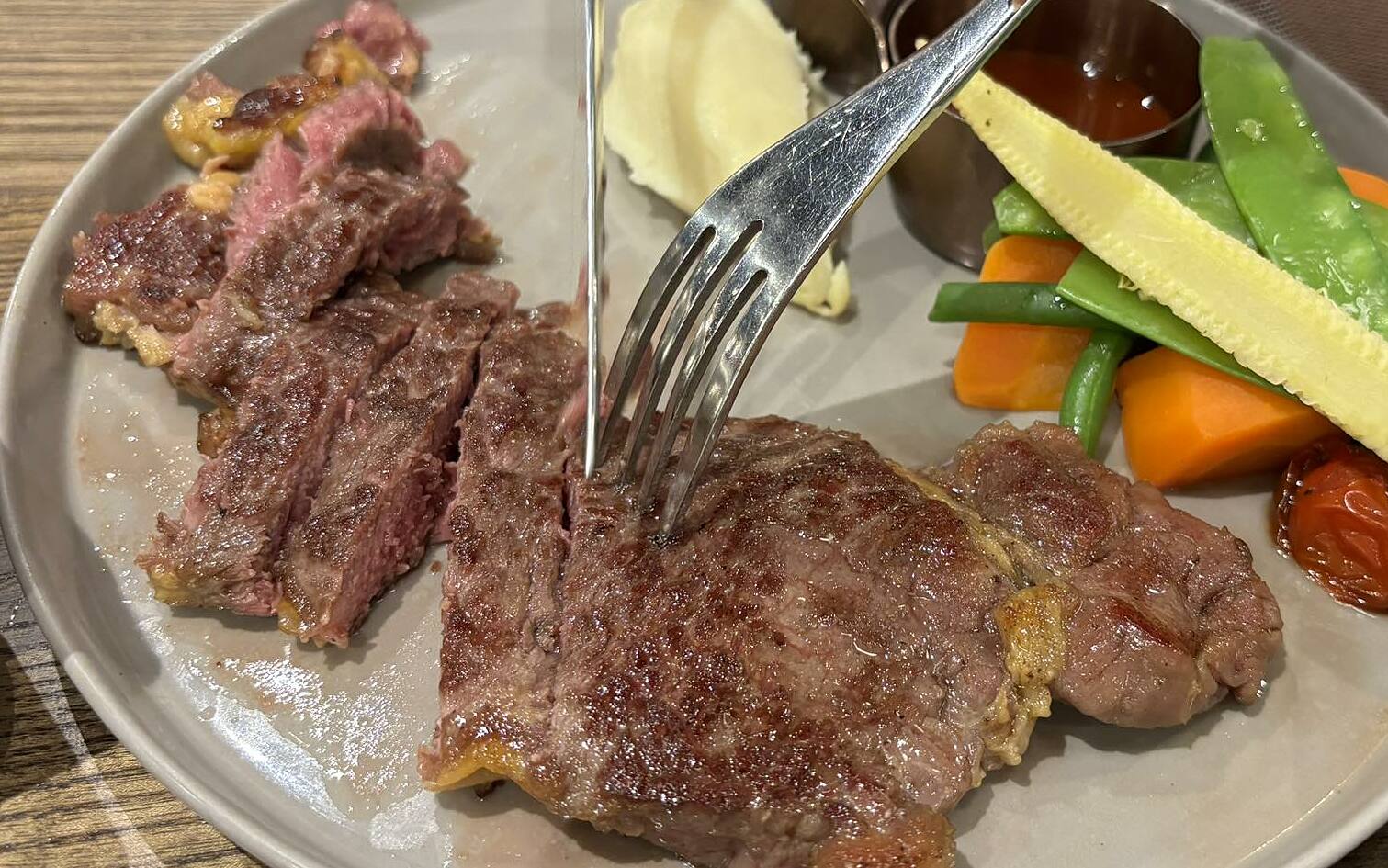 |
Eating a lot of red meat like beef is not beneficial for health. Photo: Anh Chi |
Foods rich in saturated fats, including butter, processed meats, whole milk, and certain vegetable oils, should be limited. According to Verywell Health, a diet high in saturated fat can heighten inflammatory responses, negatively impacting health, while cancer cells may utilize lipids as an energy source for growth. Therefore, patients should opt for healthy fats found in fish, nuts, and unsaturated vegetable oils.
Foods to eat regularly
Foods rich in omega-3 fatty acids are a type of unsaturated fat that helps reduce inflammation in the body. Omega-3s can help mitigate side effects from breast cancer chemotherapy. A diet with adequate omega-3 fatty acids from salmon, mackerel, walnuts, flaxseed, and olive oil helps maintain stable blood sugar levels and enhances immune health.
Citrus fruits are abundant in vitamins, minerals, and antioxidants, contributing to increased resistance. Flavonoids in oranges and tangerines possess antioxidant and anti-inflammatory properties, and some studies suggest they can inhibit the growth of breast cancer cells, including HER2-positive cell lines.
Vegetables contain flavones, a group of flavonoids with antioxidant properties. Research indicates that these compounds may help inhibit cancer cell growth and promote programmed cell death in abnormal cells. Cabbage, celery, onions, lettuce, tomatoes, and broccoli are also rich in fiber and vitamin C, boosting resistance and supporting patients throughout their breast cancer treatment.
Anh Chi (Compiled)
| Readers can submit questions about cancer here for doctors to answer. |