Calcium-rich foods
Calcium can increase the secretion of incretins, hormones that help reduce appetite. Calcium supports blood sugar stabilization, limits cravings for snacks, and promotes fat burning. It is advisable to prioritize calcium intake from food sources rather than supplements. Rich food sources of calcium include dairy products such as milk, yogurt, kefir, fresh cheese, sardines, and salmon.
The daily recommended calcium intake varies by age. Men and women aged 19-50 need approximately 1,000 mg. Men aged 51-70 require about 1,000 mg, while women in this age group should aim for 1,200 mg. Individuals managing their weight should consult a doctor regarding the necessary calcium dosage for their body, according to Very Well Health.
Foods rich in healthy fats
Healthy fats have a low saturated fat content and primarily contain monounsaturated and polyunsaturated fats. These fats require more time to digest than some other nutrients. This characteristic can help individuals feel full longer and reduce hunger between meals. Healthy fats also stimulate the production of satiety hormones in the gut, contributing to overall calorie control.
Prioritize foods rich in healthy fats such as avocado, olive oil, nuts (almonds, hazelnuts, walnuts, pistachios, pumpkin seeds, sunflower seeds), and fatty fish like salmon, mackerel, herring, and tuna.
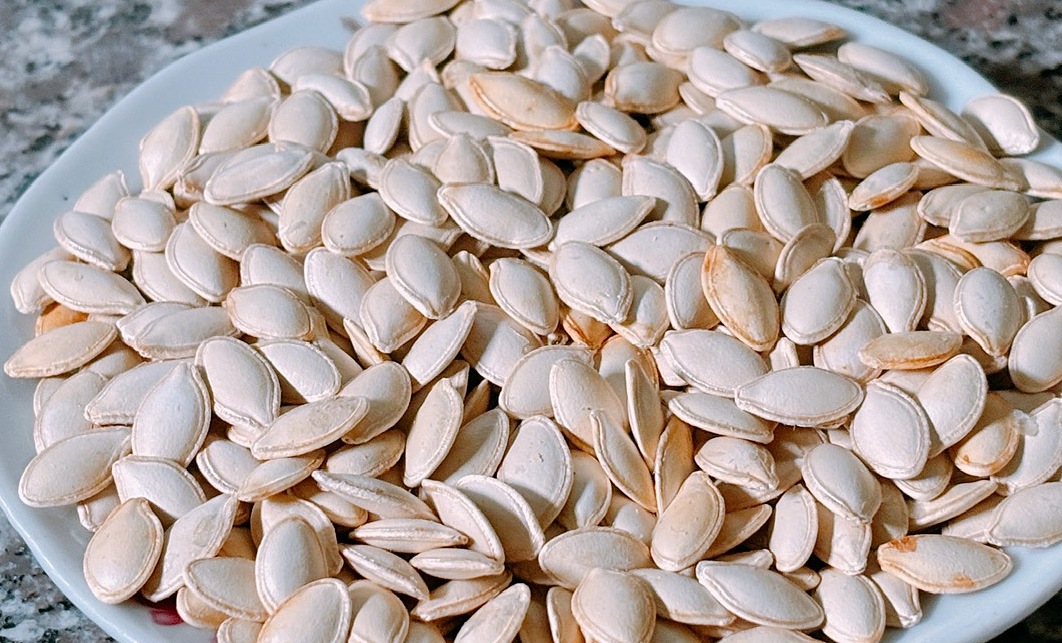 |
Pumpkin seeds are rich in healthy fats. Photo: Bao Bao |
Probiotic-rich foods
Probiotics are beneficial bacteria or yeasts for the intestines. Prebiotics are indigestible fibers that support the growth of gut microorganisms.
According to WebMD, supplementing probiotics in the diet increases the number of beneficial bacteria in the gut of overweight or obese individuals, helping to increase satiety and suppress appetite. Those seeking weight loss should consume plain or low-sugar yogurt, kimchi, homemade sauerkraut, kombucha, fermented soybeans, and miso.
Antioxidant-rich foods
Catechins are a group of polyphenol antioxidants that help inhibit enzymes responsible for breaking down fats and carbohydrates, preventing fat accumulation. These antioxidants also stimulate gut bacteria to produce short-chain fatty acids, positively impacting gut health, suppressing appetite, and boosting metabolism.
Some antioxidant-rich foods include green tea, matcha, dark chocolate, cocoa, and fruits such as apples, blueberries, strawberries, and pears. These foods are rich in flavonoids—a group of plant compounds with antioxidant properties, including catechins, which help reduce inflammation, support metabolic processes, and contribute to maintaining a stable weight.
Anh Chi (Compiled)
| Readers can send questions about endocrine diseases here for a doctor's response |