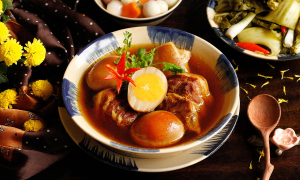
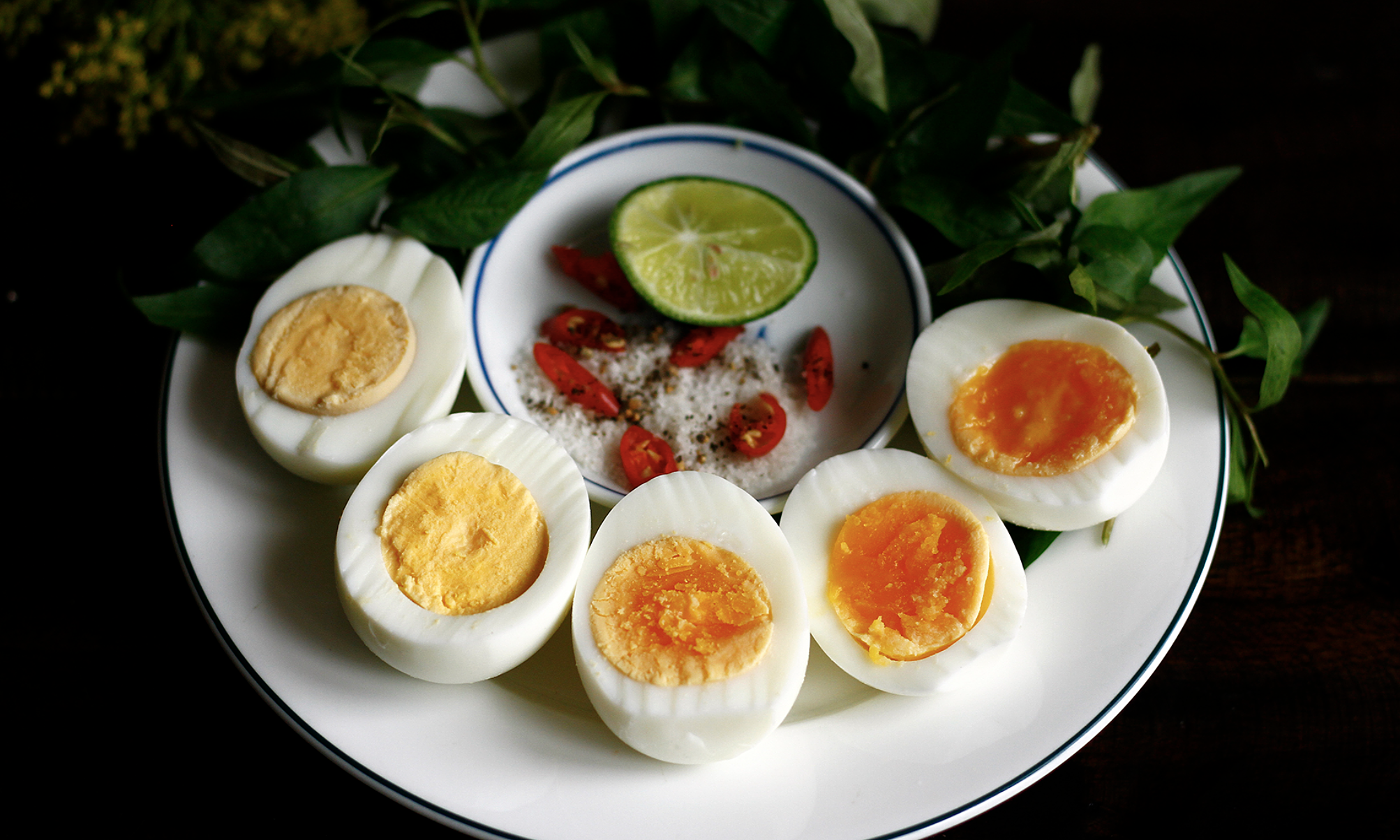
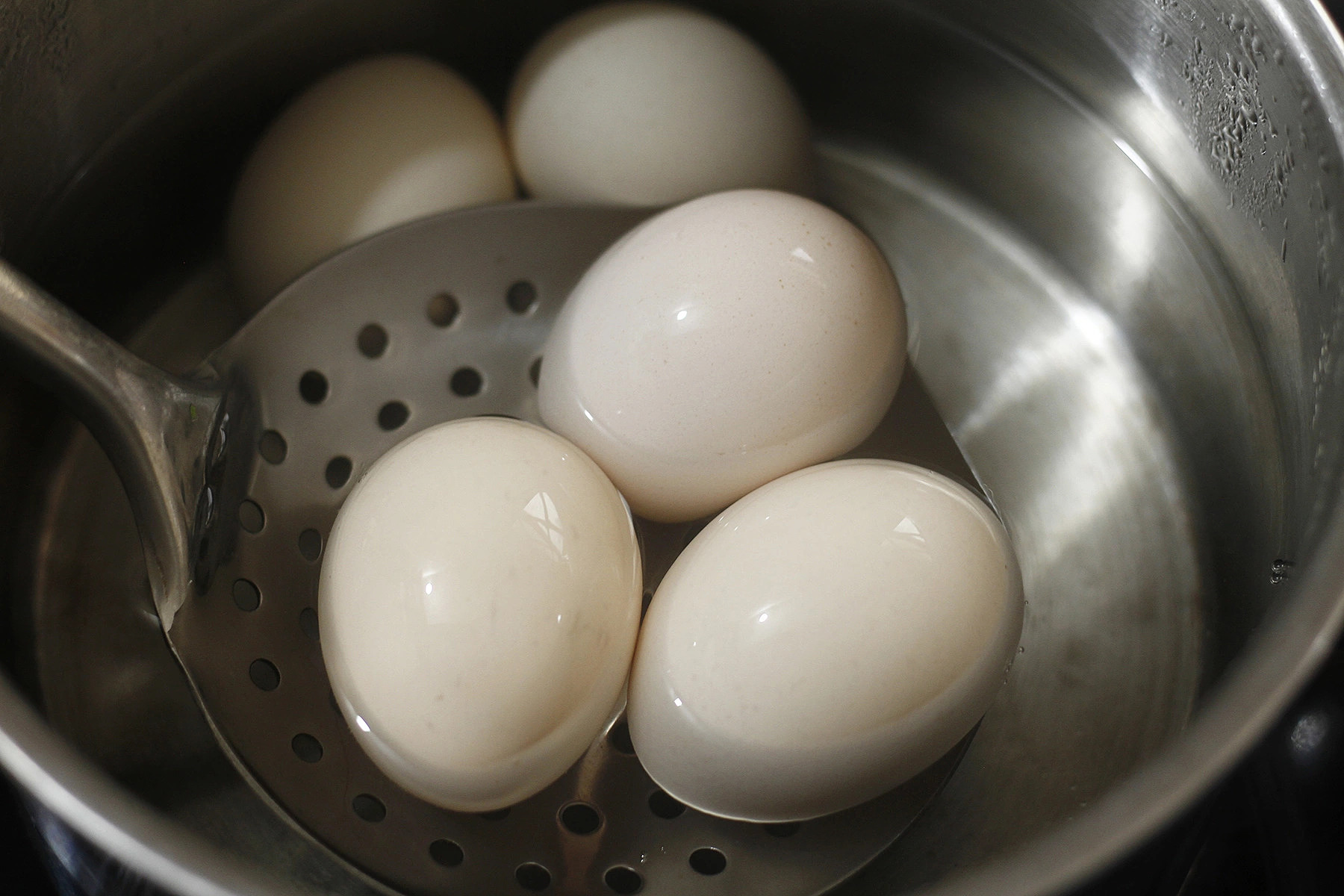
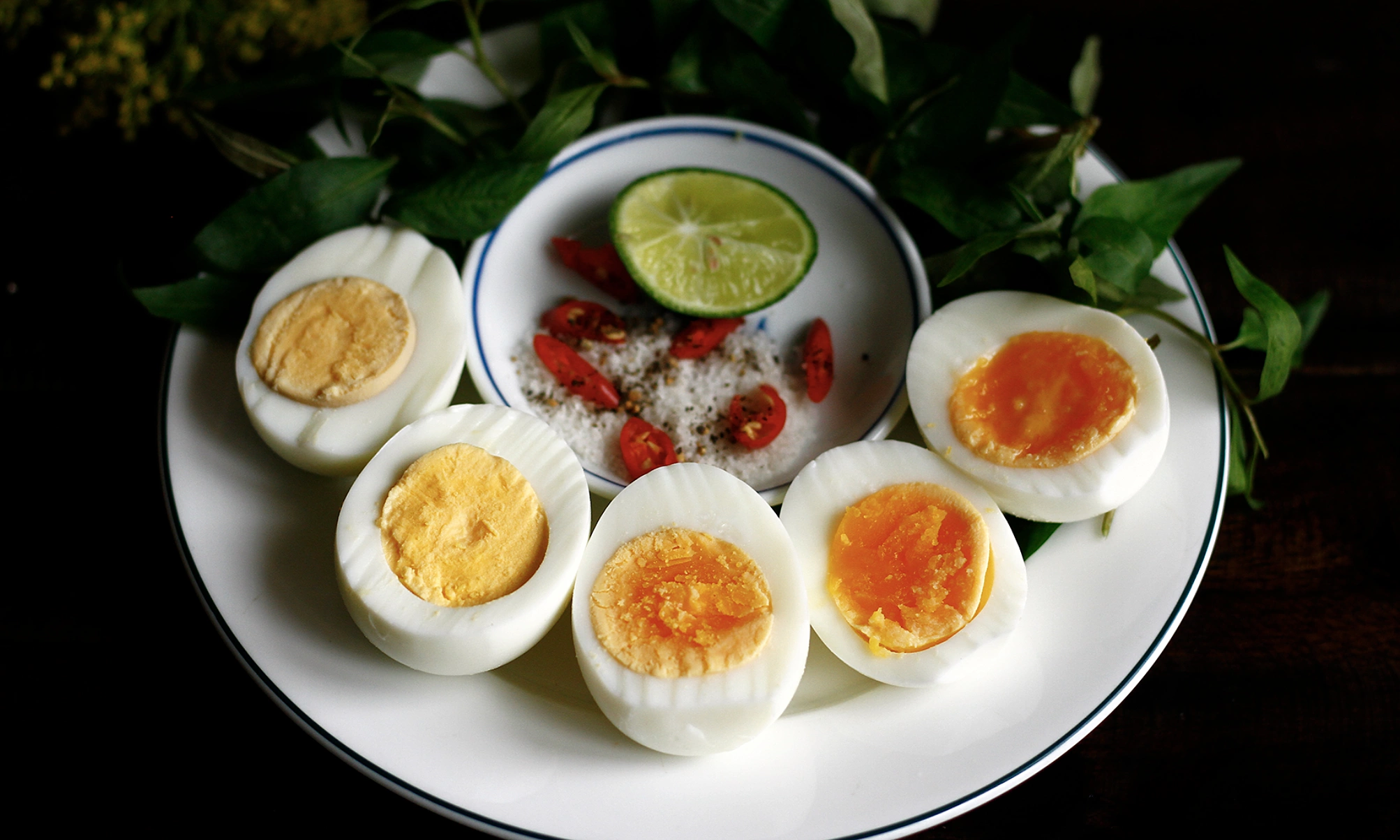
While boiled or steamed eggs are often considered the healthiest options, varying your preparation methods, such as frying, sunny-side up, or braising, and combining them with other foods can create a balanced diet; an egg sandwich with vegetables makes an ideal breakfast.
Many believe that individuals with high blood cholesterol should avoid eggs due to concerns about increased "bad" cholesterol. A reader from Hanoi, Trung (39), asks if he should eat eggs given his high blood cholesterol.
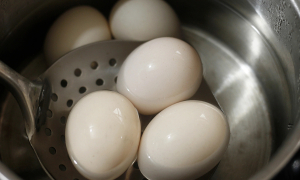
A 37-year-old resident of Hanoi, Hang, asks about the safe storage duration for hard-boiled eggs, as she habitually boils them and keeps them unpeeled in the refrigerator for several days for convenience.
Moderate egg consumption can offer numerous benefits for older adults, pregnant women, and individuals who regularly exercise or engage in demanding intellectual work.
Eating only egg whites, consuming raw or undercooked eggs, overcooking, and pairing with too much processed meat are habits that can diminish the nutritional benefits of this food.