Eggs are a source of high-quality protein, along with numerous vitamins and minerals. However, how they are prepared and consumed can significantly impact their nutritional value.
Only eating egg whites
Many individuals, particularly those who exercise or are trying to lose weight, often discard the yolk due to concerns about cholesterol. However, according to Healthline, this practice can lead to missing out on most of the egg's nutrients.
While egg whites primarily provide protein, the yolk contains most of the vitamins and minerals, including vitamins A, D, E, B12, folate, selenium, and choline—essential nutrients for brain function, the nervous system, and liver health. Yolks are also a source of lutein and zeaxanthin, two antioxidants that protect the eyes and reduce the risk of age-related macular degeneration and cataracts. Experts from Verywell Health advise that most healthy people should consume the entire egg to gain full nutritional benefits. Discarding the yolk should only occur in specific cases under the guidance of a doctor or nutritionist.
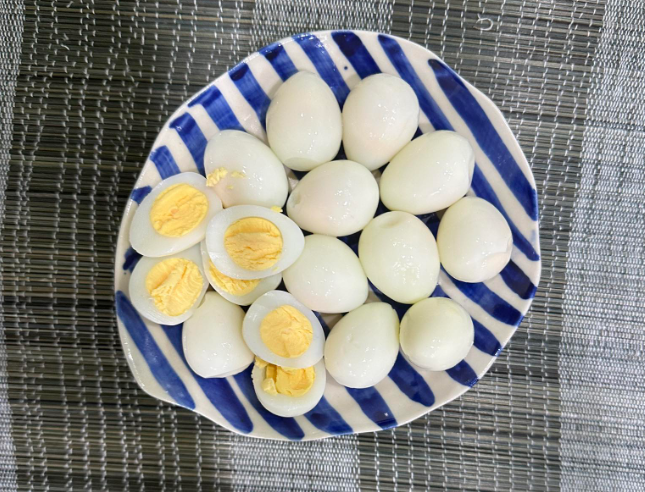 |
Egg whites contain protein, while most vitamins and minerals are concentrated in the yolk. Photo: Anh Chi. |
Eating raw or undercooked eggs
Some people believe that consuming raw eggs preserves nutrients, but this is not entirely accurate. The body absorbs protein from cooked eggs more efficiently than from raw eggs. Raw egg whites contain avidin, a protein that can hinder the absorption of biotin (vitamin B7). When cooked, avidin largely loses its activity, allowing for better biotin absorption.
Another risk is Salmonella bacteria. According to Medical News Today, eating raw or undercooked eggs can increase the risk of food poisoning, especially in young children, pregnant women, the elderly, and individuals with weakened immune systems.
Overcooking or cooking at high temperatures
Cooking eggs at high temperatures for extended periods can reduce some heat-sensitive vitamins. Additionally, some cholesterol in the yolk may oxidize more when eggs are fried or baked at very high temperatures.
While this does not mean avoiding fried egg dishes entirely, experts recommend limiting prolonged cooking or allowing oil to smoke. Methods such as boiling, steaming, poaching, or quick pan-frying with a moderate amount of oil often help retain more nutritional value.
Frequently eating eggs with processed meat
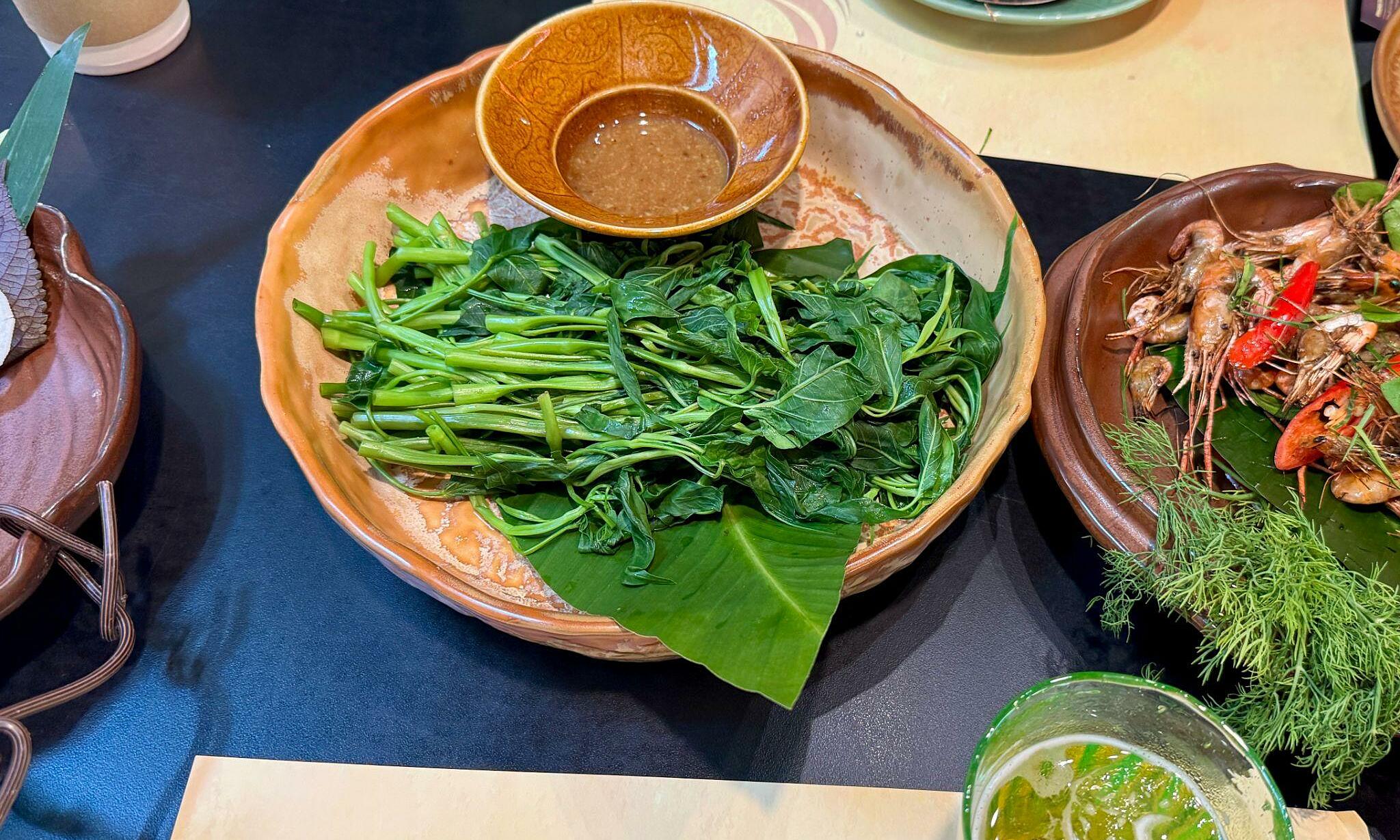
When breakfast frequently includes processed meat, the intake of sodium and saturated fat increases, reducing the overall nutritional quality of the meal. Processed meats often contain high levels of sodium, saturated fats, and preservatives. When regularly combined with eggs, these can diminish the benefits of a protein-rich meal. Instead, experts recommend pairing eggs with green vegetables, mushrooms, tomatoes, avocado, or whole-grain bread to boost fiber and vitamin intake, creating a more balanced meal.
By Bao Bao (Compiled)