 |
Baarle-Hertog/Baarle-Nassau (Belgium - Netherlands)
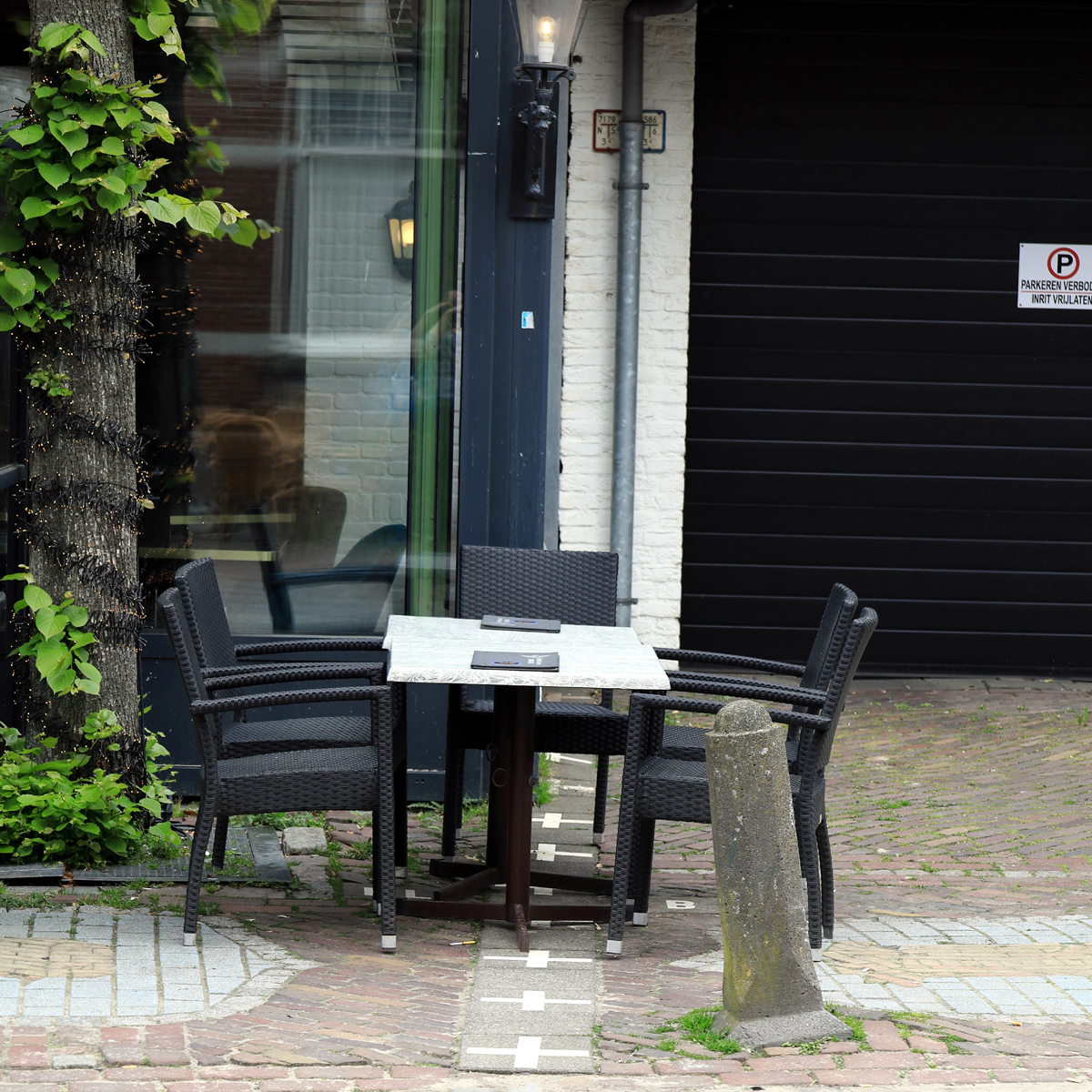
In Baarle-Hertog and Baarle-Nassau, residents are accustomed to the street in front of their homes being in one country, while their backyard lies in the territory of another. Instead of following a straight line, the Belgium-Netherlands border meanders through residential areas like a maze, cutting across streets, gardens, businesses, and private homes. Some residents live in houses where each room is located in a different country.
A photo shows a set of tables and chairs placed across the territory of two countries, divided by a cross-shaped border line. *Straylight Travel*
 |
Valga/Valka (Estonia - Latvia)
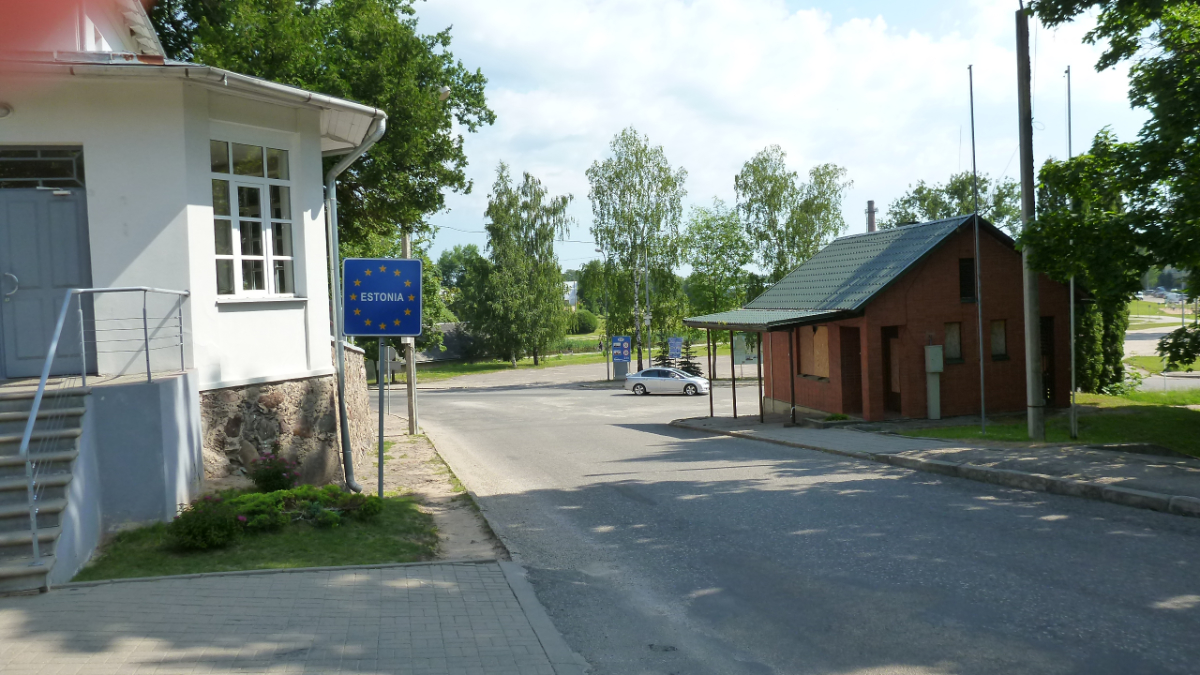
For centuries, this was a single city until it was divided into Valga in Estonia and Valka in Latvia in 1920. Today, visitors find it difficult to clearly notice the border division due to the Schengen Area's travel policy. People easily cross the shared central square, passing the border between the two countries without needing to go through border control checkpoints. *Wiki*
 |
Görlitz/Zgorzelec (Germany - Poland)
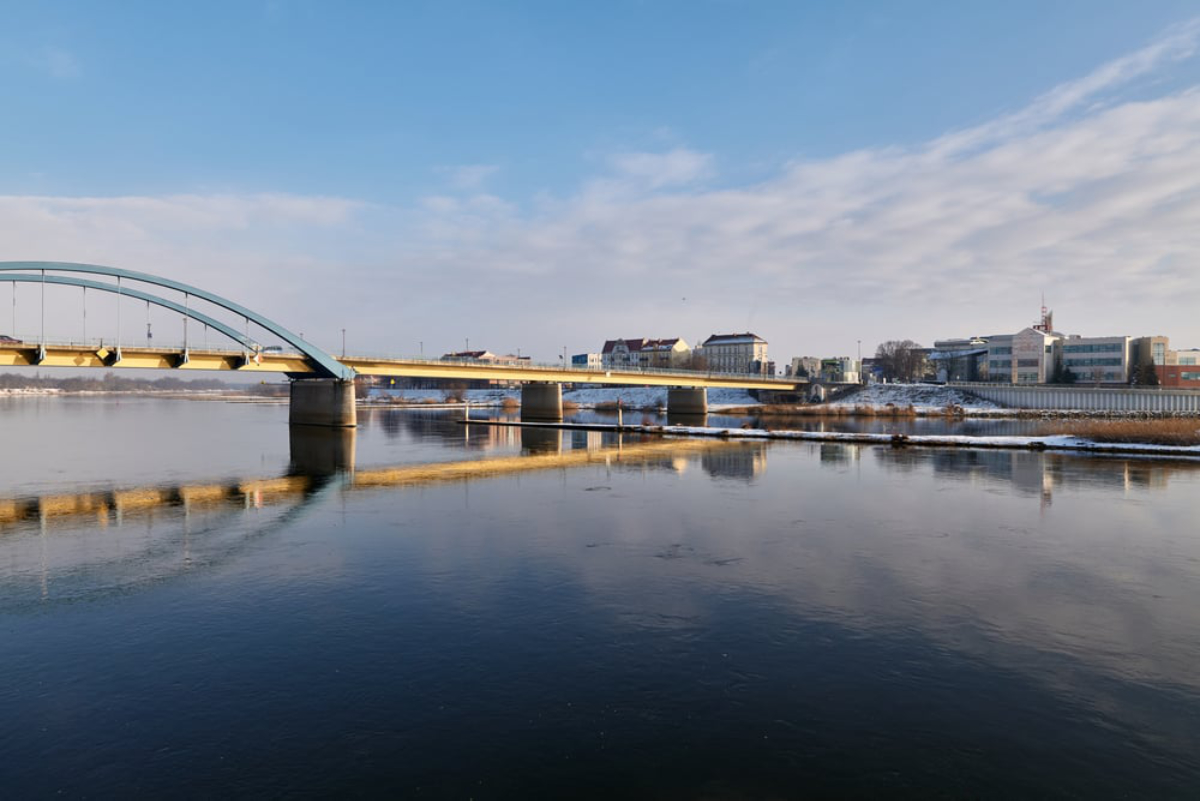
After World War II, the Neisse River (pictured) became part of the new border between Germany and Poland, dividing the two cities of Görlitz and Zgorzelec. Today, authorities from both nations have built bridges connecting the two banks of the river. Standing on one side of a bridge, visitors will see a city on the other side belonging to a different country. *Wiki*
 |
Komarom/Komarno (Hungary-Slovakia)
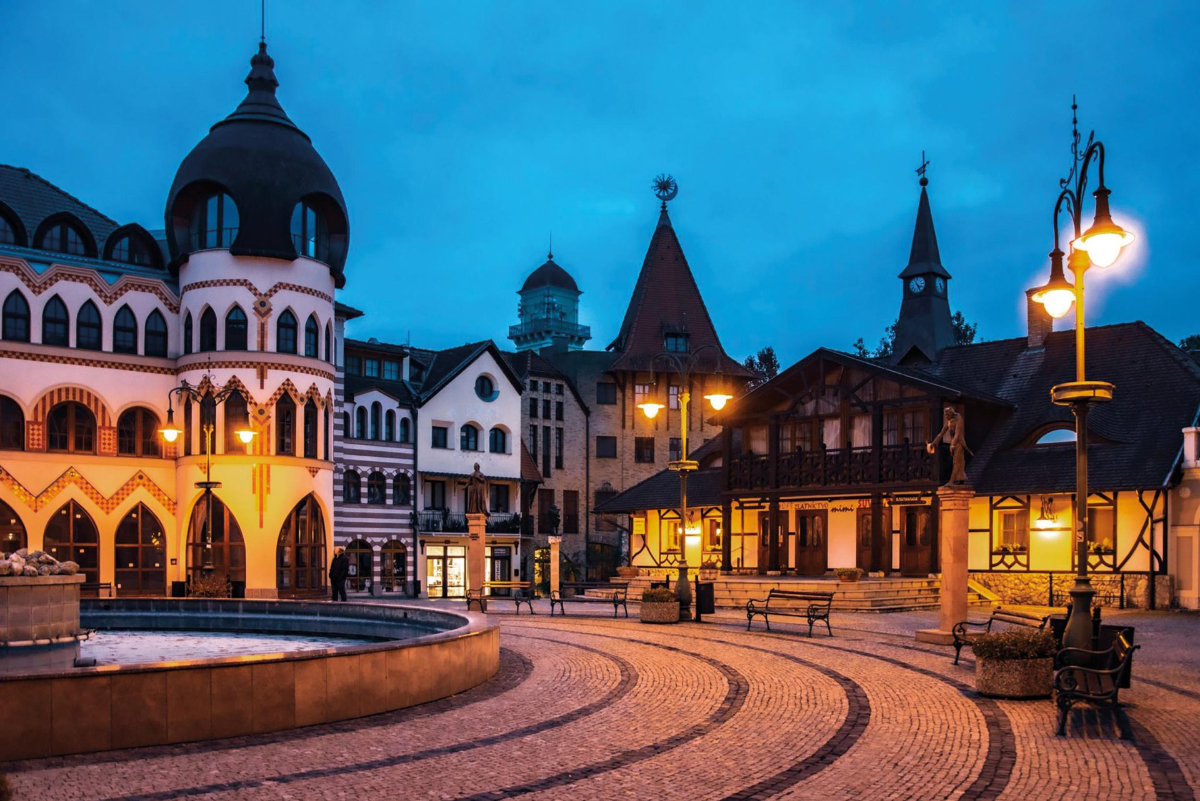
The two municipalities of Komarom (pictured), Hungary, and Komarno, Slovakia, were once a single city before the dissolution of the Austro-Hungarian Empire. Today, the architecture, cultural traditions, and names of both cities remind visitors of their shared history. *Strasse der kaiser und koenige*
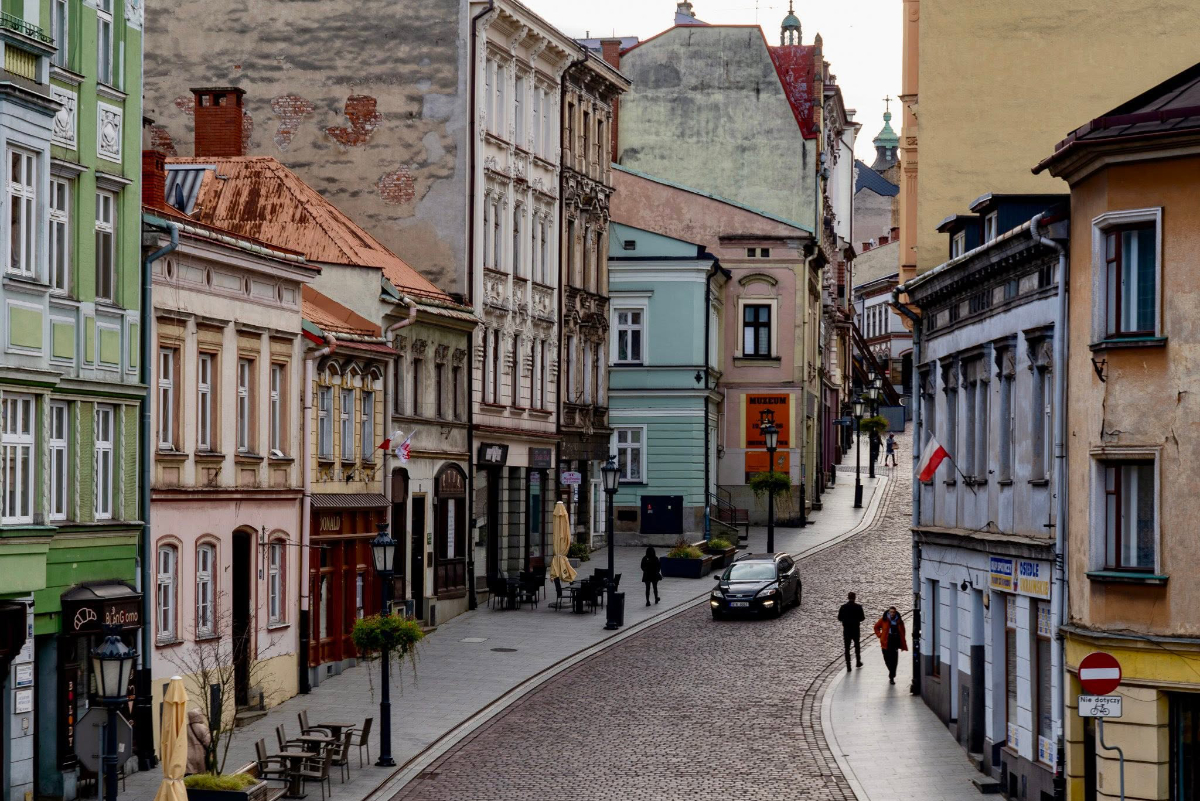 |
Cieszyn/Česky Těšin (Poland - Czech Republic)
In 1920, the town of Teschen was divided between two countries. The Olza River became the border between Poland and the territory then belonging to Czechoslovakia (now the Czech Republic). Pictured is the city of Cieszyn in Poland. *Buildings Tell Tales*
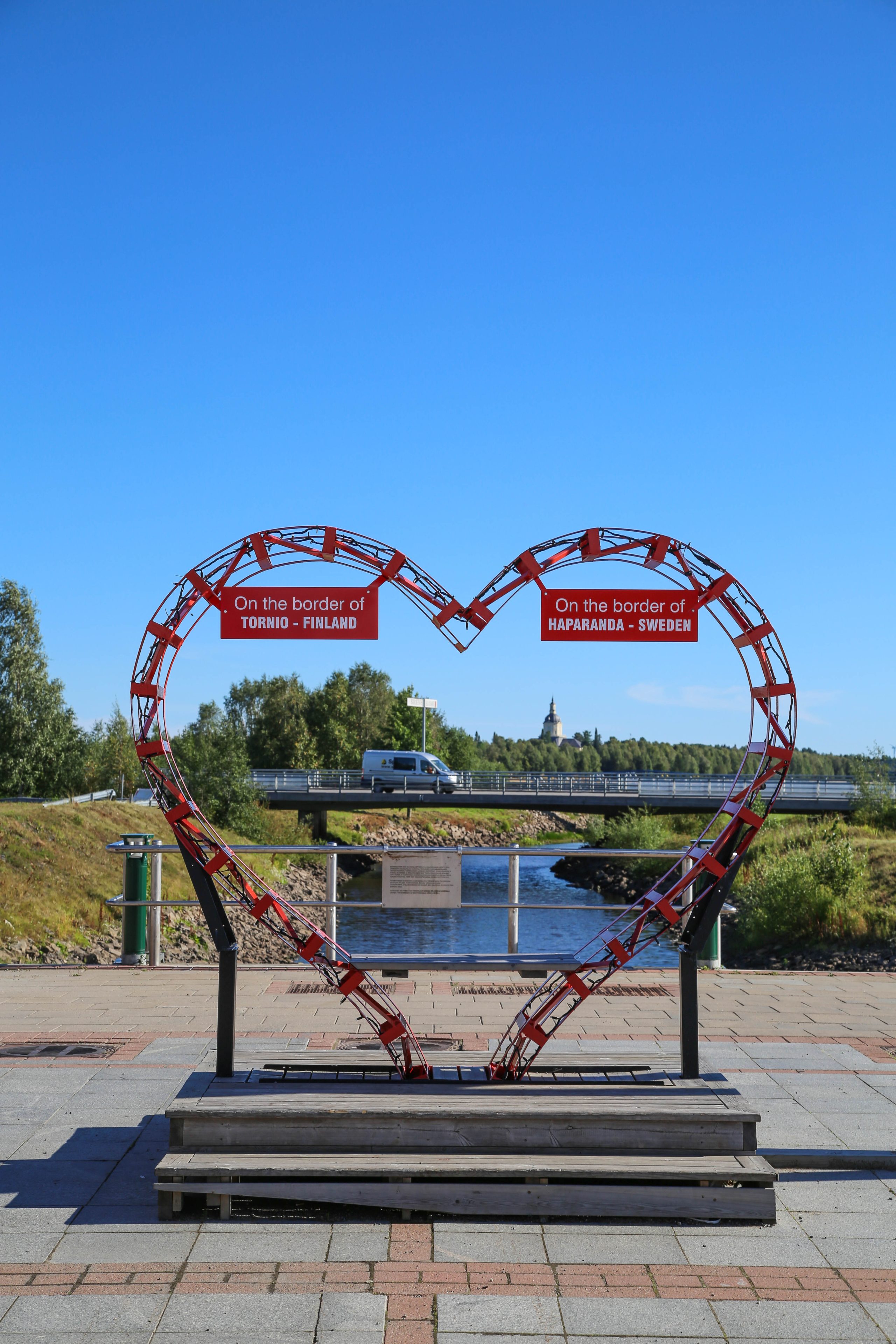 |
Haparanda /Tornio (Sweden - Finland)
Haparanda and Tornio are two adjacent cities belonging to two countries, using different languages, currencies, and time zones. Visitors can cross into the other country by walking from one city to the other. *Haparanda Tornio*
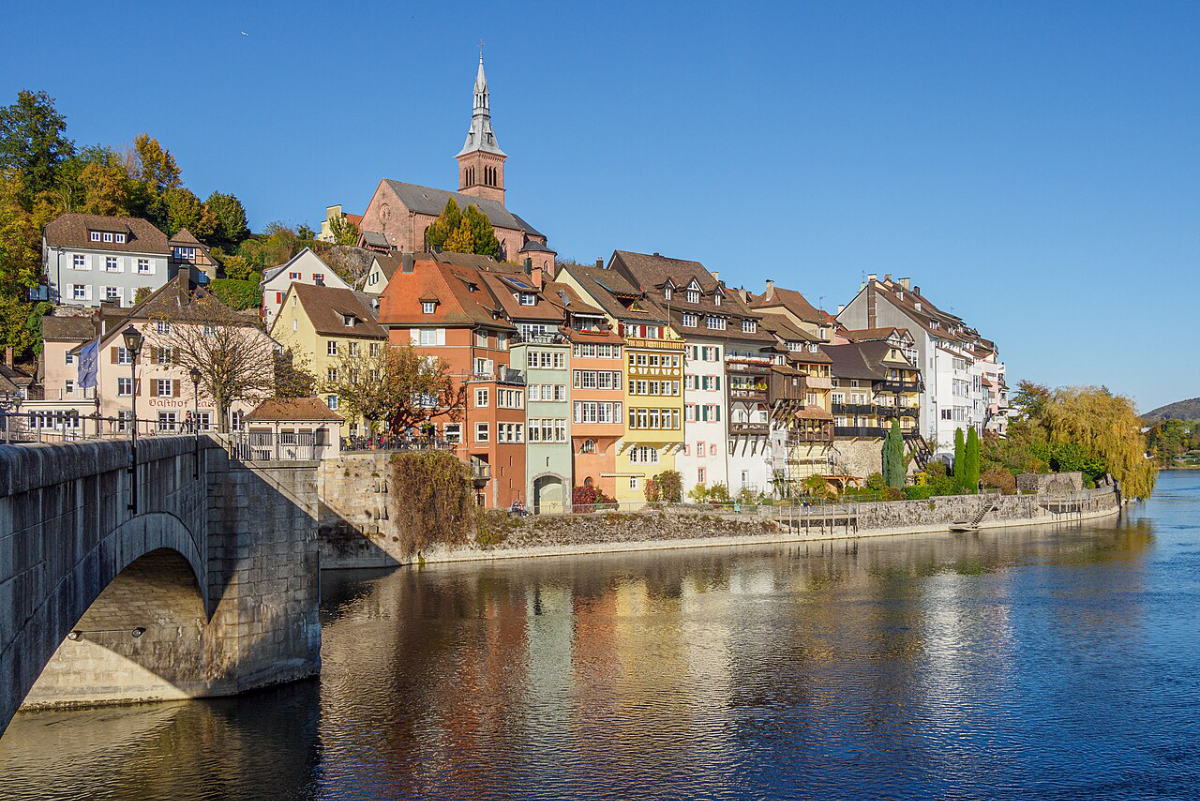 |
Laufenburg (Germany - Switzerland)
Laufenburg resembles a riverside town with cobblestone streets, colorful buildings, and centuries of shared history. However, the Rhine River divides it into two municipalities: one in Germany and one in Switzerland. Both sides retain the name Laufenburg. Pictured is the German town of Laufenburg viewed from the Swiss side. *Wiki*
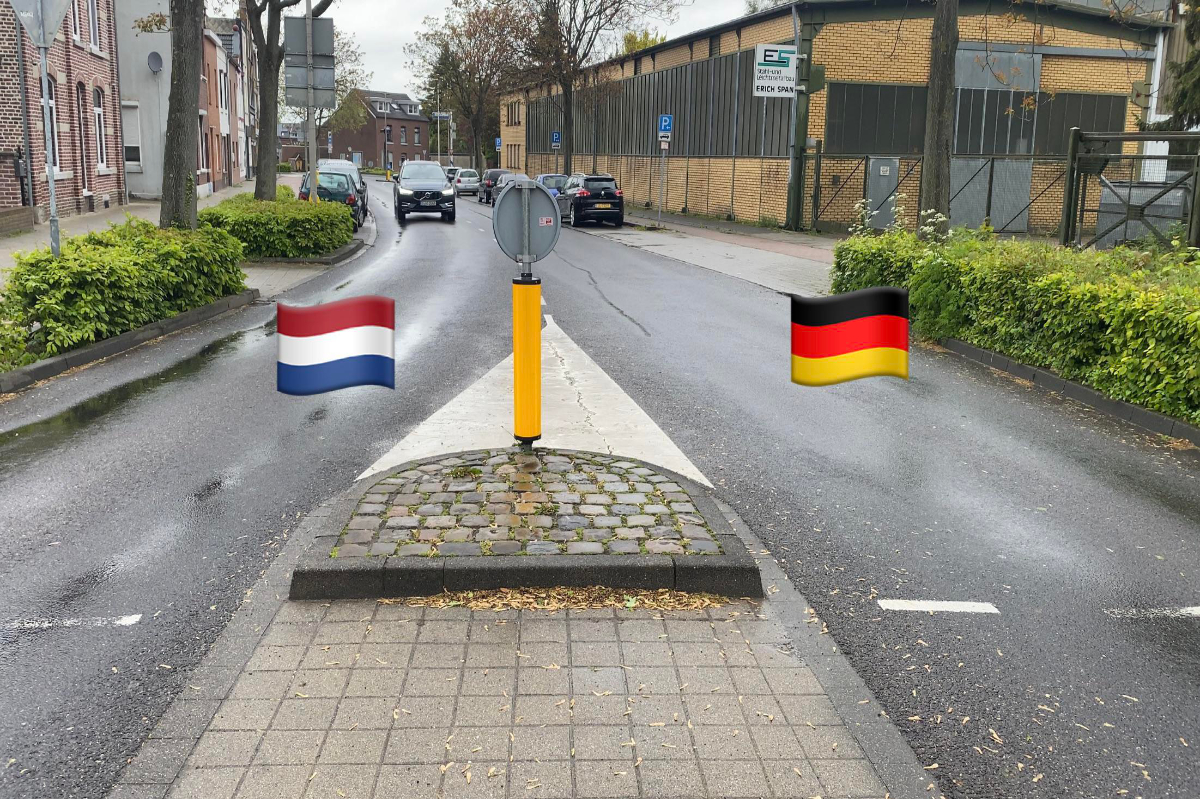 |
Kerkrade-Herzogenrath (Netherlands - Germany)
Despite belonging to two countries, the cities of Kerkrade and Herzogenrath form a closely linked community. Daily, residents from both sides frequently cross back and forth to live, shop, and work.
A photo shows the left side belonging to the Netherlands, and the right side of the road belonging to Germany. *Reddit*
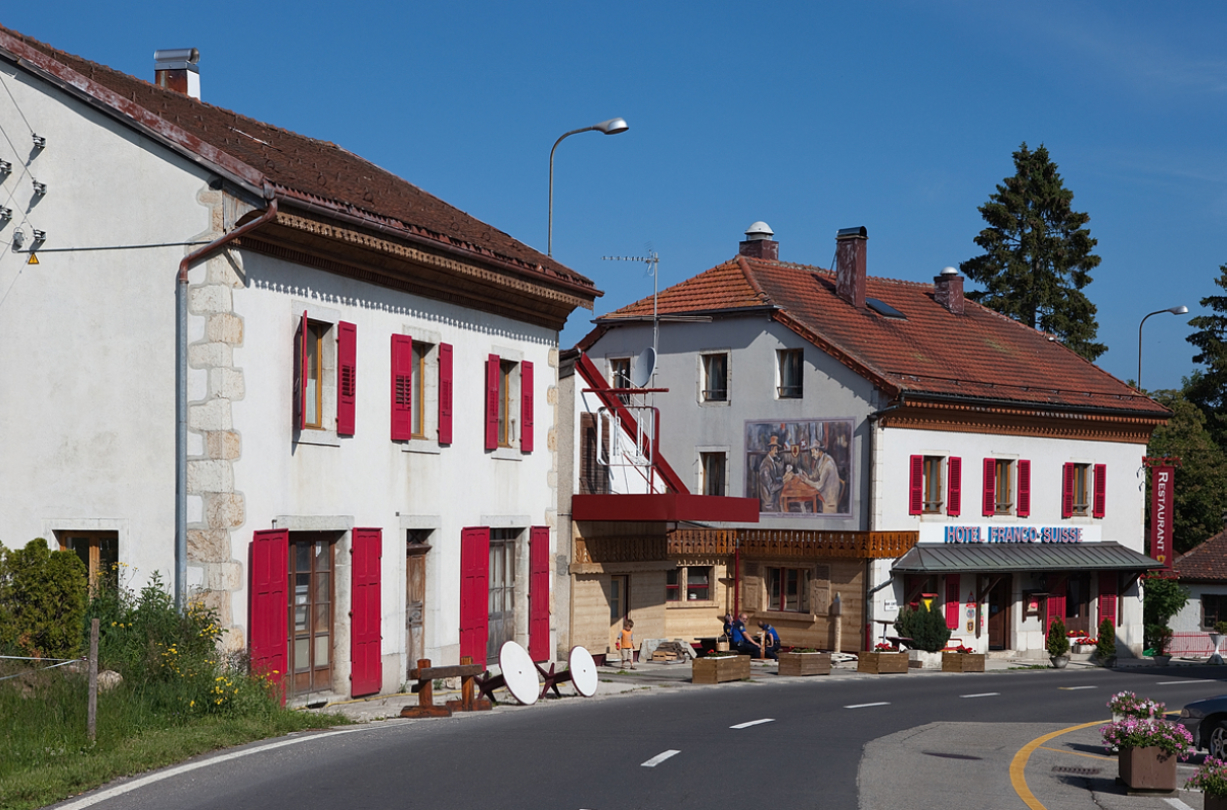 |
Hotel Arbez Franco - Suisse (France - Switzerland)
At Hotel Arbez, visitors can sleep in two countries on the same night because the hotel was built on land belonging to both France and Switzerland. The international border runs through the building, corridors, dining area, and some rooms. This unique feature makes the hotel a popular destination in Europe. *Wiki*
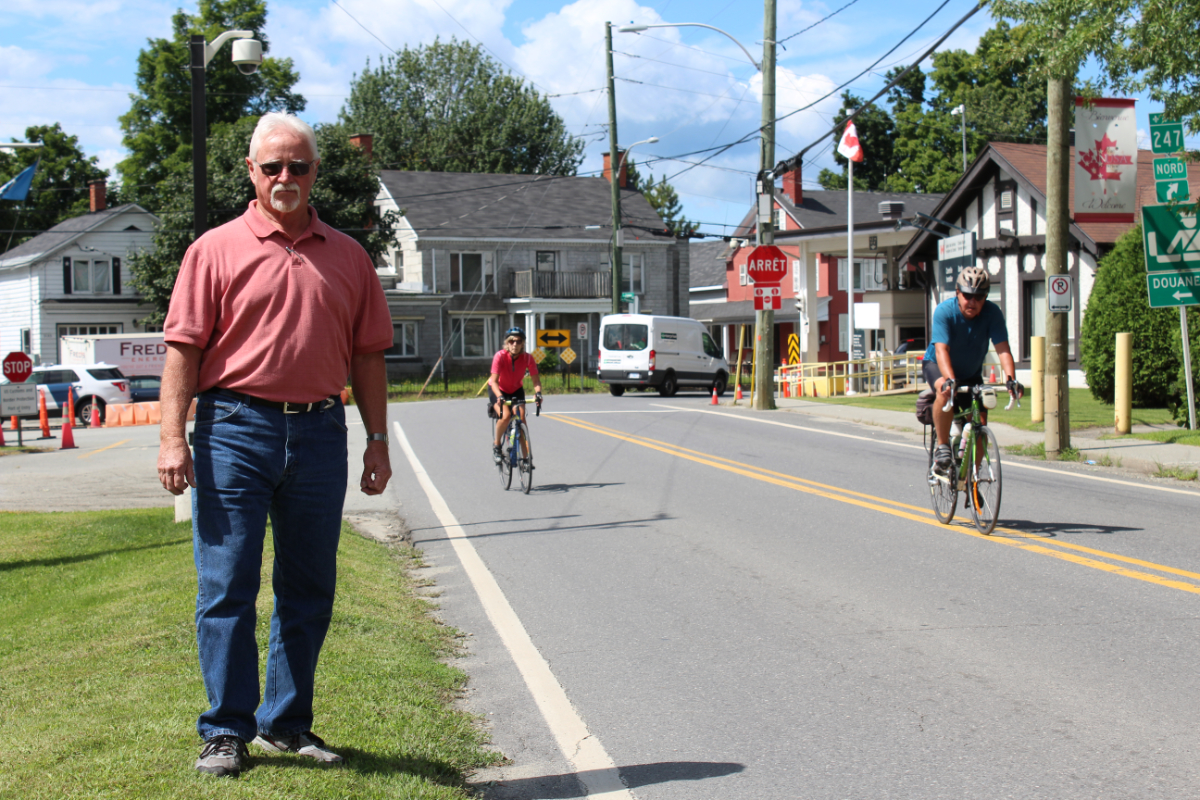 |
Beede Palin (US - Canada)
Canusa Street in the town of Beede Palin is the US-Canada border, located between Vermont (US) and Quebec (Canada). This means neighbors living across from each other are governed by different authorities. The name Canusa is a combination of Canada and USA, reflecting the street's unique location. A photo shows a resident standing on the US side in Canusa. *Vtdigger*
Anh Minh (According to AOL)