Li, a visitor in her 20s from southwest China, is anxious about her 10-year US visa interview. She plans to visit the US in 2027 and return two years later during pregnancy so her child can gain US citizenship. Li's plan is now at risk after President Donald Trump signed an executive order on 6/8 to end "birth tourism" and tighten scrutiny of foreign nationals entering the country with the purpose of giving birth.
Sisi, a landlord in Los Angeles, stated that four pregnant Chinese tenants were denied entry in the second week of August. She noted that these individuals had applied for and received their visas while already pregnant.
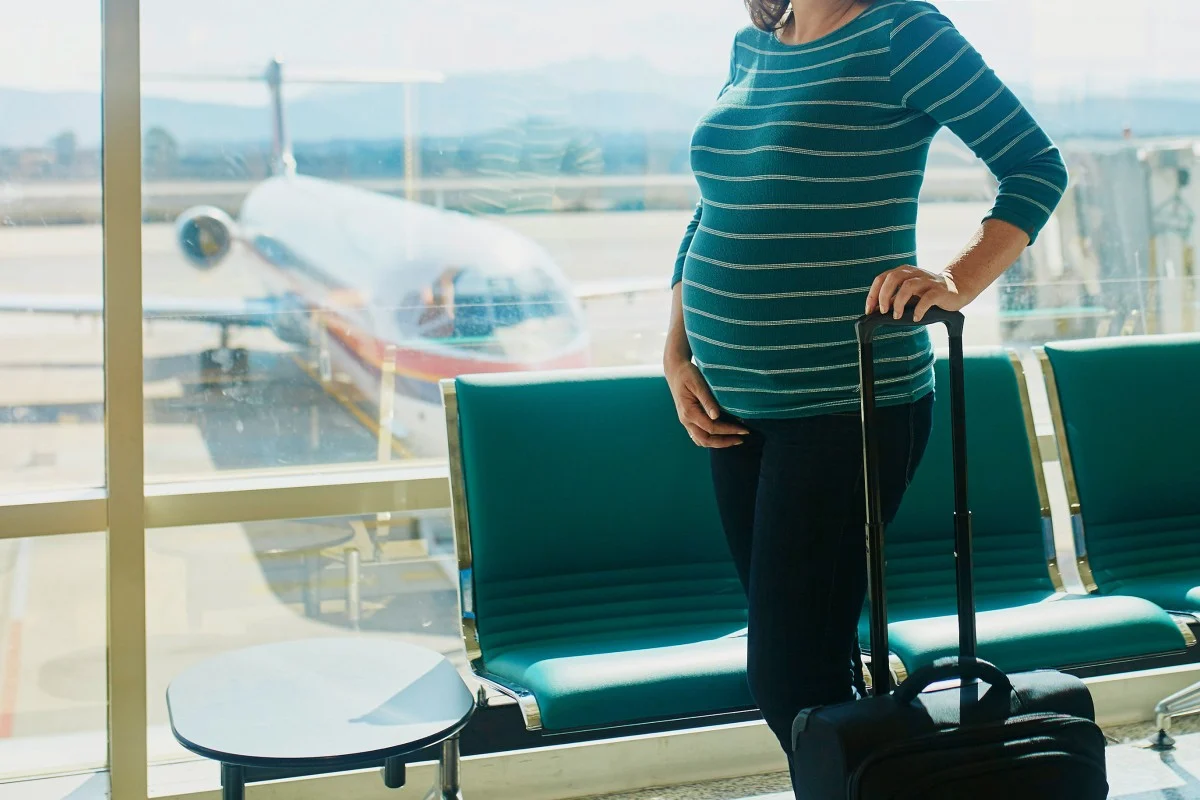 |
Illustrative image of women choosing to give birth in the US for their children to obtain citizenship. Photo: SCMP
The US Department of State announced on 13/8 that its Birth Tourism Deterrence Task Force had revoked over 600 foreign visas worldwide. While giving birth in the US is not illegal, using a tourist visa primarily for that purpose is prohibited. Consequently, many individuals, like Li, must apply for visas and plan years in advance.
A woman from Jiangsu province stated that her tourist visa extension application was denied shortly before the executive order's issuance. She had previously traveled to the US to give birth to her first child in 2024 and intended to do the same for her second.
According to her, such a trip can cost at least 300,000 yuan (nearly 45,000 USD), covering airfare, medical care, accommodation, and living expenses. She believes that most Chinese families engaging in birth tourism are affluent and consider this an investment in their children's future.
Li also stated that US citizenship would provide her child with more options for international schools and studying abroad, bypassing the intense competition of Chinese university entrance exams. She has prepared 800,000 yuan (nearly 120,000 USD) for her planned trips to the US.
There is no official data specifically for "birth tourism". However, the US Centers for Disease Control and Prevention (CDC) recorded approximately 9,500 births in 2024 to foreign mothers residing outside the US, representing 0,26% of the nation's total births.
Liang Yan, an economics professor at Willamette University, suggests that Chinese families may still find ways for their children to obtain US citizenship despite increasingly strict regulations. Affluent families might explore other options, such as commercial surrogacy, although this practice is also subject to restrictions by the Trump administration.
In a separate executive order, Trump sought to prevent automatic citizenship for children born in the US in certain cases where neither parent is a citizen. Liang believes this policy will face legal challenges. In June, the US Supreme Court rejected a previous Trump administration attempt to broadly end birthright citizenship, which is protected by the 14th Amendment of the US Constitution.
Faced with unpredictable policy changes, the woman from Jiangsu is now considering Hong Kong as an alternative to the US.
"Even if I manage to get a visa, it's highly probable I will no longer go to the US to give birth", she said.
By Anh Minh (Source: SCMP)