 |
As Hanoi transitions to cooler, windy weather, food stalls selling pho, porridge, vermicelli, and snails become bustling. VnExpress suggests several typical Hanoi dishes ideal for colder days. These dishes are served hot, warming the body and enhancing the culinary experience.
Pho
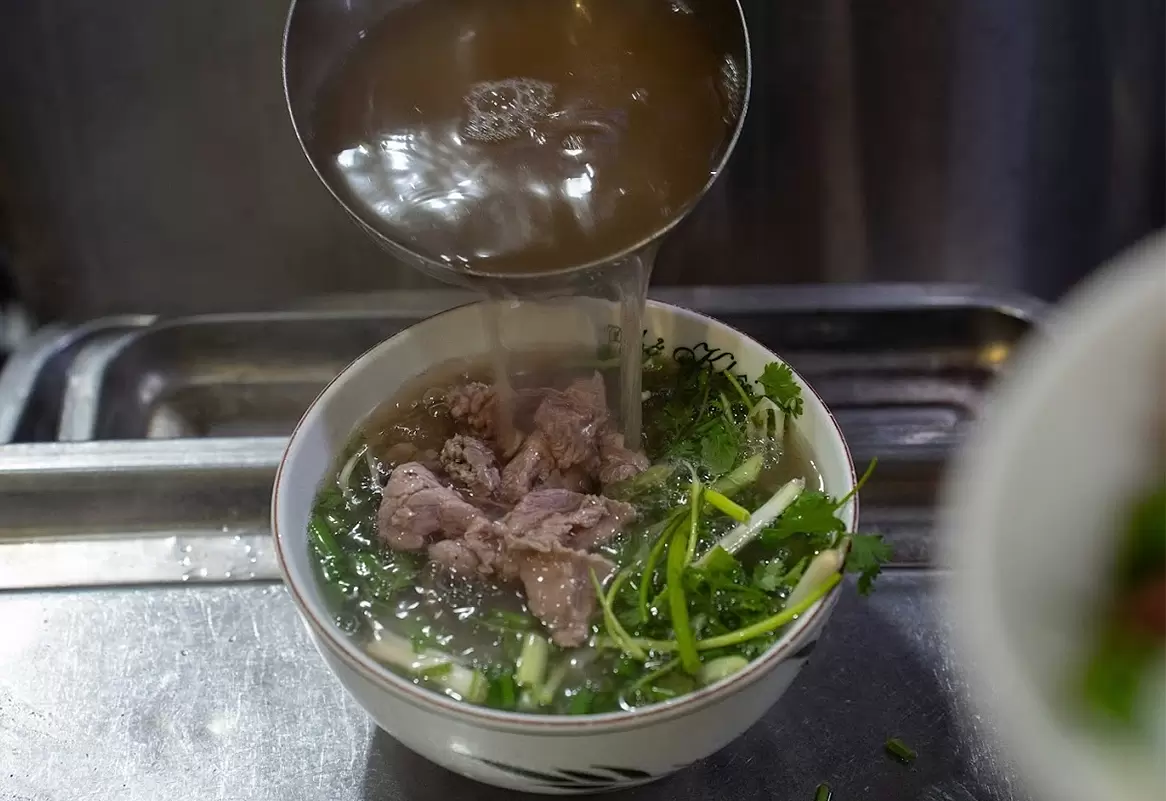
Pho is suitable for any time or weather. For many, the cold season begins with monsoon winds and the comforting experience of holding a bowl of pho, savoring each spoonful of broth. A delicious bowl of pho features a clear, hot, and rich broth, simmered from beef bones with cinnamon, star anise, black cardamom, ginger, and grilled onions. It includes soft pho noodles, thinly sliced beef, fresh scallions, herbs, and seasonings like lime and chili. *Photo: Hoang Giang*
 |
Banh troi Tau
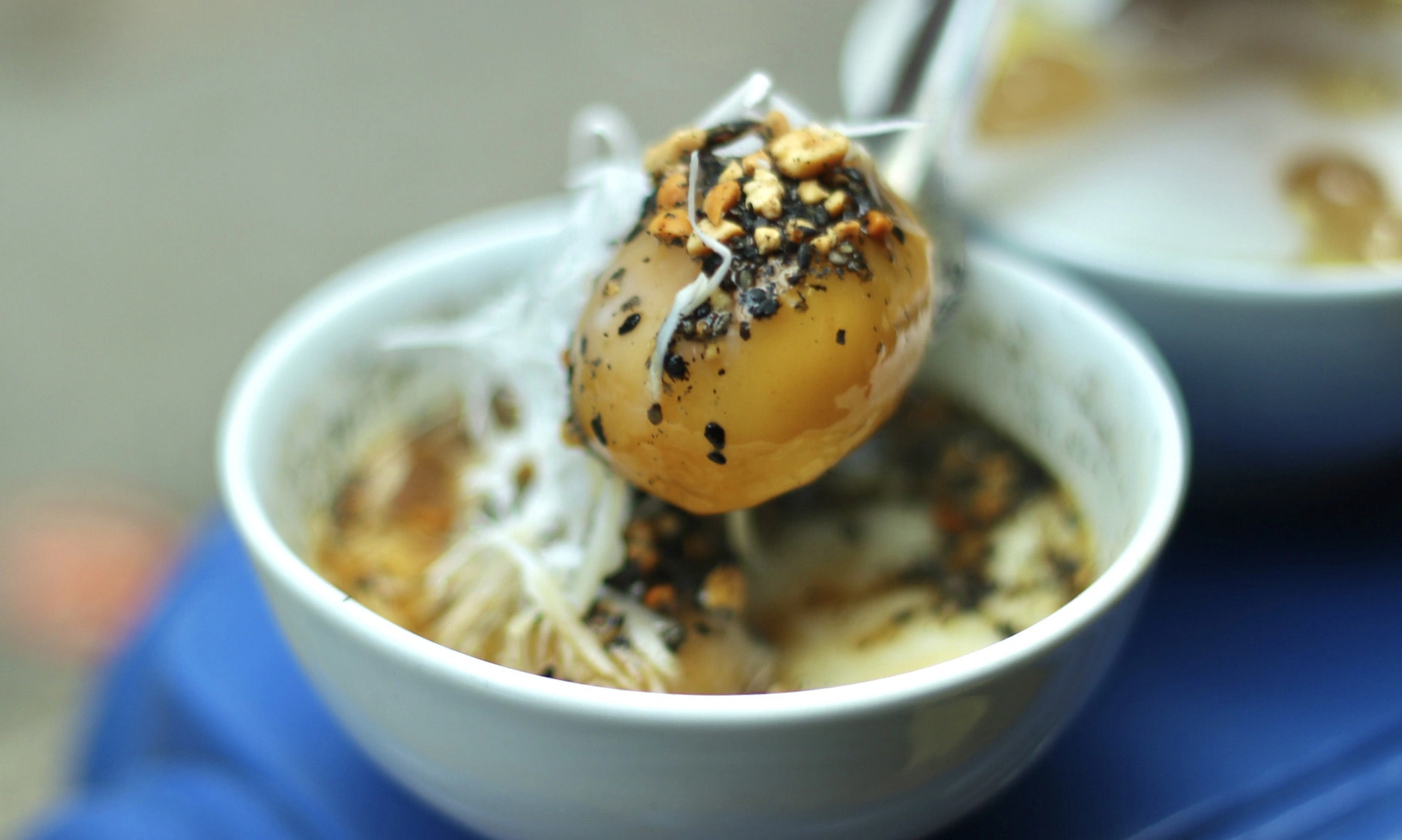
Banh troi Tau is a popular late afternoon or evening snack. These soft, round glutinous rice cakes, filled with black sesame or mung bean, are served in hot ginger syrup, topped with roasted peanuts and shredded coconut. The dish, though simple, offers a distinct combination of sweet, rich, and warming spicy ginger flavors. Diners should enjoy both the cakes and the syrup to appreciate the contrast between the chewy glutinous rice shell, the rich filling, and the hot syrup. *Photo: Quynh Mai*
Banh duc nong
Banh duc nong is primarily made from rice flour, cooked until thick and smooth. The filling consists of finely minced meat and wood ear mushrooms. When serving, vendors scoop the banh, add the filling, pour hot bone broth, and sprinkle with fried shallots and scallions. Each serving typically costs from 25,000 VND. *Photo: Xuan Phuong*
 |
Hot snails
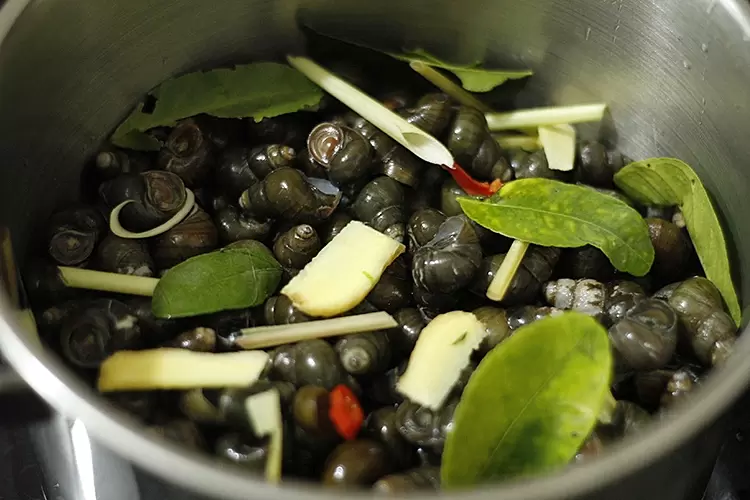
Hanoi residents enjoy hot snails, mainly apple snails and common periwinkles, during cold weather. This dish requires few ingredients: cleaned snails are boiled with lemongrass, kaffir lime leaves, or a touch of ginger to enhance their aroma. Cooked just right, the snails retain their crispness, sweetness, and natural meaty flavor. The most appealing aspect is the dipping sauce, a blend of fish sauce, sugar, lime or kumquat, fresh ginger, lemongrass, chili, and finely chopped kaffir lime leaves, creating a sour, spicy, and salty taste. *Photo: Bui Thuy*
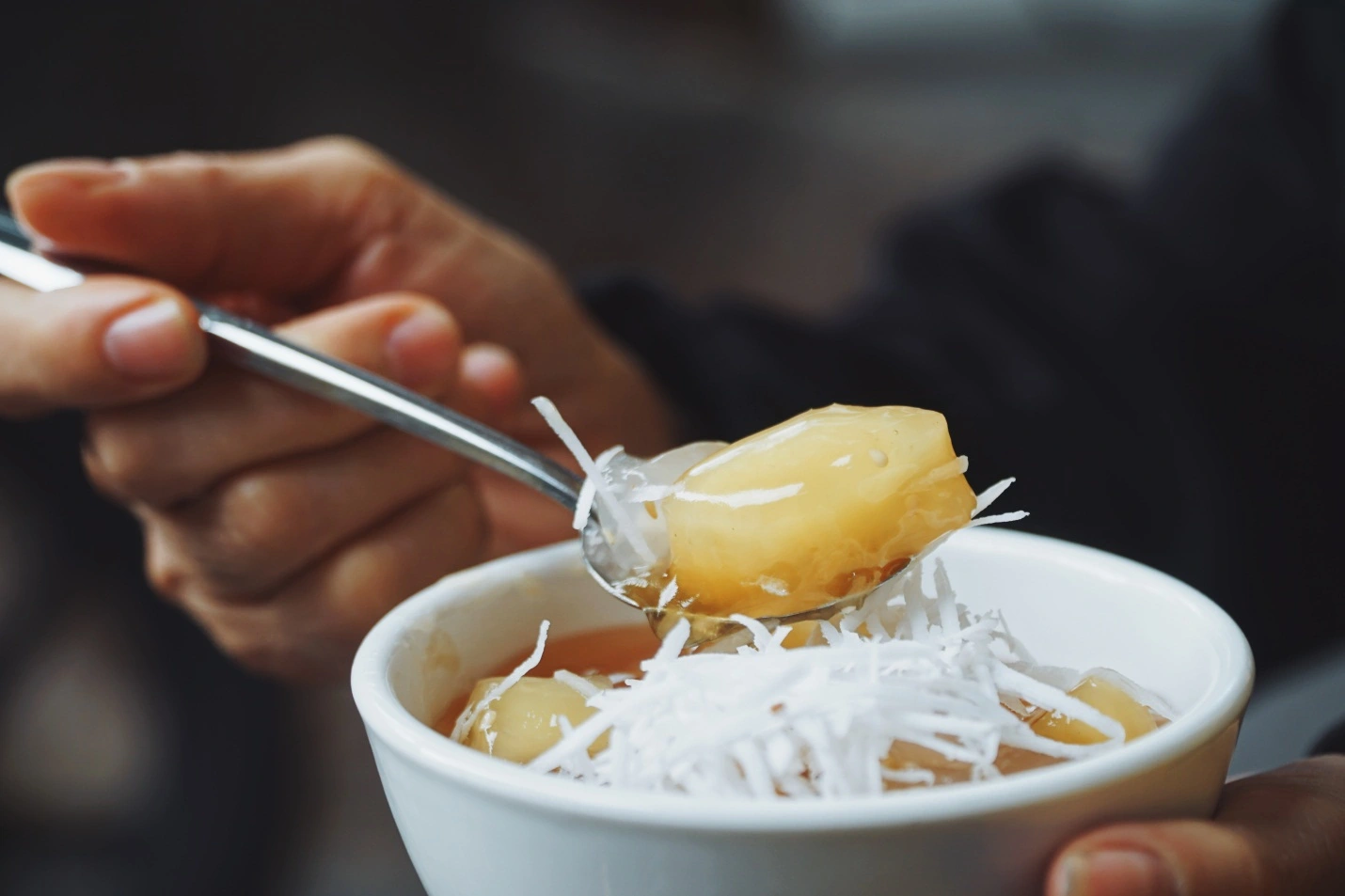 |
Hot cassava sweet soup
This dish typically appears only during the cold season. Hot cassava sweet soup offers an earthy flavor, the aroma of ginger and palm sugar, and a thick, amber-colored liquid. Vendors usually select firm, plump cassava roots, clean them, and cut them into matchbox-sized cubes. They then boil water with palm sugar and tapioca starch. Once boiling, the cassava is added and simmered over low heat until cooked, with a few strands of fresh ginger added at the end. *Photo: Ngoc Linh*
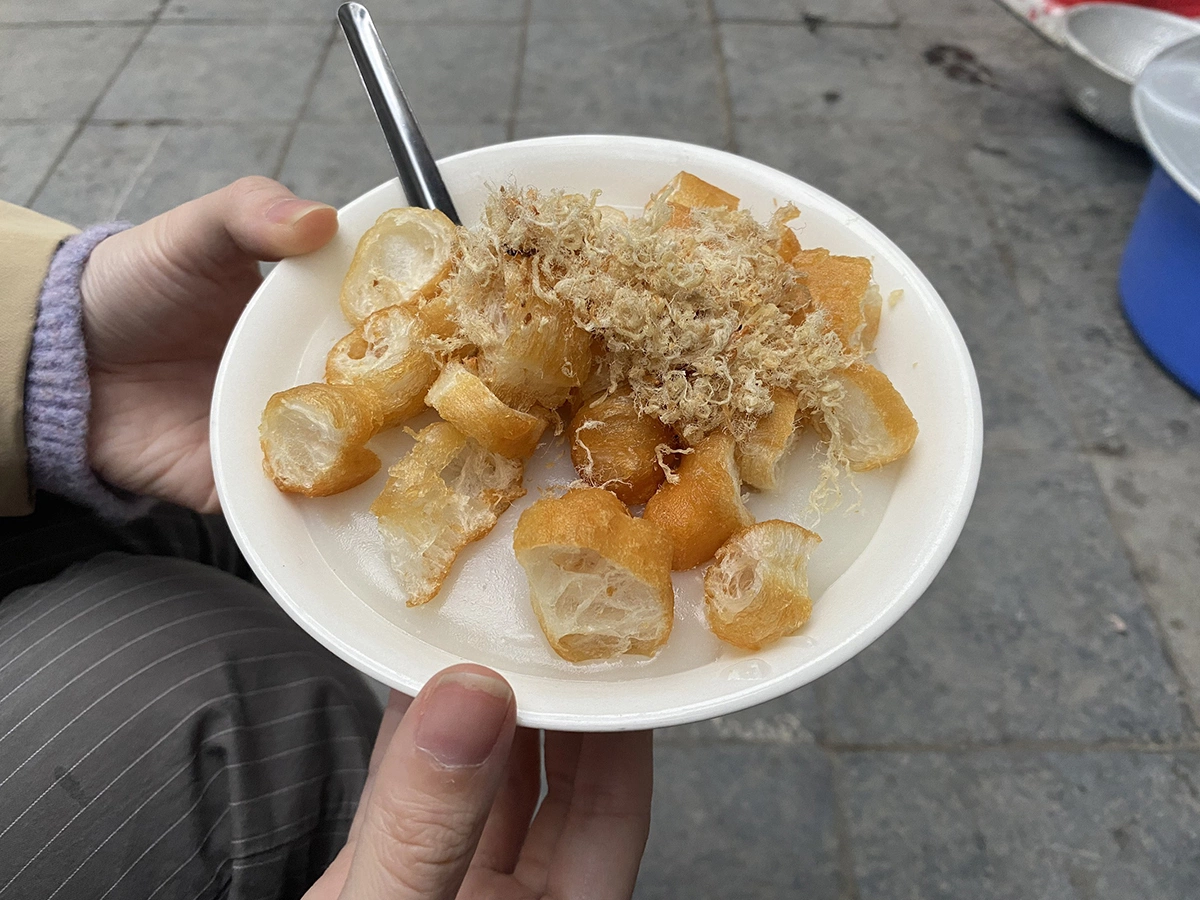 |
Rib cartilage porridge
Monsoon days are also ideal for enjoying rib porridge. This simple dish appeals to diners of all ages. Its distinct features include a clear porridge, tender ribs with easily detachable meat, and a subtly sweet meat flavor. Many Hanoians enjoy their porridge with fried dough sticks, and some add pepper or chili powder according to their taste. *Photo: Khanh Ly*
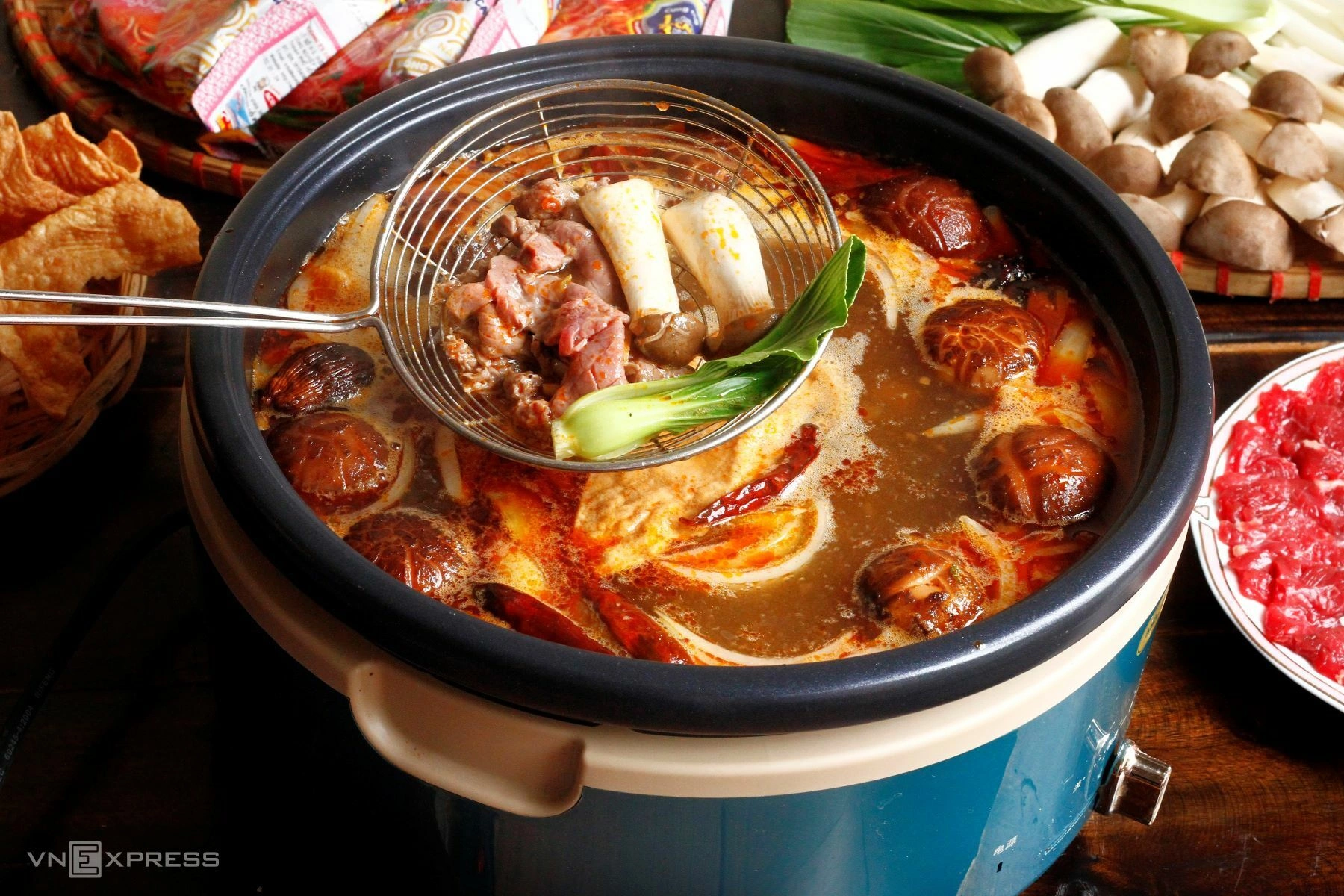 |
Hotpots
Hanoi offers a diverse range of hotpots, including crab paste hotpot, chicken hotpot, beef hotpot, and seafood hotpot. During the initial cold days, hotpot restaurants tend to be more crowded. Hotpot is ideal for extended gatherings, allowing diners to eat and converse, especially in chilly weather. The constantly simmering broth in the center of the table creates a warm and inviting atmosphere, particularly for celebrations and get-togethers. *Photo: Bui Thuy*
Tam Anh