Travel guides often suggest certain must-try dishes, but this advice does not apply to Italy, according to Elizabeth Heath, a Travel+Leisure editor living in Italy. With 20 regions, hundreds of languages, and at least 350 different types of pasta, Italy's culinary culture is not monolithic.
Some dishes are only good in specific locations. For example, Heath suggests not ordering pesto (a sauce made from basil, olive oil, pine nuts, garlic, and cheese) in Puglia or handmade orecchiette (a type of pasta) in Liguria. Meanwhile, spaghetti con vongole (spaghetti with clams) is a worthwhile choice in Venice, but pizza is something to skip there.
Regional Italian cuisine developed from local produce. In Genova, a city in the coastal Liguria region, for instance, the favorable climate allows basil to thrive, making it the main ingredient for the famous pesto sauce. In the southern region of Puglia, durum wheat and turnip greens – local products – are combined to create the traditional orecchiette pasta.
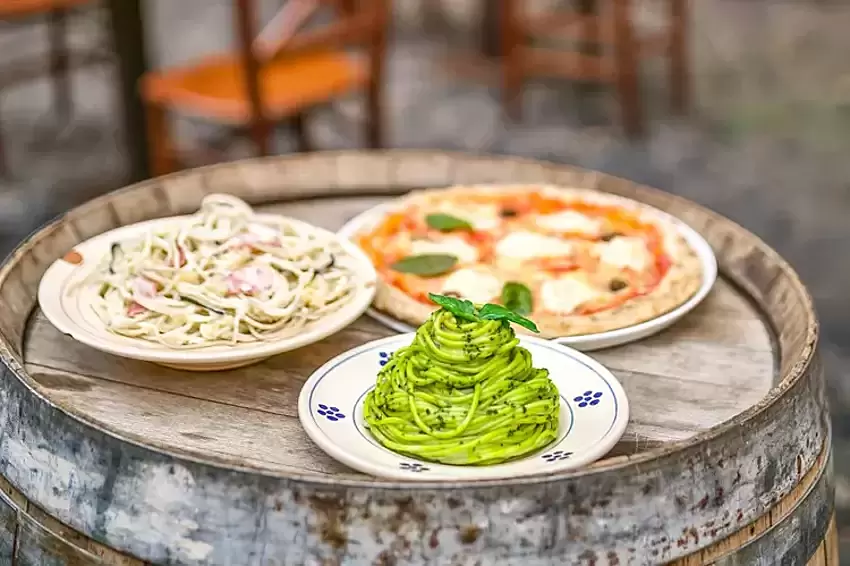 |
Each dish in Italy is best enjoyed depending on the local area. Photo: T+L
Umbria is known for wild boar pasta and seasonal dishes made with truffle. However, just one hour south of Umbria, the capital Rome is popular for carbonara pasta and fried artichokes – a specialty of the local Jewish community.
According to Heath, the best way to find a "must-eat" dish in each region is to research local specialties before your trip, being careful to avoid copied articles. Local tourism websites and hotels can offer suggestions for cuisine and entertainment spots. Travelers can also ask taxi drivers, tour guides, or hotel staff.
"If you visit many places in Italy, always keep an open mind and an adventurous palate, ready to try new dishes and flavors," she said, noting that Italian cuisine offers more than just pizza, pasta, and gelato.
Tam Anh (according to Travel+Leisure)