The Gia Lai Provincial People's Council approved a policy supporting community tourism development for the 2026-2030 period, which takes effect from 10/10.
 |
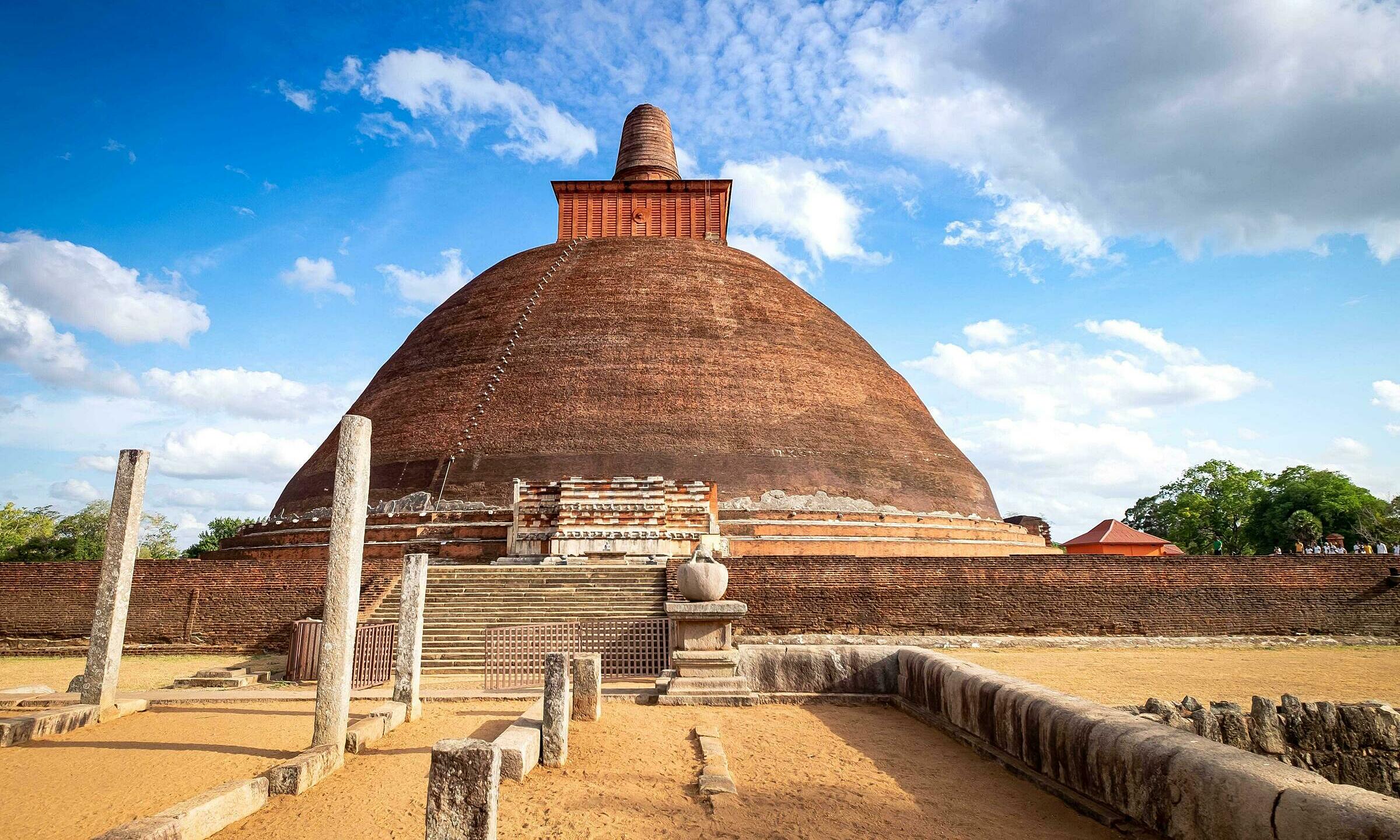
Bai Nai – a tourism site within Kon Ka Kinh National Park. Photo: Tran Hoa |
Under the resolution, the provincial budget will provide up to 2.5 billion VND for each community tourism site to upgrade transportation infrastructure and landscape features such as welcome gates, miniature landscapes, and photo spots. Each site will also receive support to build one reception and exhibition house with a minimum area of 100 square meters, up to a maximum of 400 million VND.
For parking lots, each site will receive support to construct one facility with a minimum area of 200 square meters, up to a maximum of 250 million VND. Two public restrooms will also receive support, with a maximum of 40 million VND for each.
Beyond infrastructure investment, the province will provide up to 60 million VND per site for purchasing waste collection equipment and establishing a centralized waste collection point. Promotional activities, including the development of videos, websites, fan pages, QR codes, digital maps, and databases, will also receive support of up to 50 million VND per site.
Organizations and individuals involved in community tourism will receive up to 100 million VND for learning and experience exchange activities. Additionally, up to 50 million VND will be provided for each linked product developed among community tourism sites.
Households and individuals providing community tourism services can access loans to build new, renovate, or expand homes for homestay purposes, and to purchase equipment for accommodation, dining, and tourism business operations. Loan amounts, terms, and interest rates will adhere to the regulations of employment support policies.
The policy applies to businesses, cooperatives, cooperative groups, households, and individuals providing tourism services at designated community tourism development sites. It also extends to communal People's Committees and community tourism management boards and teams established or recognized by competent authorities.
Funding for the policy will be allocated from the state budget through decentralization, aligning with the local budget's balancing capacity. Specifically, infrastructure support will come from public investment capital.
Tran Hoa