A survey titled "What attracts you to Can Gio for tourism" on VnExpress, conducted from 15/4 to 15/5, gathered reader feedback and opinions on Can Gio's tourism landscape and future expectations.
72.4% of readers reported visiting Can Gio three or more times, while only 10% of survey participants had never been to the area. This indicates that most opinions came from individuals with practical experience.
When asked about Can Gio's most appealing feature, 78.9% chose its forest-river-sea ecosystem. 65.3% valued its close proximity to Ho Chi Minh City, and more than half mentioned the historical significance of the Sac Forest region. These choices influenced tourists' preferred experiences. Over 75% of participants prioritized exploring nature and cuisine, while 68% stated they visit Can Gio for rest and relaxation. Activities such as outdoor sports or event participation garnered lower percentages.
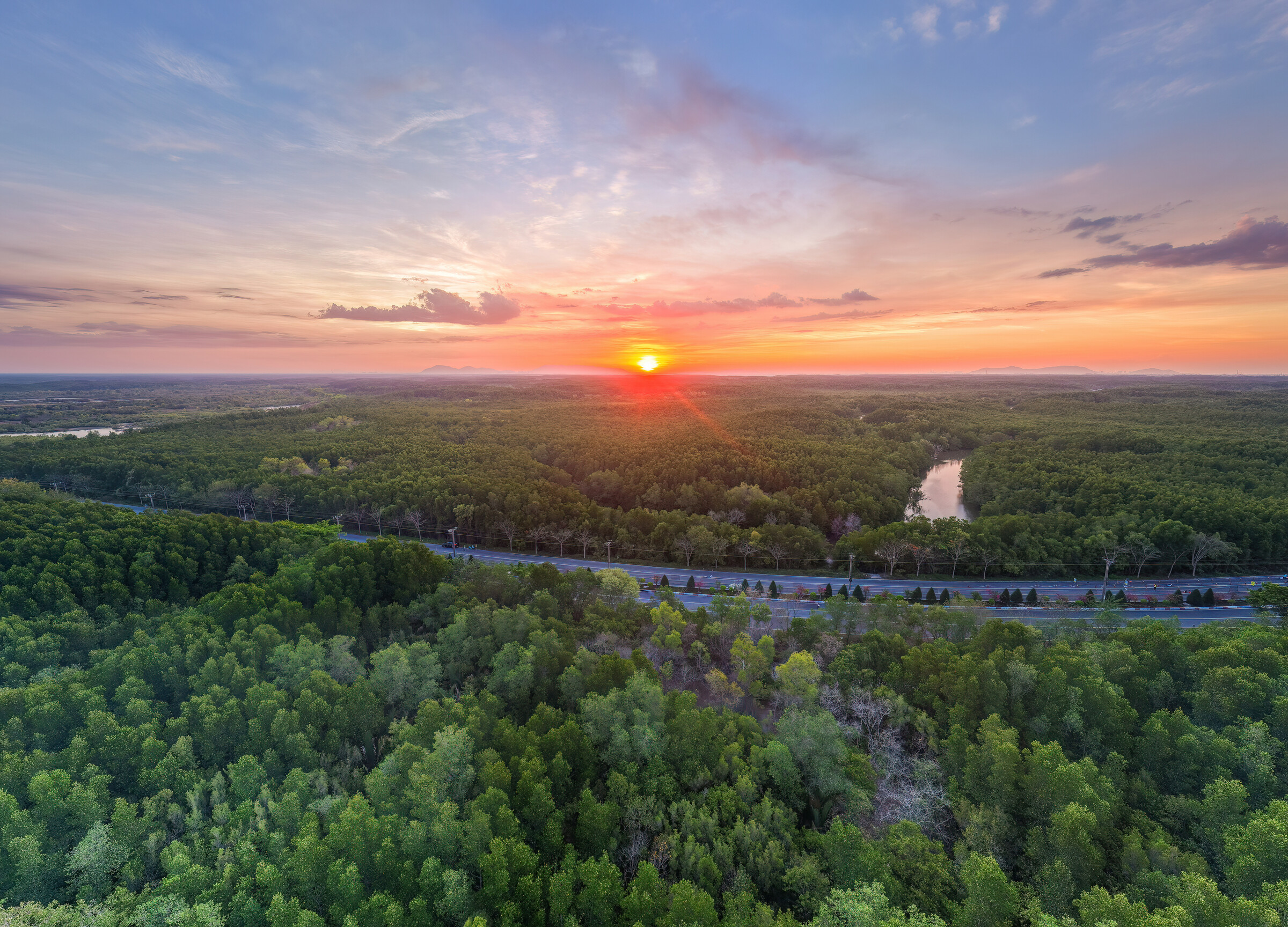 |
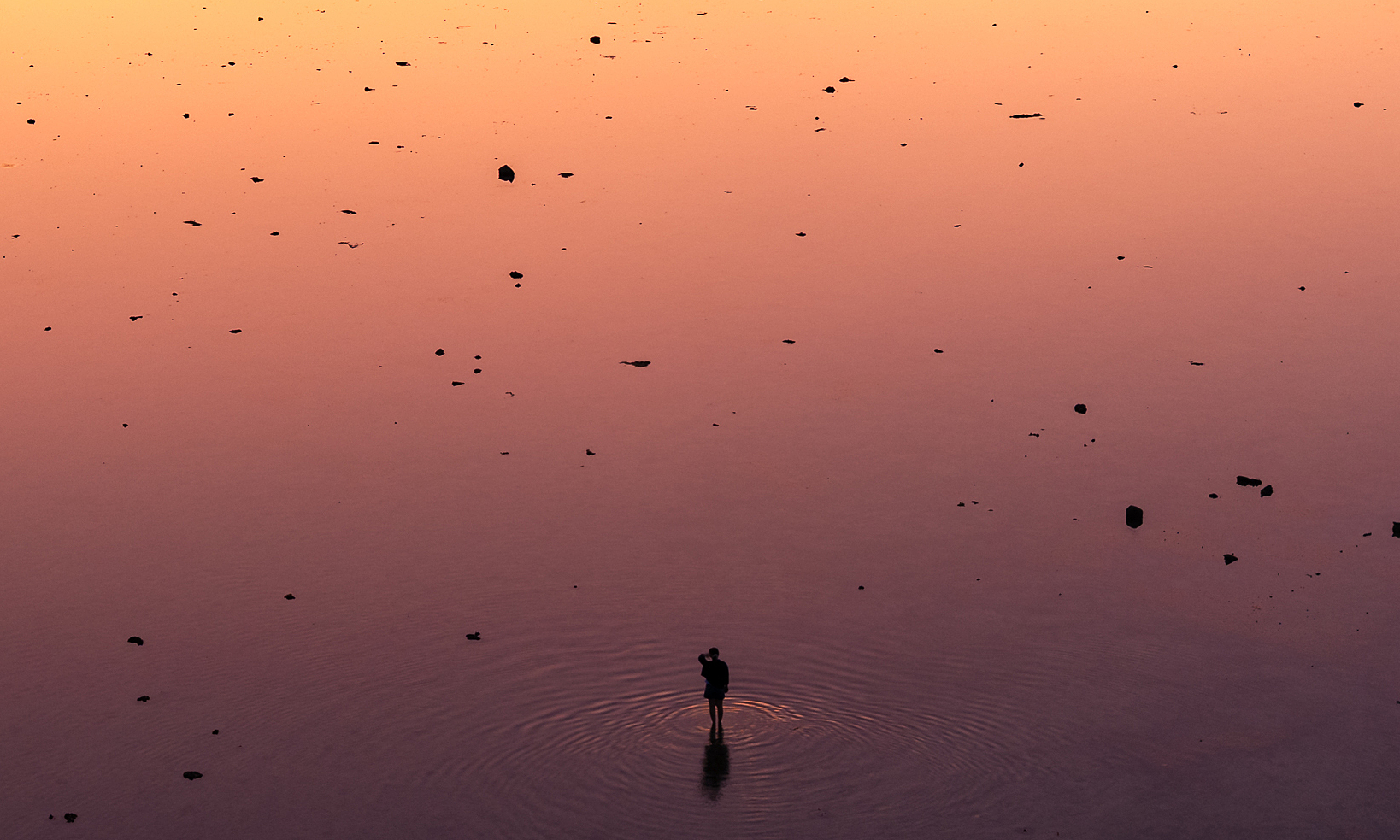
Sunrise over Can Gio mangrove forest. Photo: VnExpress Marathon |
Looking ahead, most readers expressed positive views on Can Gio's prospects, believing it can evolve beyond a day-trip destination. 82.9% of participants suggested Can Gio is suitable for stays of two days or longer. Nearly 82% assessed the locality as having the potential to become an international destination.
This shift is driven by significant changes, including infrastructure development, a strategic focus on ecological urban and marine economic growth, the influx of private capital with projects like Vinhomes Green Paradise, and the addition of commercial and tourism amenities.
Of these factors, 82.4% of readers identified the arrival of major infrastructure projects as the most crucial transformation for this southeastern Ho Chi Minh City district. The area is receiving investment in a high-speed metro line, connecting to Ben Thanh in 13 minutes, and the Can Gio Bridge, which eliminates reliance on ferries. Additionally, an offshore road will link Can Gio to Vung Tau. Concurrently, the Sac Forest axis is expanding to 10 lanes to improve traffic flow upon the Can Gio Bridge's completion. The Ben Luc - Long Thanh expressway interchange will further connect the area to the international airport and the Southwestern region.
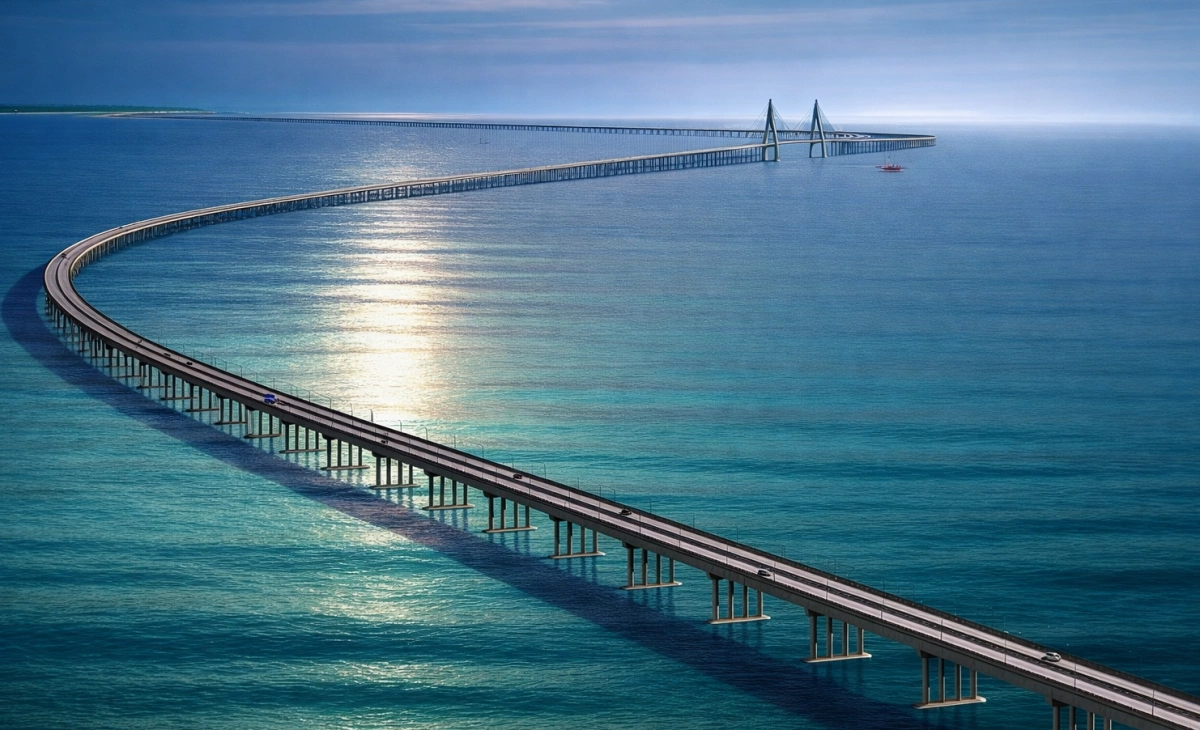 |
Rendered view of the offshore road connecting Can Gio - Vung Tau. Photo: Vingroup |
Experts believe these infrastructure developments will "unlock" Can Gio's potential, reducing travel times to surrounding areas and attracting international visitors.
84.9% of participants hoped for more modern connectivity infrastructure, 79.4% wanted to preserve green spaces, and 65.8% anticipated the emergence of entertainment, recreation, and healthcare complexes. A significant portion also desired shopping centers, retail streets, and luxury hotel systems.
These figures reflect a shift in tourism demand: from visiting "for a change of scenery" to "staying longer for deeper experiences".
Throughout its development, Can Gio has been considered Ho Chi Minh City's "green lung," home to a UNESCO-recognized mangrove biosphere reserve. In Ho Chi Minh City's new development framework, this area is designated as a coastal growth pole, with an orientation towards marine urban and economic development integrated with ecosystem conservation. The local goal is to welcome 40 million tourists annually.
According to experts, Can Gio's current challenge is not only to attract more tourists but also to expand its range of amenities, providing visitors with more reasons to extend their stays while preserving the values that define this forest-sea region's appeal.
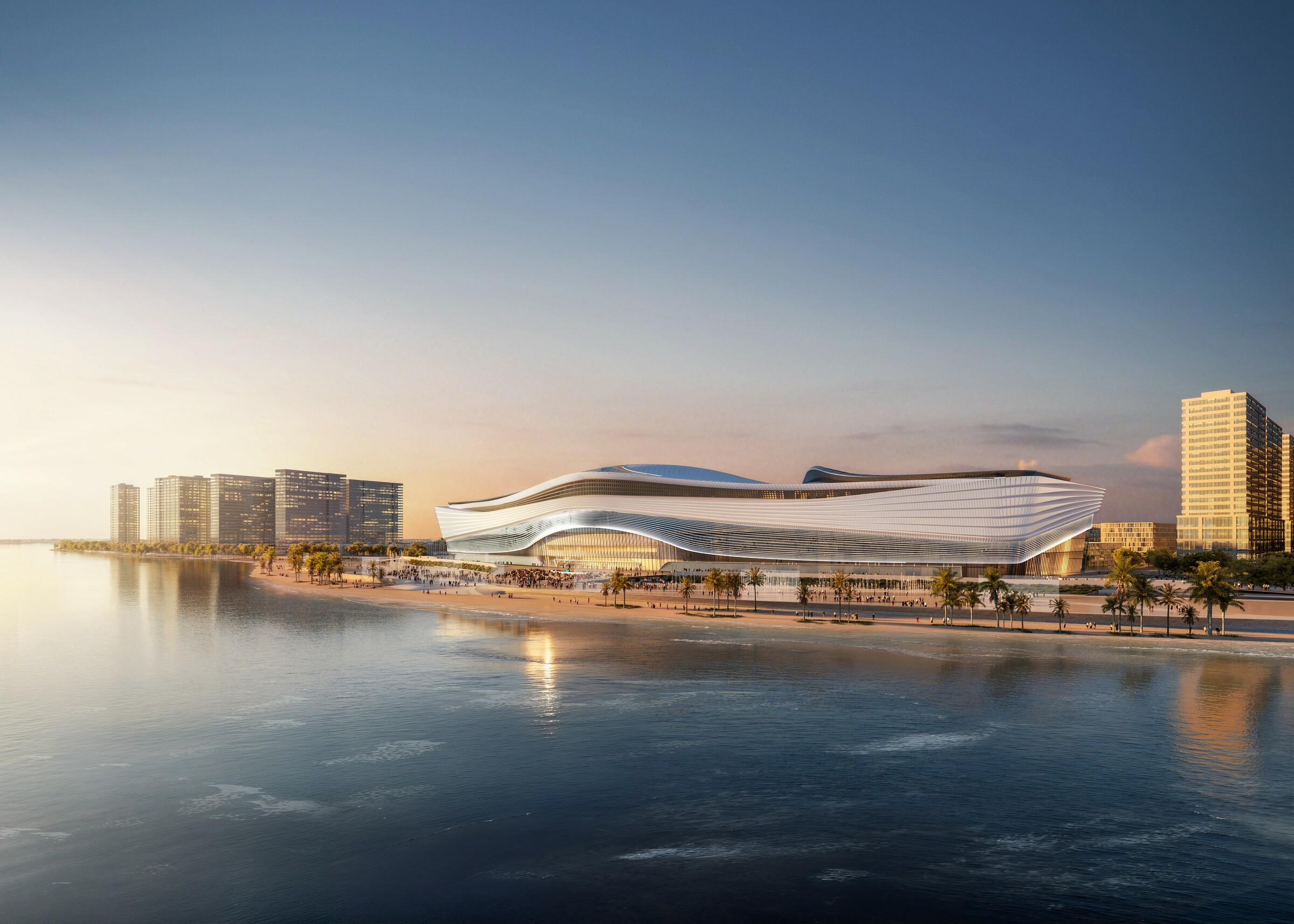 |
Rendered view of the Song Xanh theater at Vinhomes Green Paradise urban area. Photo: Vingroup |
In recent years, the area has seen the emergence of large-scale infrastructure and service projects aimed at increasing tourist stays. Among these, the Vinhomes Green Paradise project is considered a new component of Can Gio's future tourism ecosystem. The project, with a scale of 2,870 hectares, began construction in 2025.
Its diverse amenities include a 122-hectare VinWonders park, an approximately 800-hectare artificial Paradise Lagoon, a 5,000-seat Song Xanh theater, an international cruise port, and international standard golf courses. The accommodation system is also expanding with the participation of several international hotel brands.
This development direction aligns with reader expectations from the survey, which prioritize expanding experiences while maintaining an ecological foundation.
Hoai Phuong