The Singapore Food Agency (SFA) on 25/9 announced it is verifying social media posts advertising suspected dog meat products in the country.
Several accounts within a Facebook group for the Vietnamese community in Singapore advertised products using euphemisms like "vitamin gau gau", "cay" (dog), or "vitamin goooooo". These posts included images of raw and cooked meat, with prices ranging from 12-27 SGD (approximately 245,000-550,000 Vietnamese dong).
The advertised cuts included pork belly, ribs, thigh, shin, blood sausage, "rua man" (a Vietnamese dog meat stew), and "charcoal-grilled dog". Sellers also offered spice kits containing galangal, lemongrass, shrimp paste, chili, and Paederia foetida leaves. The issue gained prominence on 24/9 after a member of a Singaporean dog lover group posted a complaint about the alleged illegal dog meat trade.
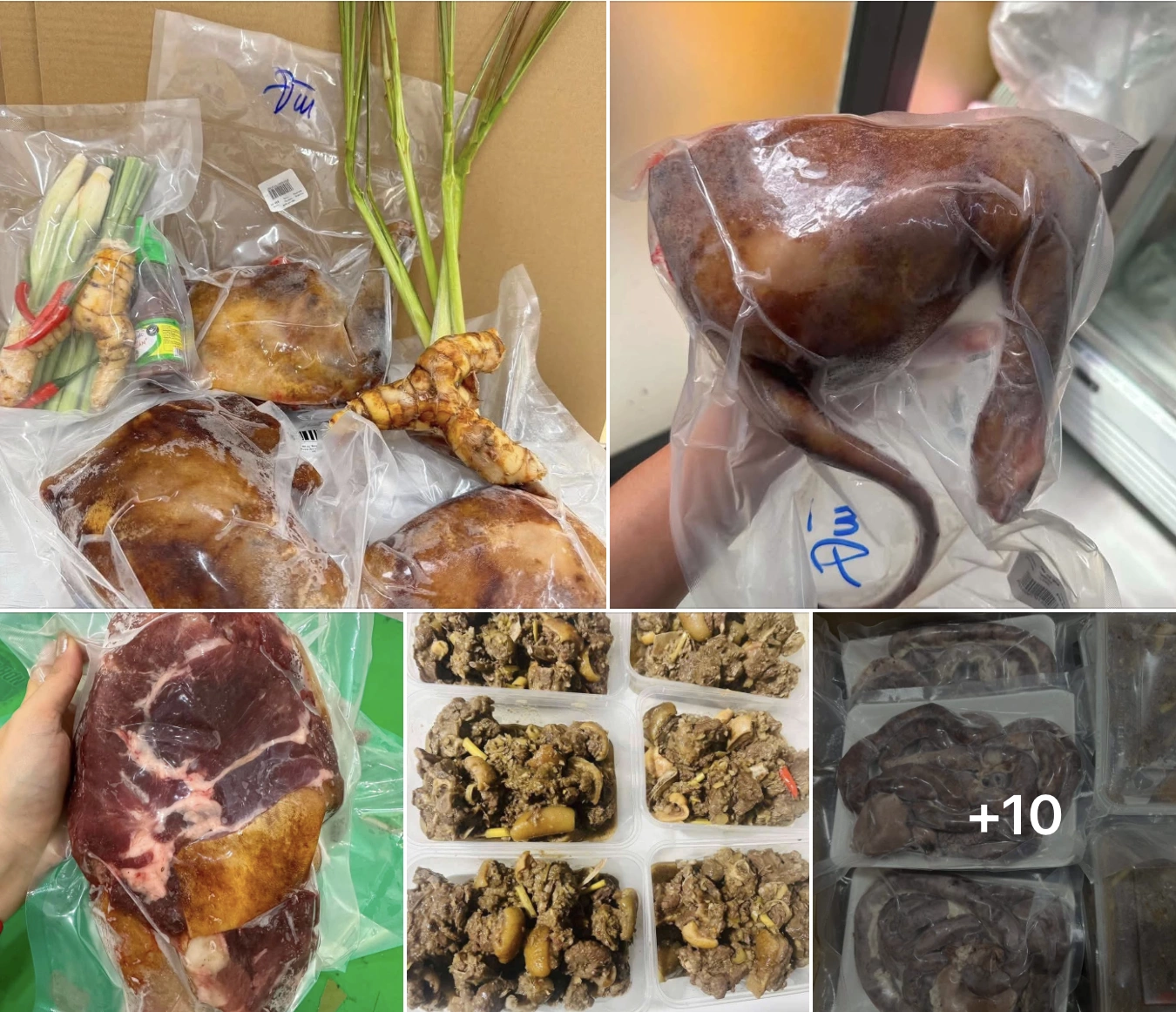 |
The products advertised in Singapore under the name "vitamin goo". *Screenshot* |
The complainant stated they had gathered relevant information and submitted reports to both the SFA and the Animal & Veterinary Service (AVS), urging the community to provide further details.
The SFA clarified that Singapore has not approved any sources for dog meat. The agency emphasized that imported food must meet safety and origin requirements. Selling imported meat and meat products without a license constitutes a criminal offense.
Individuals convicted of illegally importing and selling meat and meat products face penalties of up to 50,000 SGD (over 1 billion Vietnamese dong), a maximum two years imprisonment, or both. Repeat offenders could be fined up to 100,000 SGD (over 2 billion Vietnamese dong), face a maximum three years imprisonment, or both.
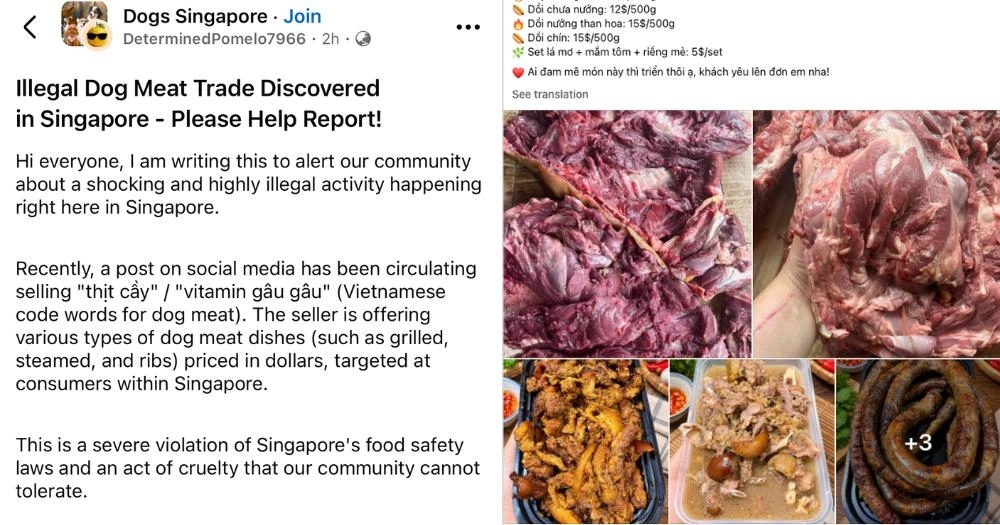 |
The post accusing products advertised in Vietnamese on social media of being dog meat. *Mothership* |
The SFA underscored that food safety is a "shared responsibility", requiring importers and retailers to ensure that food brought into Singapore for commercial purposes complies with import regulations and is safe for consumers. The agency also urged the public to report any activities indicating food safety violations.
By Mai Phuong (Based on CNA, Mothership reports)