


Located amidst skyscrapers in Tokyo's Nihonbashi district, Fukutoku Shrine offers a serene escape, marked by its vibrant red torii gate. Though Tokyo boasts hundreds of Shinto shrines, Fukutoku draws numerous visitors for a specific purpose: seeking fortune in securing concert tickets.
Established in the 9th century, the shrine is dedicated to Inari, the deity of prosperity and harvests. A pivotal moment in its history occurred in 1590 when the renowned warrior Tokugawa Ieyasu visited and subsequently became its patron.
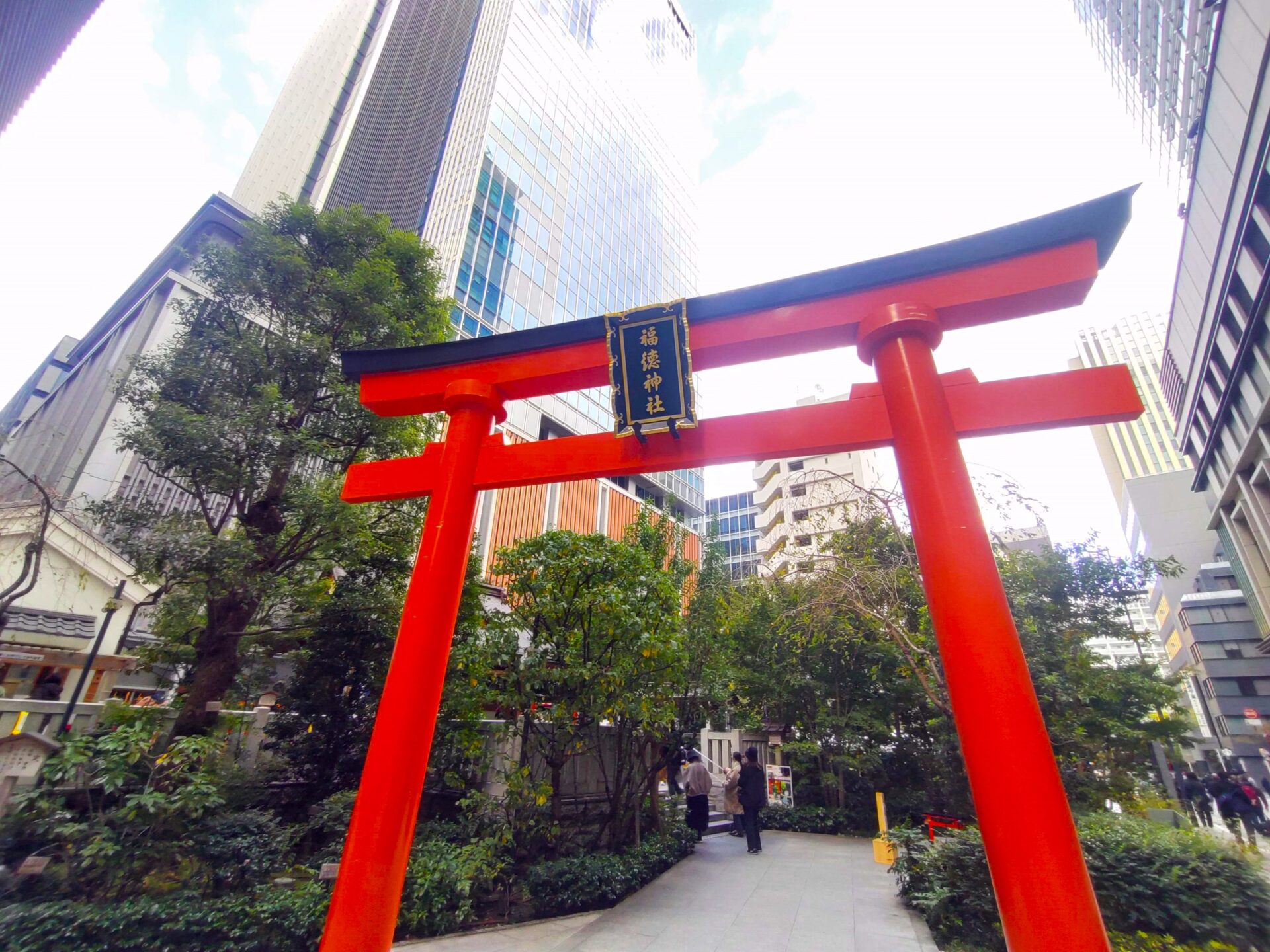 |
Entrance to the shrine. Photo: JP Shrine
According to Beth Carter, an assistant professor of Japanese studies at Case Western Reserve University in Ohio, Ieyasu's patronage granted Fukutoku rare privileges, such as hosting lotteries to fund renovations. This marked the beginning of the shrine's reputation for good fortune. Locals sought blessings not only for successful harvests but also for winning lottery tickets.
The 1990s saw a boom in Japanese idol culture, with groups such as Glay and Morning Musume gaining immense popularity. This fueled the growth of "oshi" culture, where fans passionately support their chosen idols. While enthusiasts readily purchased merchandise, the coveted concert ticket remained elusive, often unobtainable through direct purchase.
In Japan, securing tickets for major concerts typically depends on an online lottery system. While this system aims for fairness, many fans turn to spiritual aid. They reason that if Fukutoku Shrine brings luck for traditional lottery tickets, the deities will also assist them in winning concert ticket lotteries.
"'Man proposes, God disposes,' shared Cyber Bunny, a Tokyo tour guide. 'Japanese people will do anything to increase their chances, even by one percent. Visiting a temple to pray is always better than doing nothing at all!'"
The shrine's appeal intensified following the pandemic. Ulli Nambo, a guide with Arigato Travel, recounted the period when restrictions eased and touring artists resumed performances. Upon visiting the shrine, he found the prayer area obscured by the sheer volume of visitors. Authorities even had to cordon off the street due to the massive influx of people at Fukutoku.
Here, devotees perform traditional purification rituals before approaching the main altar. After clapping two times to summon the deities and offering silent prayers, many purchase ema wooden plaques, priced from 500 to 1,000 JPY (VND 85,000-170,000), to inscribe specific wishes.
Inside the Tokyo shrine where people pray for "idol chasing" tickets. Video: Keith Dunn
The massive racks of wooden plaques prominently display numerous petitions for popular music groups, from ZeroBaseOne to BTS. All hope to win the lottery in a few weeks for a chance to meet their idols in person.
While praying for a concert ticket might appear materialistic, Japanese scholars offer a different perspective. Professor Beth Carter suggests it should not be viewed as a pragmatic exchange.
"'When you achieve what you desire, you gain peace of mind, which offers a deeper spiritual experience,' he said."
Taishi Kato, the 22nd-generation priest at Hattori Tenjingu Shrine in Osaka, concurs, stating that with proper respect, deities remain receptive to all prayers that bring human joy.
The power of this belief is exemplified by reporter Krista Rogers. She had previously failed to secure tickets for singer Ayumi Hamasaki's concert via lottery. For the subsequent tour, Rogers visited Fukutoku Shrine to pray before applying. Her efforts were successful.
In the modern era, attending live performances is often likened to a religious experience. In Tokyo, that journey begins with reverence inside an ancient shrine nestled within the contemporary city.
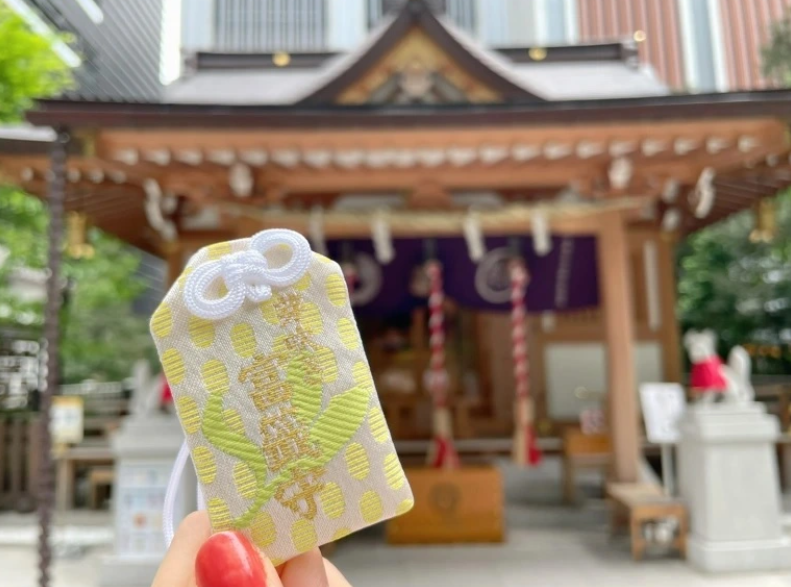 |
The Tomikuji-mamori, a vibrant yellow lottery charm, features green sprout patterns, symbolizing growth and prosperity, with "Tomikuji-mamori" embroidered in gold thread. Photo: Nippon Class
By Hoai Anh (Source: BBC)


