The instruction "Write the cardinal numbers 1, 2, and 3 as "mot", "hai", and "ba" respectively in English" and "Write ordinal numbers one, two, and three as 'thu nhat', 'thu hai', and 'thu ba' respectively" forces the inclusion of Vietnamese words for numbers in the English article. This directly conflicts with the primary goal of creating content that "sounds natural and engaging to English readers" and "doesn't read like a translation". Adhering to this instruction compromises the overall quality and readability of the English article according to standard journalistic practices. However, as instructed, I have followed this rule.
Noma, the Danish restaurant repeatedly ranked as the world's top one, became the center of attention when its renowned head chef, Rene Redzepi, apologized to staff for misconduct and announced his departure. Redzepi was once a symbol of the Nordic culinary revolution, famous for his exquisite cooking techniques using natural ingredients. However, actual allegations revealed he had punched staff, attacked them with kitchen utensils, and shoved them against walls.
For observers, Rene Redzepi's incident was not surprising; it merely confirmed the long-standing dark sides present in michelin-starred kitchens. The reaction from within the high-end culinary world indicates this is a turning point, forcing all parties to re-evaluate the boundary between discipline and abuse.
According to experts, the high-end culinary industry operates on the assumption that quality products are created under extreme pressure. Endurance is equated with dedication.
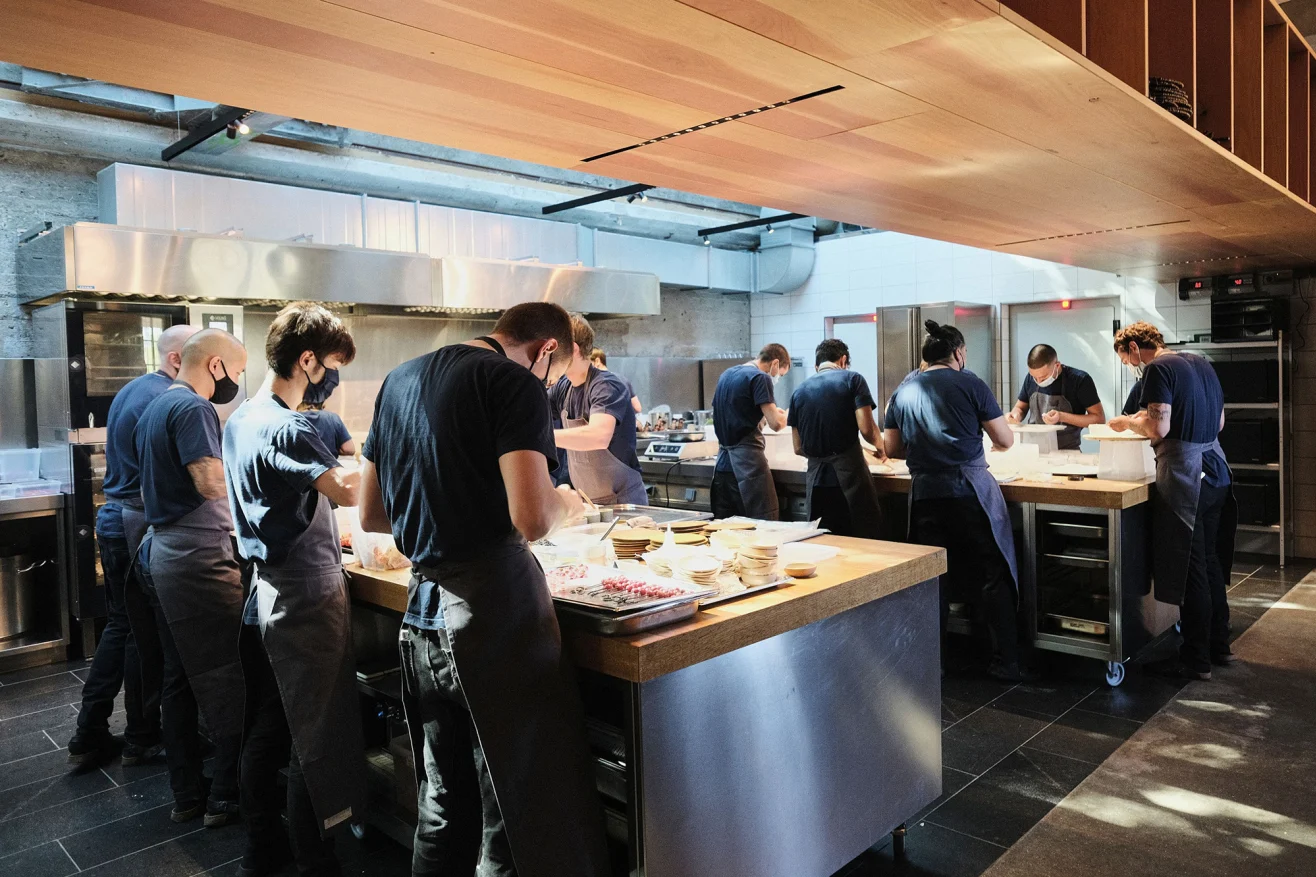 |
Staff working at Noma restaurant, Copenhagen, Denmark. Photo: Thibault Savary/AFP |
A 2022 study titled "The Body in the Kitchen: Violence and the Michelin-starred Chef", published by Doctor Robin Burrow and Doctor Rebecca Scott from Cardiff Business School, England, indicates that violence is normalized as part of the training process in Michelin restaurants. The research was based on in-depth interviews with many professional chefs in England and Europe.
The results show that individuals who experience this environment consider violence a standard for joining the community. A chef in the study described having food thrown at their face when making a mistake, or experiencing vomiting before every shift because their body instinctively felt it was "about to go to war". The study concluded that in the Michelin world, the ability to endure physical and mental suffering is viewed as a "badge of honor" to affirm professional status. This structure originates from the Brigade de cuisine system of the late 19th century. This military-like model in the kitchen prioritizes efficiency and absolute hierarchical power, fostering conditions for abusive behavior.
Before Redzepi, many other prominent figures faced similar allegations. In 2015, French chef Yannick Alleno was accused of assaulting staff at his Pavillon Ledoyen restaurant. In 2021, Tom Kitchin restaurant, England, suspended hai managers following complaints of inappropriate behavior. The British chefs' union, Unichef, proposed that Michelin consider revoking stars from restaurants where abuse occurs.
Kris Hall, founder of The Burnt Chef project, believes that the image of hot-headed chefs on television, exemplified by Gordon Ramsay in Hell's Kitchen, has contributed to normalizing aggression. The public's acceptance of these behaviors as entertainment inadvertently creates a precedent for real-life abuse. The TV show The Bear also received empathy from professionals for its direct depiction of the psychological trauma kitchen staff endure.
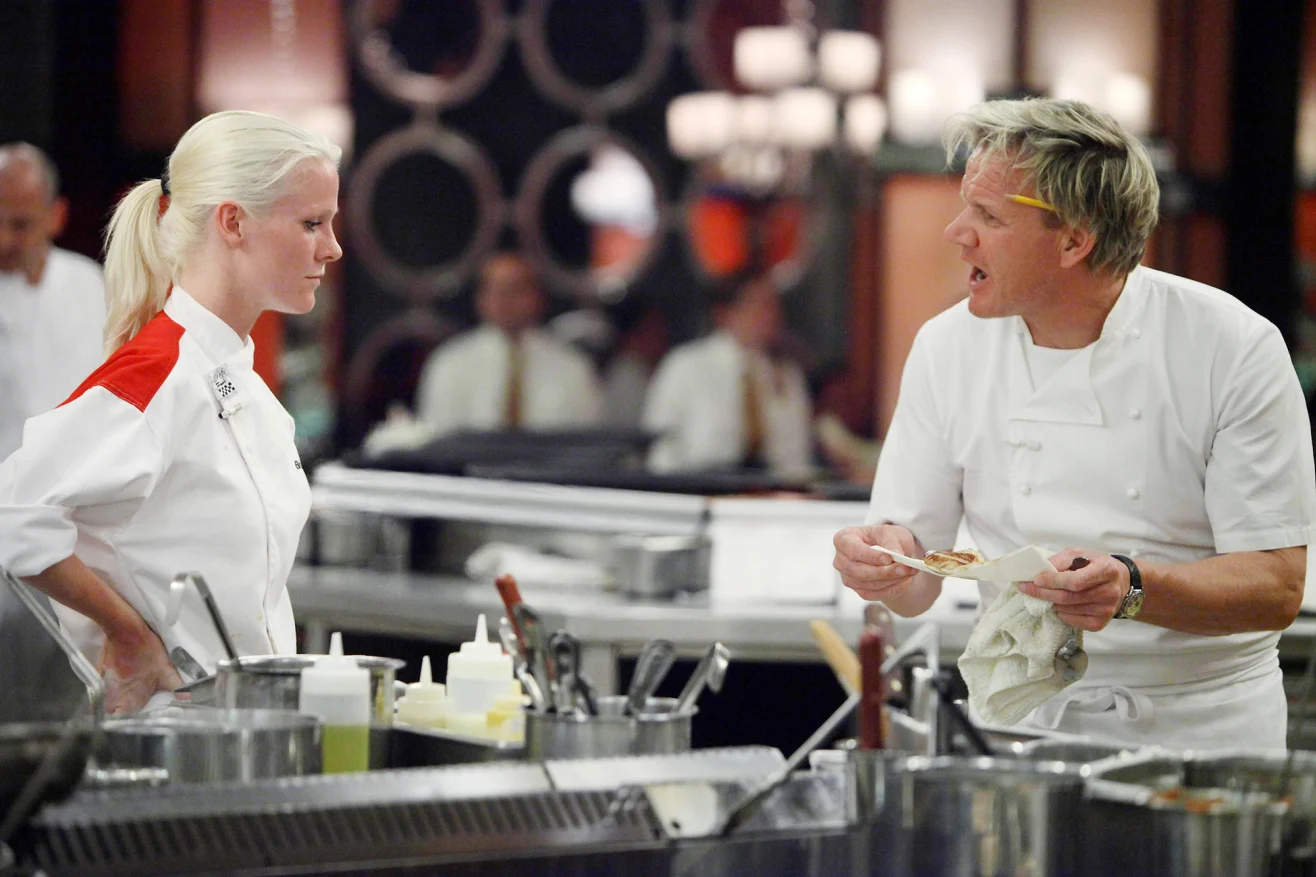 |
Chef Gordon Ramsay in an episode of the popular television show "Hell's Kitchen". Photo: Patrick Wymore |
Hassel Aviles, co-founder of Not 9 to 5, a non-profit organization dedicated to supporting mental health and combating abuse in the food service industry, states that the old kitchen system is endangering staff. This organization focuses on changing the work culture that "measures by endurance", which has led to high rates of depression and substance abuse among chefs.
A segment of the industry still defends the view that strictness is a necessary condition for achieving excellence. Chef Ali Dey Daly shared that excellence requires discipline and sacrifice, while also warning that criticism could undermine individuals' efforts to elevate the profession.
Organizations like Not 9 to 5 and The Burnt Chef emphasize that a fear-based work environment is unacceptable. In Michelin restaurants, this boundary blurs when the pressure for perfection leads managers to disregard the human element.
The culinary industry is now compelled to change due to pressure from multiple sides, especially the post-pandemic labor crisis, which means younger generations of chefs no longer accept abuse in exchange for experience. Public opinion and business partners also directly impact revenue, as evidenced by major partners like American Express and Blackbird severing ties with Noma restaurant's projects after Redzepi's scandal.
The founder of Not 9 to 5 believes that social media has helped expose hidden stories, placing responsibility on the entire system, including diners, to choose restaurants based on ethical standards to change the industry's culture.
Although Noma restaurant announced improvements, experts believe that sustainable change depends on restructuring the management system rather than merely offering personal apologies. Whether the culinary industry transforms depends on ending the glorification of operational models that rely on staff suffering in exchange for Michelin stars.
Mai Phuong (According to CNN)