On 26/3, Hong Kong-based airline Cathay Pacific announced a 34% increase in fuel surcharges across all routes starting from 1/4, with bi-weekly reviews. The reason cited is rising aviation fuel prices influenced by the conflict in the Middle East.
The new fuel surcharge will be 50 USD for short-haul flights, 93 USD for medium-haul, and 200 USD for long-haul routes.
According to the International Air Transport Association (IATA), average global aviation fuel prices have nearly doubled since the conflict began on 28/2. As of 20/3, prices had reached 197 USD per barrel.
The sudden surge in fuel costs, which account for up to a quarter of the industry's total operating expenses, is disrupting global aviation. Many airlines are forced to raise fares, cut capacity, and revise financial forecasts.
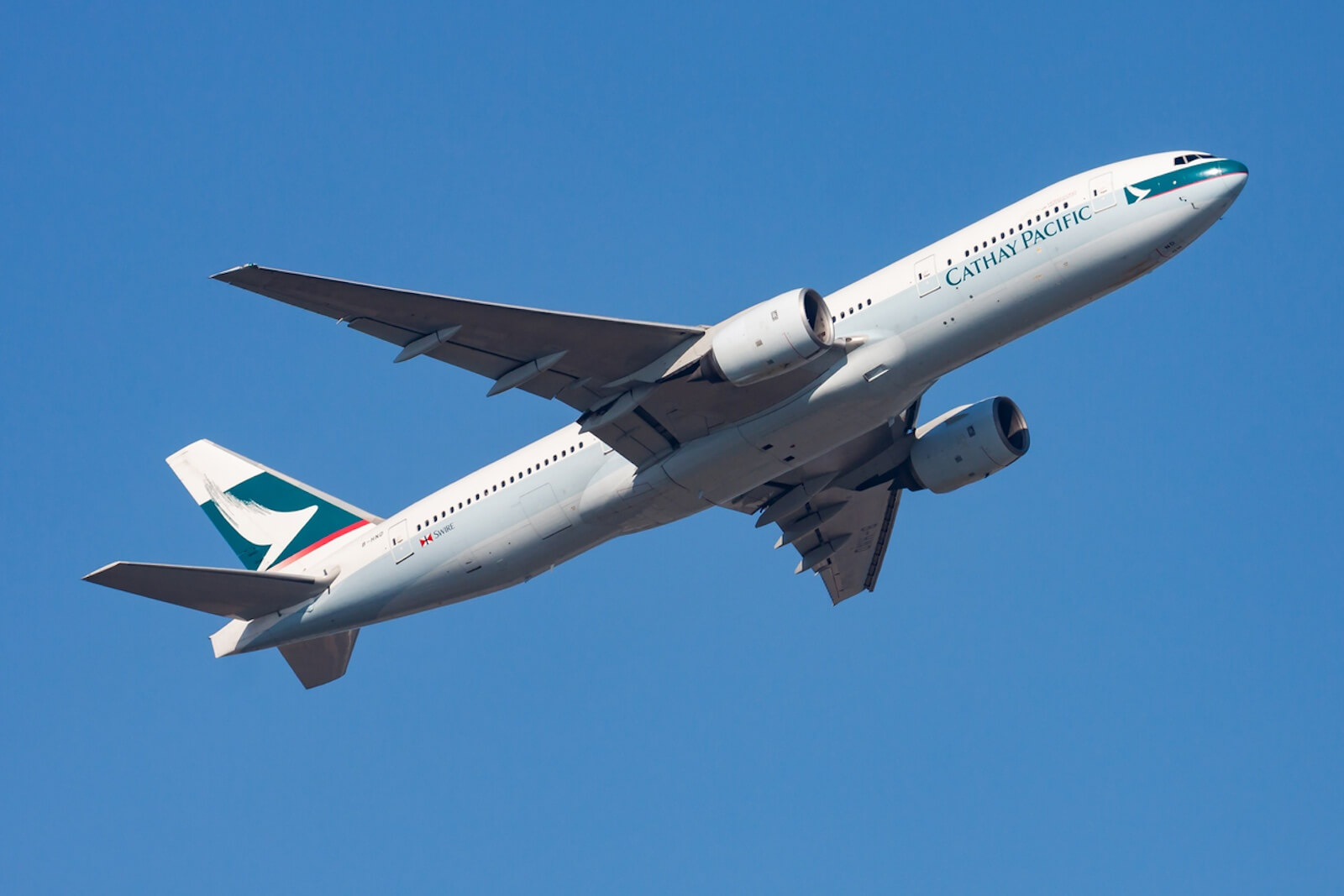 |
_A Cathay Pacific aircraft. Photo: Guardian_
For Cathay Pacific, fuel is expected to account for approximately 30% of operating costs in 2025. Despite implementing partial price hedging measures, the airline remains vulnerable to the current upward trend in oil prices.
"If the exorbitant increase in fuel costs is not effectively controlled, we will be unable to maintain stable operations for our route network," stated a representative for the Hong Kong national airline.
At a meeting organized by the Civil Aviation Authority of Vietnam on 9/3, Nguyen Quang Trung, Deputy General Director of Vietnam Airlines, indicated that if fuel prices rise to around 200 USD per barrel, the airline's operating costs could double. In such a scenario, the more the airline flies, the more losses it would incur.
Industry experts note that many Asian airlines are more vulnerable to fuel price volatility due to weaker oil price hedging programs compared to their counterparts in Europe or the US, especially if they have already sold tickets at lower prices.
"Alarm bells have been triggered everywhere," said June Goh, a senior oil market analyst at Sparta Commodities SA, a firm that researches and forecasts price trends.
Some low-cost airlines in Southeast Asia are preparing scenarios where aircraft might have to be grounded if fuel becomes too expensive or inaccessible.
According to updates from various domestic travel agencies, many airlines adjusted fuel surcharges for routes originating from or arriving in Vietnam from mid-March.
On 17/3, Eva Air revised fuel taxes for new/changed tickets issued from 19/3. For instance, a one-way Vietnam-Taiwan route increased from 42 USD to 60 USD; a round-trip increased from 84 USD to 120 USD.
Similarly, on 20/3, Starlux also adjusted fuel surcharges for new/changed tickets issued from 24/3. For example, a one-way Vietnam to US/EU route increased from 117 USD to 180 USD, and a round-trip from 234 USD to 360 USD.
Since the conflict in the Middle East erupted in late February, airlines worldwide have imposed fuel surcharges, driving up travel costs. Many Vietnamese travel companies announced that most tours departing from April will see price increases, while tours departing earlier will maintain their original prices due to support from airlines or destination partners.
Nguyen Ngoc Tung, Director of Danh Nam Travel, stated that their Chinese partner announced a 40 USD per passenger round-trip increase for charter flights on the Hanoi - Le Giang route after 20/4. This adjustment will apply if aviation fuel surcharges continue their current upward trend.
If round-trip airfares increase by over 100 USD per passenger compared to before 20/4, partners may reschedule or refund tickets depending on the situation. These options are based on the latest announcements from airlines amidst volatile aviation fuel prices.
Hoai Anh