Airfare prices are primarily driven by sophisticated revenue management systems, which dynamically adjust fares based on several key factors: demand, seat availability, booking time, and competition on each specific route.
Airlines determine demand by analyzing ticket sales velocity, remaining seat inventory, seasonal travel trends, and major events at destinations. Rather than setting a uniform price for every seat, carriers segment their seating into multiple price groups. Even within the economy cabin, these price levels are finely differentiated.
For example, a flight with 60 economy seats might be divided into ten different price tiers, with six seats allocated to each tier. Once the six lowest-priced seats are sold, the system automatically transitions to the next higher price tier, even if 54 seats remain vacant in the cabin. Conversely, if a passenger cancels a ticket from a lower price group, the airline may re-release those seats onto the market at a reduced price. Each price group typically comes with specific rules regarding ticket changes, refunds, seat selection, or mileage accrual.
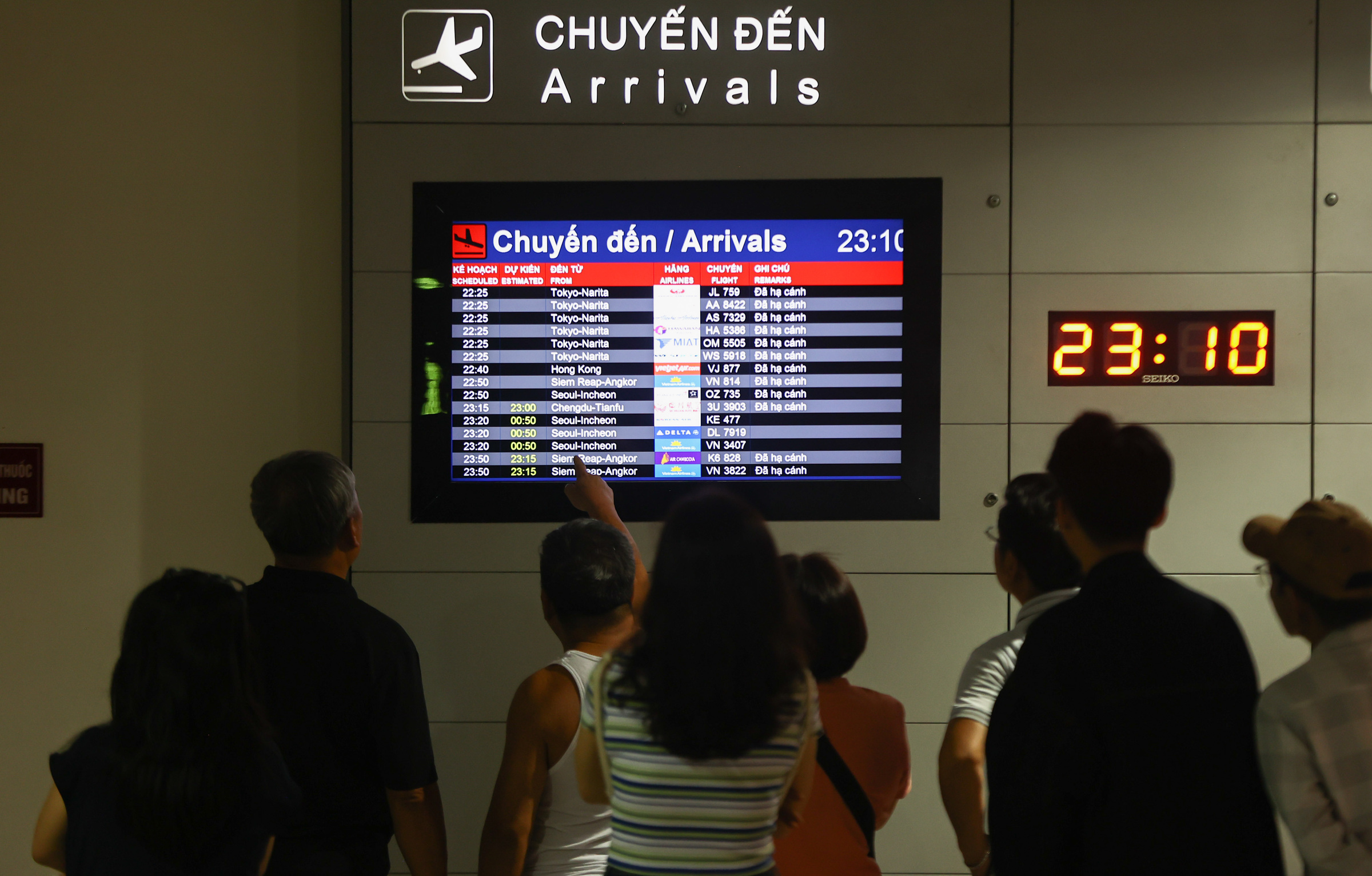 |
Tan Son Nhat International Airport's international terminal is crowded with people welcoming overseas Vietnamese returning home for Tet, 1/2025. *Photo: Quynh Tran* |
Airfares frequently surge during peak seasons, such as holidays, major sporting events, or conferences, primarily because the lowest price tiers sell out quickly. Early bird bookers typically secure preferential rates, while those booking close to the departure date often pay the highest price for the remaining seats. Extreme weather events causing flight disruptions also lead to sharp price increases in affected areas due to passengers' urgent rebooking needs.
Competition plays a significant role in pricing strategies. Routes served by multiple airlines often feature more competitive fares, as carriers constantly benchmark each other's prices to attract passengers.
The timing of a ticket purchase significantly influences the final cost for passengers. Airlines aim to sell tickets early but also strategically reserve a portion of seats to capitalize on higher prices if last-minute demand surges. According to the Air Hacks 2026 report, international travelers could save an average of 190 USD by booking tickets 31 to 45 days before departure, rather than six months in advance. Passengers booking close to the departure date, typically business travelers, often face higher fares.
While airfares generally tend to increase as flights approach full capacity, there are instances where prices decrease. This can occur when demand is lower than anticipated or when airlines engage in competitive price reductions. Furthermore, an airline's decision to switch to a larger aircraft can increase the availability of seats in lower price categories, resulting in reduced fares.
To optimize costs, travelers should consider flying during off-peak seasons, which are typically just before or after popular holidays. Data indicates that august is one of the most economical months for international travel, with average fares approximately 29% lower than in december.
Travelers should finalize their tickets as soon as concrete plans are made, rather than waiting for uncertain sales. If prices drop after a booking, many airlines permit customers to switch to the lower fare and receive the difference as credit points, provided the ticket is not a basic economy fare. Proactively monitoring price changes after purchase can lead to significant savings for travelers.
Hoai Anh (According to Yahoo)