In Qingchen County, Meishan City (Sichuan province), a 3-hectare sugarcane field has recently become a focal point on Chinese social media. Instead of selling produce traditionally, farm owner Dong Bang Phi conceived the idea of offering tourists a nighttime "sugarcane theft" experience. For 9,9 CNY (approximately 35,000 VND), visitors are equipped with a knife and flashlight to cut one sugarcane stalk to take home.
The event quickly went viral on short video platforms, appealing to the curiosity and childhood nostalgia of many urban residents. According to Red Star News, an estimated tens of thousands of people flocked to this small village from various locations over just one weekend.
Long queues of people and flickering flashlight beams across the sugarcane fields created an unprecedented lively scene. Even elderly villagers and dogs inadvertently became "extras" in tourists' "sugarcane stealing" videos.
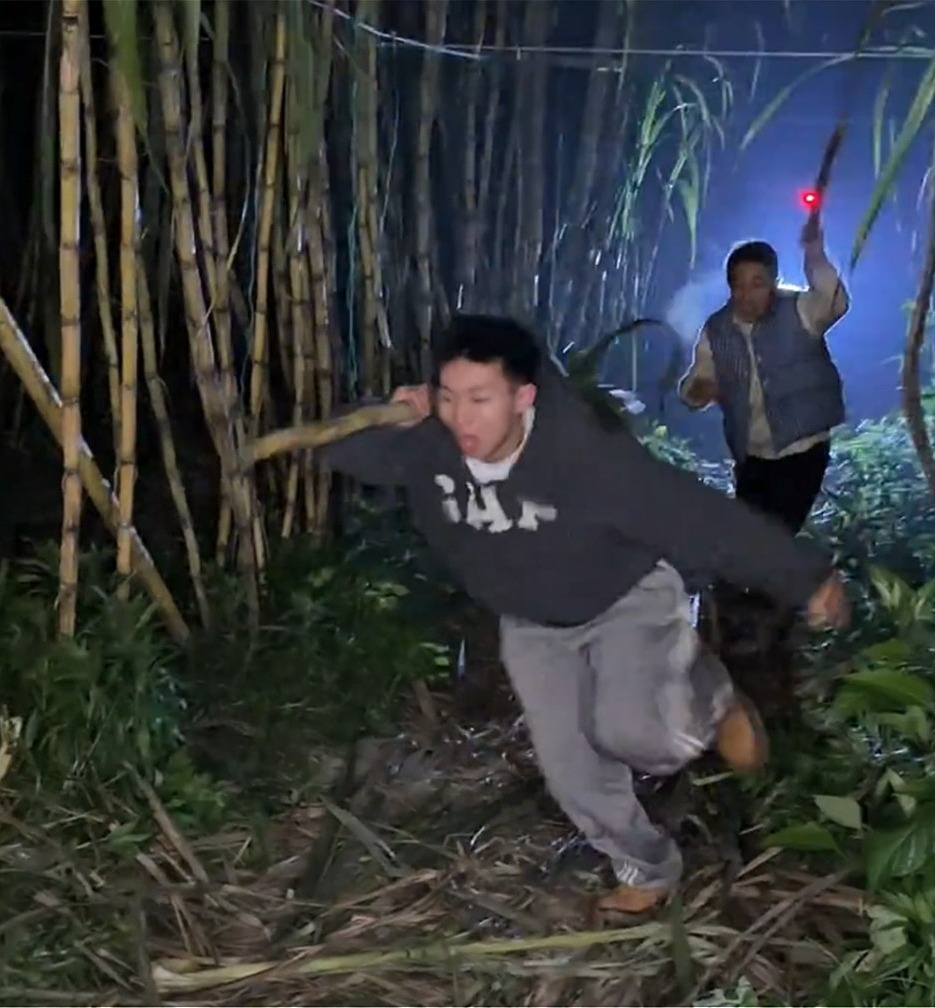 |
Guests participate in the sugarcane theft game. *Photo: Inf News* |
However, this "craze" quickly spiraled out of control. The overwhelming number of people left the farm owner and local authorities struggling to cope. Dong Bang Phi stated he endured sleepless nights due to anxiety.
"I am just a farmer, not a big boss, and I cannot afford further losses," said Dong, his voice hoarse after days of shouting to maintain order.
According to the owner, while some visitors followed the rules, many exploited the chaos to cut indiscriminately. Numerous sugarcane stalks were cut haphazardly, broken, or partially eaten and discarded in the field, leading to significant waste. Worse still, some visitors took sugarcane without paying or even stole the farm's knives.
Safety also became a concern. The sugarcane field at night lacked adequate lighting, and the uneven, slippery ground, combined with movement in narrow spaces, posed potential accident risks. Local authorities recorded several cases of minor injuries to visitors due to a lack of caution in low-light conditions.
From 23/11, the owner was forced to announce an additional "entrance fee" of 2,99 CNY (approximately 10,000 VND) to limit visitor numbers. This measure reduced the number of guests by about 30%. Thanks to the intervention of traffic police and local authorities, illegal parking and public disorder were gradually brought under control.
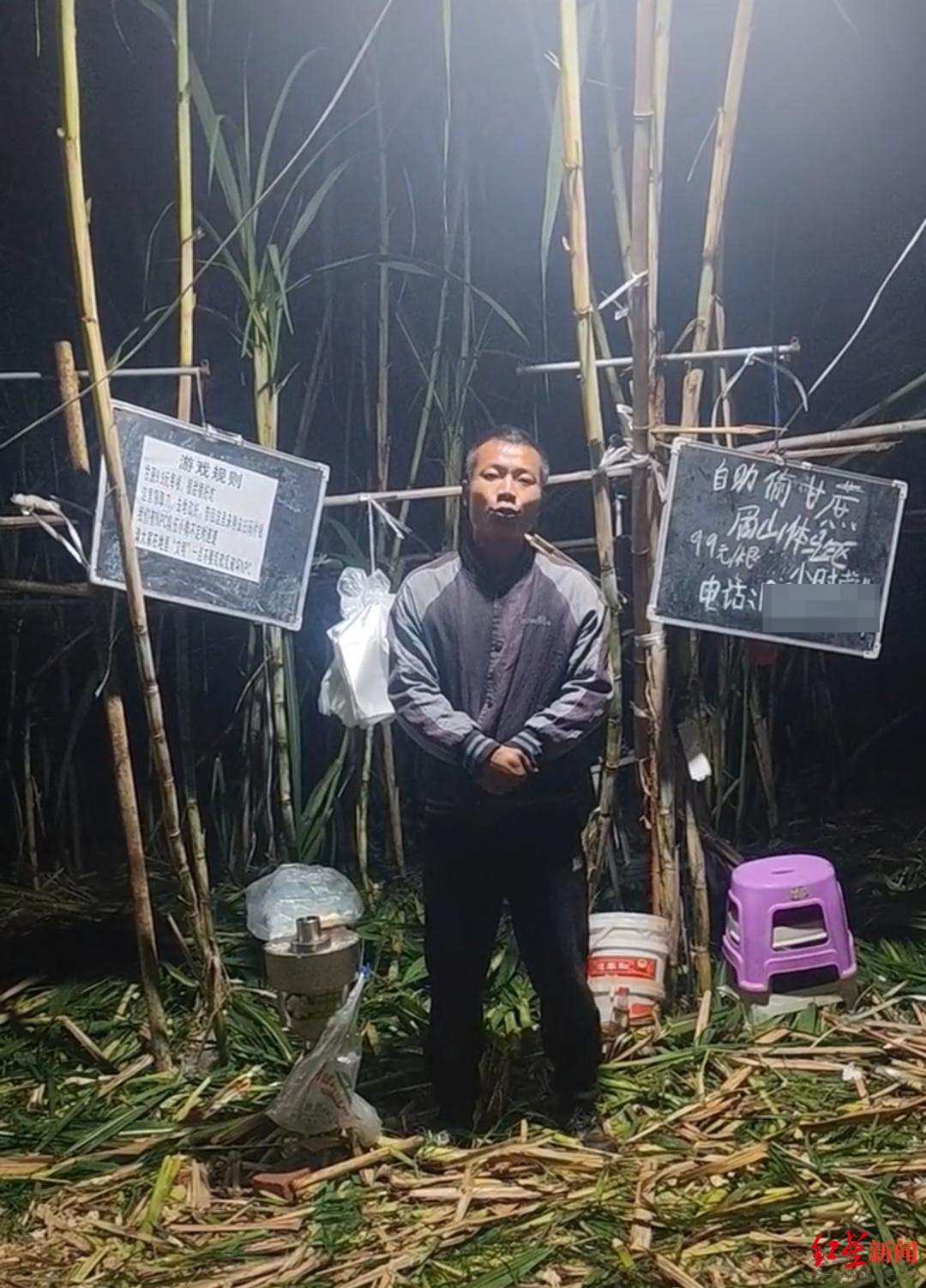 |
Dong Bang Phi, the sugarcane farm owner in Sichuan. *Photo: Red Star News* |
Despite controversies regarding security and cultural appropriateness, the appeal of this experiential tourism model is undeniable. Recognizing a promotional opportunity, the Qingchen County Department of Culture and Tourism quickly got involved. The agency launched a special promotion: visitors with a "payment code" from their sugarcane purchase receive free admission to other famous local attractions, such as the International Bamboo Weaving Museum and the Panda House, along with a 20-50% discount on local accommodation and dining services.
Local tourism representatives stated they are exploring how to transform this spontaneous trend into a more structured tourism product. The "agritourism" model is booming in China, with urban residents willing to pay to rediscover a rustic, rural feeling. However, balancing a "wild" experience with safety regulations remains a difficult challenge.
From a legal perspective, Chinese lawyers warn that despite the event being dubbed "sugarcane theft," the boundary between an experience and illegal conduct must be clearly defined. An organizer's failure to provide safety, medical, and fire prevention plans for large gatherings could result in significant legal liability if a serious incident occurs.
Hoai Anh (*According to The World of Chinese, Inf News, Red Star News*)