 |
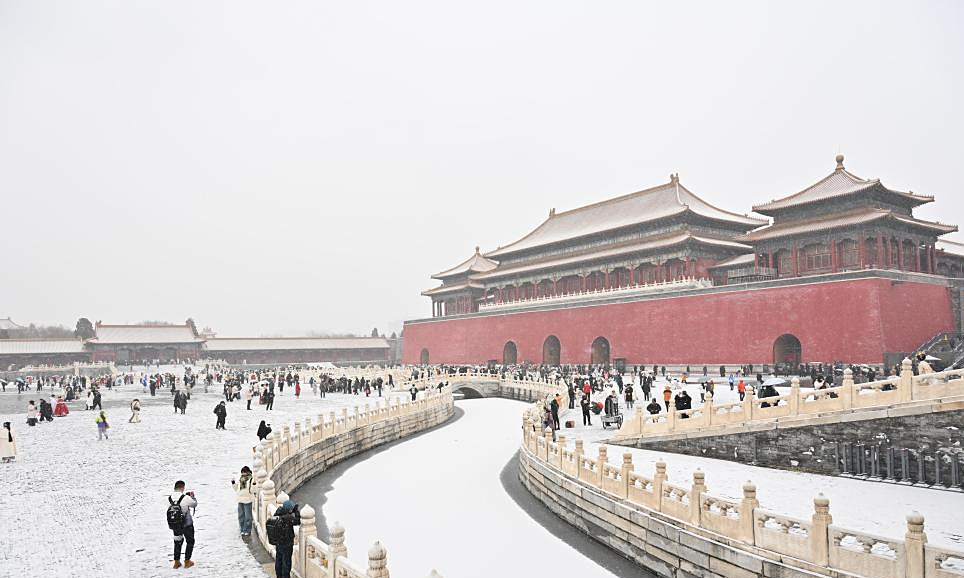
On 12/12, Beijing, China, experienced its first snowfall of the season. The capital's historical landmarks, blanketed in white, attracted thousands of tourists eager to witness the rare spectacle. According to the Beijing Meteorological Observatory, this moderate to heavy snowfall arrived 9 days later than the annual average. Iconic sites such as Tu Cam Thanh (pictured) saw a significant increase in visitors following the snow.
 |
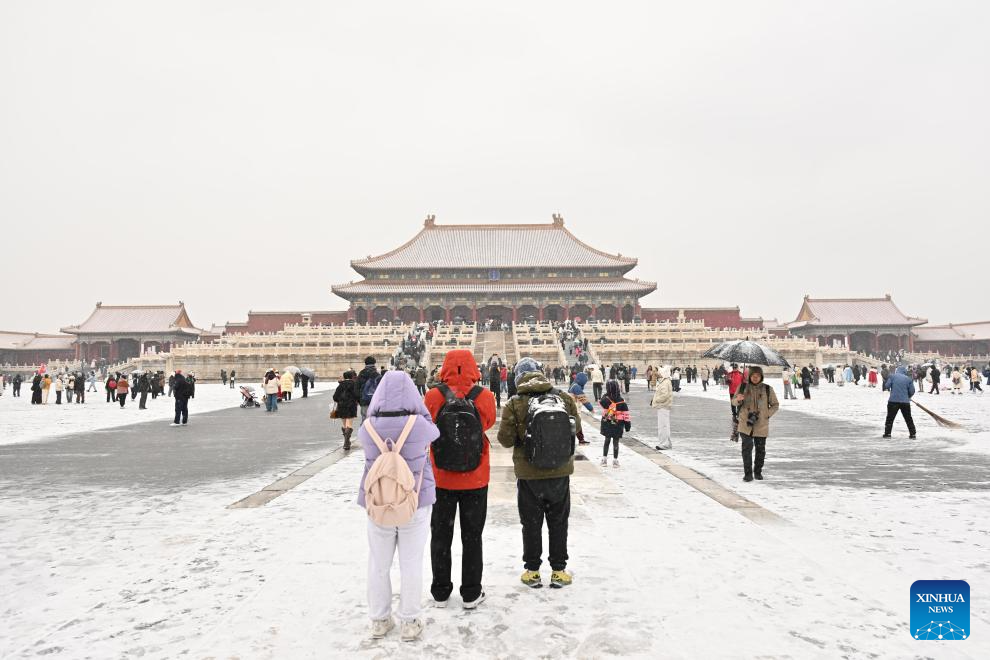 |
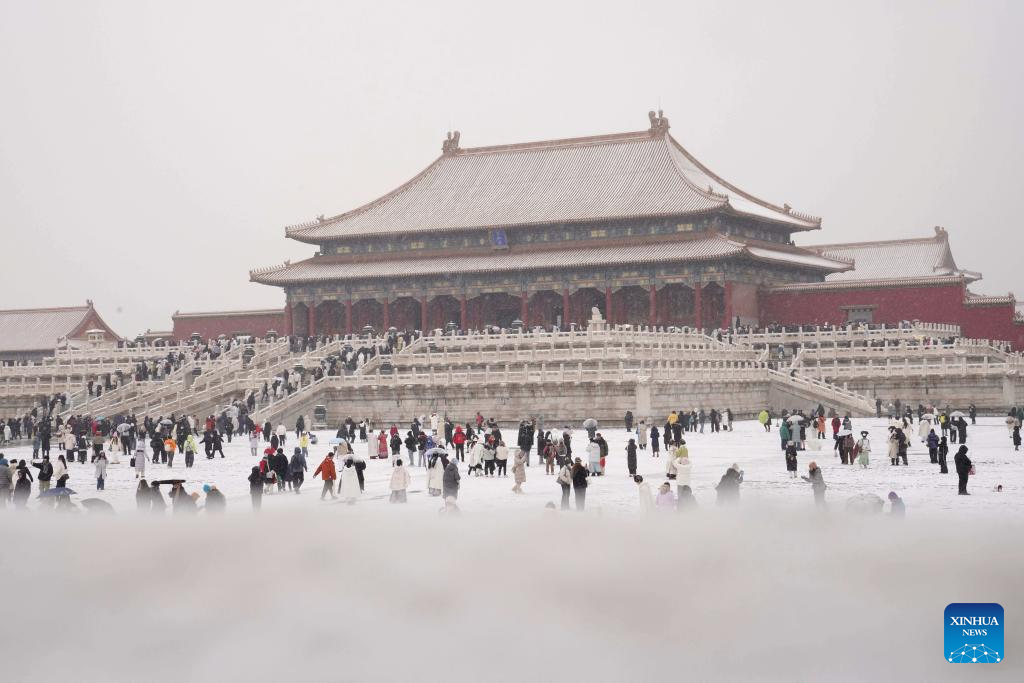
The front courtyard of Dien Thai Hoa within Tu Cam Thanh was bustling with visitors. Snowfall began in the early morning of 12/12 in western mountainous areas like Yen Khanh and Mon Dau Cau, gradually spreading to the plains and central city by noon and evening. The average snow depth reached 2-5 cm in the plains, 5-8 cm in mountainous and southern regions, with some localized areas receiving up to 10 cm.
 |
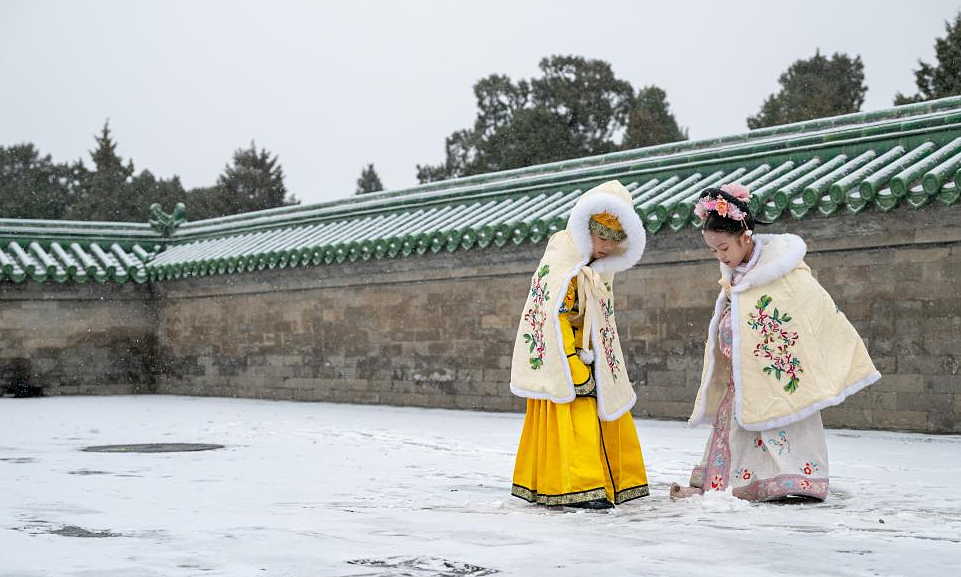
The snow transformed Beijing into a popular winter destination. The over 600-year-old UNESCO heritage site, Tu Cam Thanh, was covered in white. Thick snow blanketed its yellow tiled roofs and red city walls, creating a scene reminiscent of ancient historical films. Many tourists rented traditional costumes to take photos inside the Co Cung, capturing the unique atmosphere.
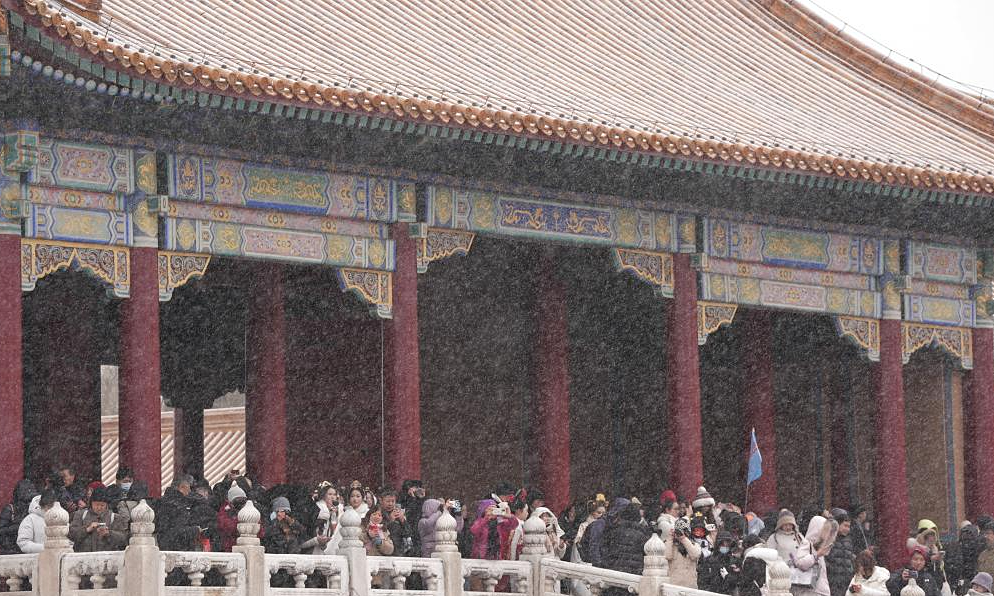 |
Tourist areas within Tu Cam Thanh were crowded on the day of the first snowfall. The site management reported that admission tickets sold out within hours of the snow forecast. One tourist shared on social media, "Tu Cam Thanh under the snow is picturesque; I feel like I've stepped into a feudal dynasty." The Beijing Tourism Association noted a 30% surge in visitor numbers compared to last week, primarily from neighboring provinces and international tourists.
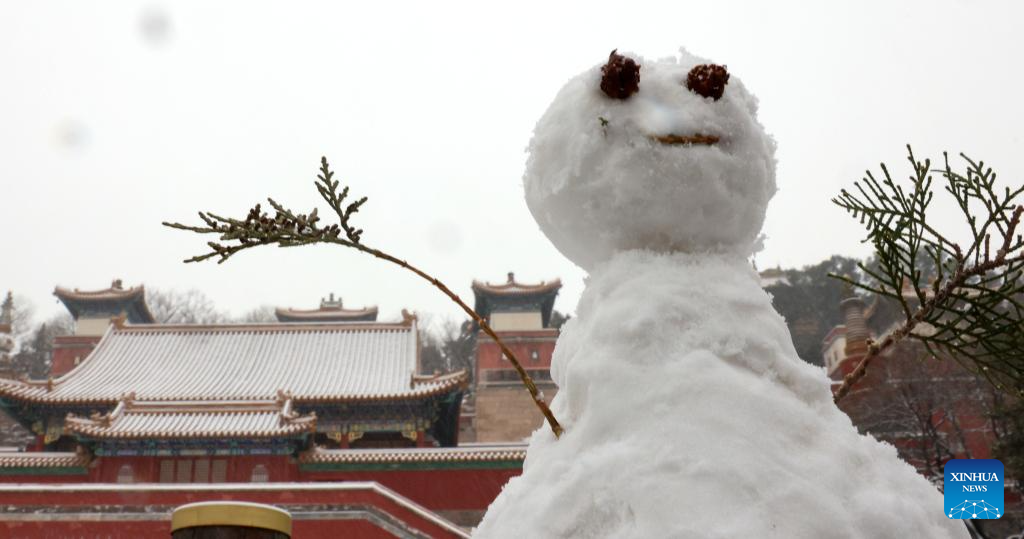 |
Beyond Tu Cam Thanh, other landmarks also captivated visitors. Tourists built a snowman outside the Tu Cam Thanh area.
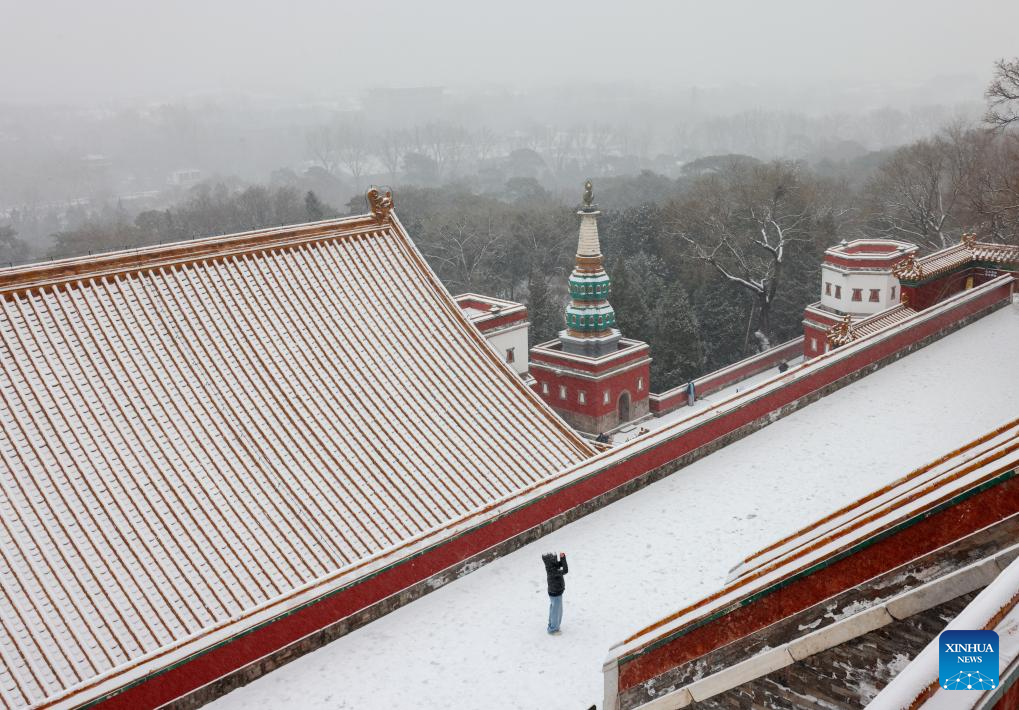 |
The Summer Palace presented a serene landscape during the first snowfall on 12/12. Located northwest of central Beijing, approximately 15 km from Tiananmen Square and Tu Cam Thanh, the Summer Palace offers stunning winter views. The lake area and the long corridors in Yihe Yuan particularly draw visitors to admire the snowy scenery.
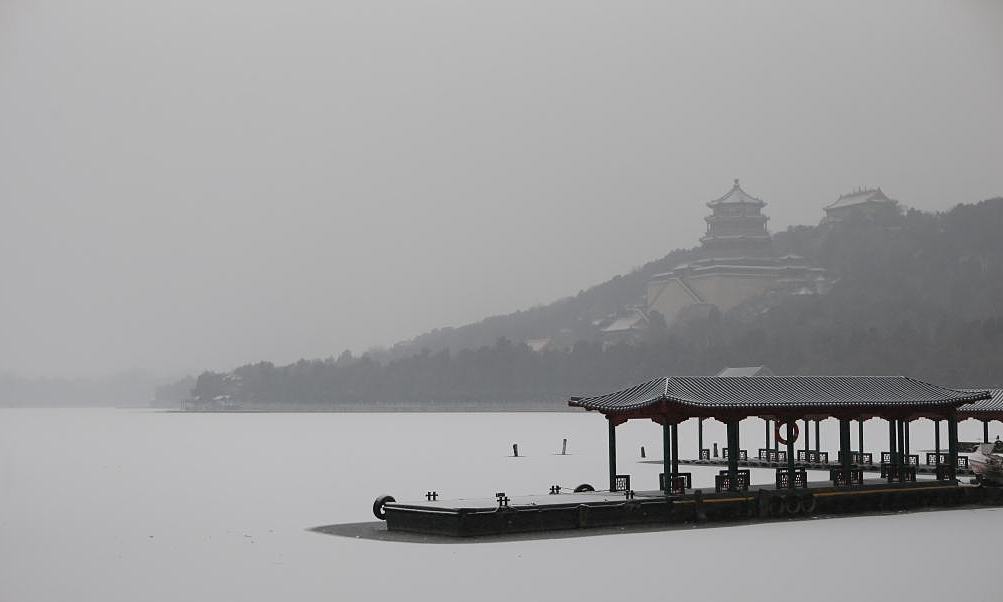 |
Kunming Lake in the Summer Palace was covered in snow and frozen after the first snowfall on 12/12. On the distant hillside stands Phat Huong Cac, a symbol of the Summer Palace.
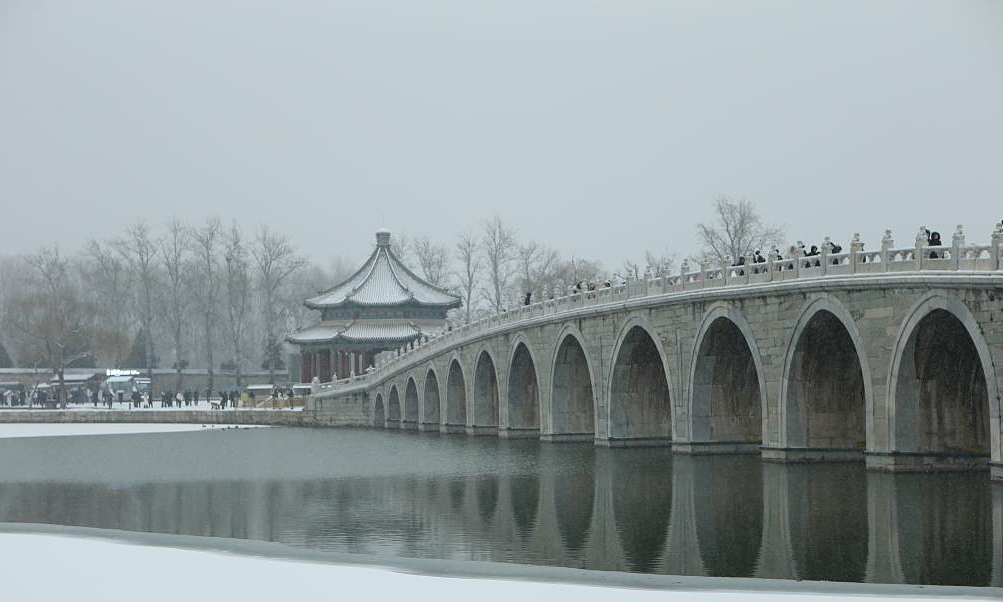 |
The Seventeen-Arch Bridge, blanketed in snow, spans Kunming Lake within the Summer Palace grounds. This stone structure, nearly 150 m long, connects the east bank to South Lake Island, appearing solemn in the first snowfall.
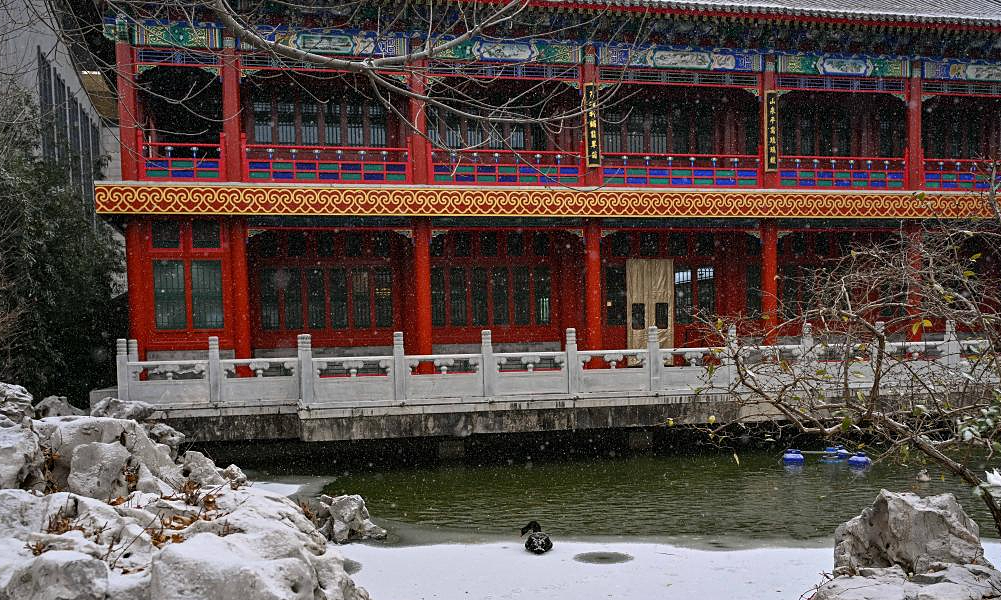 |
The Long Corridor in Yihe Yuan was also covered in white snow. This nearly 730 m long covered corridor runs along the north bank of Kunming Lake, distinguished by its traditional red and blue architecture.
 |
Visitors to Beijing during snowfall should prioritize safety. It is advisable to wear non-slip shoes and thick warm clothing, and to monitor weather forecasts via official applications. Public transport, such as the subway, continues to operate normally, but buses and taxis may experience delays due to heavy snow. The Beijing Meteorological Observatory forecasts snow to gradually decrease by the morning of 13/12, though a cold spell will persist until the weekend, potentially bringing additional light snow.
Mai Phuong (According to Xinhua, People)