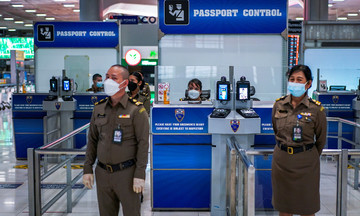
Harbin is currently China's most popular destination, attracting many Vietnamese visitors this winter, according to China Daily. The city's main attractions include the world's largest ice and snow festival, the "Harbin International Ice & Snow Sculpture Festival", and Harbin Fashion Week.
To prepare for a trip in such harsh weather, Huyen Trang from TP HCM, who completed an eight-day trip to Harbin in mid-january, shared crucial advice. She collaborated with Huynh Manh, an international tour guide with five years of experience at Bucketravel Travel Company in TP HCM. Their recommendations focus on clothing, food, and movement to help travelers adapt to temperatures as low as -30°C.
Timing your visit to Harbin is key for the best experience. Huyen Trang visited prominent destinations such as the ice sculpture exhibition, the fashion show, Snow Village, and Yabuli Ski Resort. She recommends the period from january 5 to late february as the ideal time to visit Harbin.
For those wishing to avoid crowds while still enjoying fully completed ice structures, january is the recommended month. During this time, the ice is new, clear, and at its most pristine. Travelers should avoid visiting during Lunar New Year, as this period can involve queuing for up to three hours for each attraction.
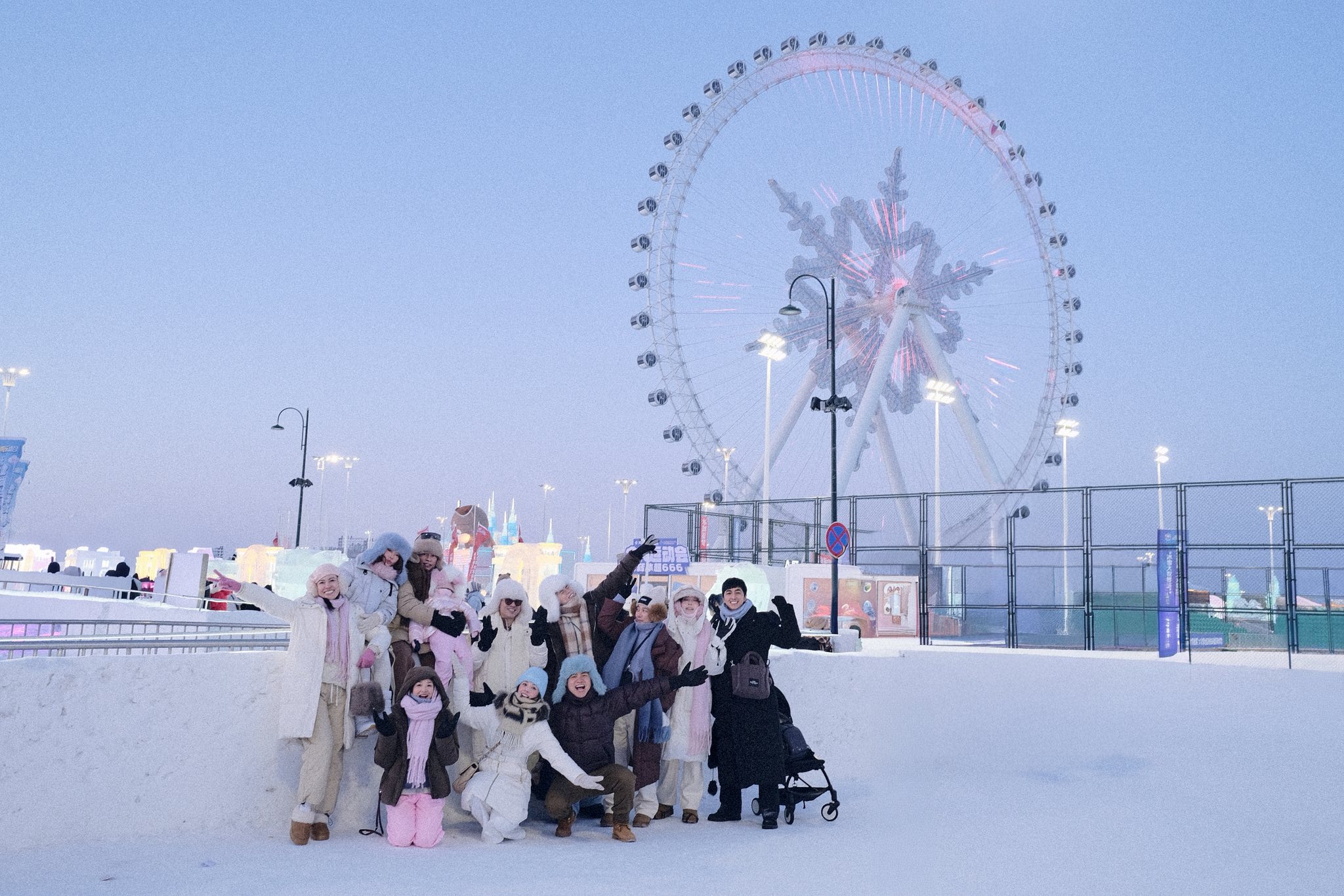 |
Trang and her friends at Harbin Ice and Snow World, mid-january. *Photo: Provided by the subject* |
Proper clothing is essential for enduring Harbin's winter. Northeast China experiences a cold continental climate with prolonged low temperatures. While not excessively dry or humid like coastal or temperate zones, average temperatures fluctuate between -20 and -10°C, occasionally dropping to -30°C during extreme cold spells. The dry weather, heavy snowfall, and strong winds create an icy world that can impact health if not adequately prepared.
"Do not underestimate the biting cold of northeast China; prepare thoroughly," Trang advised. Visitors should equip themselves with "expedition grade" gear. The principle of wearing multiple layers is vital for warmth and comfort.
Here's a guide to layering:* Innermost layer: Choose thermal shirts and pants made from moisture-wicking materials like synthetic fibers or blended cotton. Avoid 100% cotton, as it retains sweat and can make you cold. Opt for specialized heattech thermal wear (Extra Warm series) or merino wool.* Middle layer: A thick fleece or merino wool sweater.* Outer layer: A thick, windproof, and waterproof parka or down jacket. A knee-length style is recommended to cover the thighs.* Accessories: A wool hat that covers the ears, leather or ski gloves, and a large scarf.* Footwear: Specialized snow boots with thick fur lining and non-slip soles, paired with thick socks.* Warmers: Use adhesive heat packs on your back and the soles of your feet.* Eyewear: Anti-glare sunglasses are beneficial to protect eyes from light reflecting off the snow.* Skincare: Moisturizer, lip balm, and sunscreen are crucial to combat dry skin.
 |
Without adequate clothing, visitors cannot withstand the cold in Harbin, Trang noted. *Photo: Provided by the subject* |
Eating and drinking properly also helps combat the cold. According to Manh, the dry, cold air causes the body to lose water faster than usual. Travelers should carry a thermos with hot water or ginger tea to warm the body internally. Cold weather also increases hunger. Hot, protein-rich food and drinks help maintain body temperature and provide the energy needed for outdoor activities, reducing the sensation of cold.
Harbin's restaurants primarily serve grilled and spicy dishes. If you have dietary restrictions, inform your tour operator in advance or bring suitable food options.
Protecting electronic devices is another important consideration. Low temperatures can quickly drain the batteries of phones, cameras, and other electronic gadgets. Travelers should carry a power bank and keep devices in pockets close to their body to keep them warm, ensuring they remain functional when needed. Attaching a heat pack to the back of your phone can also be helpful.
Other important tips for a smooth trip include navigating the icy conditions and planning your stay. Streets and parks in Harbin during winter are often covered in thick snow and ice, making them slippery. Specialized footwear is essential for safe movement.
To minimize exposure to the biting cold, visitors should prioritize hotels with good heating systems in central areas or near tourist attractions. Itinerary adjustments are also important; be flexible and shorten activities if your body shows signs of struggling with the low temperatures, to prevent deep cold exposure and its health impacts.
Beyond its famous ice festival, Harbin offers rich historical, cultural, and architectural value. Thorough preparation ensures a complete, safe, and convenient trip filled with discovery.
Tam Anh