 |
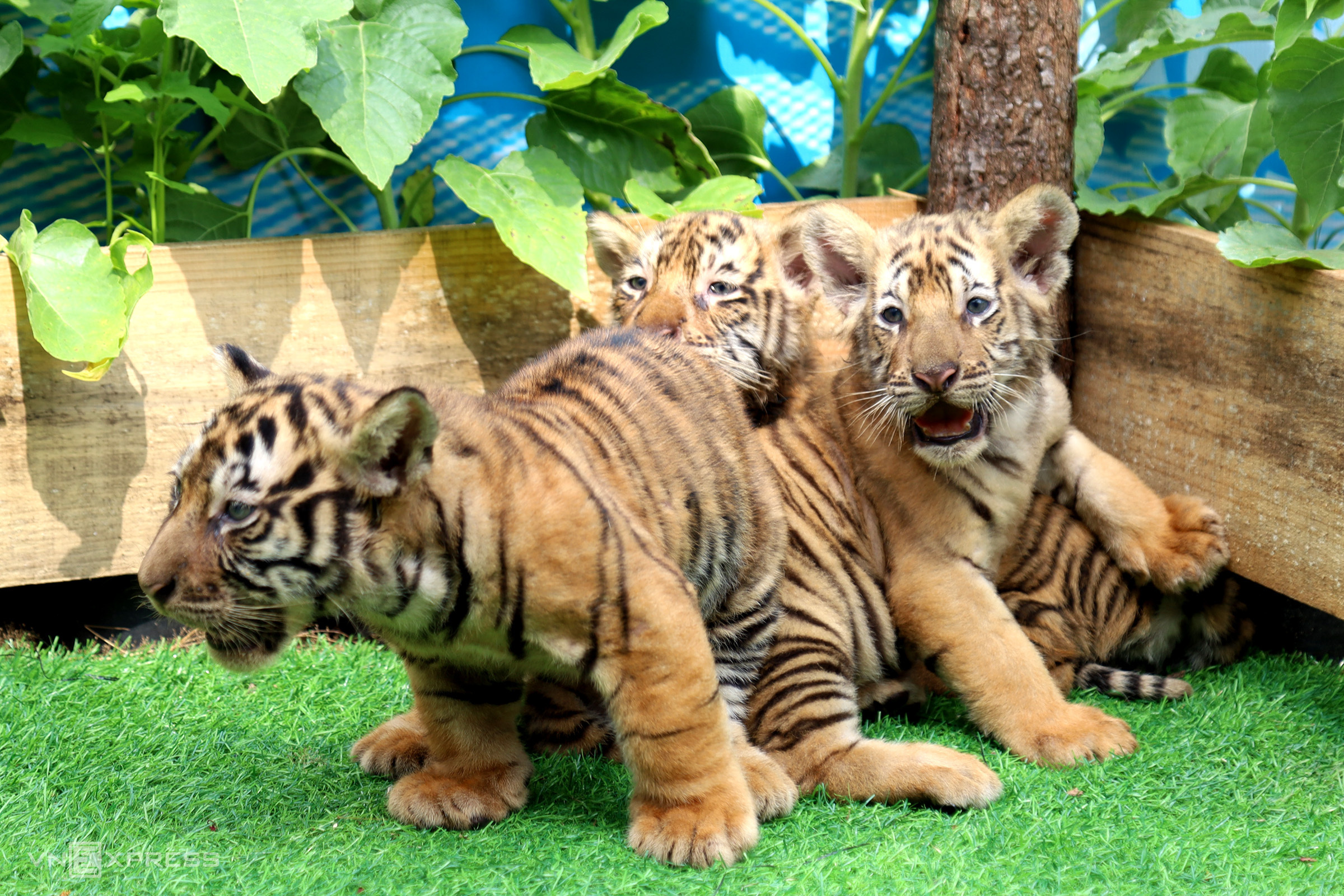
FLC Zoo Safari Park Quy Nhon introduced three 20-day-old tiger cubs to visitors and students for viewing and photography. The three Bengal cubs, one male and two female, weigh 4-5 kg each and have been named Hung, Ha, and Trang. According to zoo staff, these names were chosen from common Vietnamese names to foster a sense of familiarity for visitors.
The male cub, Hung, is mischievous and rarely stays still. The two female cubs, Ha and Trang, are shy and often huddle in a corner. Cub Hung also shows occasional aggression, starting to bite and tear at objects.
Visitors and students observed and photographed the cubs from a close distance. On holidays, the zoo displays the cubs for about one hour from 9h to 10h.
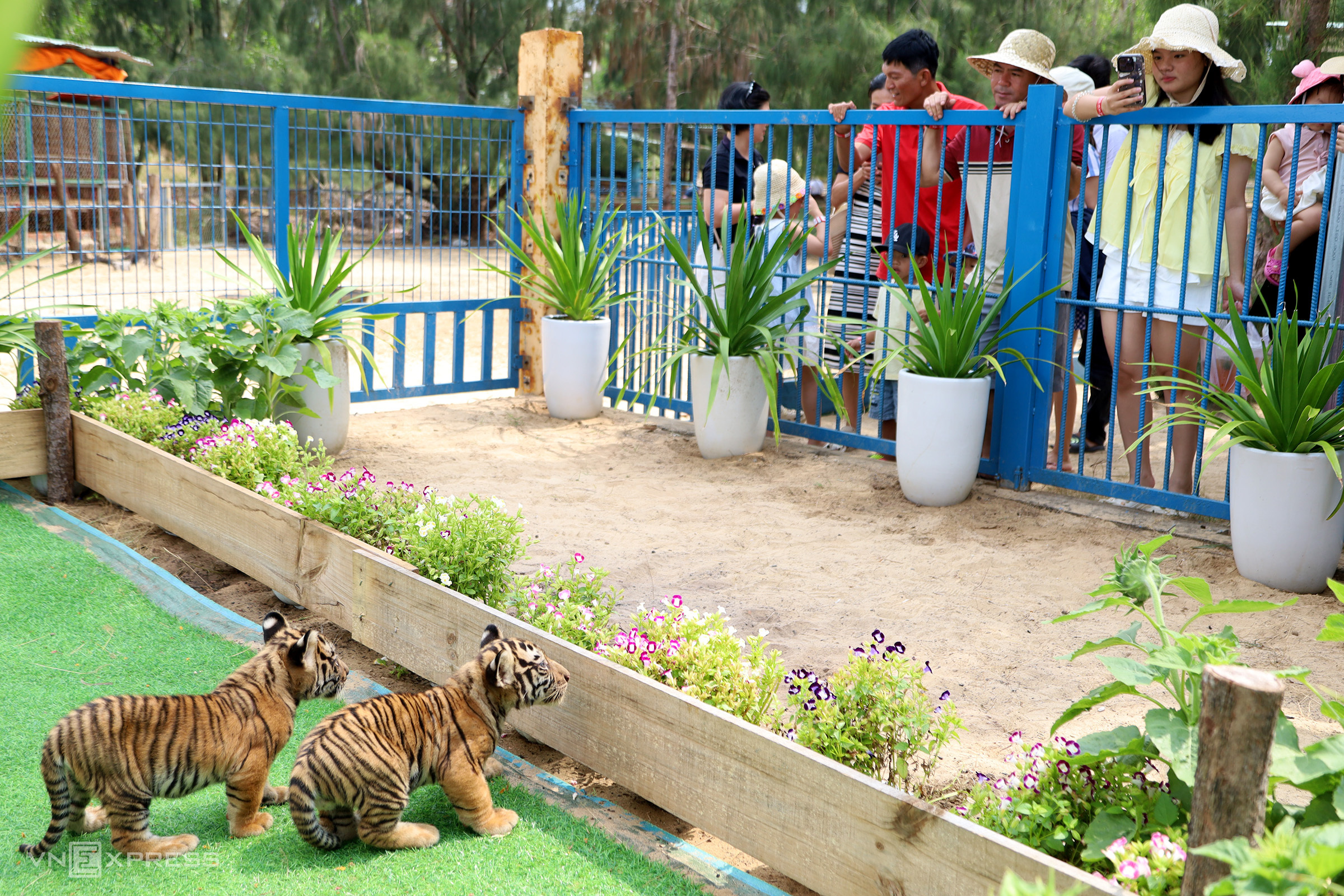 |
Visitors enjoyed capturing images of the three tiger cubs.
 |
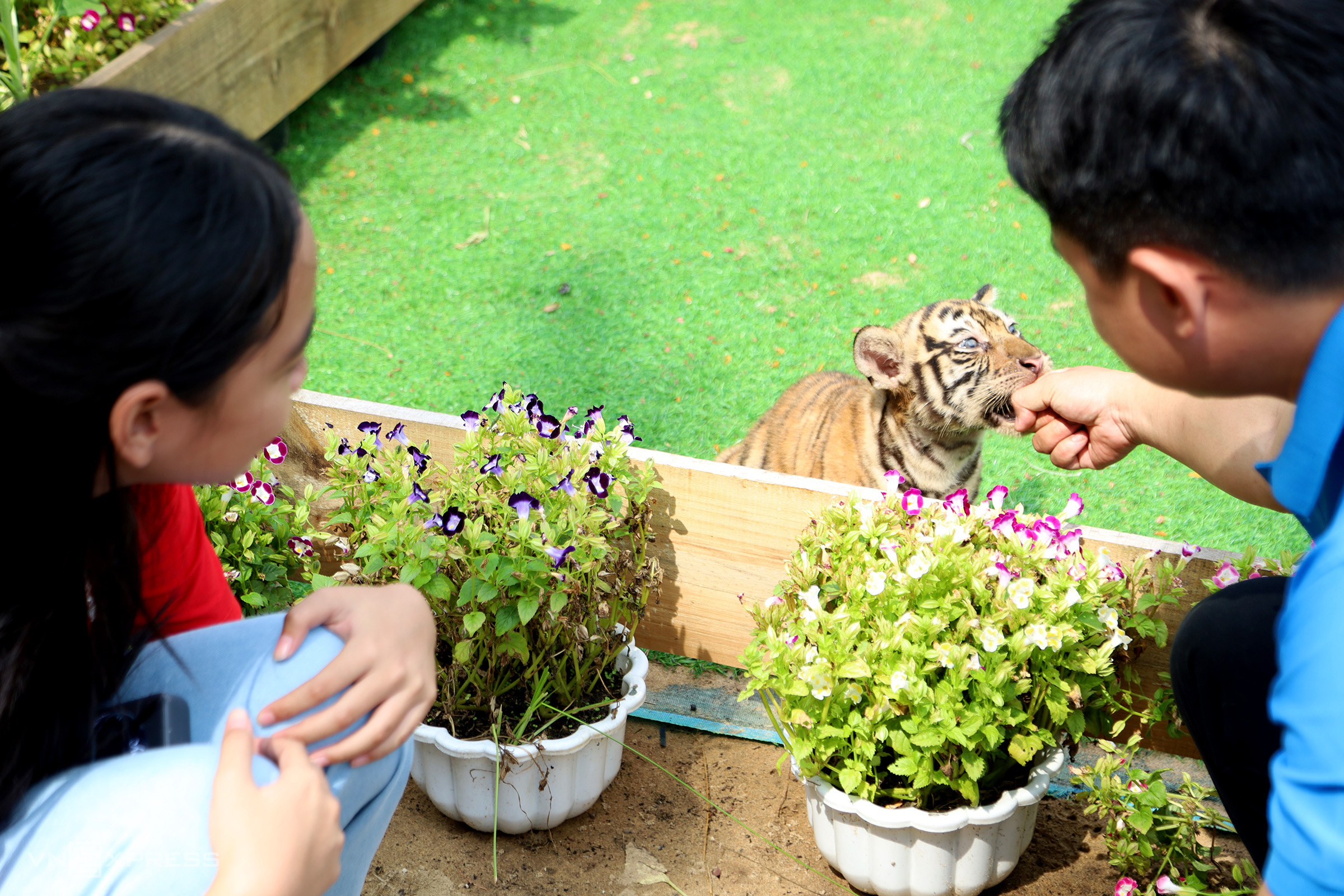
Tran Hoang Ngan, a 6th-grade student in Quy Nhon, shared that this was her first time seeing such cute and lovely young tigers up close.
 |
Nguyen Ham Minh Duc, a zoo staff member, stated that mother tigers are often more aggressive during pregnancy and after birth. Caring for both the mother and cubs during this period requires vigilance to ensure safety. Upon detecting signs of pregnancy, the zoo separates the tiger into a private enclosure, supplements its nutrition and minerals, and limits its movement. Closer to the birthing time, lighting in the enclosure is reduced to create a safe environment for natural birth.
Nguyen Ham Minh Duc holds cub Hung, bidding farewell to visitors.
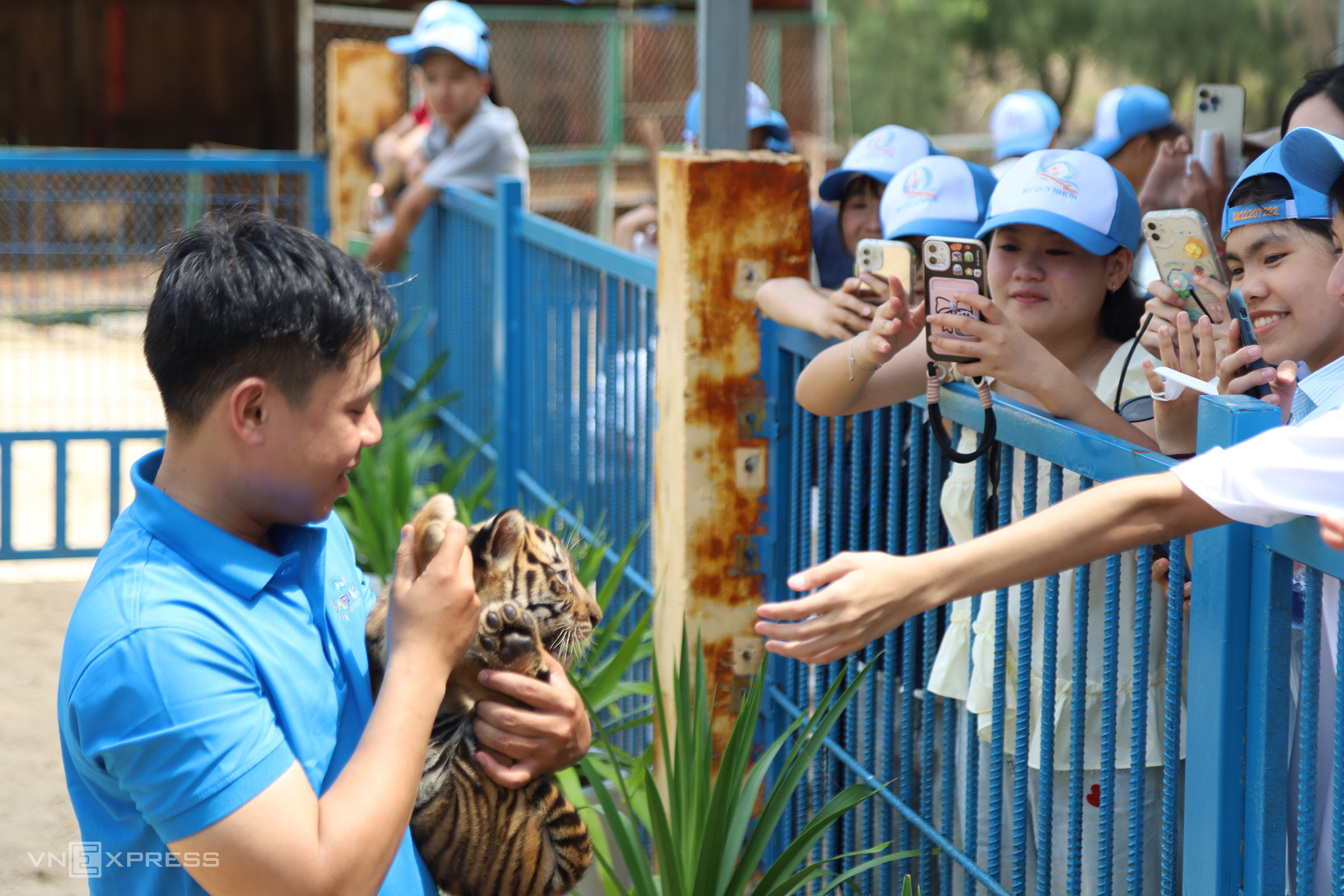 |
Hundreds of students were brought by their schools to visit, see the tigers, and enjoy various other experiences at the zoo.
The zoo currently cares for 11 tigers. One mother tiger gave birth to three cubs last year, and these individuals are now thriving, weighing about 50 kg after 8 months of care.
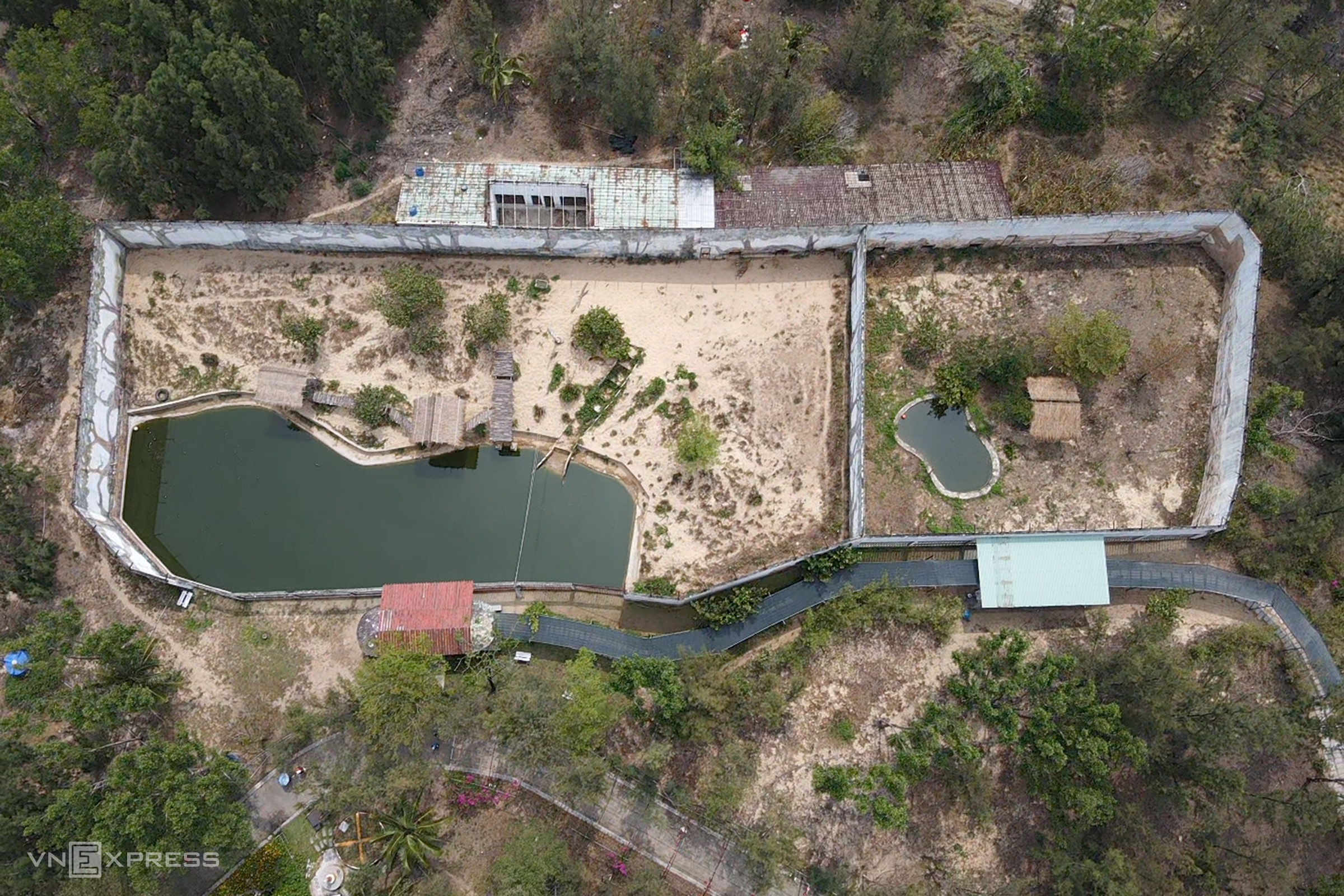 |
Three adult tigers are kept in semi-wild conditions. One of the three adult tigers being fed by a staff member.
Safari Quy Nhon spans nearly 130 ha and is part of the FLC Quy Nhon Beach & Golf Resort complex. This wildlife park conserves over 1,000 individuals from hundreds of rare species, including bears, lions, ostriches, sika deer, camels, gibbons, and langurs. The safari tourism model here is divided into 13 functional zones, providing natural living spaces for the animals.
Tran Hoa