The International Maritime Organization (IMO) has recently developed a plan to evacuate commercial vessels and crews stranded in the Gulf due to the Iran conflict. Natasha Brown, an IMO spokesperson, told Russia's Izvestia newspaper on 24/4 that 40 member states had endorsed the plan.
Brown stated that the IMO would compile a list of vessels needing to depart the area and coordinate the evacuation process. According to the IMO, this evacuation plan involves no coercive measures and is entirely cooperative.
IMO Secretary-General Arsenio Dominguez stated on 21/4 that the plan focuses on establishing a "safe maritime corridor," prioritizing the evacuation of about 800 vessels stranded due to the Strait of Hormuz blockade. Vessels will depart in an organized sequence, partly based on the duration their crews have been stranded.
Dominguez declared that the evacuation operation could only proceed if the conflict de-escalates and the area is confirmed safe, particularly free from threats such as naval mines.
The IMO Secretary-General reported that about 20,000 sailors have been stranded in the Gulf since the US-Israel conflict with Iran erupted, with no clear timeline for their return home. Experts believe that the mechanism for evacuating vessels and crews can only be effective with signs of de-escalation, ensuring maritime safety.
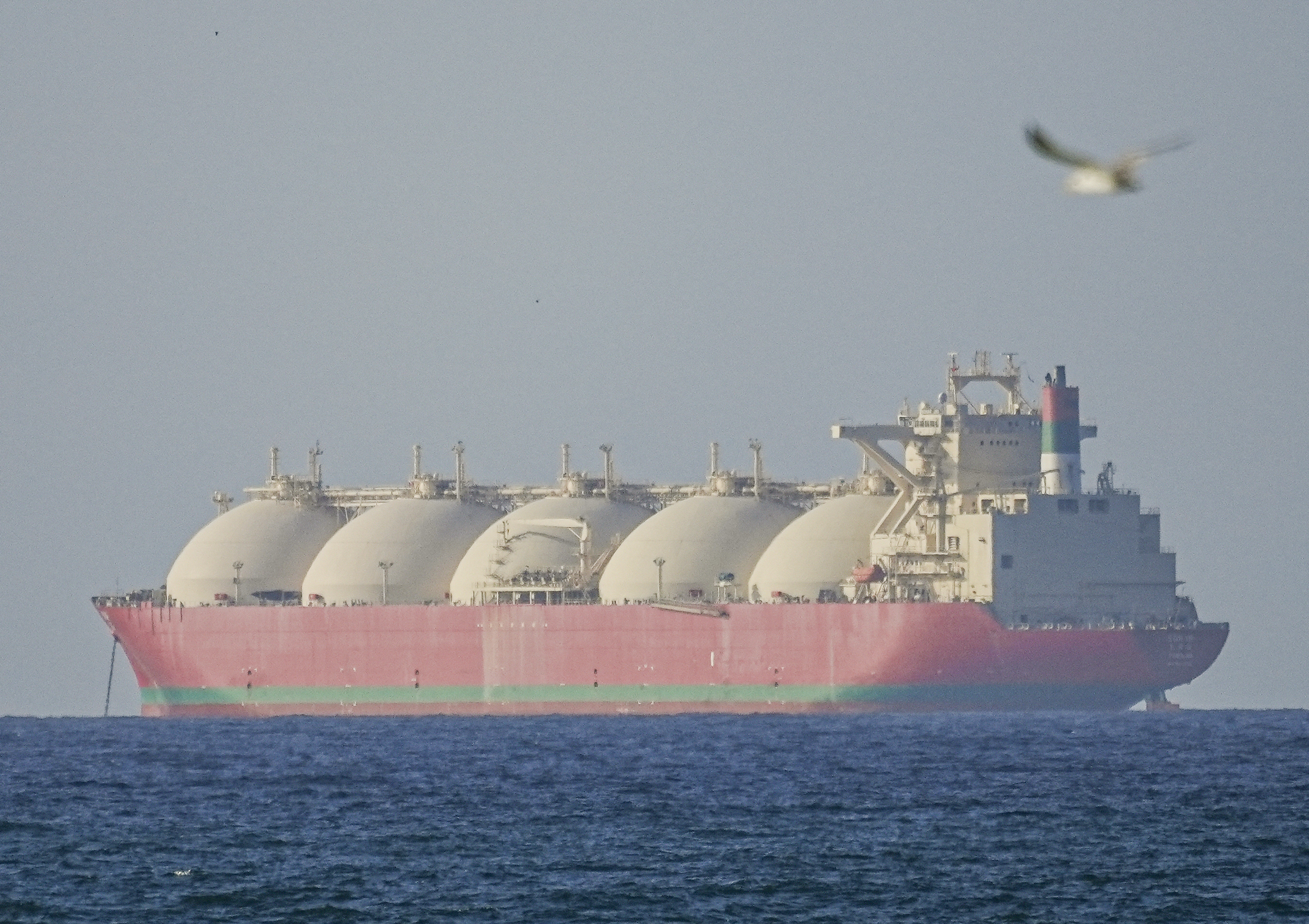 |
A ship moves through the Strait of Hormuz as seen from Oman on 8/4. Photo: AFP |
According to Brown, the IMO's objective is to ensure that vessels can safely depart the area by utilizing the current traffic separation scheme, provided that all safety factors are ensured.
Associate Professor Mikhail Khachatryan from the Financial University of Russia remarked that, under current conditions, ensuring the safe departure of vessels from the Gulf can only be achieved through direct or indirect agreements between shipowners and Iranian authorities.
Before the Middle East conflict erupted on 28/2, the Strait of Hormuz served as a vital artery for the transit of about 20% of the world's crude oil and gas supplies, along with one-third of raw materials for global agricultural fertilizer production.
Following the outbreak of hostilities, Iran nearly blockaded the strait, allowing passage only for "friendly" vessels or those that paid a fee. The US responded by enforcing a blockade outside the Gulf of Oman, warning it would seize any vessel arriving at or departing from Iranian ports, or that had paid fees to Tehran. This situation has subjected commercial vessels operating in the region to a "double blockade."
By Ngoc Anh (Based on Izvestia, TASS)