"I don't want to reveal it, but we are working with the current leadership," President Donald Trump told Reuters in a phone interview on 24/4, when asked which Iranian officials the US was negotiating with.
"They are putting forth proposals, and we'll see," he said, adding that the specific nature of Iran's proposals was not yet known. The US leader has consistently maintained that any agreement must include provisions for Tehran to abandon enriched uranium and ensure free oil passage through the Strait of Hormuz.
White House Press Secretary Karoline Leavitt announced on the same day that US envoys Steve Witkoff and Jared Kushner, President Trump's son-in-law, would depart for Pakistan on 25/4 morning to participate in negotiations with Iranian representatives. "The Iranian side has contacted us and requested this direct meeting," Leavitt said, expressing hope that the talks would advance the process toward an agreement.
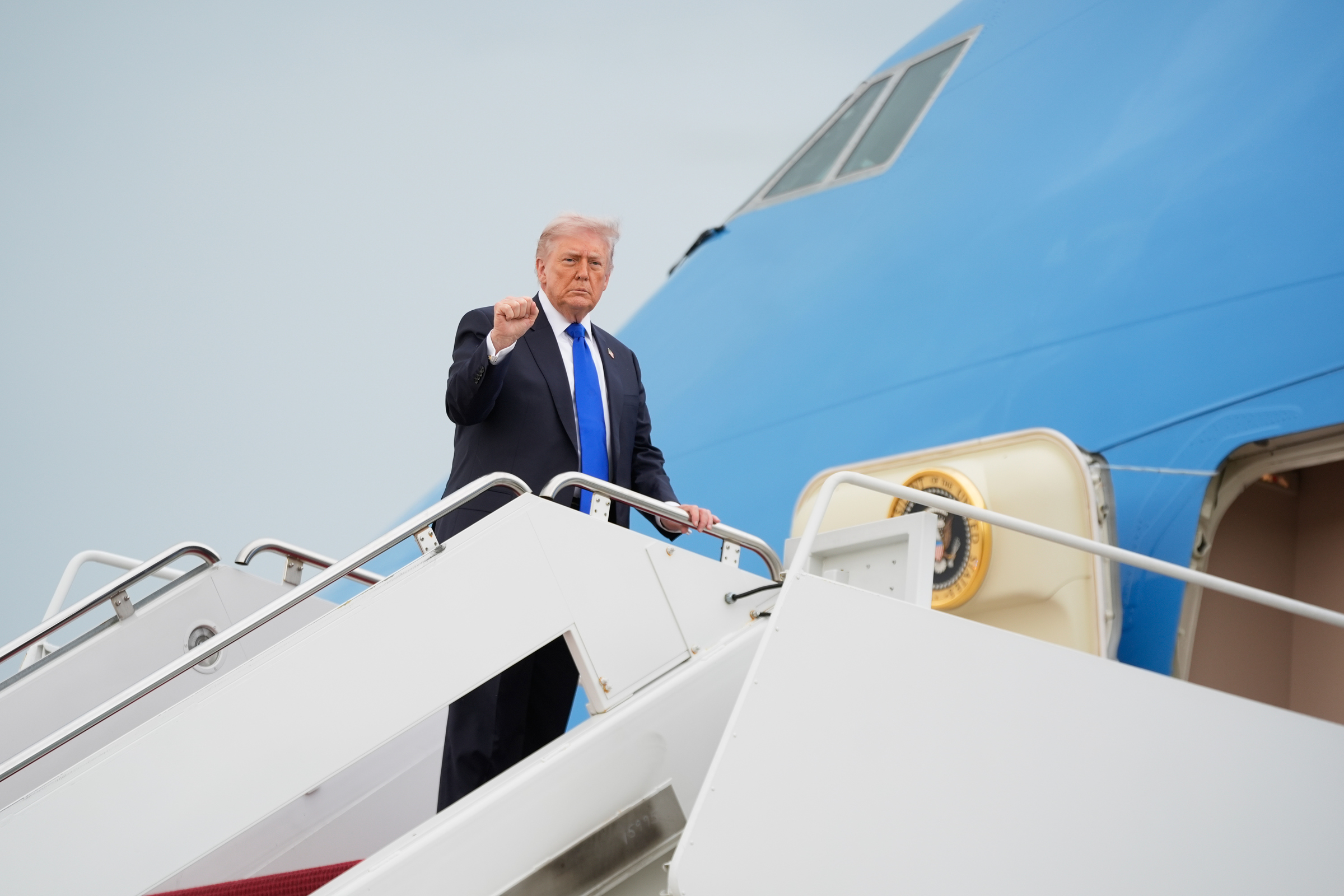 |
President Donald Trump at Joint Base Andrews in Maryland on 24/4. Photo: AP |
White House officials added that Vice President JD Vance, who led the first round of negotiations in Islamabad two weeks ago, would not participate in this event but remained ready to fly to Pakistan if needed.
Iranian officials have not commented on the information.
Pakistani sources previously reported that US logistics and security teams were already in Islamabad preparing for potential talks.
Pakistan's Foreign Ministry announced that Iranian Foreign Minister Abbas Araqchi arrived in Islamabad on 24/4 to discuss "efforts to achieve regional peace and stability" with Pakistani officials. However, they did not mention negotiations with Witkoff and Kushner.
Two government sources indicated that upon arriving in Islamabad, Araqchi went directly to a meeting with Pakistan's Foreign Minister Ishaq Dar at the Serena Hotel, the venue for the first round of talks with the US.
Foreign Minister Araqchi wrote on social media that he was visiting Pakistan, Oman, and Russia to "coordinate with partners on bilateral issues and consult on regional situations." An Iranian Foreign Ministry spokesperson stated that officials from his country had no plans to meet US representatives; Iran's concerns would be conveyed through Pakistan.
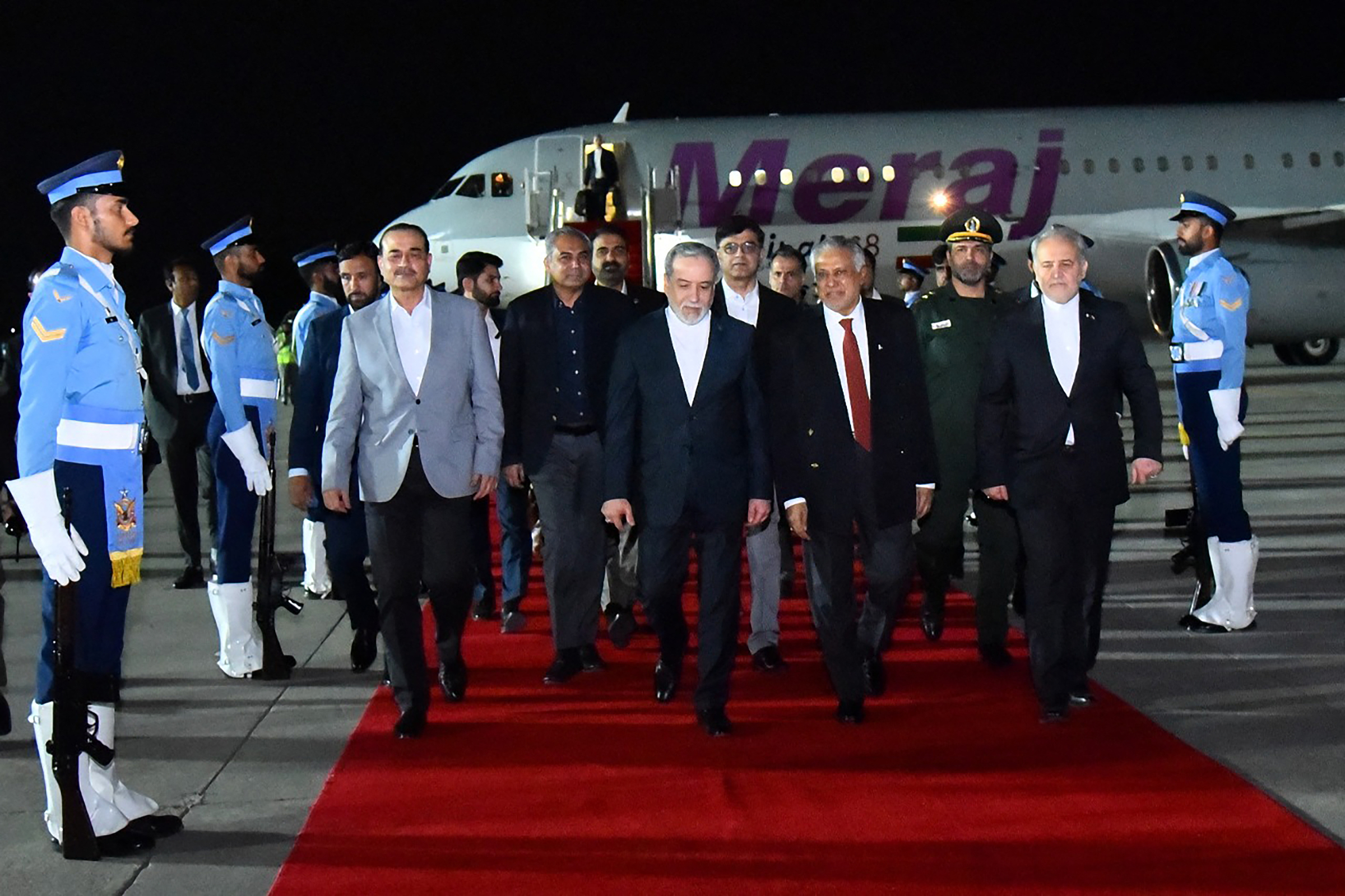 |
Foreign Minister Araqchi (center) at Nur Khan base, near Islamabad, Pakistan on 24/4. Photo: AFP |
The US and Iran previously negotiated for approximately 21 hours in Pakistan's capital, Islamabad, on 11/4. However, they failed to reach consensus on key issues, including control of the Strait of Hormuz and whether Iran could continue uranium enrichment.
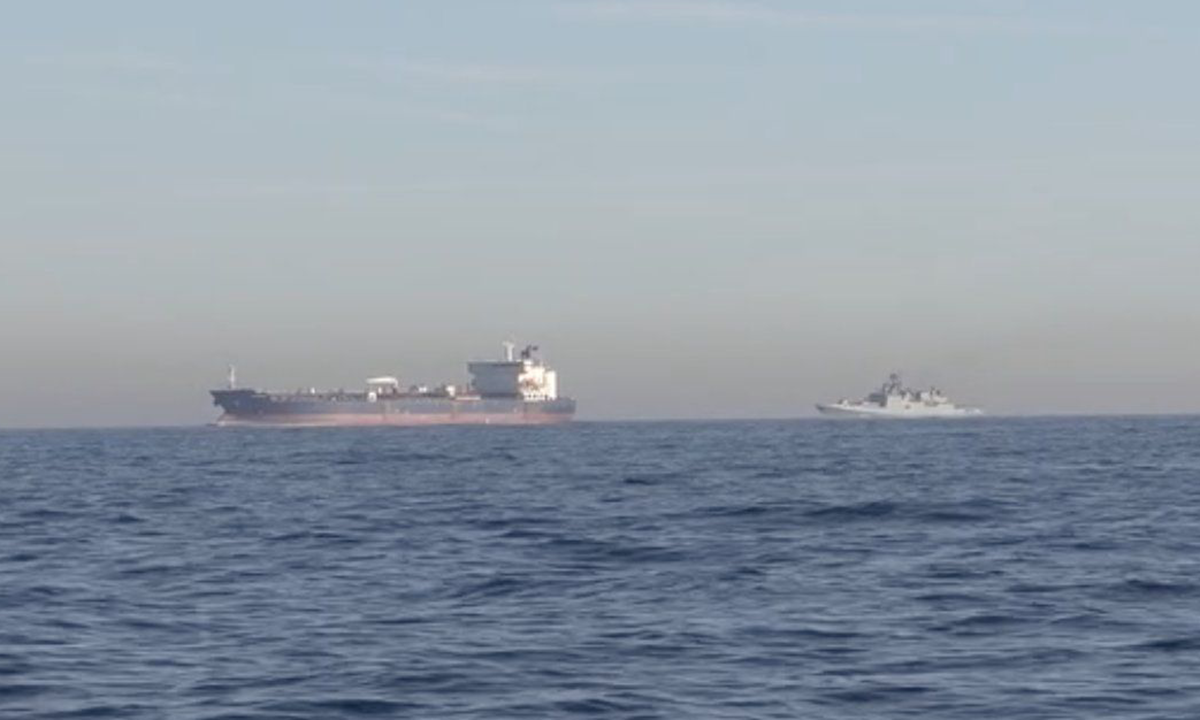
President Trump ordered a blockade of Iranian seaports from 13/4 to pressure the country into accepting agreement terms. Tehran did not yield and responded by tightening control over the Strait of Hormuz.
Peace talks were expected to resume on 21/4 but did not occur, as Iran declared it was not ready for direct dialogue with the US. President Trump extended the ceasefire with Iran until Tehran presents specific proposals to Washington.
During a press conference on 24/4 morning, US Defense Secretary Pete Hegseth said that Tehran has an opportunity to reach a "good deal" with Washington. "Iran knows that they still have an open opportunity to make a wise choice. All they have to do is abandon nuclear weapons in meaningful and verifiable ways," he stated.