 |
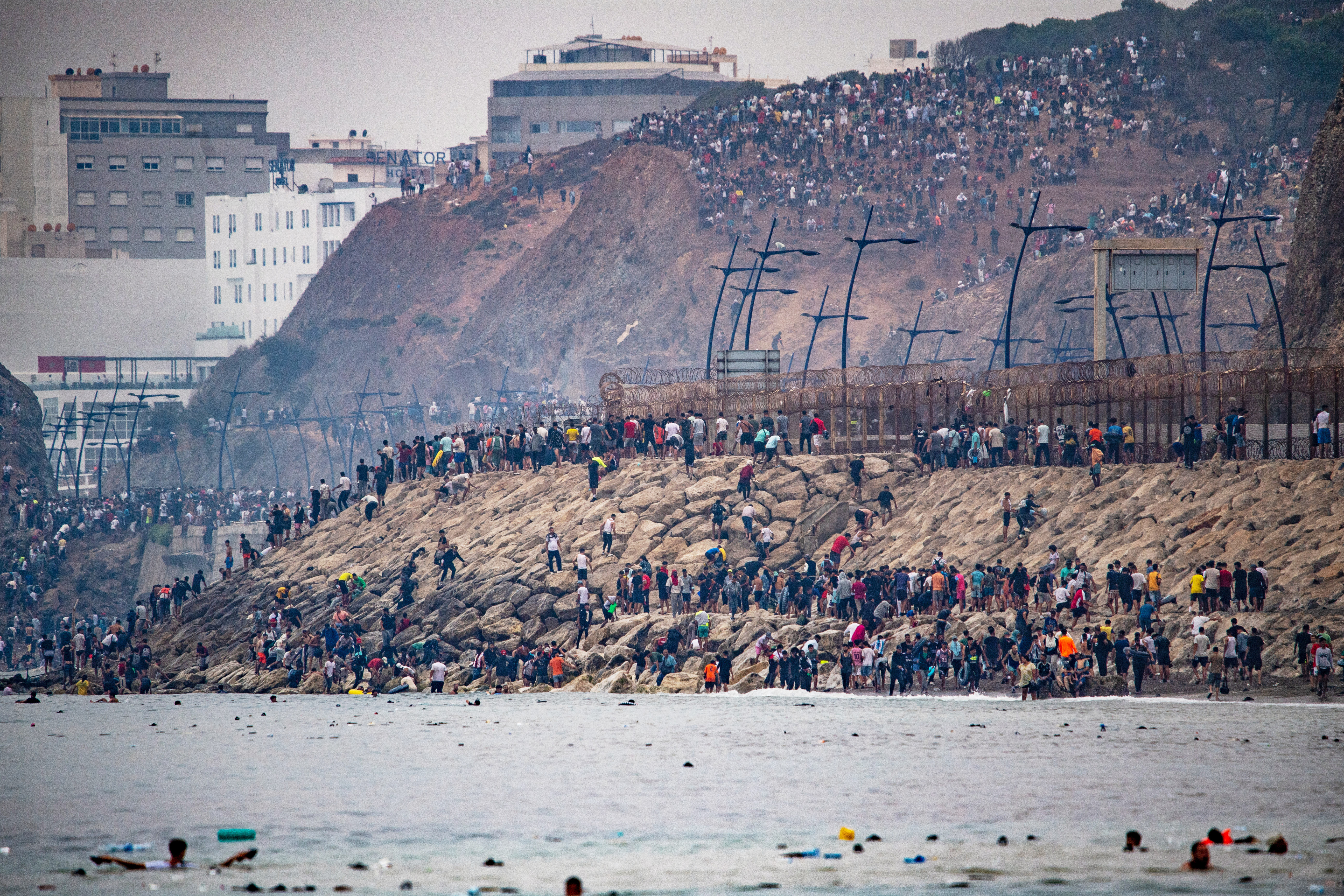
Border tensions between Spain and Morocco escalated sharply following a massive influx of migrants into the autonomous city of Ceuta, beginning on 29/7. Ceuta authorities estimated over 60,000 migrants entered the city in recent days. The Spanish Interior Ministry reported on 31/7 that an estimated 49,000 individuals crossed into Ceuta within a 24-hour period, arriving by both sea and land from Morocco. Despite Ceuta being separated from Morocco by a 10-meter-high border fence, migrants bypassed this barrier by swimming around it to reach Tarajal beach.
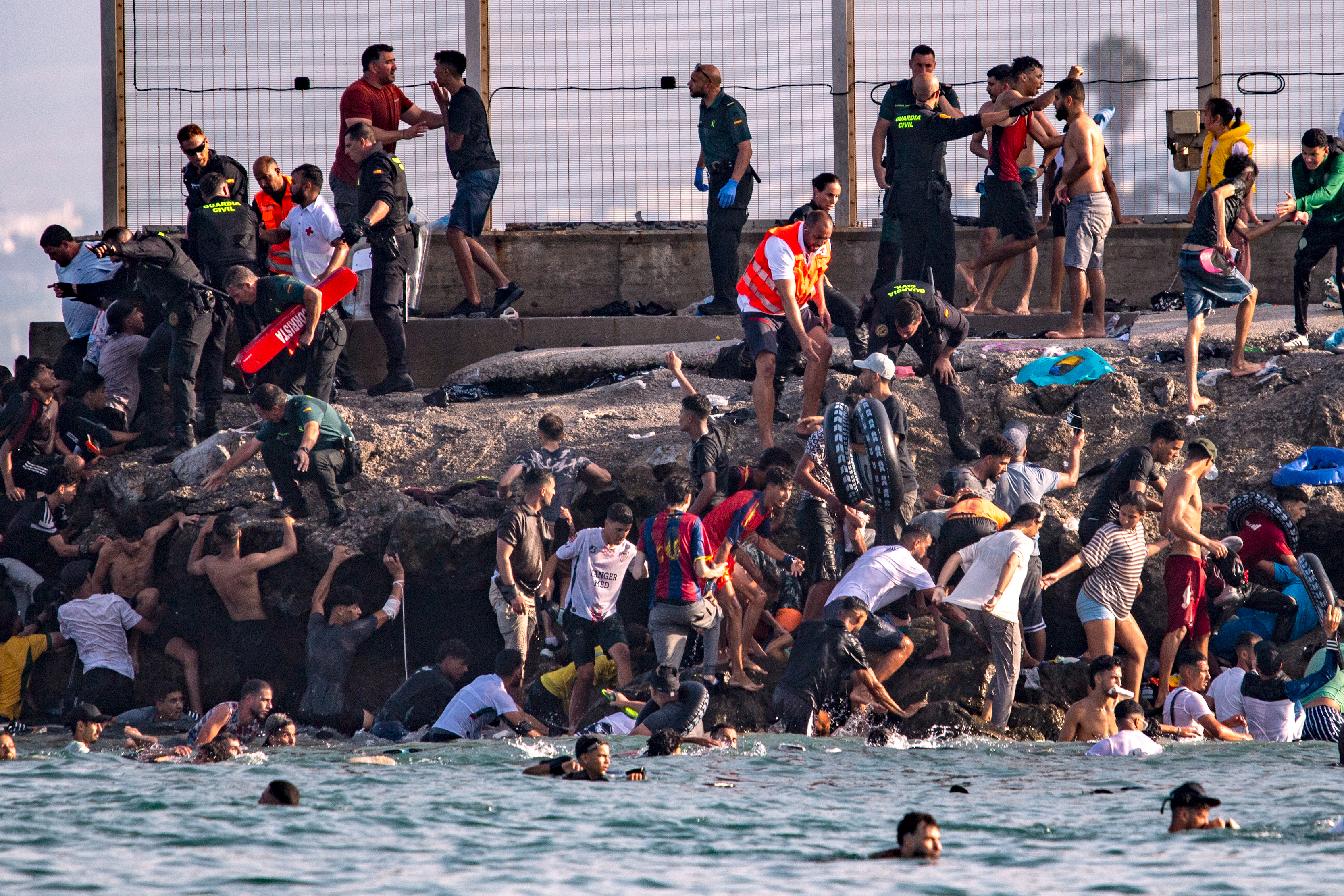 |
Ceuta is separated from Morocco by a 10-meter-high border fence, but migrants from Morocco can swim around this barrier to reach Tarajal beach in Ceuta.
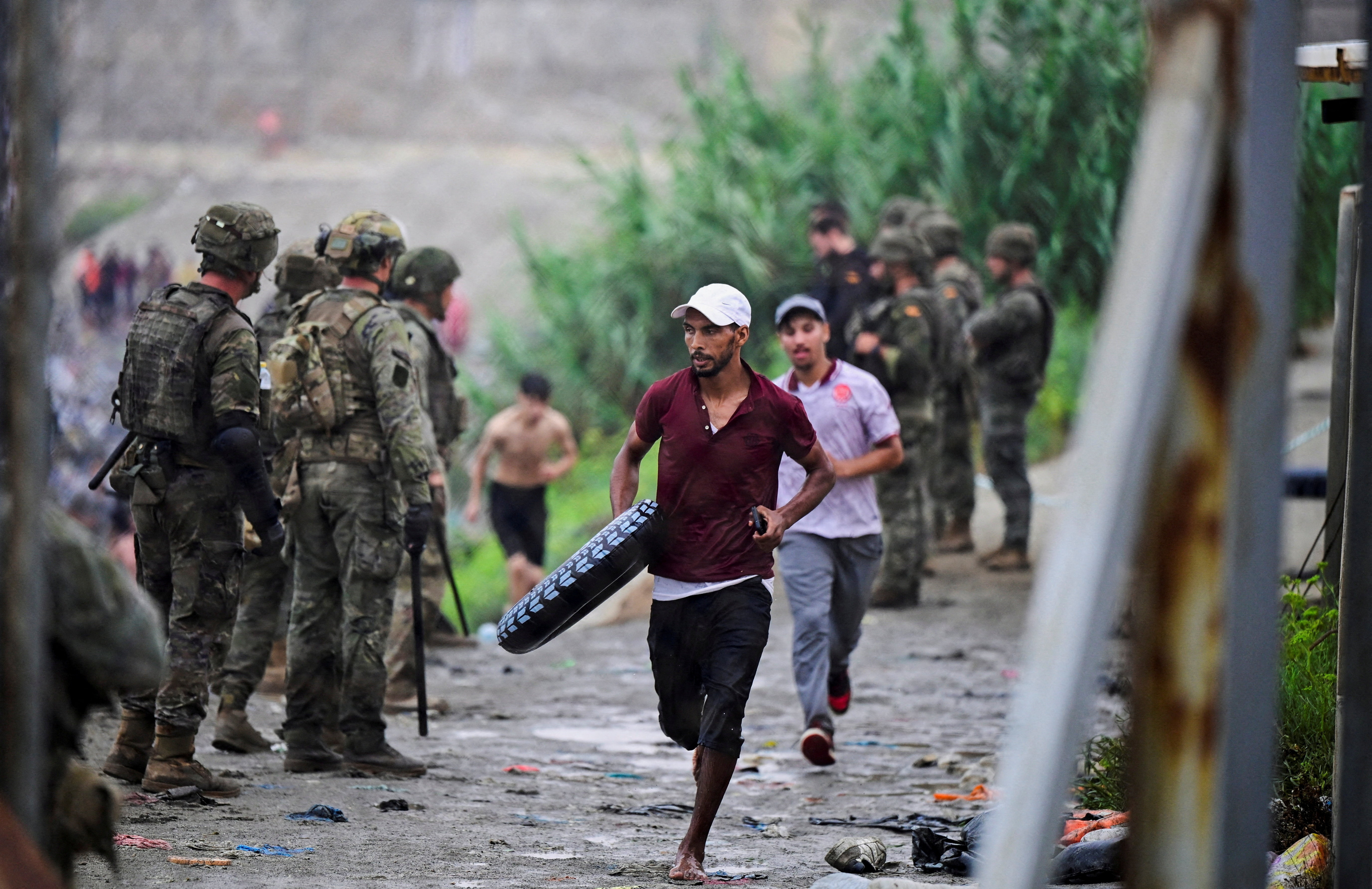 |
A migrant, still holding a swimming float, runs past Spanish security forces.
 |
Spanish Prime Minister Pedro Sanchez condemned the surge of people into Ceuta, labeling it an attack and an infringement on national territory. Sanchez also expressed understanding for local residents' concerns about this migration wave. In response, Spain deployed its military to assist Ceuta authorities in restoring order and ensuring security. The government urged Morocco to cooperate in controlling the situation and planning the prompt return of those who crossed the border.
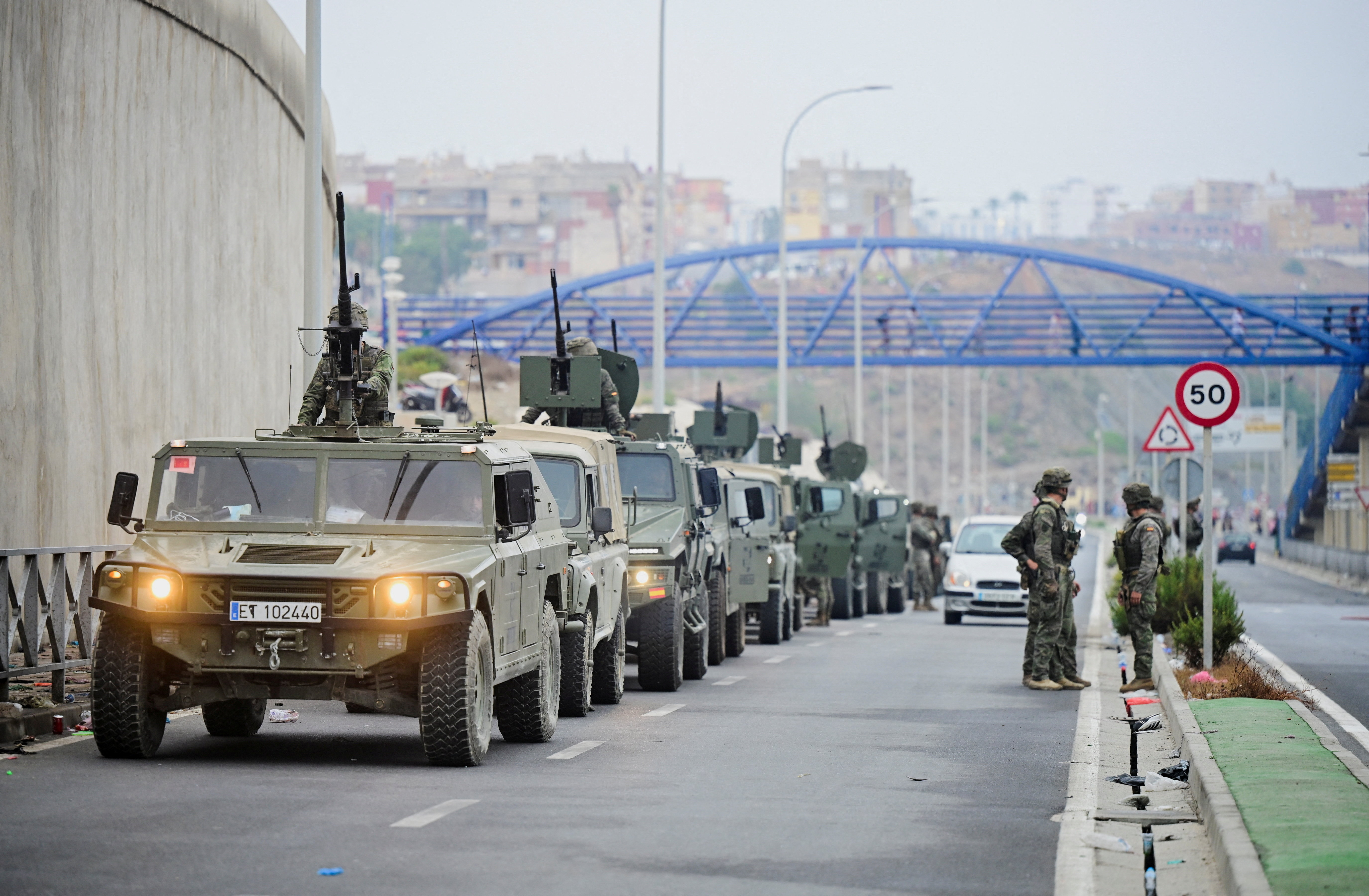 |
Spain deployed its military to assist Ceuta authorities in restoring order and ensuring security, while also urging Morocco to cooperate in controlling the situation and planning the prompt return of those who crossed the border.
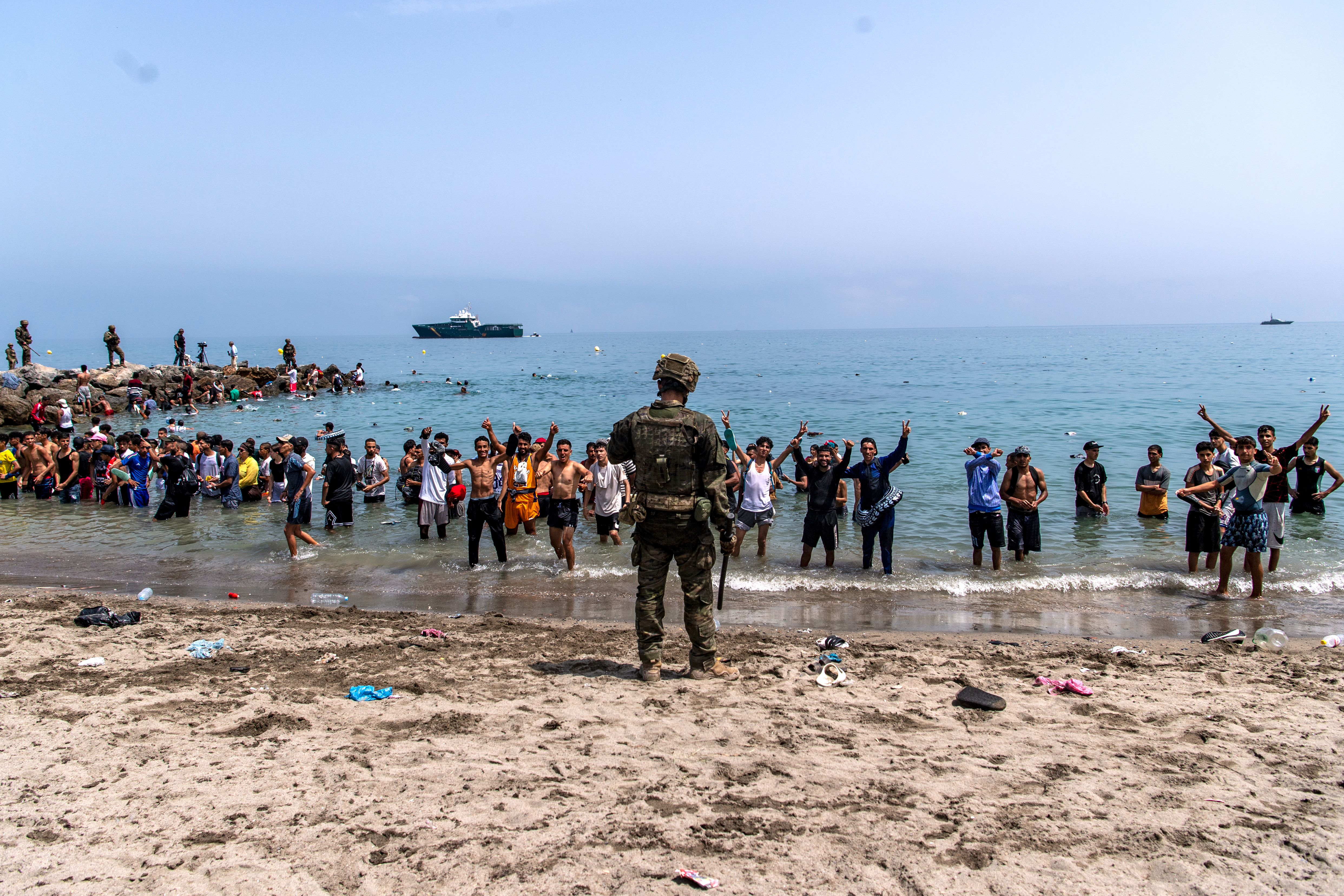 |
Spanish army soldiers block beach access for individuals attempting to cross from Morocco into Ceuta.
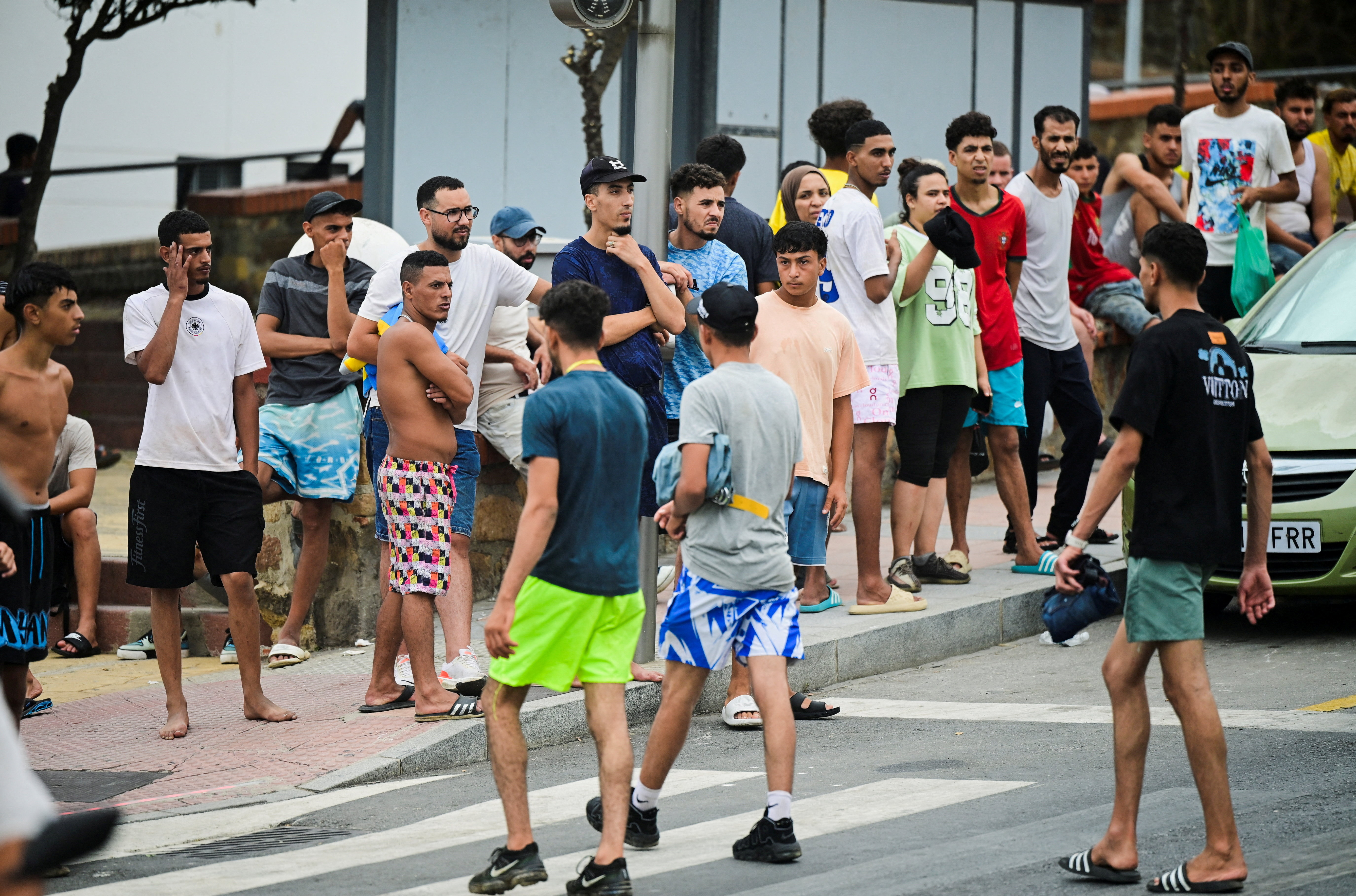 |
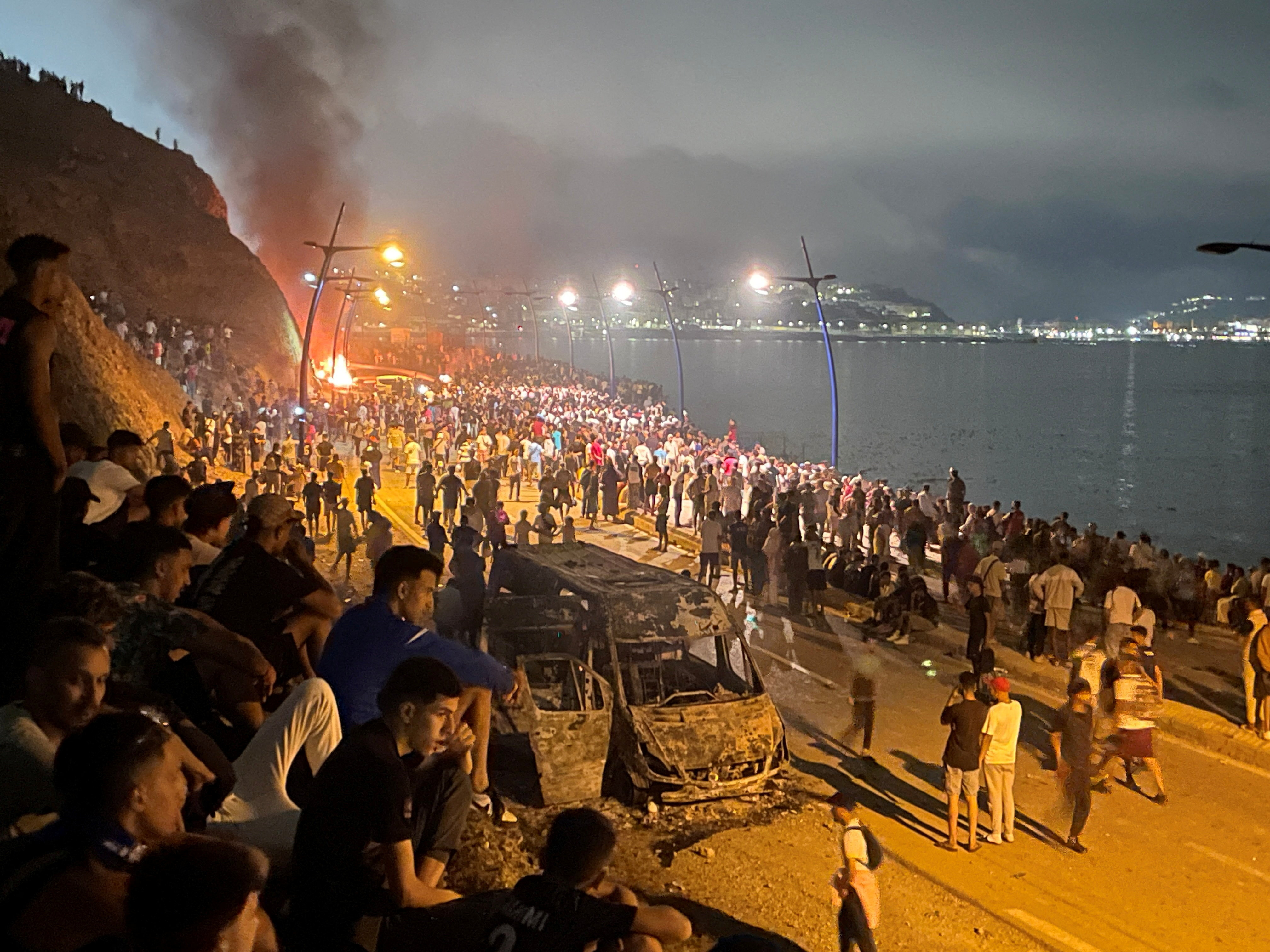
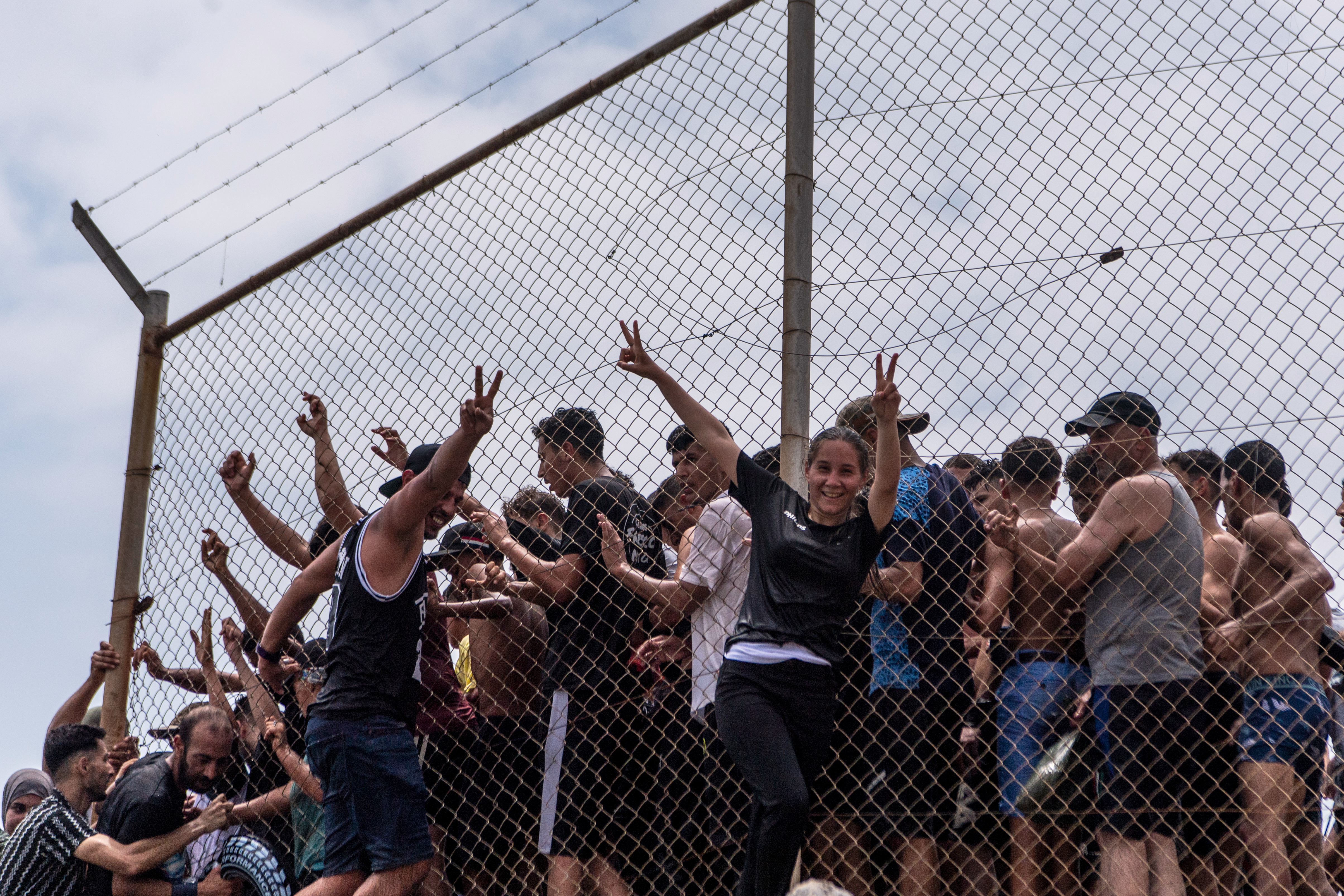
Migrants gathered in Ceuta's city center on 31/7. Ceuta government leader Juan Jesus Vivas urged the government to declare a national security emergency and to deploy more police and military personnel to the enclave to "ensure the inviolability of the border and the safety of its citizens".
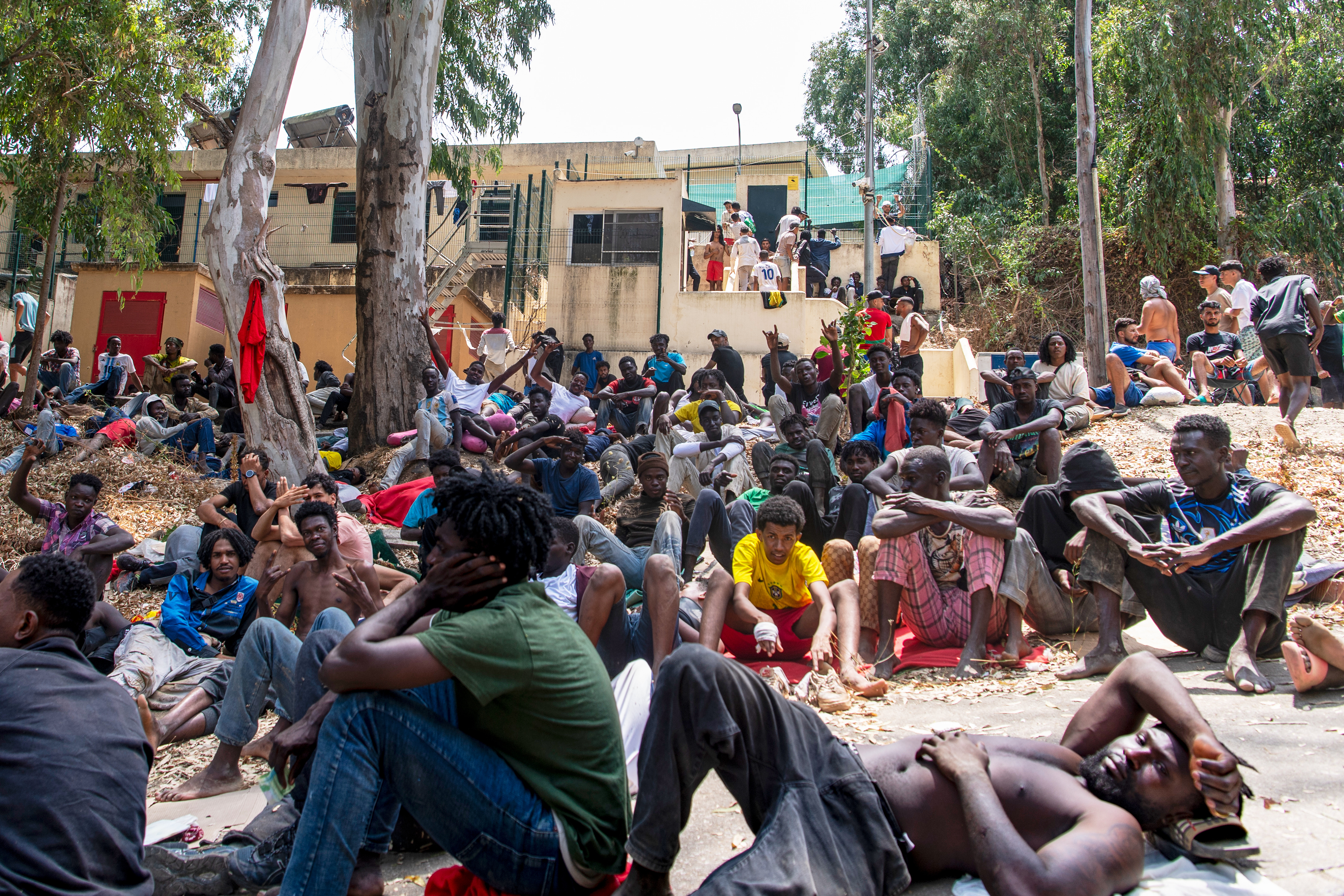 |
Migrants gathered outside the Temporary Center for Immigrants (CETI) in Ceuta, as regional authorities reported reception centers were overwhelmed. Lacking shelter, thousands of migrants, including many unaccompanied children, slept overnight in parks and on sidewalks, while others wandered the streets.
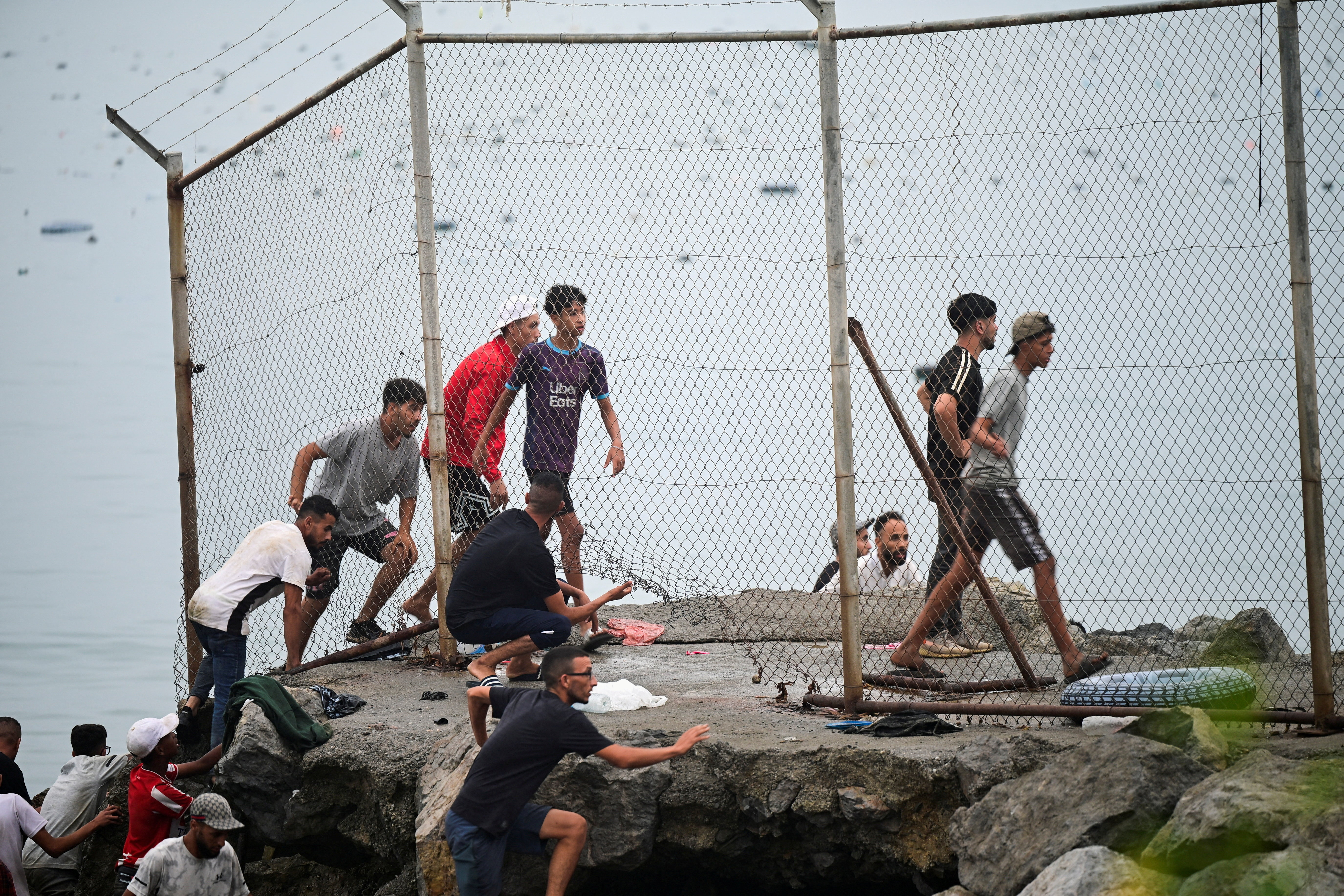 |
The Spanish Interior Ministry stated that approximately 48,300 migrants had returned to Morocco by 6 p.m. (11 p.m. Hanoi time) on 31/7. A Spanish government representative in Ceuta reported 57 bodies were recovered on the Spanish side of the border, with potentially more fatalities on the Moroccan side. Sources indicated some drowned, while others were crushed attempting to climb over the breakwater supporting the border fence.
 |
The precise reason for the sudden, large-scale attempt by migrants to cross into Ceuta by sea remains unclear. Previously, Ceuta authorities suggested the increased migrant flow was linked to a Spanish Supreme Court ruling earlier this month, which prohibited officials from immediately expelling migrants arriving by sea without full legal processing.
Ngoc Anh. Photos: AP, AFP