OSINT Warfare, an X account specializing in open-source intelligence, published a video on 14/9 showing missile debris in a desert area of Raghwan district, Marib province, Yemen.
"This could be the first time Saudi Arabia has used its secret ballistic missile arsenal, and it also marks the first combat deployment of the DF-15A, despite them never confirming ownership of this weapon," noted Thomas Newdick, an editor at the US military publication War Zone.
It remains unclear what happened to the DF-15A missile in the video. Houthi forces do not possess any air defense systems capable of countering ballistic missiles. The condition and location of the debris suggest the missile may have experienced a booster separation failure, disintegrated, or fallen before reaching its target.
Saudi Arabia and China have not commented on the information.
The DF-15 is a single-stage, solid-fueled short-range ballistic missile (SRBM) that can be launched from a mobile platform. China began developing this missile in 1985, with tests conducted from the late 1980s to the mid-1990s. The Chinese military inducted the DF-15 in 1990 and continues to operate it.
Each DF-15 missile measures 9,1 m in length and 1 m in diameter, with a launch weight of 6,2 tons. It can carry conventional or nuclear warheads with an explosive yield equivalent to 50.000-350.000 tons of TNT. The original DF-15 missile has a range of 600 km, while the DF-15A variant can hit targets up to 900 km away. The DF-15B and DF-15C variants have ranges of 800 km and 700 km, respectively.
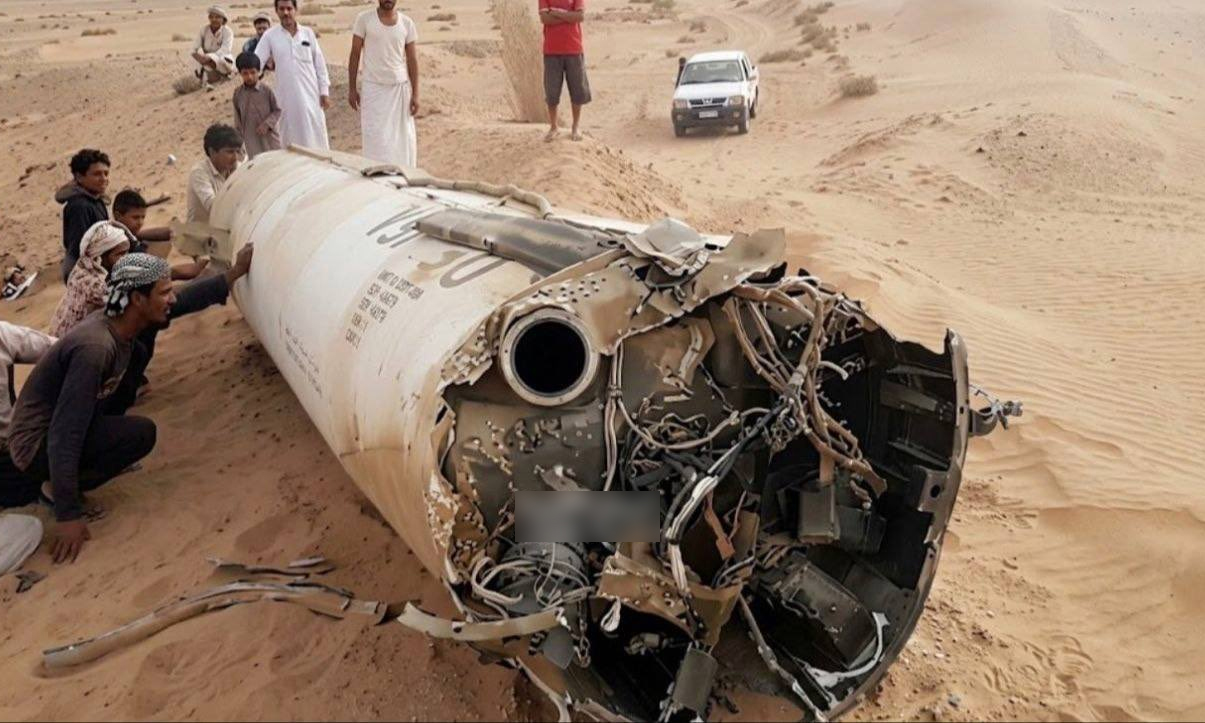 |
Debris marked DF-15A found in Yemen in an image released on 14/9. Photo: X/iraninarabic_ir |
China is the only confirmed country operating the DF-15 missile. There have been reports of China selling DF-15s or its M-9 export variant to Egypt, Iran, Pakistan, and Syria, but this remains disputed, and some sources appear to have confused the DF-15 with the similar DF-11 model.
"Saudi Arabia previously acquired Chinese ballistic missiles to expand its long-range strike options. Saudi Arabia's desire for land-based strategic deterrence capabilities initially stemmed from concerns about Iran, as well as the proliferation of missiles among many parties in the Middle East and the need to prevent nuclear risks," Newdick noted.
Saudi Arabia reportedly secretly purchased China's DF-3A long-range ballistic missiles, with a range of 4.000-5.000 km, in the late 1980s. Saudi Arabia is also believed to have acquired DF-21 medium-range ballistic missiles, which have a range of 1.500-1.700 km depending on the variant.
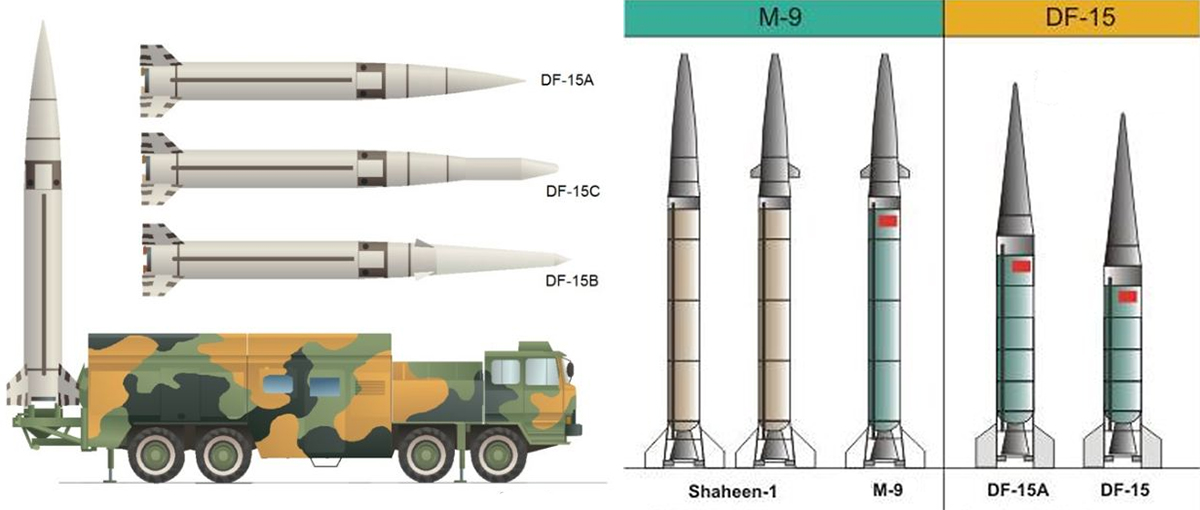 |
DF-15 launcher and missile types. Graphic: Army Recognition |
"Riyadh's deployment of SRBMs in the conflict with Houthi forces would mark a significant escalation in its response, allowing it to strike targets within Yemeni territory in minutes," Newdick observed.
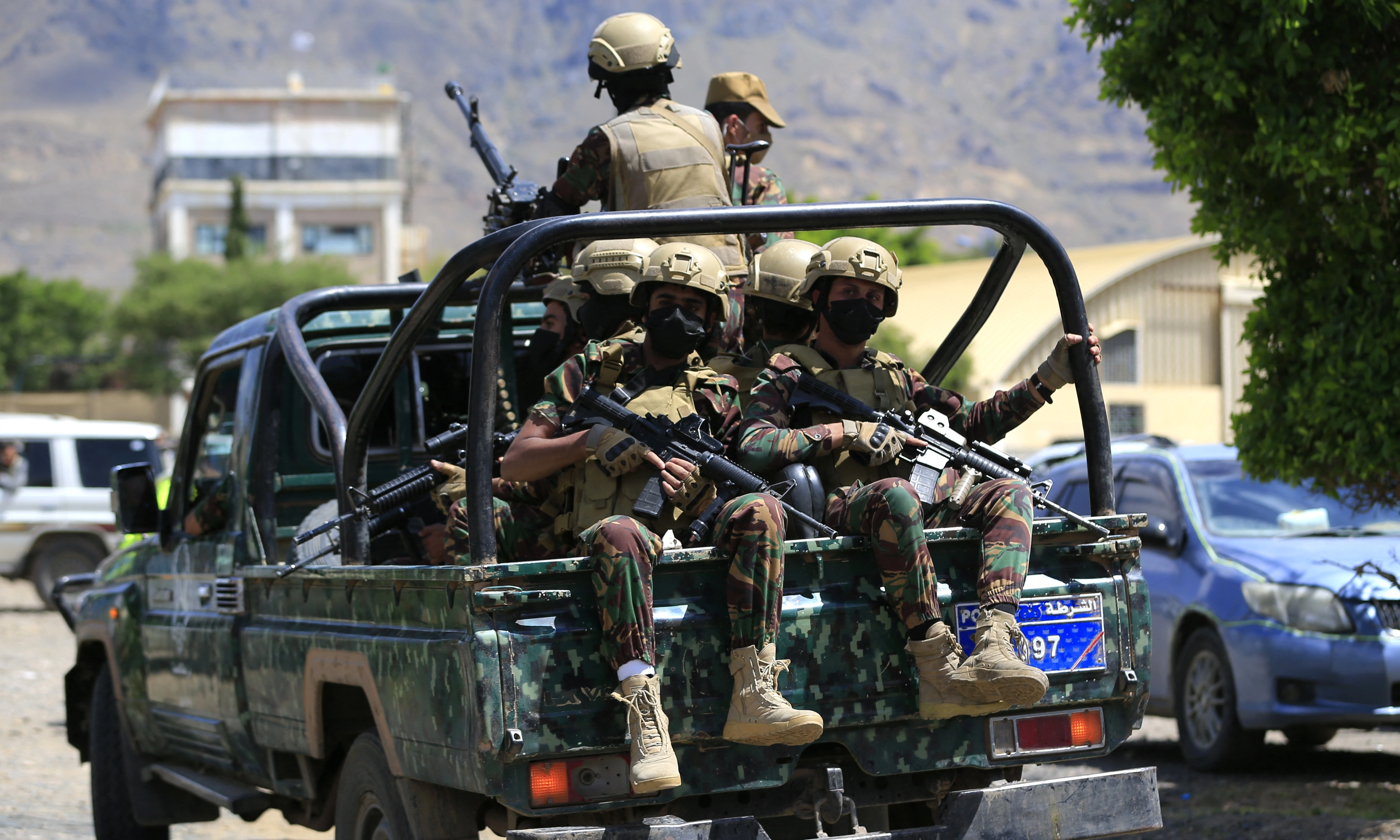
The US expert also suggested that Riyadh's use of SRBMs aligns with the current escalation of tensions, as Houthi forces have repeatedly launched missiles and unmanned aerial vehicles (UAVs) targeting Saudi military bases and energy infrastructure.
The Yemen conflict began in 2015 when Houthi forces captured the capital Sanaa, displacing government forces, before a United Nations-brokered ceasefire was established in 2022. Fighting in Yemen resumed in July after several years of relative calm.
Nguyen Tien (According to War Zone, CNN, AP)