The Bahraini Ministry of Interior announced today that a nighttime maritime traffic ban will be effective from 6 p.m. to 4 a.m. The measure aims to "ensure the safety of sailors and enhance security along Bahrain's coastline amidst Iran's blatant acts of aggression."
The curfew applies to pleasure boats and fishing vessels. The Bahraini Ministry of Interior urged all crew members to comply with the restricted hours at sea and to avoid approaching coastal areas, ensuring their safety and avoiding legal liability. These measures will remain in effect until further notice.
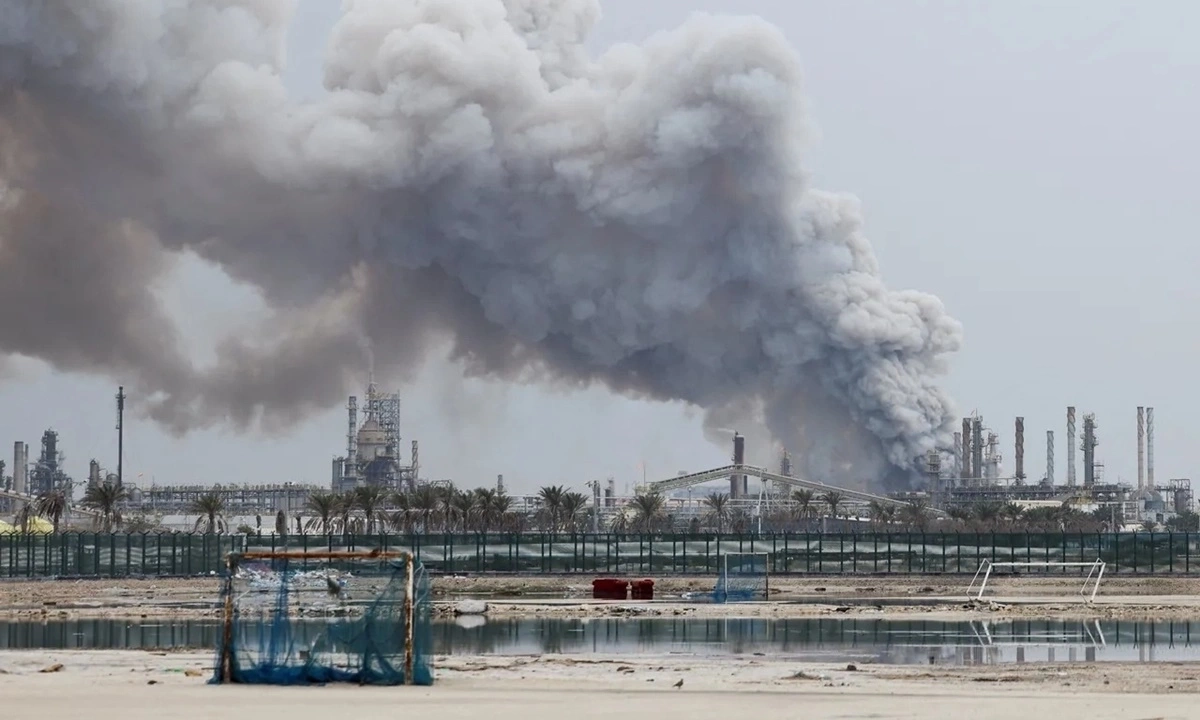 |
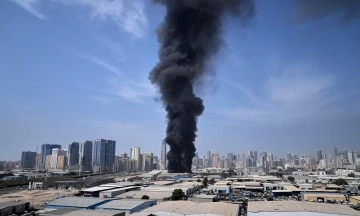
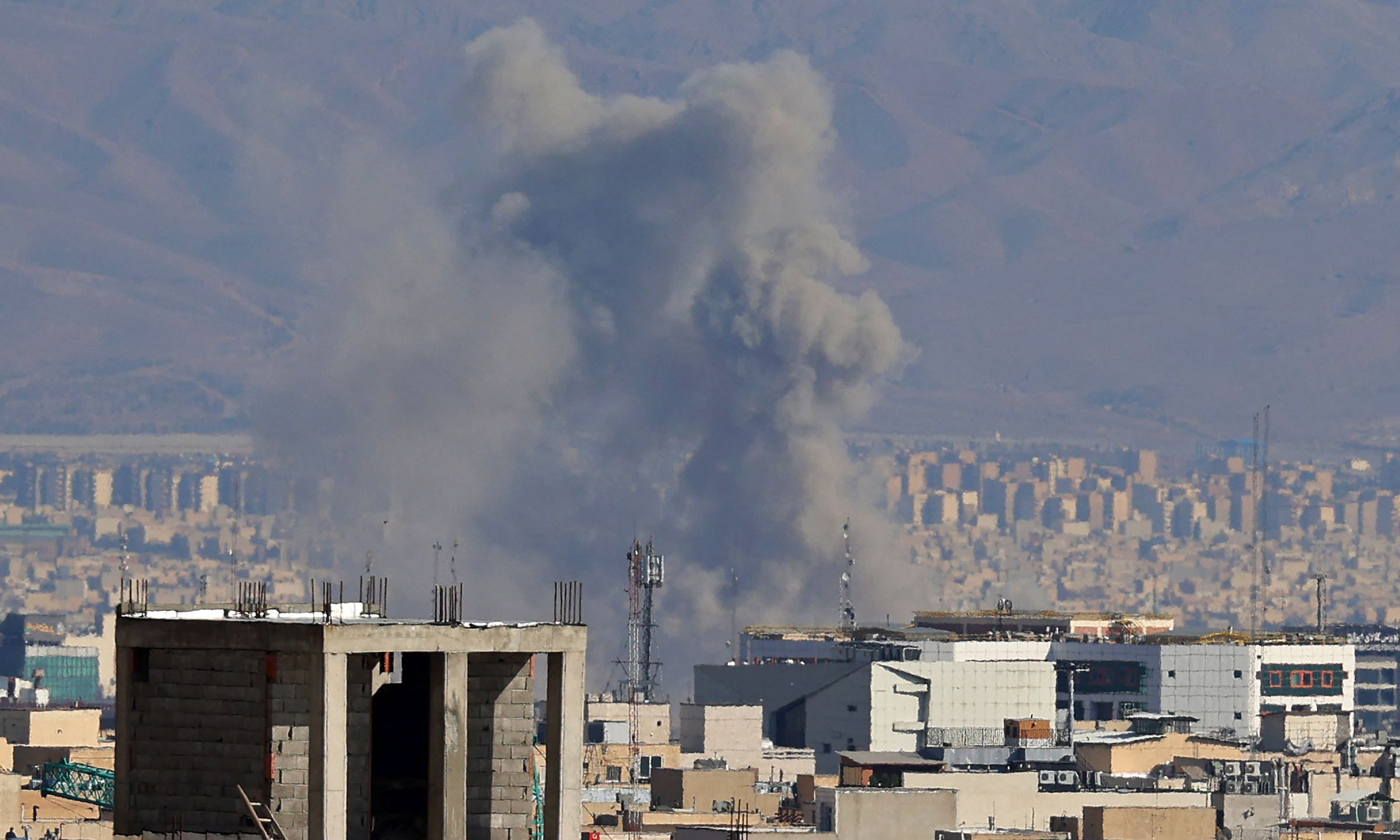
Smoke rises after an Iranian attack on Bahrain in early March. *Photo: Reuters* |
The Middle East has been engulfed in conflict since the United States and Israel launched airstrikes against Iran on 28/2. Iran retaliated by launching missiles and unmanned aerial vehicles (UAVs) at Israel and US bases in Arab countries in the region, including Bahrain.
On 23/3, Bahrain submitted a draft resolution to the United Nations Security Council, proposing to allow states to use "all necessary measures" to protect commercial shipping in the Strait of Hormuz. The phrase "all necessary measures" in Security Council draft resolutions is often diplomatically interpreted as authorizing the use of force.
The document also demands that Iran "immediately cease all attacks on commercial vessels, as well as actions impeding lawful passage or freedom of navigation" in the area. The draft mentions the possibility of imposing targeted sanctions against those who challenge freedom of navigation in the Strait of Hormuz.
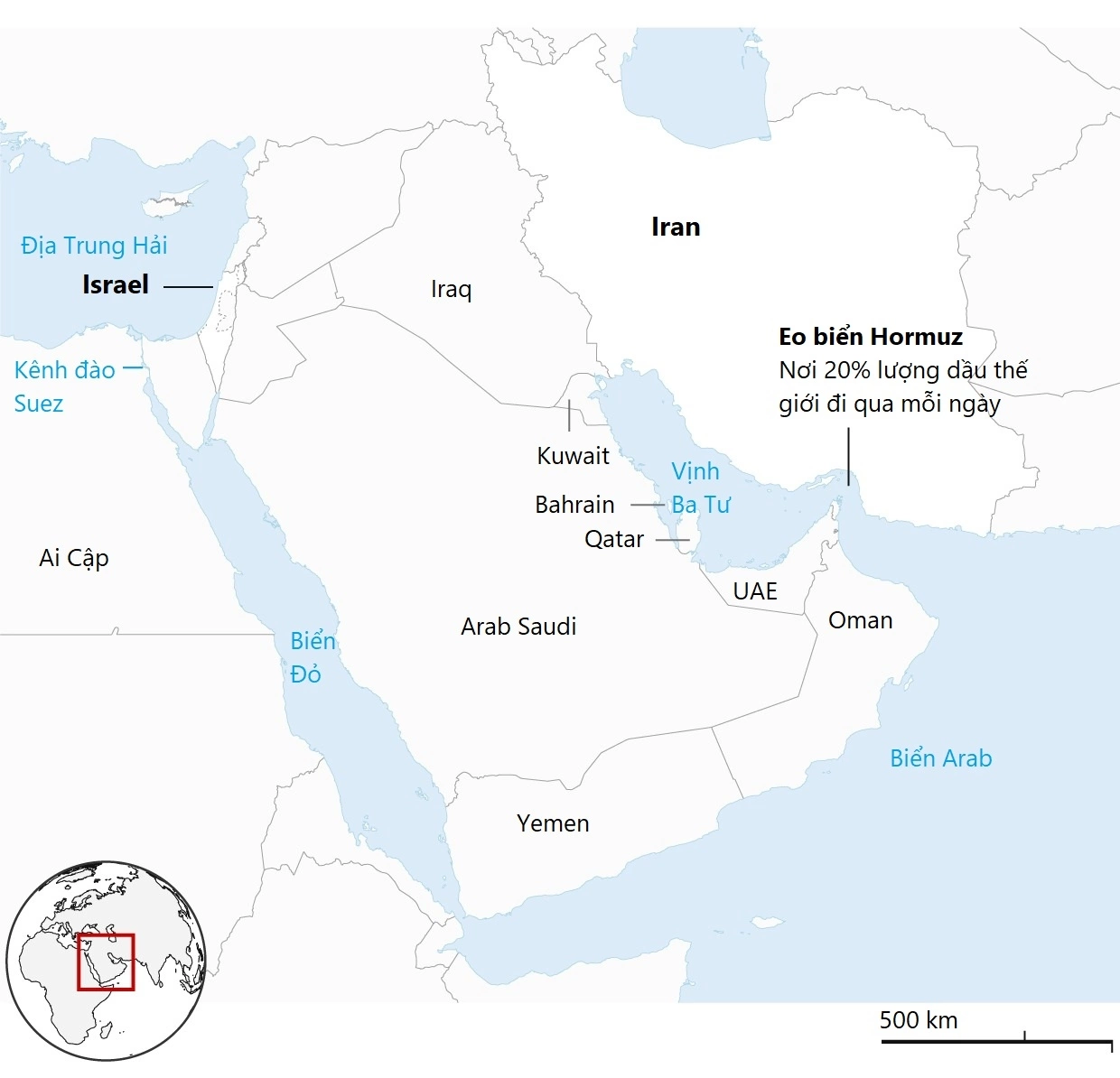 |
Location of countries in the Middle East region. *Graphic: Guardian* |
However, diplomatic circles believe the likelihood of the Security Council adopting this document is very low, as Russia and China are likely to use their veto power. A Security Council resolution is binding but requires at least 9 affirmative votes and no veto from any of its permanent members: the United States, United Kingdom, France, Russia, and China.
Huyen Le (According to CNN, AFP)