The Environmental Department of the Bangkok Metropolitan Administration (BMA) announced that the city's heat index on 4/5 surpassed 52°C, reaching an "extremely dangerous" level, which is the highest warning tier.
The BMA divides its heat index warning system into four levels: "caution" (27-32,9°C), "warning" (33-41,9°C), "dangerous" (42-51,9°C), and "extremely dangerous" (52°C and above). Previously, Bangkok experienced 19 consecutive days recording a "dangerous" heat index.
The heat index measures the temperature the human body actually perceives, combining real air temperature and relative humidity. This metric is sometimes referred to as "felt temperature".
When air becomes saturated with water vapor due to high humidity, the evaporation rate of sweat on human skin slows, or even halts. Consequently, heat cannot escape the body and remains trapped, causing individuals to feel significantly hotter and more stifled than the actual temperature recorded by a thermometer.
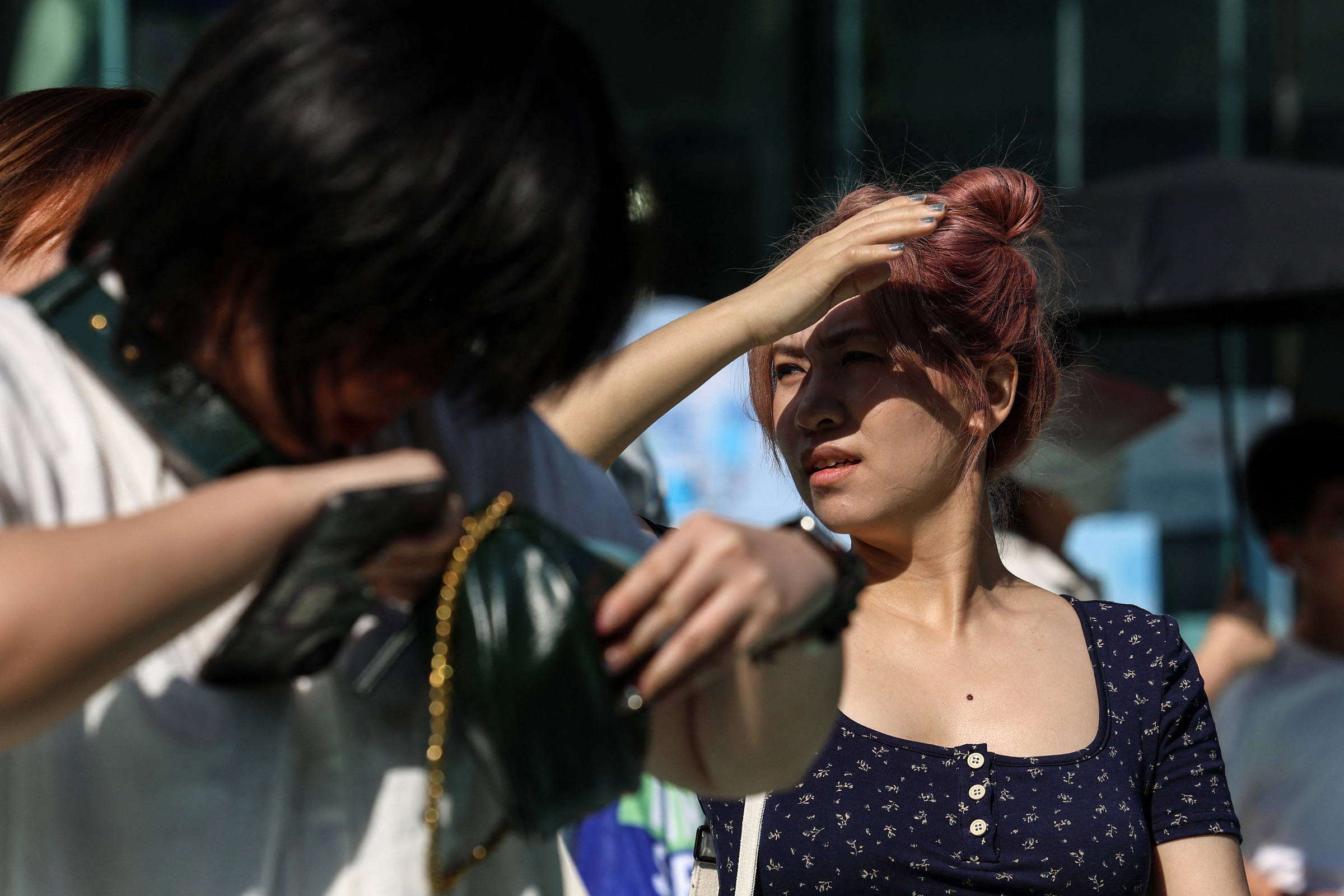 |
Residents shield themselves from the sun while walking in Bangkok, Thailand's capital, on 3/5. Photo: AFP |
The Bangkok Environmental Department advises residents to completely avoid outdoor activities, noting that extreme heat can elevate the risk of heat-related illnesses like heatstroke.
Individuals with unusual symptoms should seek immediate medical attention. Vulnerable groups, including: children, pregnant women, the elderly, those with underlying health conditions, and tourists, need to be particularly cautious.
Thai capital officials have established "heat shelters" and recommend residents locate such facilities near their homes via the Greener Bangkok website.
Thailand is significantly impacted by climate change. 19 of the 20 hottest years in the country's history have occurred since 2001. Projections indicate Thailand's average annual temperature could surpass 29°C by 2070, akin to the Sahara today.
In Thailand, extreme heat often coincides with more frequent and severe droughts and floods, alongside rising sea levels that imperil coastal communities and vital economic zones.
Duc Trung (Source: Nation, Bangkok Post, Star)