In Gibraltar, Barbary macaques have developed an unusual coping mechanism: eating soil to soothe stomach aches. This behavior is a direct consequence of their diet, which has been heavily influenced by tourists feeding them junk food like ice cream, pastries, and potato chips.
The troop of approximately 230 primates, native to North Africa, resides in Gibraltar, a British overseas territory with 30,000 residents bordering southern Spain. These macaques are a major draw for tourists, making Gibraltar the only place in Europe where wild monkeys live.
Tourists flock to Gibraltar specifically to observe these unique animals. "We come here for these monkeys, to see them, because this is the only place in Europe where monkeys live," said Elish, a 29-year-old Danish tourist. Elish also emphasized the importance of not feeding the macaques, as it can be detrimental to their health.
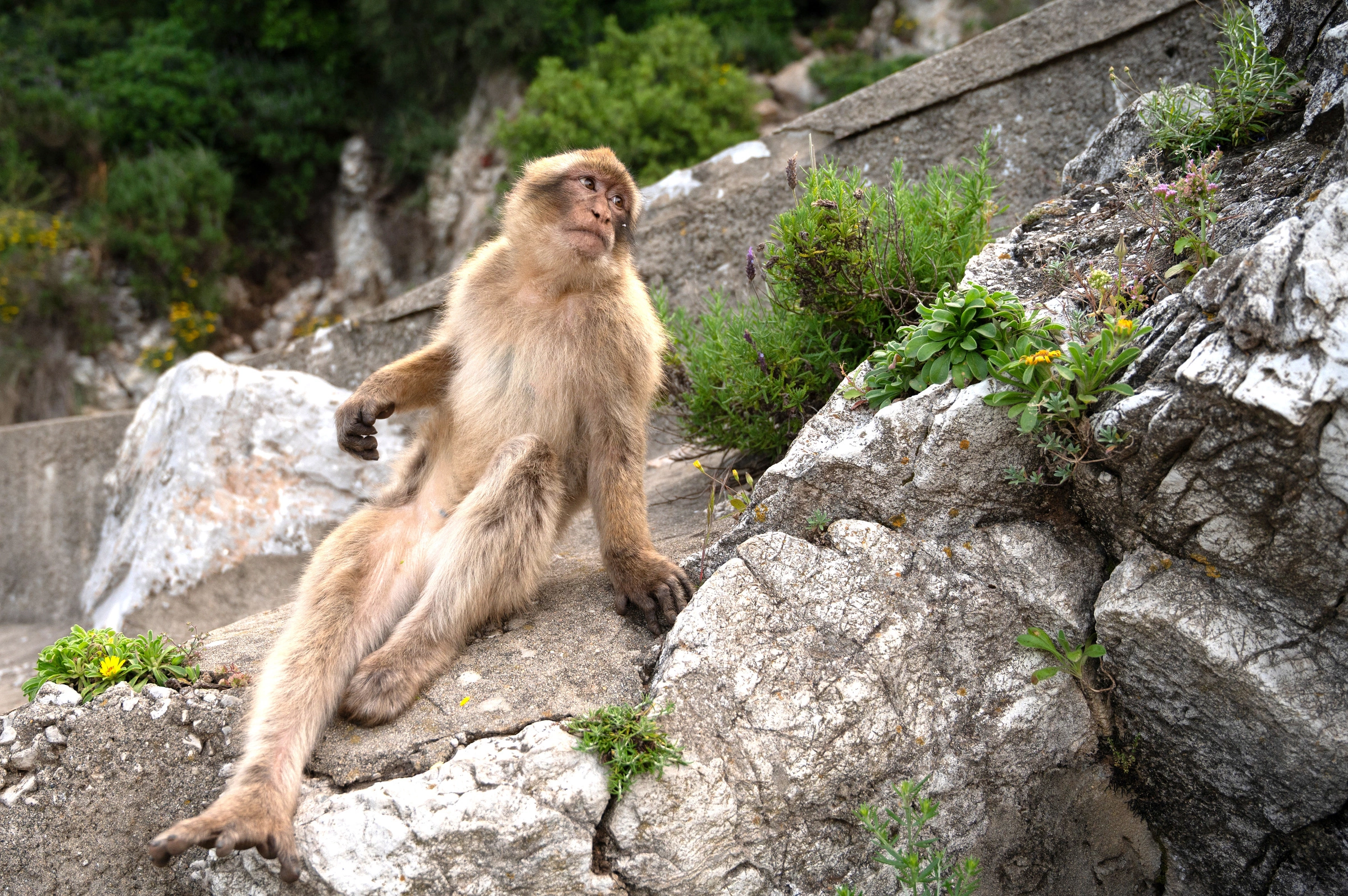 |
A Barbary macaque sits on a rock in Gibraltar on 6/5. *AFP*. |
Despite clear signage throughout Gibraltar prohibiting the feeding of monkeys, with fines up to 4,000 British pounds (about 5,350 USD) for violations, enforcement remains challenging. The daily influx of visitors to the Rock of Gibraltar nature reserve, combined with the free-roaming nature of these animals, which can weigh up to 15 kg, makes it difficult to control interactions.
These mischievous macaques are known to brazenly snatch ice cream, pastries, and potato chips from unsuspecting tourists. They also rummage through discarded leftovers in bins or readily accept food offered by visitors. This access to unhealthy snacks has significantly altered their natural diet, which typically consists of fruits, vegetables, and seeds.
To counteract the stomach discomfort caused by this altered diet, the monkeys have developed a habit of eating soil. This behavior, known as geophagy, was first recorded in Barbary macaques in Gibraltar by a recent study conducted from 8/2022 to 4/2024. The research involved experts from the Universities of Oxford, Cambridge, Paris-Sorbonne, and the Gibraltar Environmental Agency.
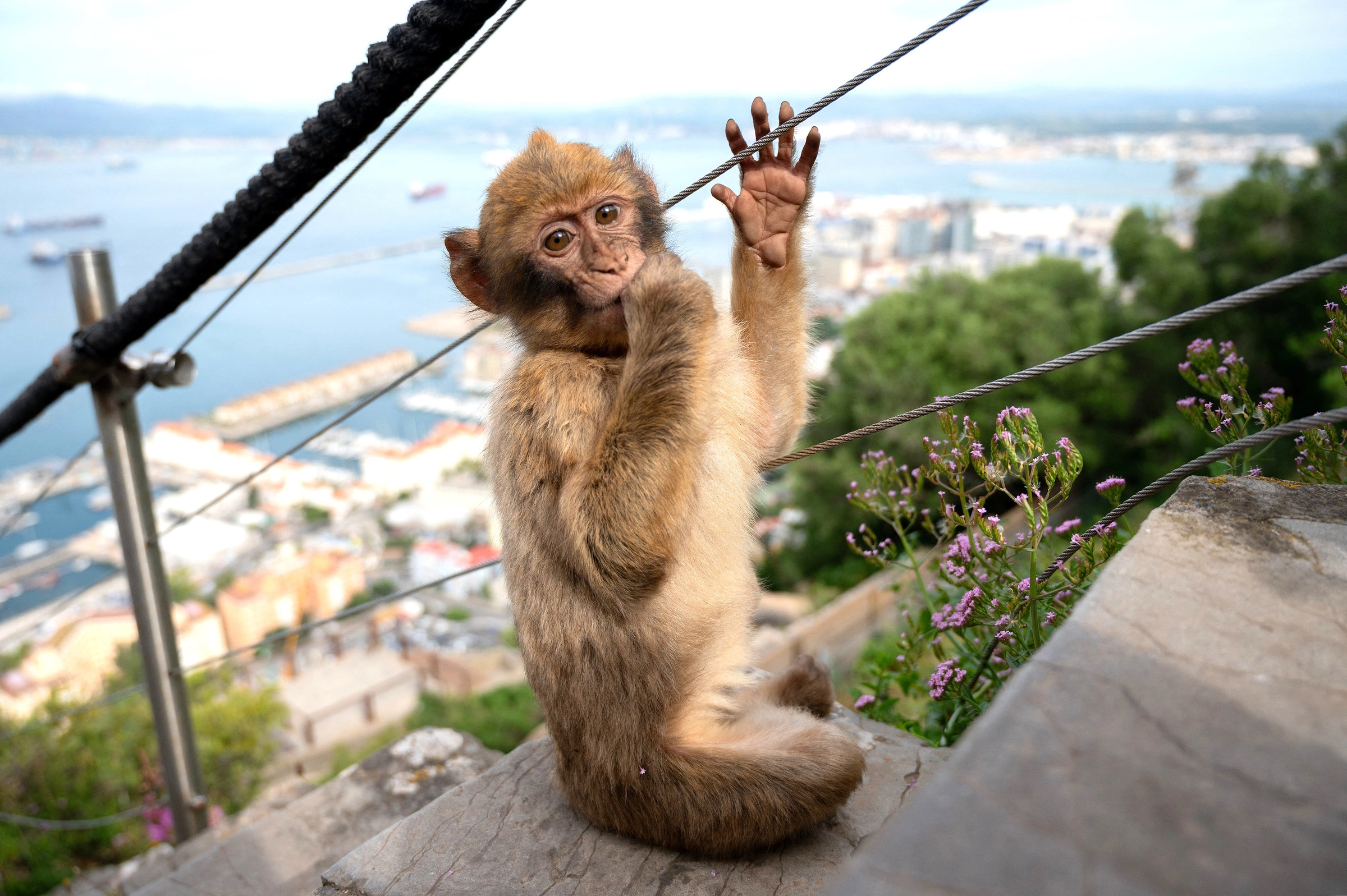 |
A Barbary macaque infant in Gibraltar on 6/5. *AFP*. |
The study highlighted that geophagy occurs at an exceptionally high rate in Gibraltar's macaques compared to other macaque species and locations. This behavior is particularly frequent during the summer months, coinciding with peak tourist season. Conversely, Barbary macaque groups not exposed to tourists do not exhibit this soil-eating habit.
Sylvain Lemoine, an associate professor of biological anthropology at Cambridge and a co-author of the study, confirmed the link. "This is clear evidence that the habit of eating soil stems from the monkeys' consumption of human food," he stated. Potato chips, chocolate, and ice cream were specifically identified as the primary culprits leading to this trend, which the study describes as "an expression of a rudimentary form of self-medication".
Lemoine explained that the macaques most frequently engaging in geophagy are those that regularly consume tourist snacks. These snacks are high in sugar, salt, and dairy, components that the monkeys' digestive systems are not equipped to handle. "We hypothesize that soil may provide fungi and microorganisms that help rebalance the gut microbiome, which has been disrupted by the consumption of unhealthy food," he added.
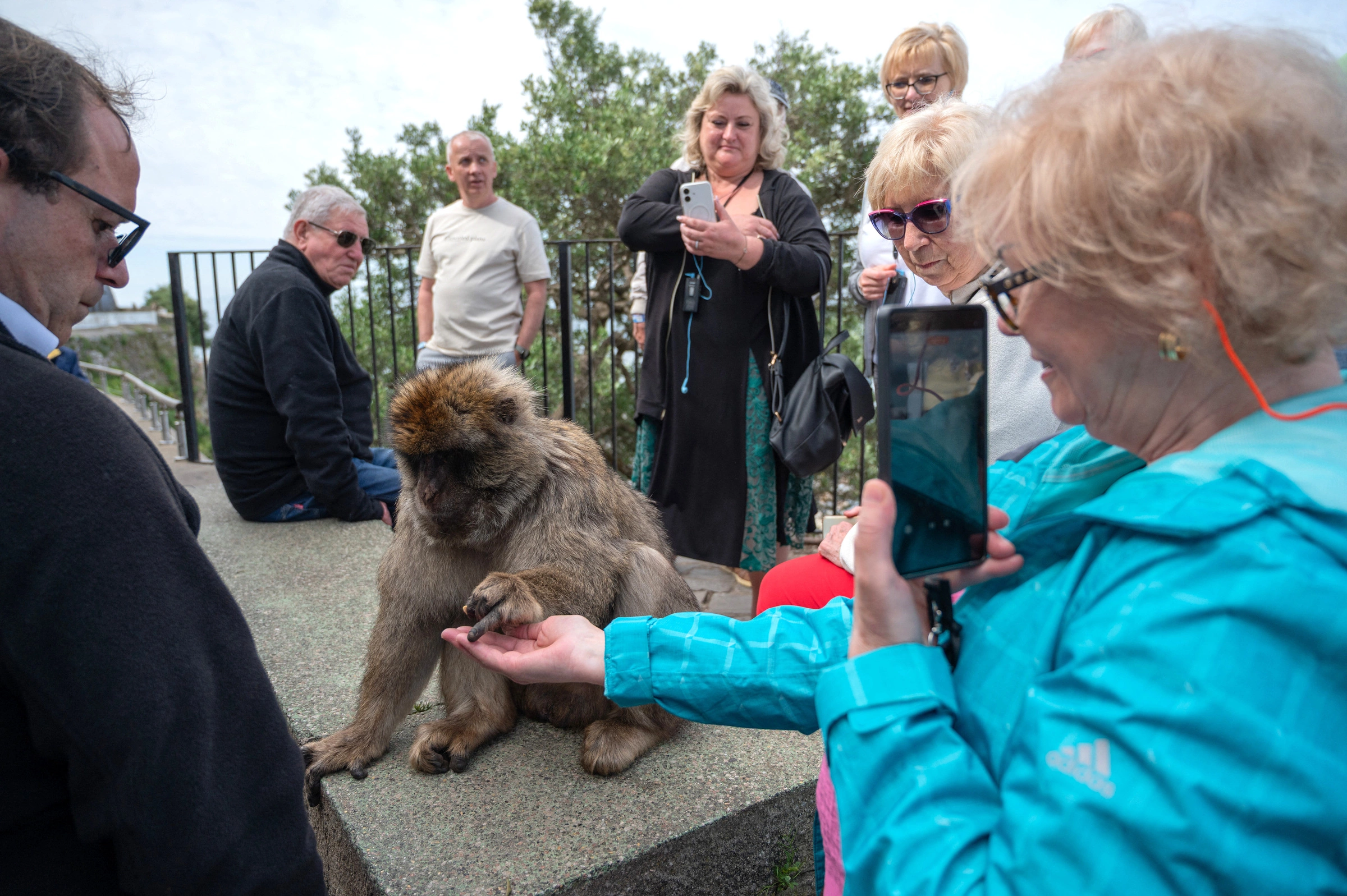 |
A tourist feeds a monkey in Gibraltar on 6/5. *AFP*. |
Bethany Maxwell, a technical officer at the Gibraltar Botanic Gardens, underscored the significance of the findings. "We already knew that primates eat soil for detoxification or nutrient supplementation. However, this study has shown that they do so not only for those reasons but also as a consequence of consuming too much junk food. This is a very novel finding," Maxwell stated.