British Prime Minister Keir Starmer described the initiative on 1/4 as a joint effort by London and Paris. Its aim is to "mobilize all possible diplomatic and political measures to restore freedom of navigation, ensure the safety of stranded vessels and sailors, and clear the passage for essential goods" through the Strait of Hormuz.
"Since the conflict began, my greatest concern has been Britain's national security," Starmer stated. "Freedom of navigation in the Middle East is also a national security issue for Britain."
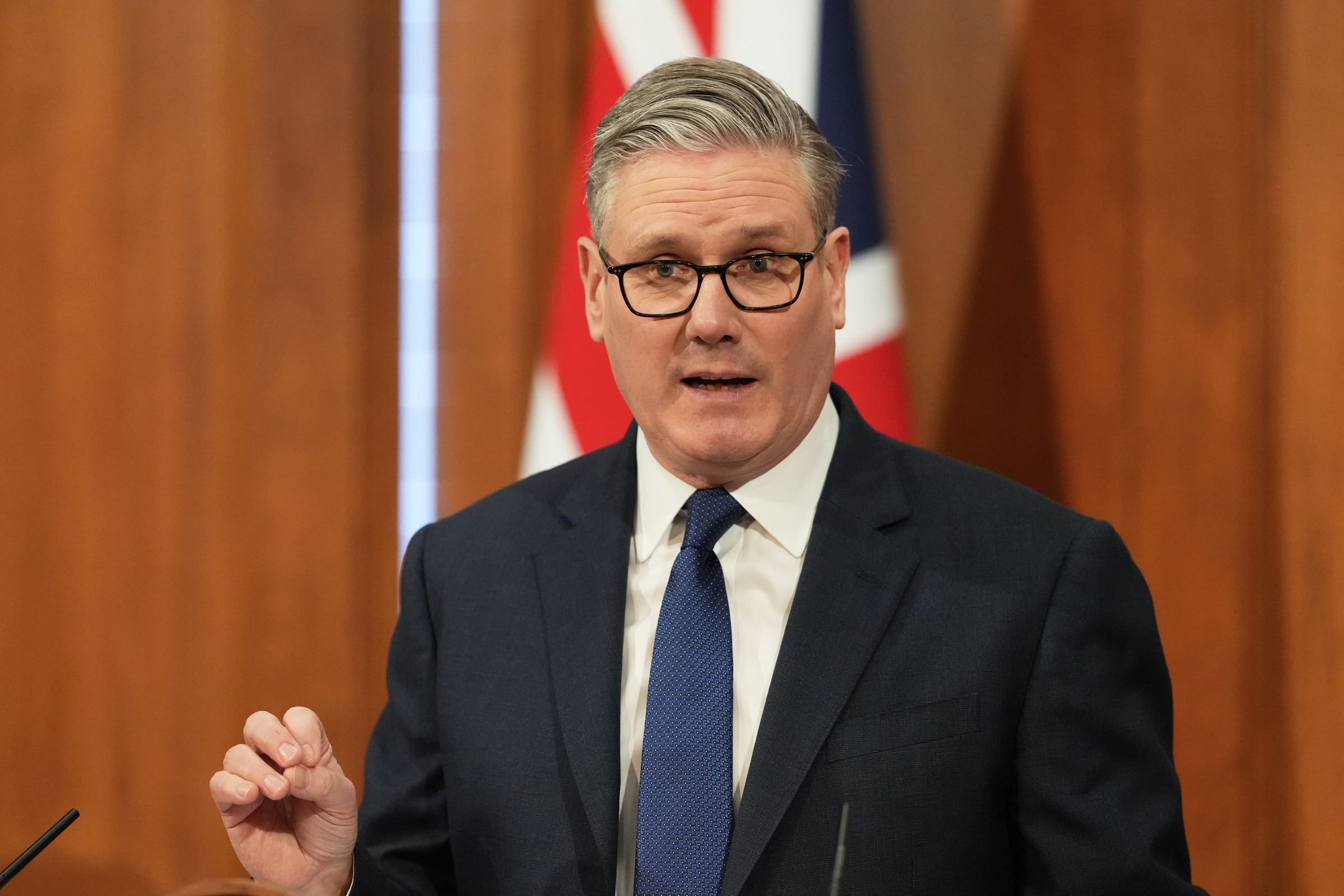 |
British Prime Minister Keir Starmer at a press conference on 1/4 in London. *Photo: AP* |
The conference is scheduled for 2/4, with the participation of 35 nations. Notably, Washington will not be represented, despite the United States being directly involved in the conflict.
The British Prime Minister's Office stated that conference members include countries that signed a joint declaration last month calling for the reopening of the Strait of Hormuz. These nations include France, Germany, Italy, the Netherlands, Australia, Japan, Canada, South Korea, New Zealand, Nigeria, and the United Arab Emirates (UAE). The joint declaration outlines a commitment among signatory nations to be "ready to contribute to appropriate efforts to ensure safe passage through the strait."
While the conference focuses on diplomatic measures, Prime Minister Starmer revealed that British policymakers will continue to discuss military options and capabilities in the coming days. These could be deployed to ensure safety in Hormuz once the Middle East conflict ends.
"The biggest challenge is not the cost of insuring vessels through the area, but ensuring safety and security of passage in these waters," Starmer said. "We need a comprehensive solution that unifies military strength with diplomatic activity, linking with businesses, so that we can deploy clearly and calmly once the fighting ceases."
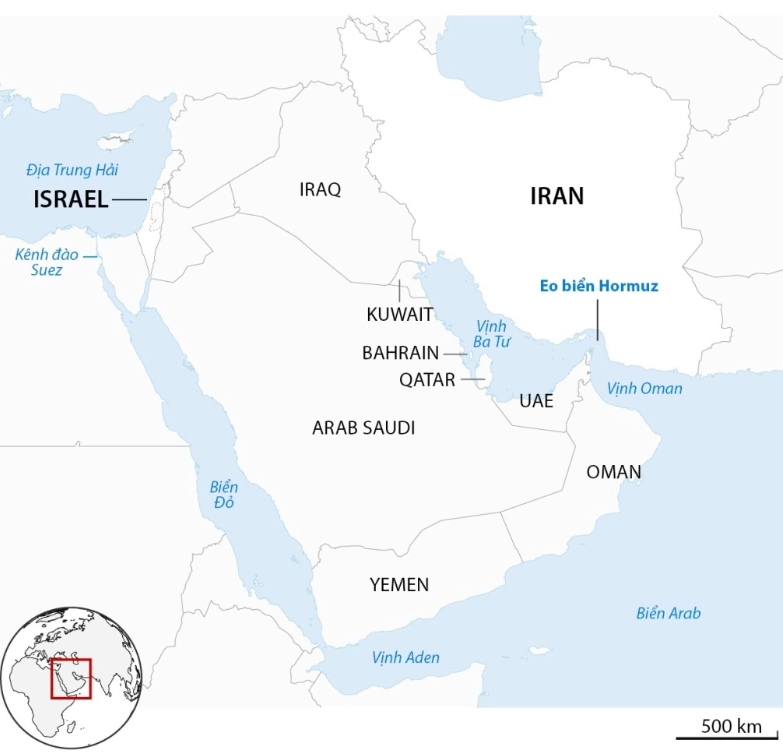 |
Location of the Strait of Hormuz. *Graphic: Guardian* |
Before the conflict erupted on 28/2, the Strait of Hormuz was a vital artery for approximately one-fifth of the world's crude oil and natural gas supply. It also facilitated the transport of one-third of the raw materials for global agricultural fertilizer production.
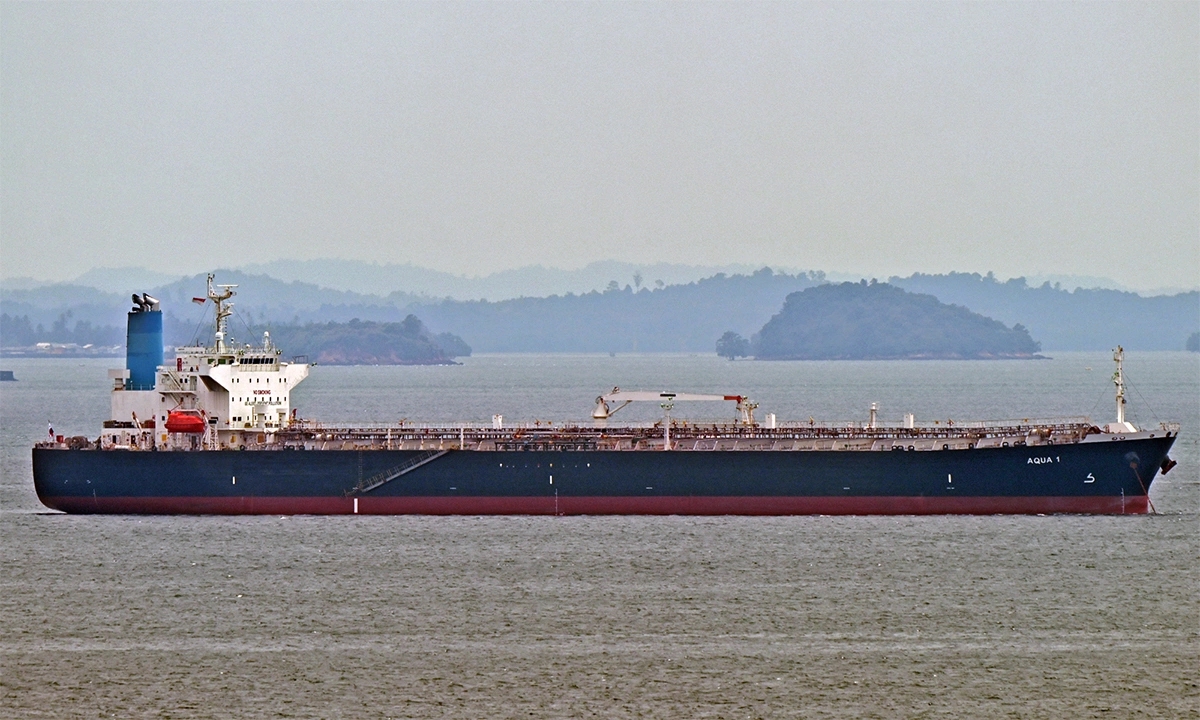
Currently, about 1,000 vessels are stranded in the Gulf due to the conflict between Iran and the United States-Israel. Over the past month, approximately 130 ships have safely transited the strait, which is equivalent to the daily traffic before the hostilities.
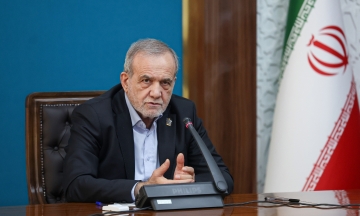
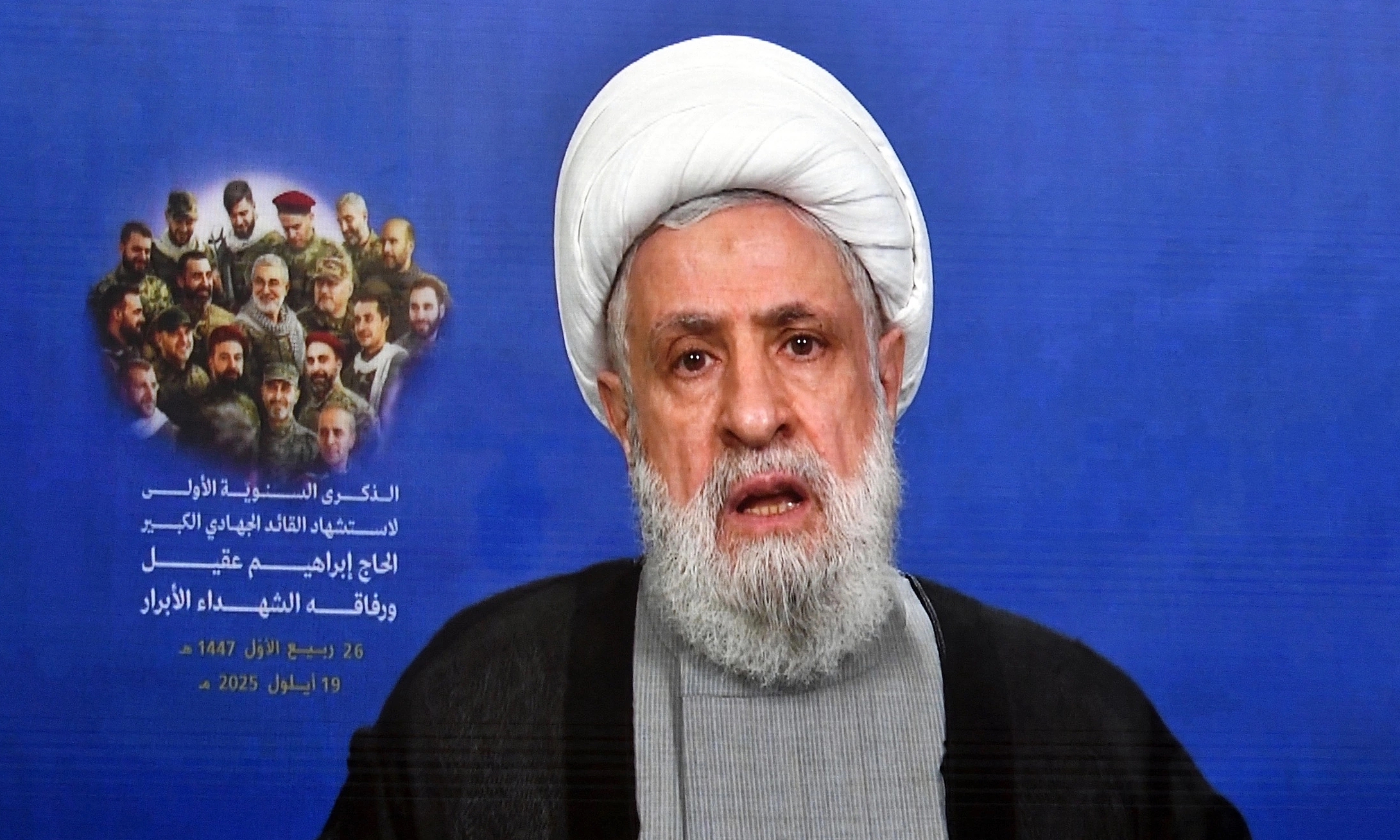
Iran's Islamic Revolutionary Guard Corps (IRGC) declared on 1/4 that the Strait of Hormuz remains "closed to hostile nations" and that its navy continues to fully control traffic.
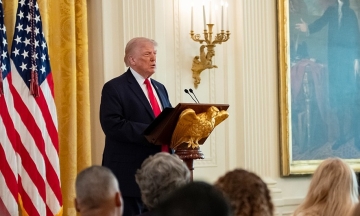
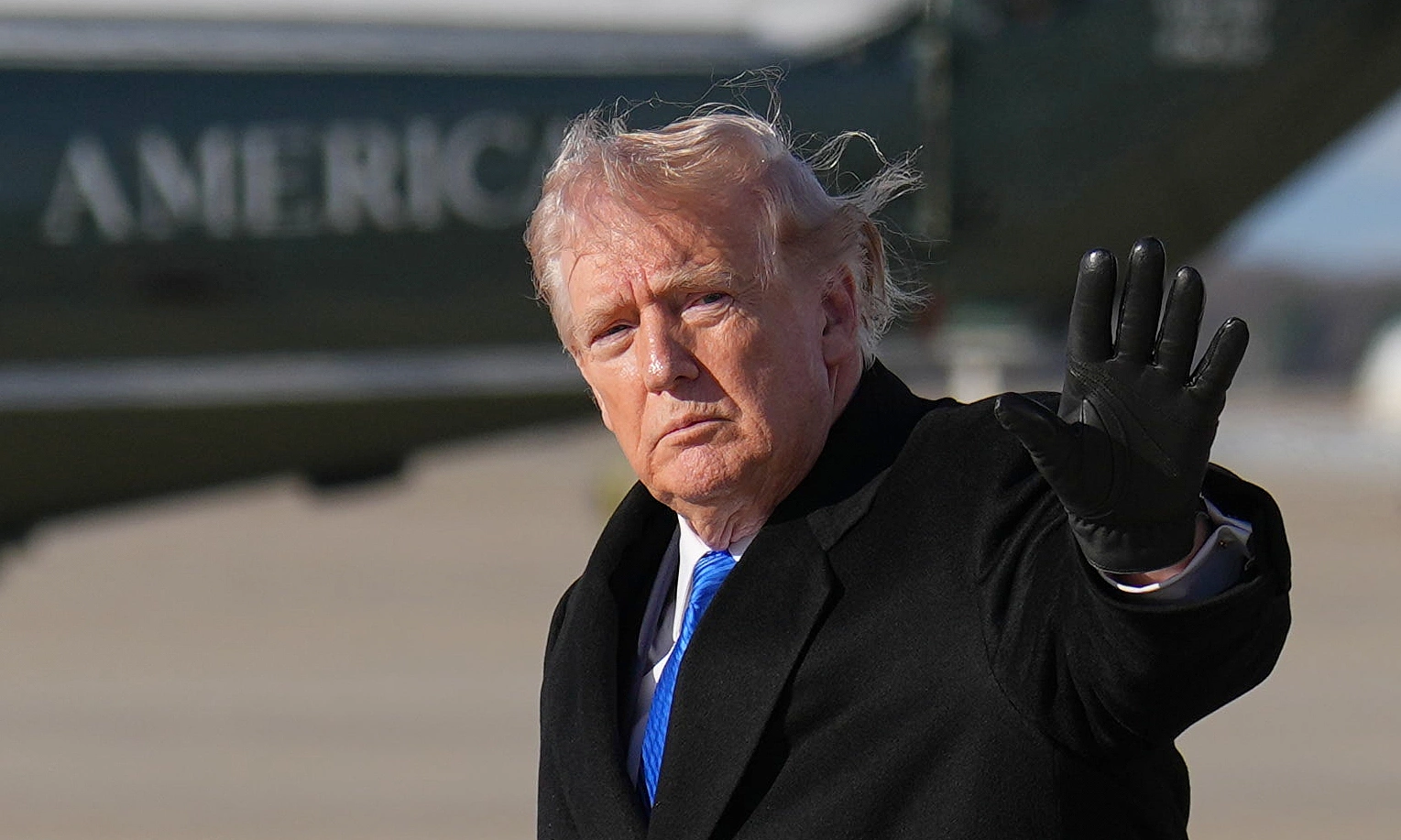
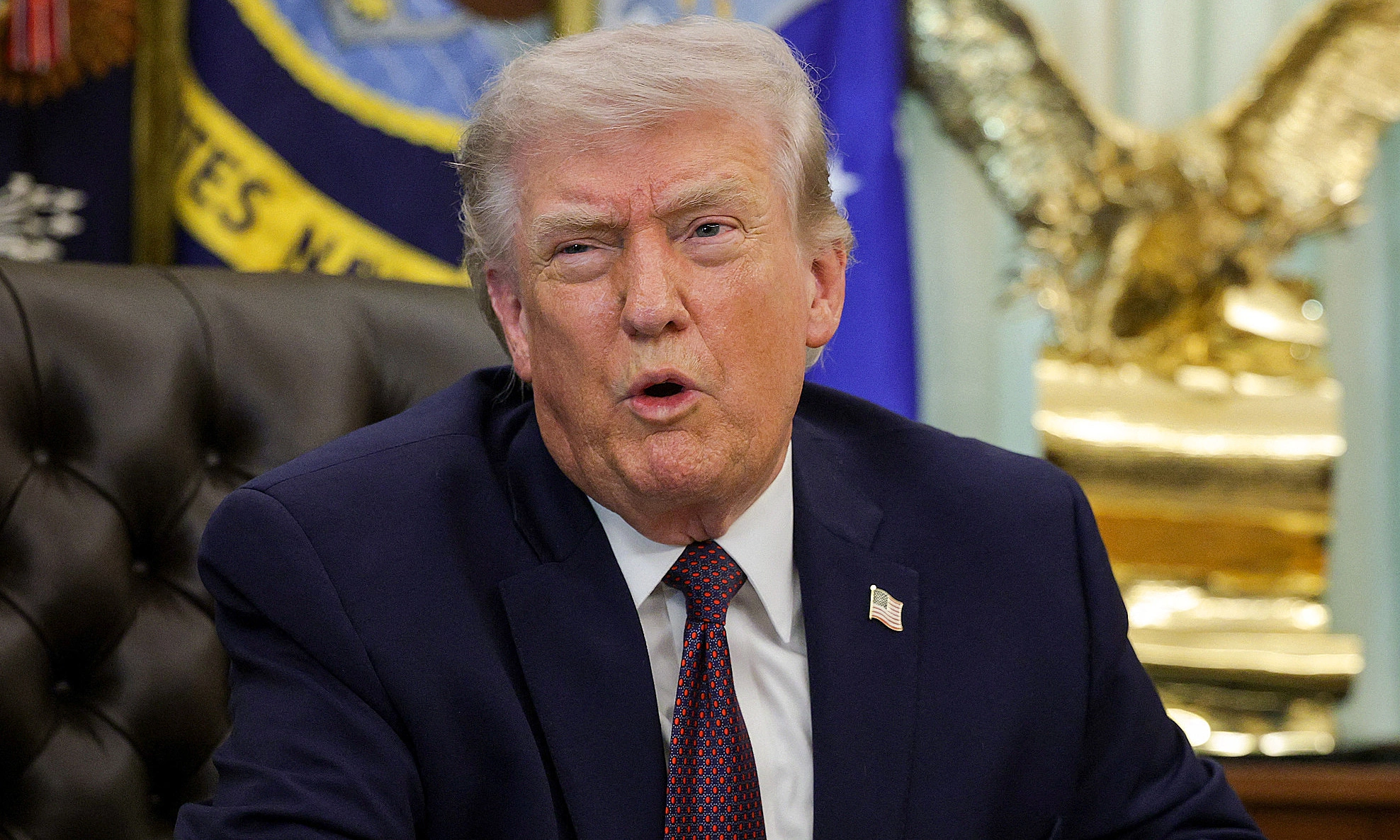
US President Donald Trump has repeatedly threatened to escalate attacks on Iran if it does not clear the Strait of Hormuz. However, in his latest White House address, Trump once again reversed his stance. The US leader declared that his country imports almost no oil through the Strait of Hormuz and that nations receiving oil via this maritime route must take their own measures to control the strait.
By Thanh Danh (Source: Guardian, AFP)