On 6/5, California lawmakers questioned the California Energy Commission, seeking alternative solutions for the approximately 30% of oil the state typically imports from the Persian Gulf.
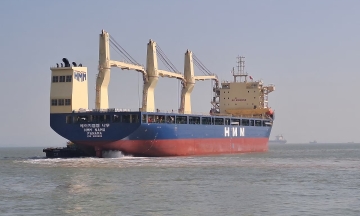
The last crude oil tanker from the Middle East to California departed the region before the US-Iran conflict erupted. Since then, the conflict has led to a blockade of the Hormuz Strait, halting the state's seaborne oil imports. California lacks a federal petroleum pipeline system to receive domestic fuel supplies like other states.
With recent positive signals regarding negotiation efforts between Washington and Tehran, California lawmakers hope the Hormuz Strait will reopen soon. However, they also worry about the possibility of this shipping lane remaining closed for the next 60 days.
Professor Severin Borenstein of the University of California Berkeley, known for his concept of California's "mysterious gasoline surcharge," warned that the state could face a fuel crisis if the stalemate at Hormuz persists.
He suggested that the price of imported oil into the state could increase by an additional 40-80 USD per barrel, causing gasoline prices in California to rise by about 2 USD per gallon, despite already being among the highest nationwide. According to Borenstein, the average gasoline price in California could reach 8 USD per gallon, potentially even exceeding 9 USD.
"I don't think that scenario is impossible. It would become a crisis and be entirely beyond California's control," Borenstein stated.
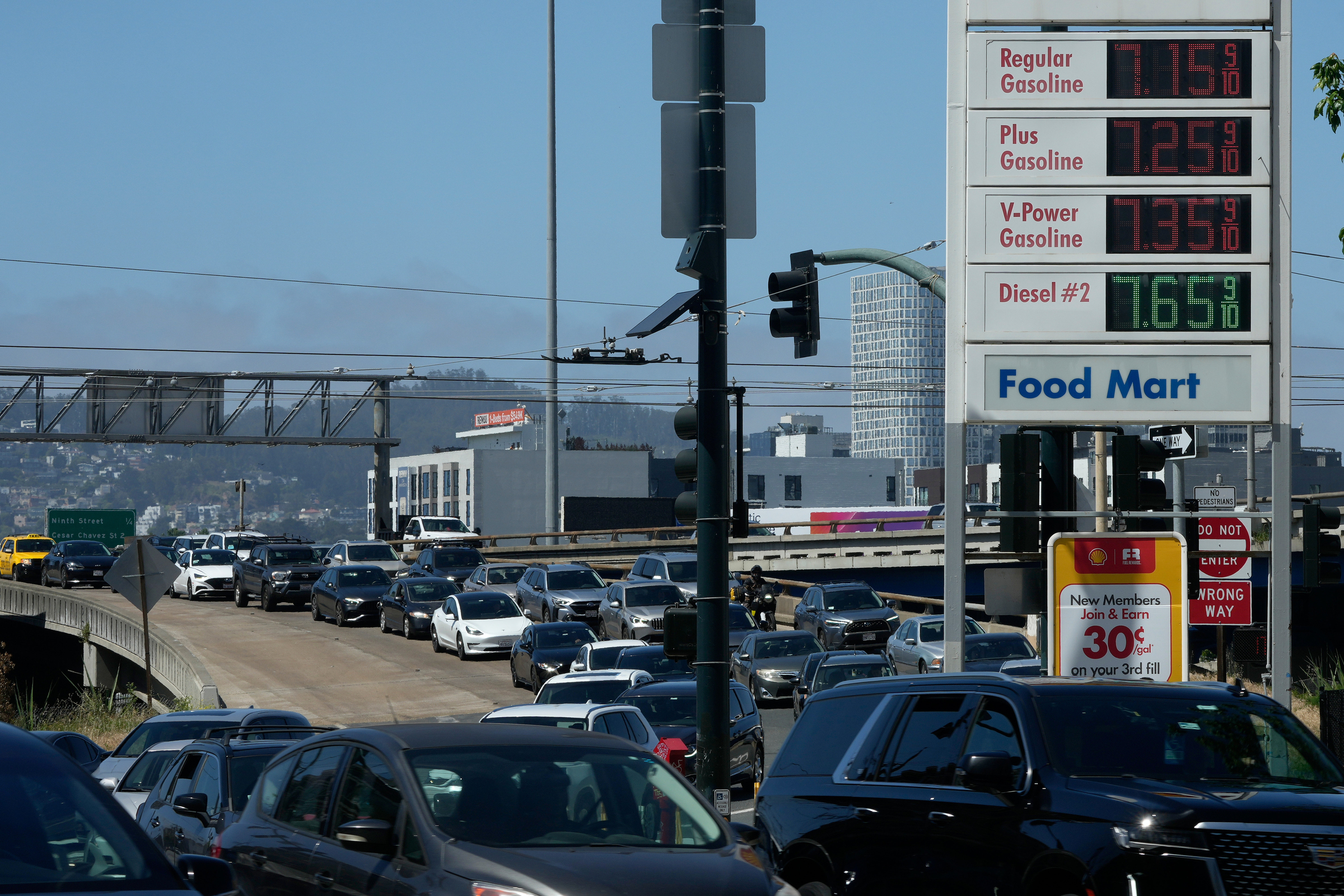 |
A line of cars passes an electronic sign displaying gasoline prices near a highway in San Francisco, 29/4. *Photo: AP*
Siva Gunda, Vice Chair of the California Energy Commission, acknowledged that the state is facing an energy crisis. However, he suggested that reduced consumption due to high prices might help stabilize gasoline prices below 7 USD per gallon in the short term.
According to Gunda, the oil supply is currently secured for about 6 weeks. Yet, if the crisis extends beyond this point, the risk of a sharp increase in gasoline prices becomes concerning. Gunda mentioned he is privately discussing with the oil and gas industry to develop an emergency plan for the period after the 6-week mark.
"It is important to ensure more ships and maritime vessels transport imported oil to California," he said.
Many parties also acknowledged the oil and gas industry's criticism of California's Democratic Party policies, which are believed to diminish local oil extraction activities. Lawmakers believe this issue needs addressing so California does not overly rely on imported oil.
"If we want to determine our own destiny, do we need to set a realistic oil production target in California?" asked lawmaker David Alvarez, warning that the state is "putting all eggs in one basket" by depending too much on imported oil.
Gunda analyzed that increasing domestic oil extraction does not necessarily lower fuel prices, citing examples of some countries with large extraction capacities that are still affected by rising global oil prices. However, he stated that local supply would help California refineries operate more efficiently and increase their ability to respond to similar future crises.
Oil and gas industry advocacy groups continue to urge lawmakers to change policies they consider confrontational to the energy sector.
"We have seen the consequences: refineries closing, increasing reliance on imports, and a system with almost no room for policy adjustment during disruptions," warned Jodie Muller, a representative of the Western States Petroleum Association.
Thanh Danh (According to NY Post)