Japan's Ministry of Transport reported that the number of Chinese tourists visiting the country in December 2025 nearly halved compared to the same period last year. Japan is no longer among the top 10 destinations for Chinese travelers during the Lunar New Year. This trend is expected to continue throughout the 40-day spring travel season for Chinese citizens.
Media estimates suggest that Chinese tourist arrivals in Japan during the holiday period could decrease by 54-60% compared to 2025. South Korea is projected to be the most popular overseas destination, attracting approximately 250,000 Chinese visitors, a 1.5-fold increase from last year.
Before the Covid-19 pandemic, Tokyo's Ginza district was bustling with Chinese tourists every Lunar New Year. However, businesses there are now adjusting their strategies as bilateral tensions persist.
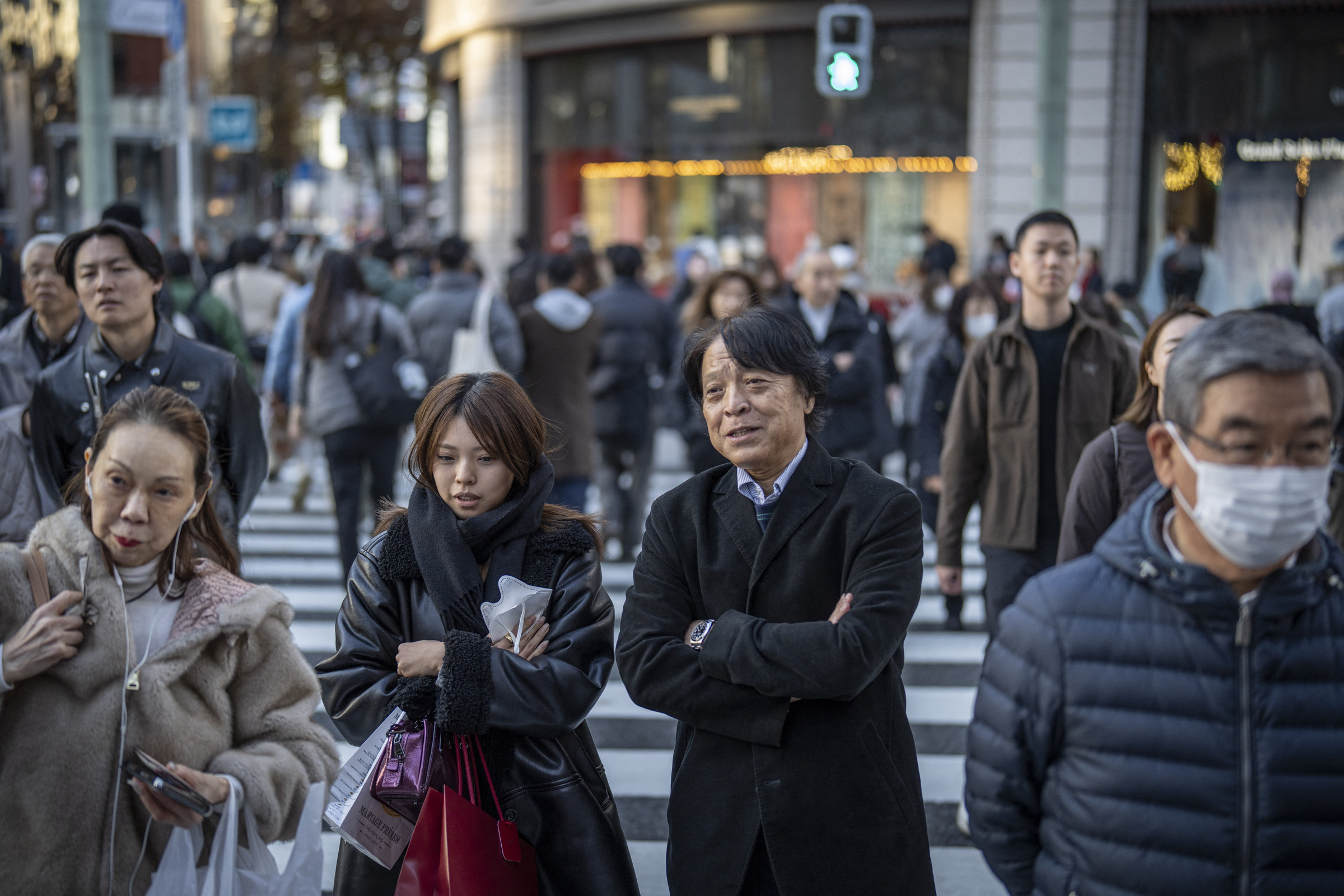 |
Ginza shopping district, a popular destination for visitors to Tokyo, December 2025. *Photo: AFP* |
A secondhand luxury store in Ginza, which previously stocked items popular with Chinese customers, is now targeting other international visitors. A Kobe beef restaurant noted that it was once common for Chinese groups to spend around USD 1,300 on a single meal, but it now focuses on more affordable menus for domestic patrons.
In recent months, China has repeatedly warned its citizens about security risks when traveling to Japan, even though there have been no reports of Chinese tourists being targeted.
On 15/2, the Chinese Consulate General in Osaka reiterated its advice for citizens to avoid Japan following a stabbing incident in the Minami district, which resulted in the death of a teenager and injuries to two others, despite the incident not involving Chinese nationals.
Tensions escalated after Japanese Prime Minister Sanae Takaichi stated in parliament in November 2025 that Japan's Self-Defense Forces might be deployed if a crisis occurred in the Taiwan Strait, posing an "existential threat" to Japan. China, which views Taiwan as part of its territory and has repeatedly affirmed its goal of unification, even by force if necessary, reacted strongly.
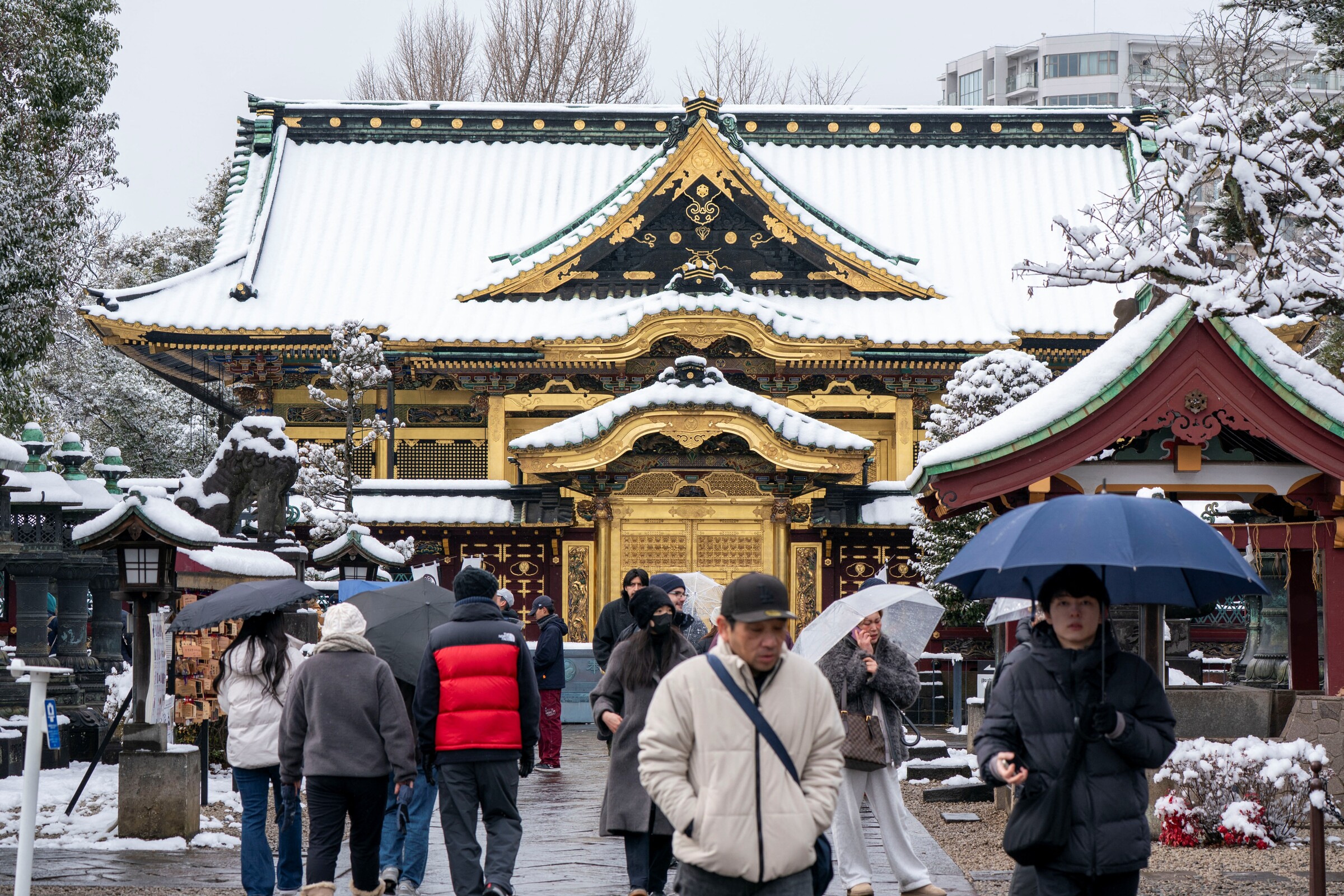 |
Tourists visit Toshogu Shrine in Tokyo's Ueno Park, 8/2. *Photo: AFP* |
Chinese Foreign Minister Wang Yi, speaking at the Munich Security Conference last week, accused Prime Minister Takaichi of "trying to revive militarist past", warning that Tokyo would "destroy itself" if it continued down this path.
Japan dismissed the accusations from the Chinese Foreign Minister as "lacking factual basis". Japan's Ministry of Foreign Affairs asserted that the country is enhancing its defense capabilities to address an increasingly complex security environment, not to threaten any nation.
While Chinese tourist groups to Japan are decreasing, Russian visitors are filling the void. The number of visa applications from Russia to Japan increased from 53,327 in 2019 to 64,358 in 2024, and surged to 133,000 last year. The Japanese Embassy in Russia opened two additional visa application centers in Moskva and St.Petersburg due to the strong increase in demand, according to Mainichi.
The Japan National Tourism Organization (JNTO) reported that Russian visitors reached nearly 195,000 in 2025, a 96.3% increase from the previous year, with December 2025 alone seeing a 41.2% rise.
Professor Yakov Zinberg at Kokushikan University noted that the weakening yen and restrictions on flights to Western Europe have led many Russians to shift their travel focus to East Asia, including Japan and South Korea. Most Russian visitors currently transit through Beijing or Shanghai.
By Thanh Danh (Source: NHK, Guardian, SCMP)