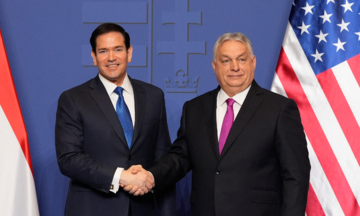
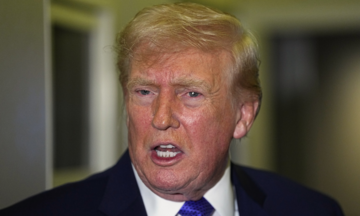
Iran's Supreme Leader Ali Khamenei declared today, "In a recent speech, President Donald Trump stated that the US has been unable to destroy Iran for the past 47 years. I affirm: He will also not succeed." His remarks come as indirect talks between Iran and the US resume in Geneva.
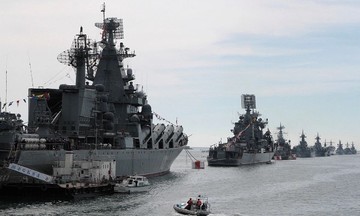
Khamenei also warned that US warships deployed in the Gulf could be sunk. He stated, "We are continuously informed that the US has dispatched a warship towards Iran. While a warship is a dangerous weapon, even more dangerous are the weapons capable of sinking it." The USS Abraham Lincoln aircraft carrier is currently in the region, accompanied by escort guided-missile destroyers.
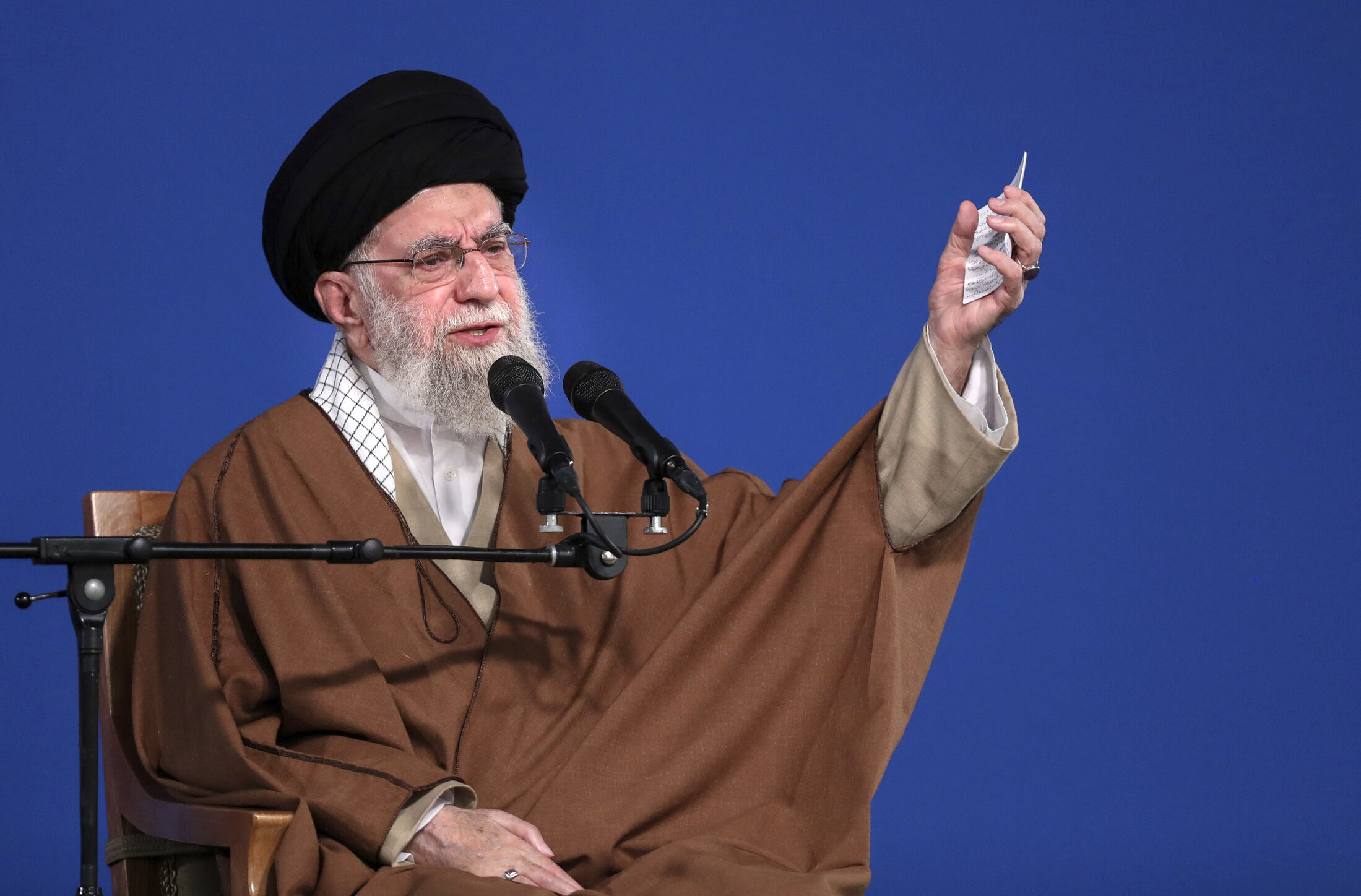 |
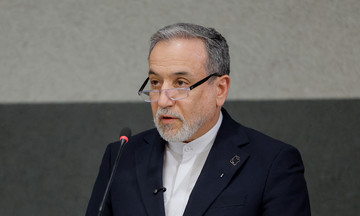
Iran's Supreme Leader Ali Khamenei in Tehran on 21/3/2025. Photo: AP |
Iran's Supreme Leader Ali Khamenei in Tehran on 21/3/2025. Photo: AP
The Supreme Leader made his remarks as the second round of indirect negotiations between Iran and the US commenced today. These talks are mediated by Oman and are being held at the Omani embassy in Geneva, Switzerland. Foreign Minister Abbas Araghchi leads the Iranian delegation, while US special envoy Steve Witkoff and real estate investor Jared Kushner, Trump's son-in-law, head the American contingent.
Both sides have discussed nuclear issues, involving nuclear, economic, and legal experts. Today's negotiation round is focused on the technical aspects of the bargaining process. Iran stated its delegation is prepared to remain in Geneva for days or weeks to finalize an agreement. The initial round of talks on 6/2 in Oman did not yield a breakthrough.
Today, Iran partially closed the Strait of Hormuz for live-fire exercises. The Islamic Revolutionary Guard Corps (IRGC) announced that it could completely close this strategic waterway "if ordered by senior leadership." The Strait of Hormuz serves as the sole gateway connecting the Gulf's major oil-exporting nations—such as Saudi Arabia, Iran, UAE, Kuwait, and Iraq—to the rest of the world. An estimated 20-21 million barrels of oil transit through this strait daily, representing approximately 20-30% of total global oil consumption.
 |
Location of the Strait of Hormuz. Graphic: CSIS |
Location of the Strait of Hormuz. Graphic: CSIS
Tehran and Washington restarted nuclear negotiations in Oman on 6/2, following the collapse of earlier dialogues. These previous talks failed after Israel initiated an airstrike campaign targeting Iran, which resulted in a 12-day conflict in 2025.
Efforts for dialogue between the two sides reportedly continue to face significant obstacles. Washington aims to broaden the scope of negotiations to include non-nuclear issues, such as Tehran's missile arsenal. Iran, however, is only prepared to discuss potential limitations on its nuclear program in exchange for sanctions relief. It refuses to completely halt uranium enrichment and will not negotiate on its missile capabilities.
The US maintains the option of military action against Iran and has deployed an aircraft carrier strike group to the region. US officials have indicated that the US decided to send a second aircraft carrier to the Middle East and is preparing for the possibility of a prolonged military operation should negotiations prove unsuccessful.
By Duc Trung (According to Al Jazeera, Times of Israel, AP)