"We completely oppose the diesel ban. This measure will benefit no one and will erode our trust in the US as a reliable partner," Anna-Kaisa Itkonen, spokesperson for the European Commission, said on 2/10.
She added that the European Union (EU) is ready to coordinate with the International Energy Agency (IEA) to consider releasing fuel reserves to curb prices, following urgent meetings between member states and the European Commission.
Earlier that day, French President Emmanuel Macron spoke by phone with US President Donald Trump, urging G7 countries to coordinate on the issue and opposing an export ban.
"Macron emphasized that G7 countries have a shared interest in coordinated action and not imposing export restrictions," the French President's Office stated after the phone call between the French and US leaders.
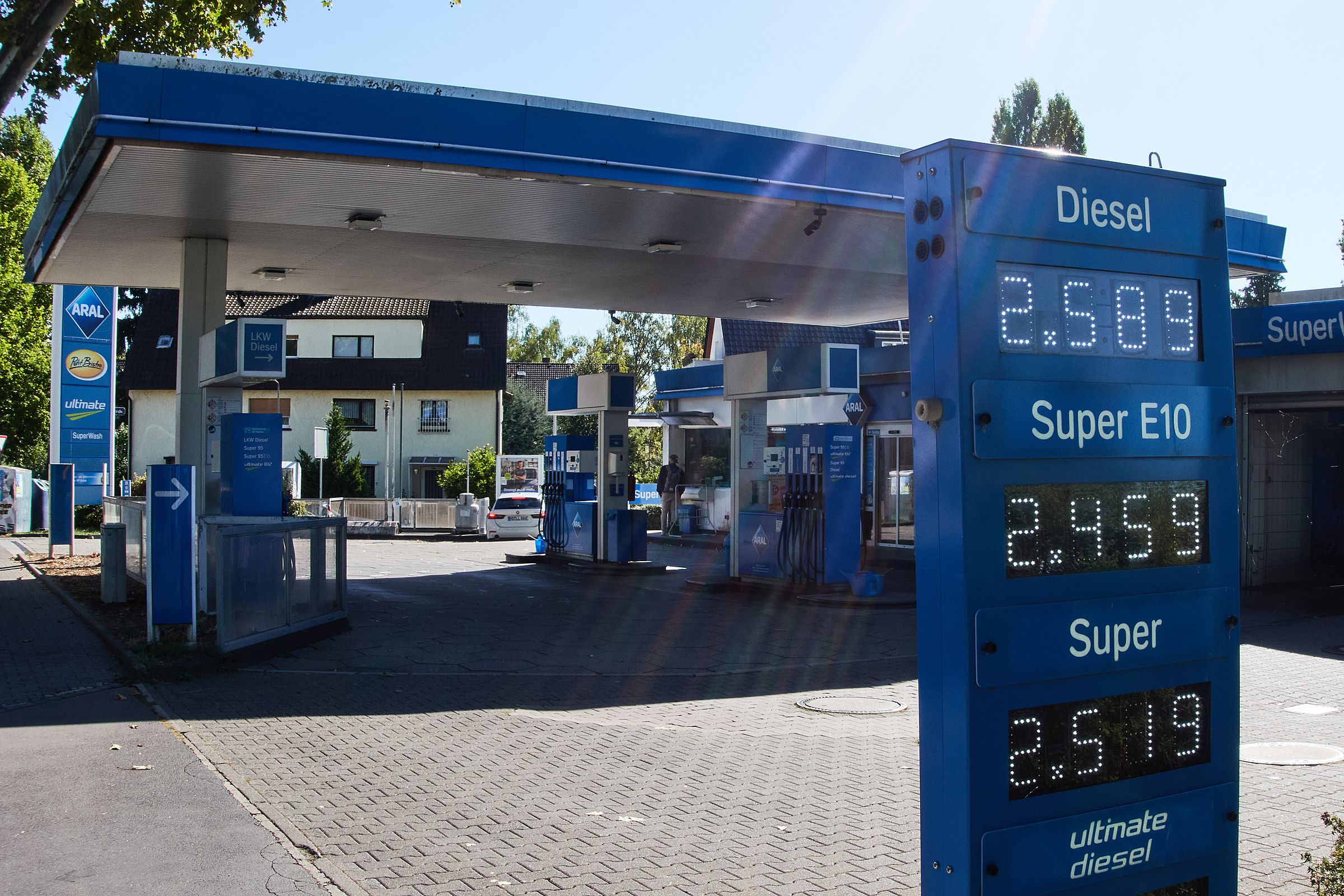 |
A gas station in Frankfurt, Germany on 25/9. *Photo: AP* |
France expects to organize an online meeting among G7 leaders "as soon as possible" to ensure coordination. Brussels suggested the meeting could take place as early as today.
The EU's actions came a day after US Treasury Secretary Scott Bessent increased pressure on European countries. "European partners should accelerate the implementation of existing commitments and immediately provide additional supply to respond to ongoing disruptions," Bessent posted on social media.
The US Secretary added that American citizens and businesses should not bear the burden of global diesel shortages.
President Trump on 30/9 raised the possibility of the US administration ordering a ban on diesel exports, a fuel used for trucks and many other transport vehicles. The move worried the EU, as the bloc relies heavily on imported fuel.
Media reported that the Trump administration specifically wanted France and Germany to tap into their diesel reserves to try to curb prices.
A European diplomatic source revealed that Washington had asked the EU to release up to 120 million barrels of diesel over the next 6 months. This move aimed to immediately compensate for global market shortages and reduce domestic US fuel prices ahead of next month's mid-term elections.
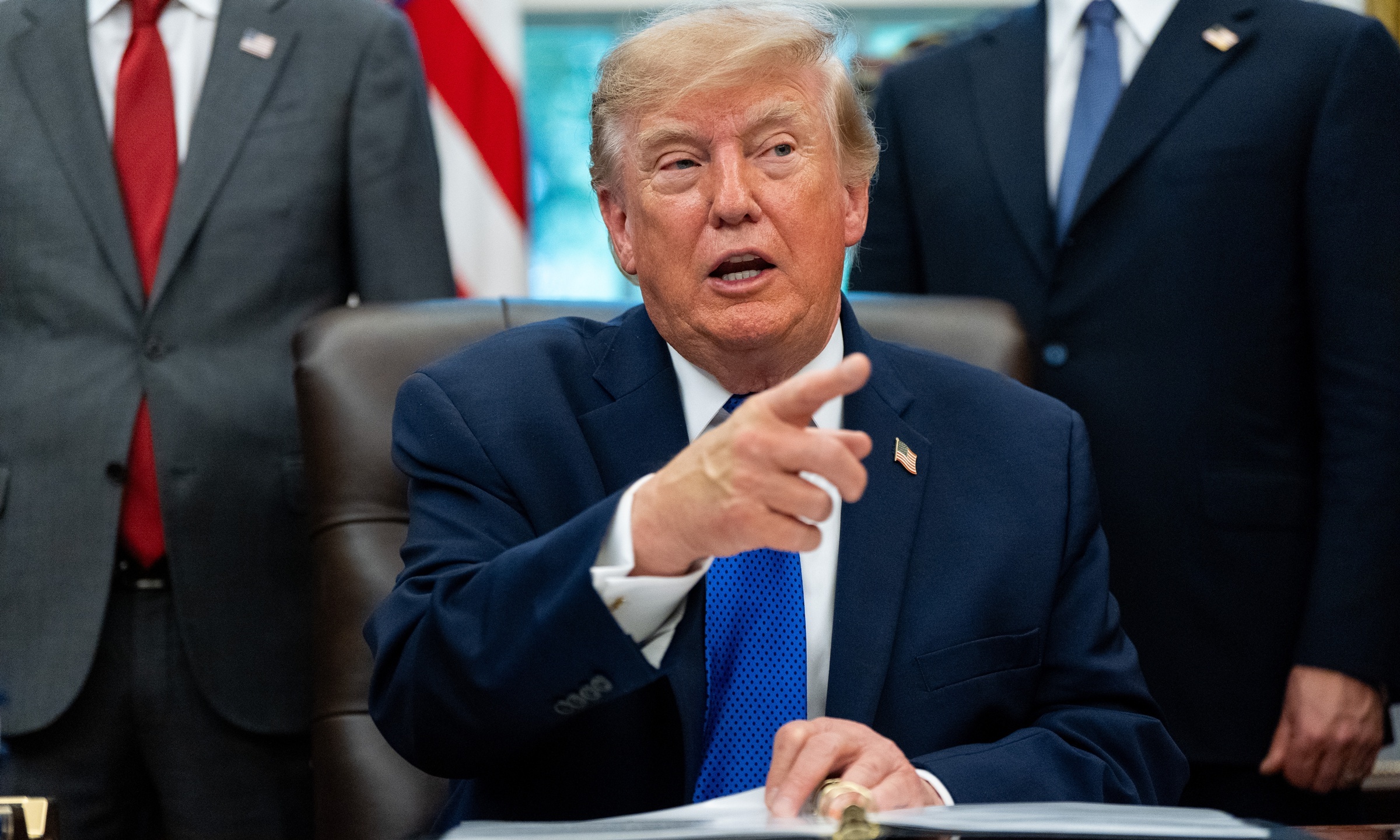 |
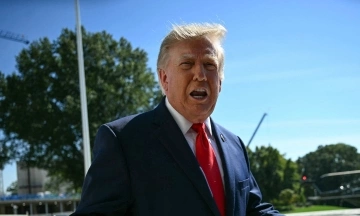
President Donald Trump in the Oval Office, White House, on 28/9. *Photo: AP* |
"Europe's best interest is to cooperate with the US as we pursue various avenues to boost refined product supplies and lower costs for consumers," a US official told AFP.
According to the American Automobile Association (AAA), the average diesel price in the US has risen over 70%, to USD 6,39 per gallon (approximately 3,78 liters) since the Iran conflict erupted in late February.
IEA Director Fatih Birol stated on 29/9 that some European countries have not yet released the fuel reserves they committed to in March to cool prices.
In March, 32 IEA members agreed to release 400 million barrels of oil from reserves, their largest release to date. Birol said about one-third of this oil has not yet entered the market, adding that the IEA could release more as about 80% of total reserves remain.
By Thanh Tam (AFP, Reuters)