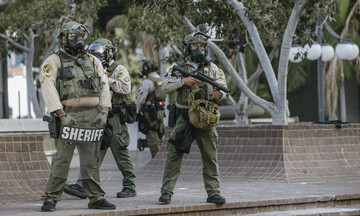
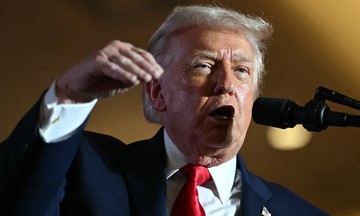
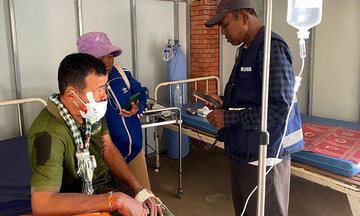
The three-judge panel of Bangladesh's International Crimes Tribunal (ICT) today sentenced Hasina to death in absentia. She was convicted on charges of incitement, ordering murder, and failing to prevent crimes during the 2024 crackdown on anti-government protestors.
Judge Golam Mortuza Mozumder stated that Hasina committed crimes against humanity by ordering the use of drones, helicopters, and lethal weapons against protestors.
Speaking from India, Hasina, 78 years old, denied the charges and called the months-long trial a "politically motivated farce."
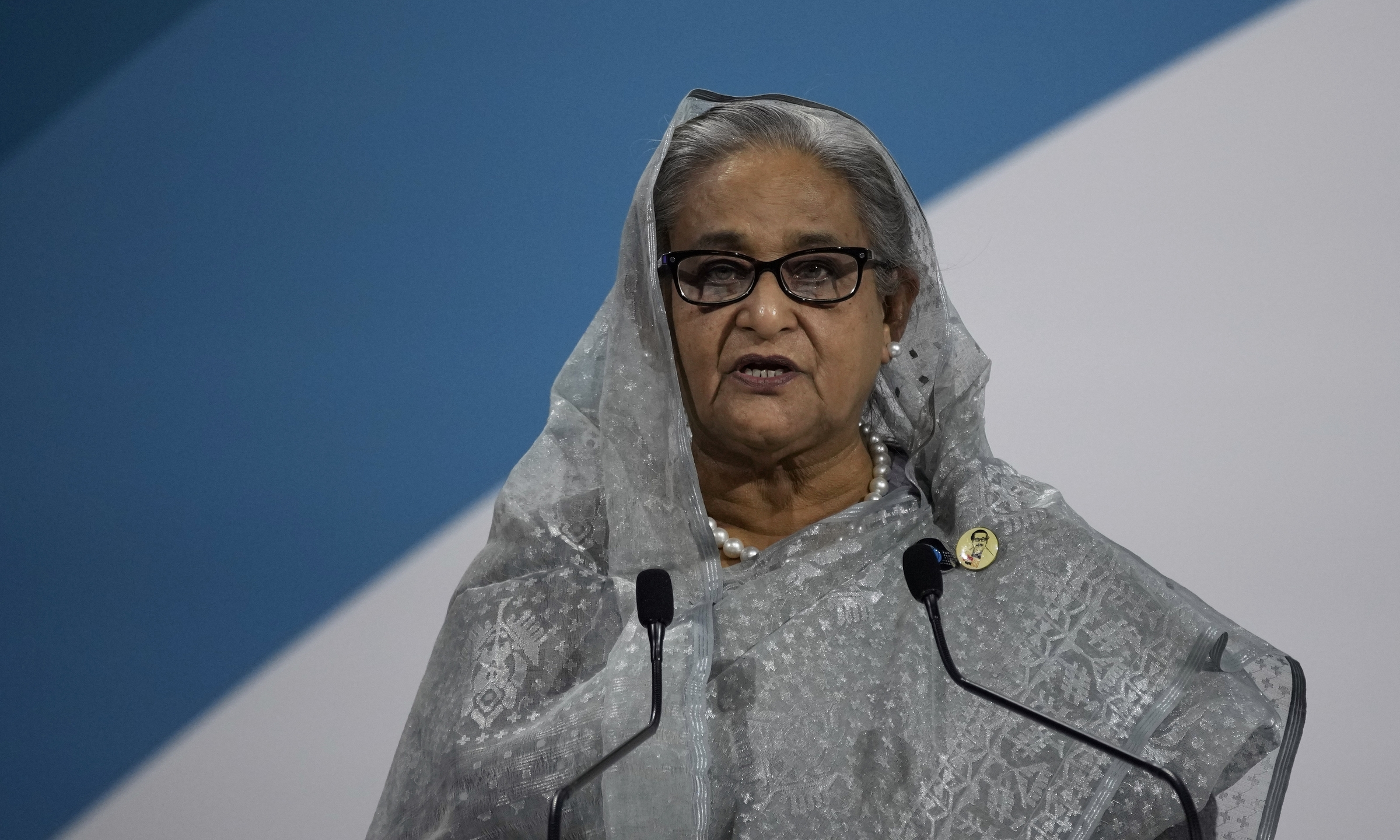 |
Former Bangladesh prime minister Sheikh Hasina in Paris, France, in 11/2021. Photo: AP. |
Protests erupted in Bangladesh in 7/2024, initially against civil service quota allocation policies. The demonstrations quickly escalated into riots, with protestors demanding the resignation of Hasina, who had recently been re-elected for her fifth term.
At least 300 people died during one month of protests. The deadliest day was 4/8/2024, when Bangladeshi authorities reported 94 fatalities from clashes between security forces and students and youth. The next day, Hasina announced her resignation and left the country by helicopter. She is currently living in exile in India. Dhaka accuses New Delhi of ignoring its extradition requests.
Relatives of the deceased protestors wept in court as the judges pronounced death sentences for Hasina and former interior minister Asaduzzaman Khan.
Police, army, and paramilitary forces have tightened security across the capital. Dhaka police were ordered to "shoot on sight" if they found anyone throwing bombs or burning vehicles.
Hasina’s prosecution was a central commitment of the interim government, led by Nobel Peace laureate Mohammad Yunus. Yunus was chosen by protest leaders to lead the nation last year. The interim government appointed Mohammad Tajul Islam as chief prosecutor to build the case against Hasina.
The ICT is a special court established by Hasina in 2010 to investigate war crimes from the 1971 conflict between East and West Pakistan, which led to the creation of Bangladesh. The tribunal was later used to prosecute international crimes, not limited to wartime offenses.
Duc Trung (According to Guardian, BBC)