"In these particularly volatile times, we are following a compass. It always points towards a united NATO and a reliable transatlantic partnership," Chancellor Friedrich Merz stated today during a visit to a training ground in northern Germany.
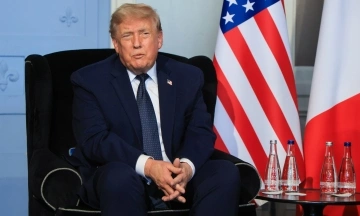
The comments follow US President Donald Trump's announcement that he is considering reducing the number of troops stationed in Germany. Trump had also criticized German leaders for suggesting that the US lacked a clear strategy and was being "humiliated" by Iran.
 |
Chancellor Friedrich Merz during a visit to a training ground in Munster, Germany, on 30/4. Photo: AFP
Merz did not directly address Trump's threats but affirmed that Germany is in "close and reliable contact" with partners, especially the US, regarding the implications of the Middle East conflict. "This is for our common transatlantic interest. We do it with mutual respect and fair burden-sharing," he stated.
Chancellor Merz also emphasized that transatlantic relations are "particularly important" for the country, the German people, and himself personally.
European Union (EU) spokesperson Anitta Hipper confirmed on the same day that the US is a "crucial partner" for European security and defense, adding that the deployment of US forces in Europe also supports Washington's global role.
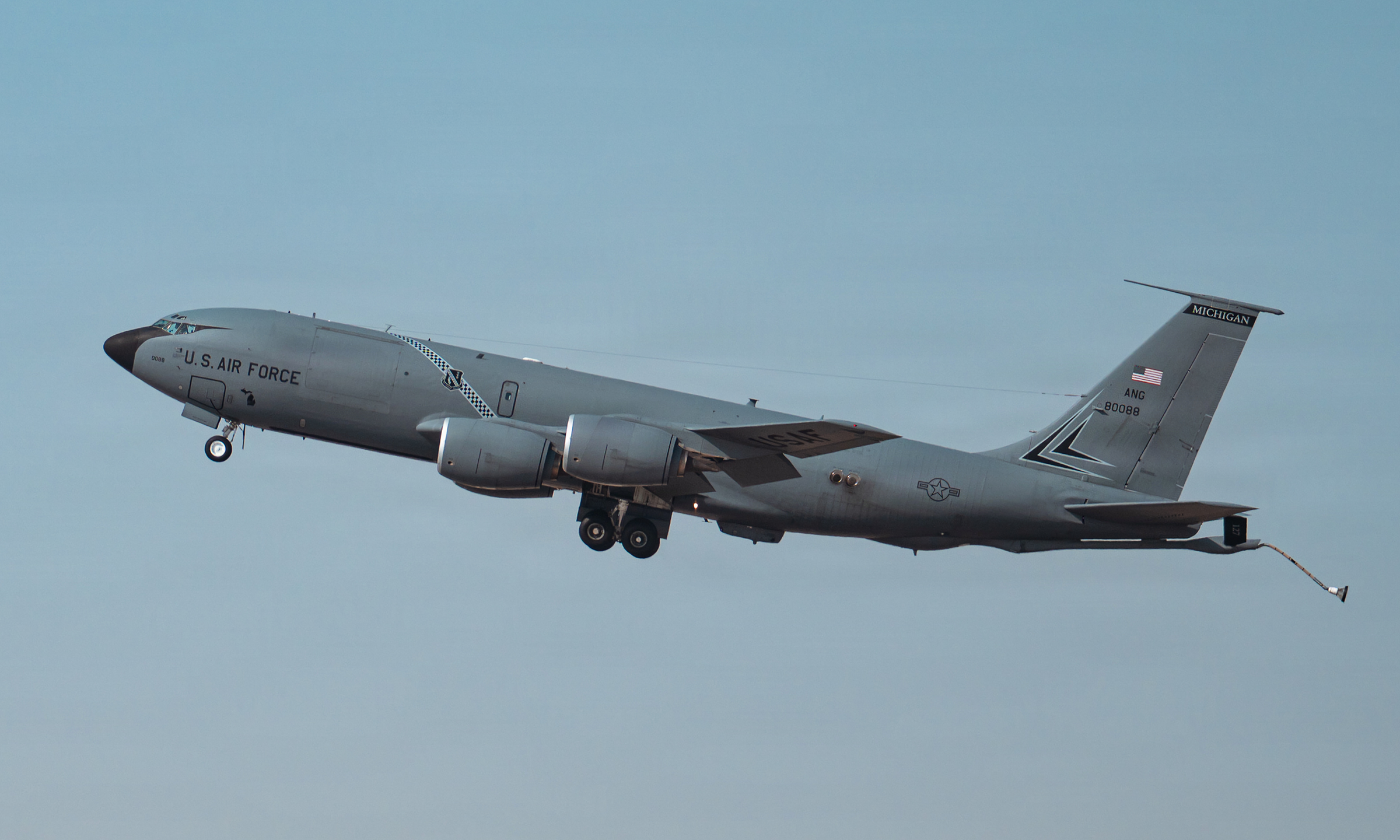
According to the US Congressional Research Service, as of 2024, the US has deployed over 35,000 troops at more than 40 military bases across Germany. European national media estimate the current number of personnel to be nearly 50,000.
Germany plays a central role in the US military presence in the region. It hosts the headquarters of the US European Command (USEUCOM), one of the country's premier medical treatment centers, and numerous maintenance facilities and weapon depots for the US Air Force.
President Trump has repeatedly criticized NATO and threatened to reduce troop deployments in European allied nations since taking office during his first term.
The US appears determined to pressure allies who do not support it in the conflict with Iran, or who do not participate in efforts to lift blockades and patrol the Strait of Hormuz, a vital global shipping lane currently controlled by Tehran.
Thanh Tam (According to AFP)