"The Iranians are clearly very skillful at negotiation, or rather, very adept at not negotiating. They let the Americans come to Islamabad and then leave empty-handed," German Chancellor Friedrich Merz stated to students in Marsberg, North Rhine-Westphalia, on 27/4.
Merz also assessed that Iran's leadership is "much tougher than others think" in the ongoing conflict with the US and Israel. The conflict erupted on 28/2 and shows no signs of ending soon, despite the parties being in a ceasefire phase. Both sides are increasing economic pressure on each other by blockading the Strait of Hormuz, through which 20% of the world's oil passes.
According to Chancellor Merz, the problem with such conflicts is that "intervention is easy, withdrawal is difficult," a lesson demonstrated by the 20-year US campaign in Afghanistan and the war in Iraq.
"Now, an entire nation is being humiliated by Iran's leadership, especially by the Iranian Revolutionary Guard Corps," Merz said. "That is why I hope this war ends as soon as possible."
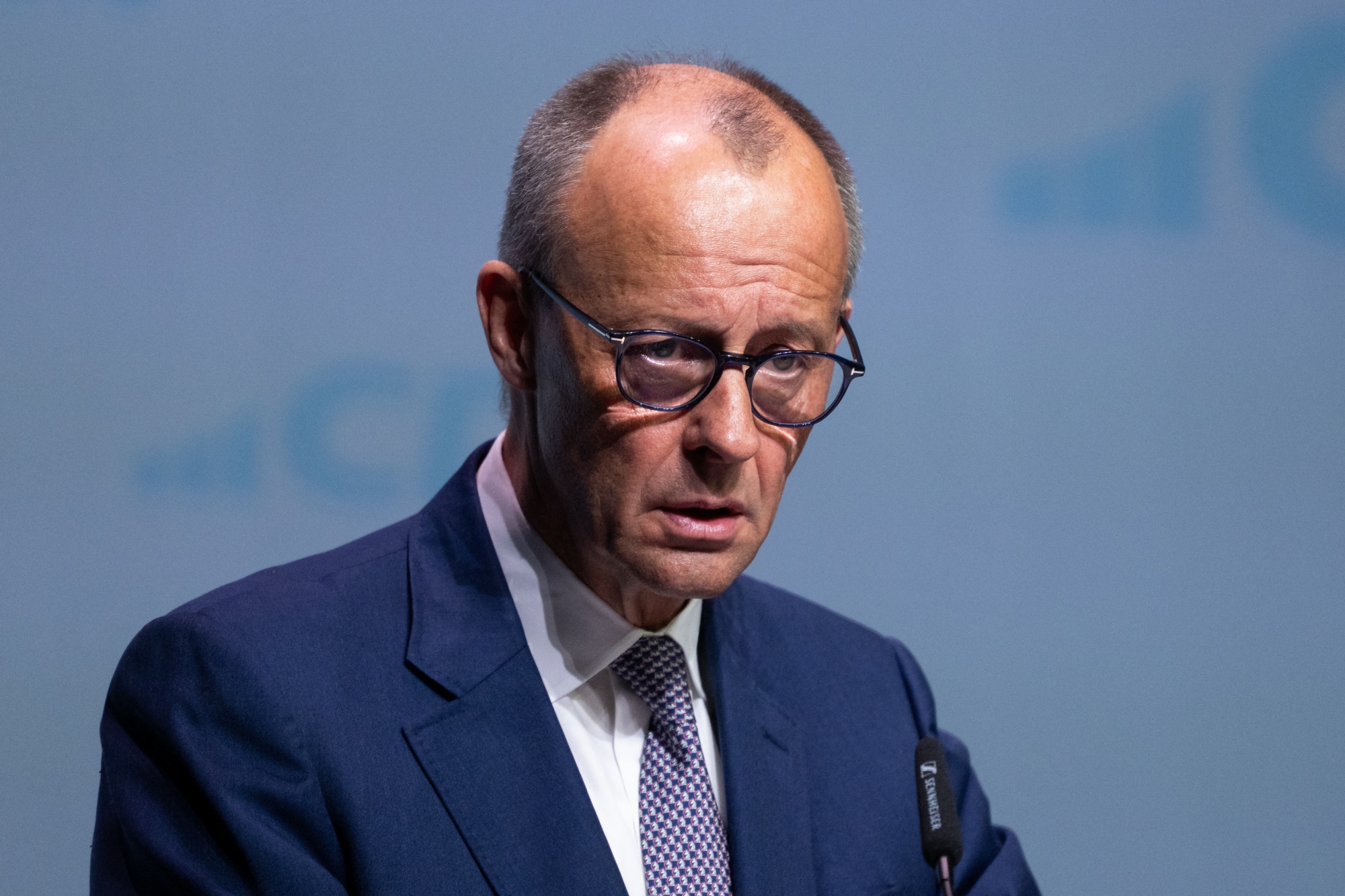 |
Chancellor Friedrich Merz attends an event in Marburg, Germany on 25/4. *Photo: AFP* |
The German Chancellor warned that the consequences of the Iran conflict have impacted the German economy. "Currently, the situation is complicated. The conflict is costing us a lot of money, directly affecting our economic output," he explained.
Merz added that Germany is ready to deploy minesweepers to help ensure the security of shipping routes through the Strait of Hormuz, but emphasized that such a step would only occur once hostilities have ceased.
Neither the US nor Iran has commented on Chancellor Merz's statement.
Merz's remarks came two days after US President Donald Trump announced the cancellation of his country's negotiating delegation's trip to Islamabad, Pakistan, for talks with Iran. Trump suggested that negotiations could be conducted by phone. The Iranian delegation had previously been in Islamabad but only met with Pakistani officials before departing for Russia.
A round of US-Iran negotiations in the Pakistani capital two weeks prior, led by US Vice President JD Vance, concluded without any agreement.
The German Chancellor's comments on the stalled US-Iran negotiations risk deepening cracks in the transatlantic relationship between the US and its NATO allies. His views also contradict Trump's efforts, as the US President consistently describes the situation positively.
"We hold all the cards. If Iran wants to negotiate, they can come see us or call us," President Trump said on Fox News last week.
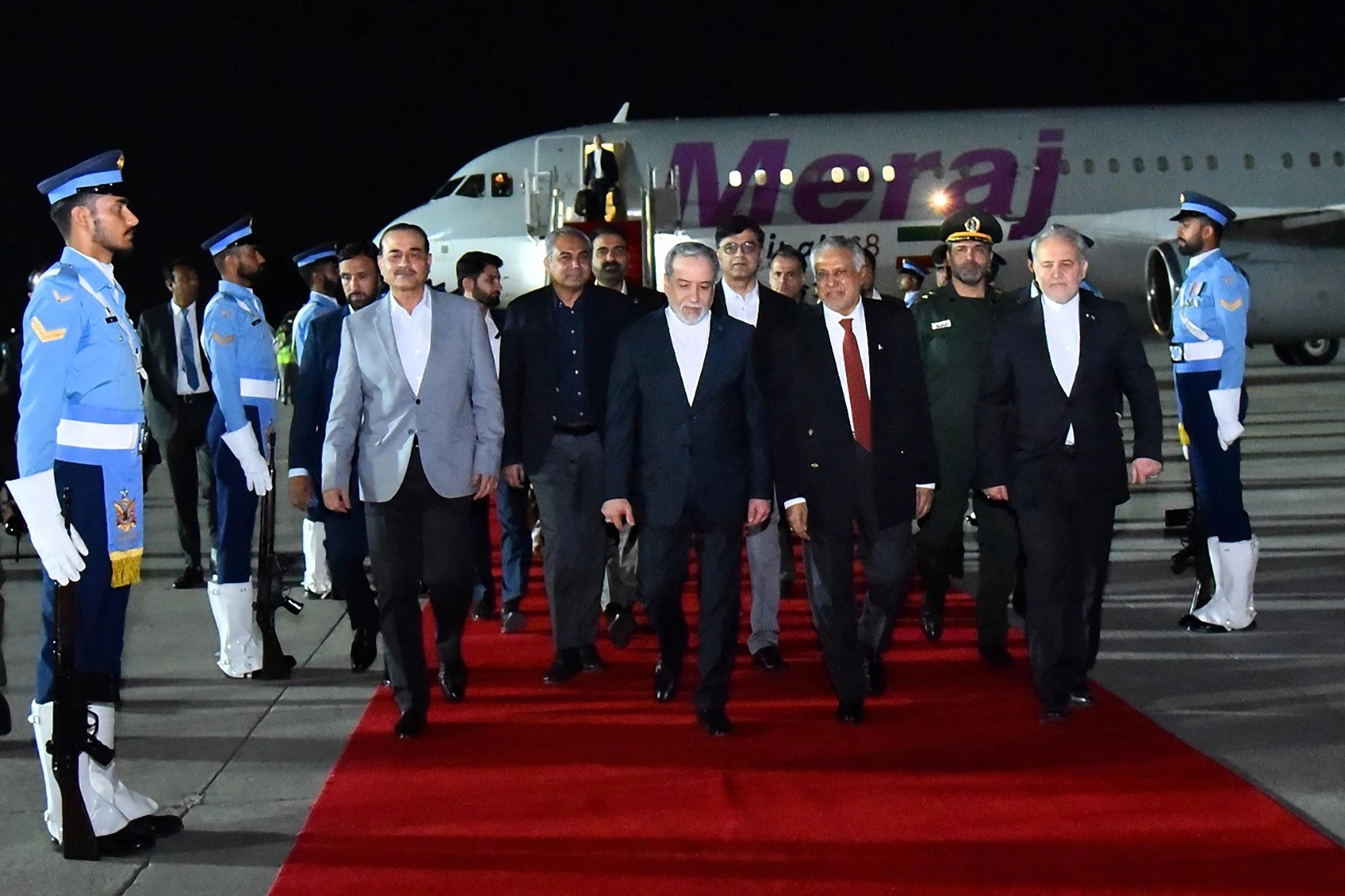 |
Foreign Minister Araghchi (center) led a delegation to Islamabad, Pakistan on 24/4, but did not negotiate with the US. *Photo: AFP* |
However, secret negotiation efforts between the two sides appear to be continuing. US news agency Axios and Lebanese television channel Al Mayadeen reported on 26/4, citing informed sources, that Iran proposed a three-step peace negotiation process: a complete ceasefire, discussions on the Strait of Hormuz, and only then nuclear negotiations.
A US official stated that Trump was not satisfied with this proposal. The Trump administration has always insisted that the Iranian nuclear issue must be resolved from the outset. White House spokesperson Olivia Wales said the US "will not negotiate through the press" and "has made our red lines clear."
According to Iran and Middle East policy analyst Ali Vaez, the Trump administration may have misjudged the extent to which economic pressure could force Iran to make concessions. Iran views this as an existential conflict and is prepared to incur significant losses.
Conversely, Trump faces domestic pressure such as rising gas prices, inflation, and the risk of a global jet fuel shortage that could affect the 2026 World Cup in North America in June and July. The US President also wants to resolve the Iran crisis before undertaking important trips, such as a planned visit to China in mid-May.