In late May, the Israeli military raised its flag over Beaufort fortress, declaring control of the strategically located defensive structure with extensive views across southern Lebanon. Prime Minister Benjamin Netanyahu hailed this as a "milestone advance", indicating Israel had "returned stronger than ever".
These developments evoke memories of the period when Israel was mired in an 18-year conflict in Lebanon, which began when Tel Aviv sent troops into the neighboring country in 1982 with the goal of eliminating the influence of the Palestine Liberation Organization.
"The capture of Beaufort is the clearest sign that we have learned nothing," wrote Professor Nadav Pollak of Reichman University, Israel, on X.
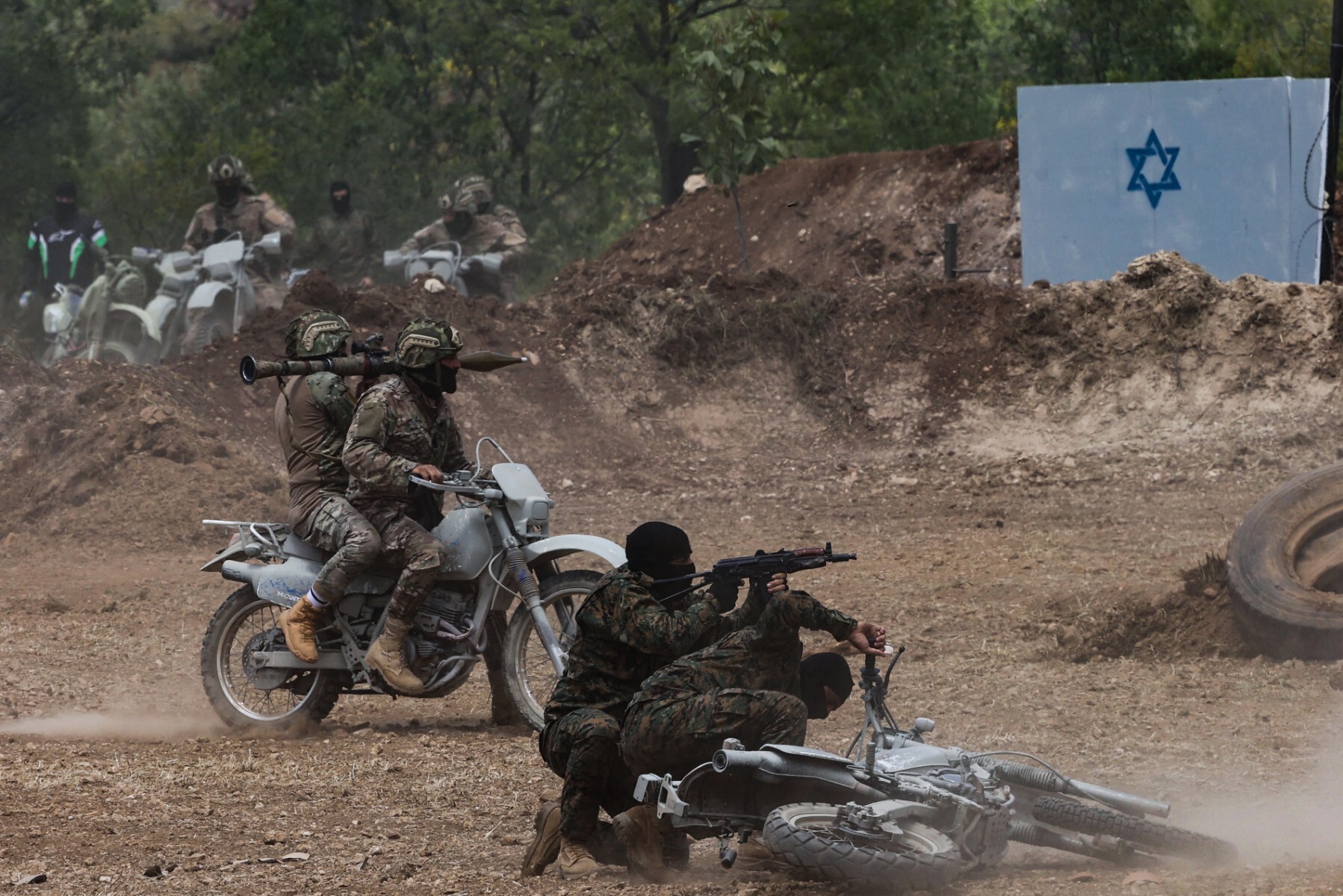 |
Hezbollah forces conducting an anti-Israel drill in the border village of Aaramta, southern Lebanon, in 5/2023. Photo: AFP
In late February, the US and Israel launched an operation against Iran, killing several political and military leaders of their adversary. When Hezbollah attacked Israel to retaliate for the death of Iran's supreme leader Ali Khamenei, Tel Aviv launched a ground offensive into Lebanon in response.
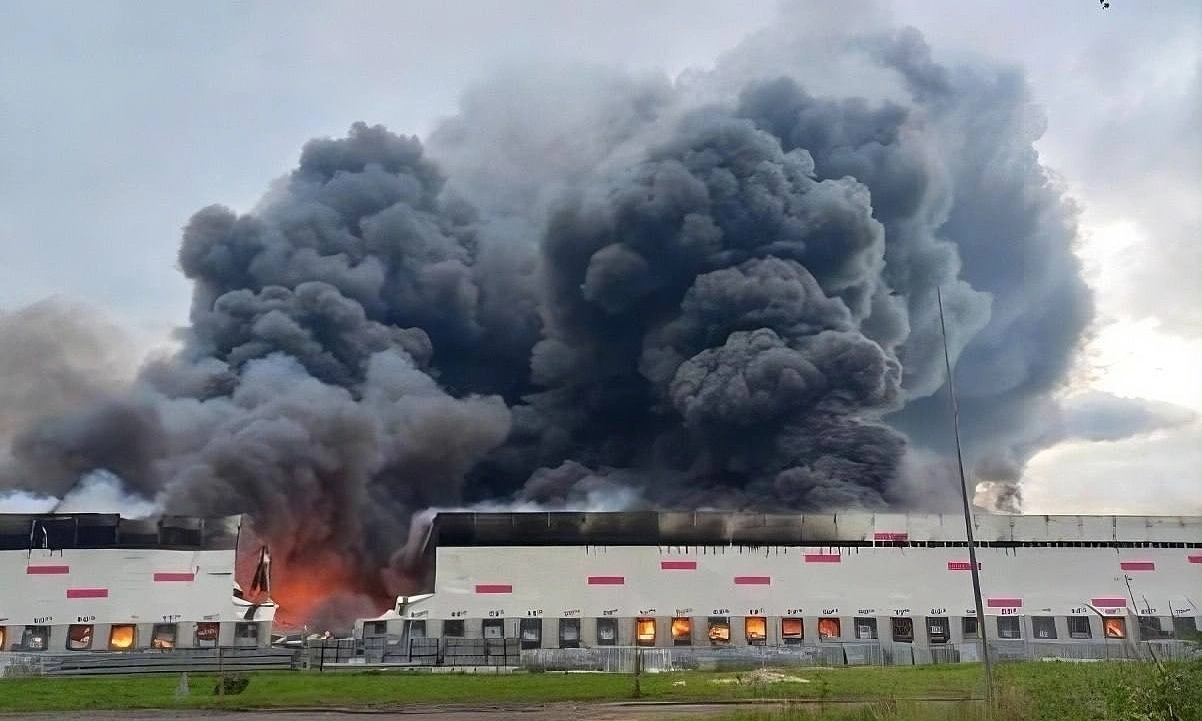
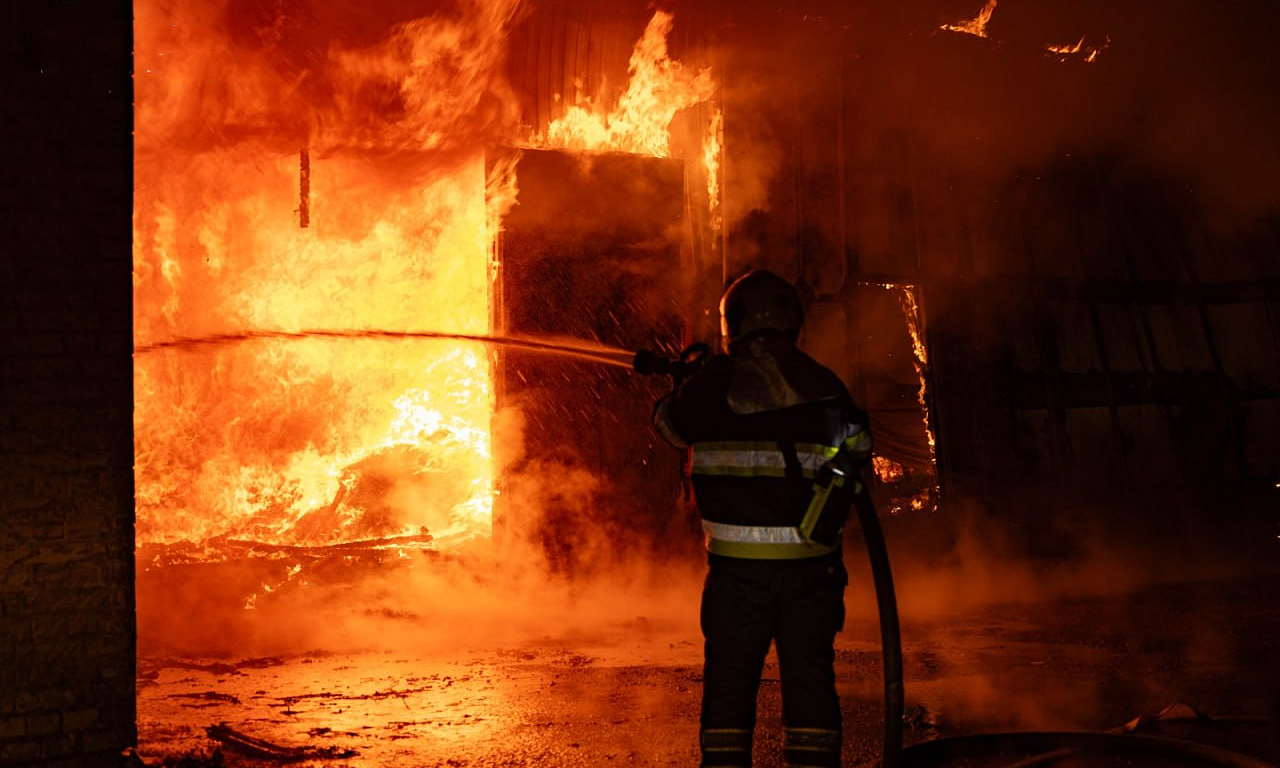
The Israeli military reported killing many Hezbollah fighters, destroying the armed group's tunnel network and weapons depots, and controlling approximately 5% of southern Lebanese territory. Israel also unilaterally established a "golden boundary", creating a security buffer zone for itself.
However, Hezbollah did not weaken but adapted by shifting to guerrilla warfare. From previously limited attacks, the group began using bolder tactics, inflicting casualties on Israeli soldiers and increasing threats to communities in northern Israel.
"Israel is repeating past mistakes, where battlefield success does not lead to long-term security objectives," commented Shira Efron, an Israel expert at the RAND global policy institute, based in the US, in Foreign Affairs.
Hezbollah was founded in 1982, when Lebanon was still engulfed in civil war, with the backing of Iran's Revolutionary Guard to fight against Israel. The group gradually rose to become a dominant political and military force in Lebanon, considered more powerful than the regular army.
Hezbollah's strong resistance in the 1990s resulted in Israel suffering over 1,200 soldier casualties and thousands wounded, leading to a wave of public opposition to the occupation at home. The Israeli government was compelled to order a troop withdrawal in 2000 without establishing the anticipated security buffer zone.
Meanwhile, the Lebanese government lacked effective measures to restrain Hezbollah. The group refused to disarm after the civil war ended in 1990 and warned that any attempts to pressure it on this issue could ignite conflict.
For many decades that followed, Hezbollah and Israel continuously clashed. After the Gaza conflict erupted in 2023, Hezbollah opened a front to support Hamas by launching cross-border attacks into Israel. In response, Israel launched an operation in Lebanon, striking Hezbollah severely and killing the group's leader Hassan Nasrallah.
The collapse of Bashar al-Assad's government in Syria in late 2024 caused Hezbollah to lose a critical supply route from Iran. However, Iran quickly sought to support the group in rebuilding its command structure. Iran also included the Lebanon issue in peace talks with the US, stating that any agreement with Washington must include Israel ending its campaign in Lebanon.
In recent years, Hezbollah has faced increasing pressure from a segment of the Lebanese population, who believe the group has drawn the country into conflicts that caused economic and humanitarian damage. President Joseph Aoun's administration is also tightening control over weapons in the country and gradually limiting Hezbollah's military influence.
Ms. Efron warned that Israel's campaign could reverse this trend if they continue to inflict casualties on Lebanese civilians. This would give Hezbollah an opportunity to restore its image as a "resistance force against occupation", similar to when Israel attacked Lebanon in 1982.
The longer the military campaign lasts, the greater the risk Israel faces of being drawn deeper into regional strategic calculations that it cannot fully control, according to the RAND institute expert.
Sam Heller, an analyst at the Century Foundation policy institute, based in the US, shares this view. For Heller, the image of the Israeli flag flying over Beaufort fortress will not significantly alter what he considers the most likely scenario: Israel will become bogged down in a new, prolonged conflict in Lebanon.
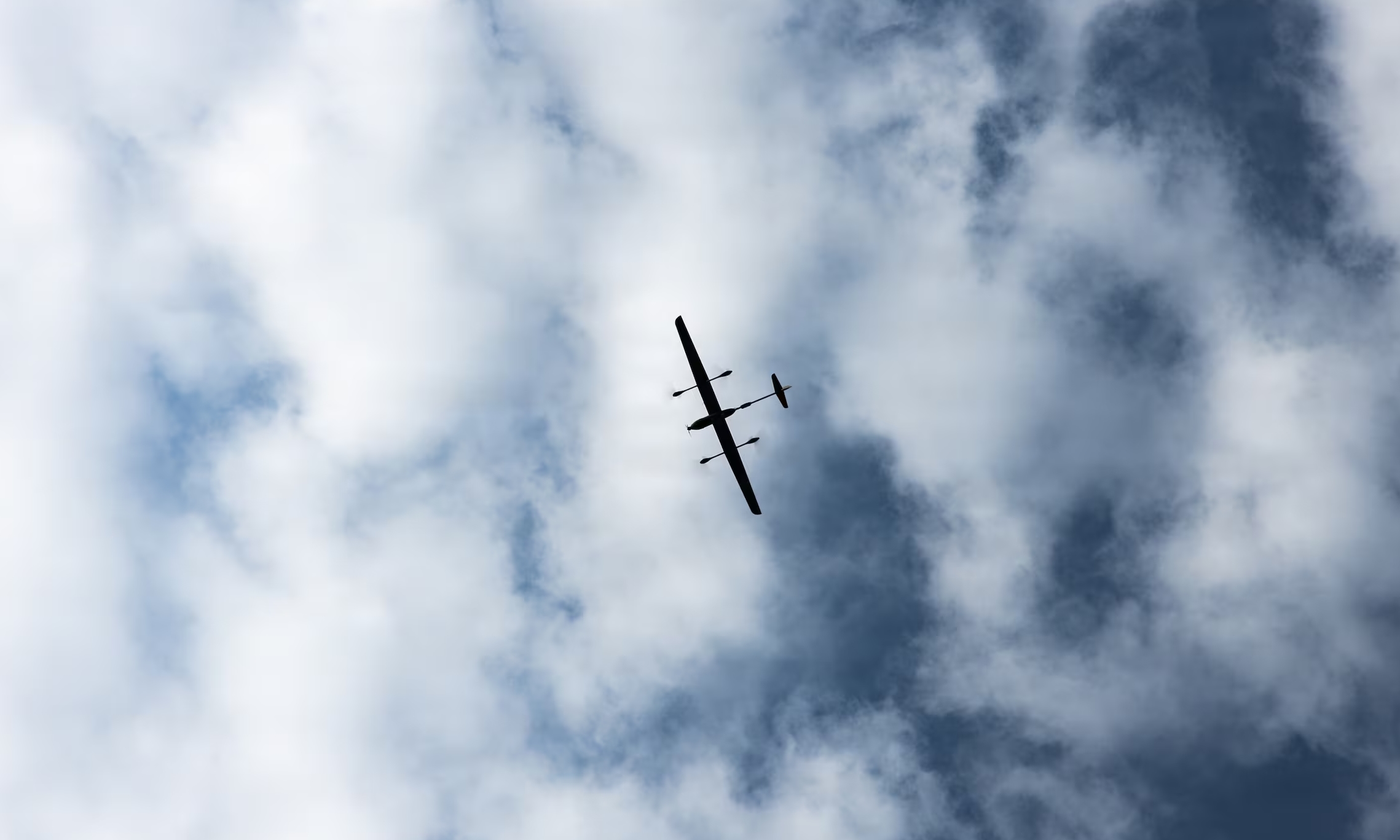
"The biggest challenge for Israeli forces is Hezbollah's explosive-laden UAVs," Heller told AFP, referring to the combat method that has killed some Israeli soldiers. "A buffer zone in southern Lebanon does not eliminate that risk, while Israel still lacks effective countermeasures."
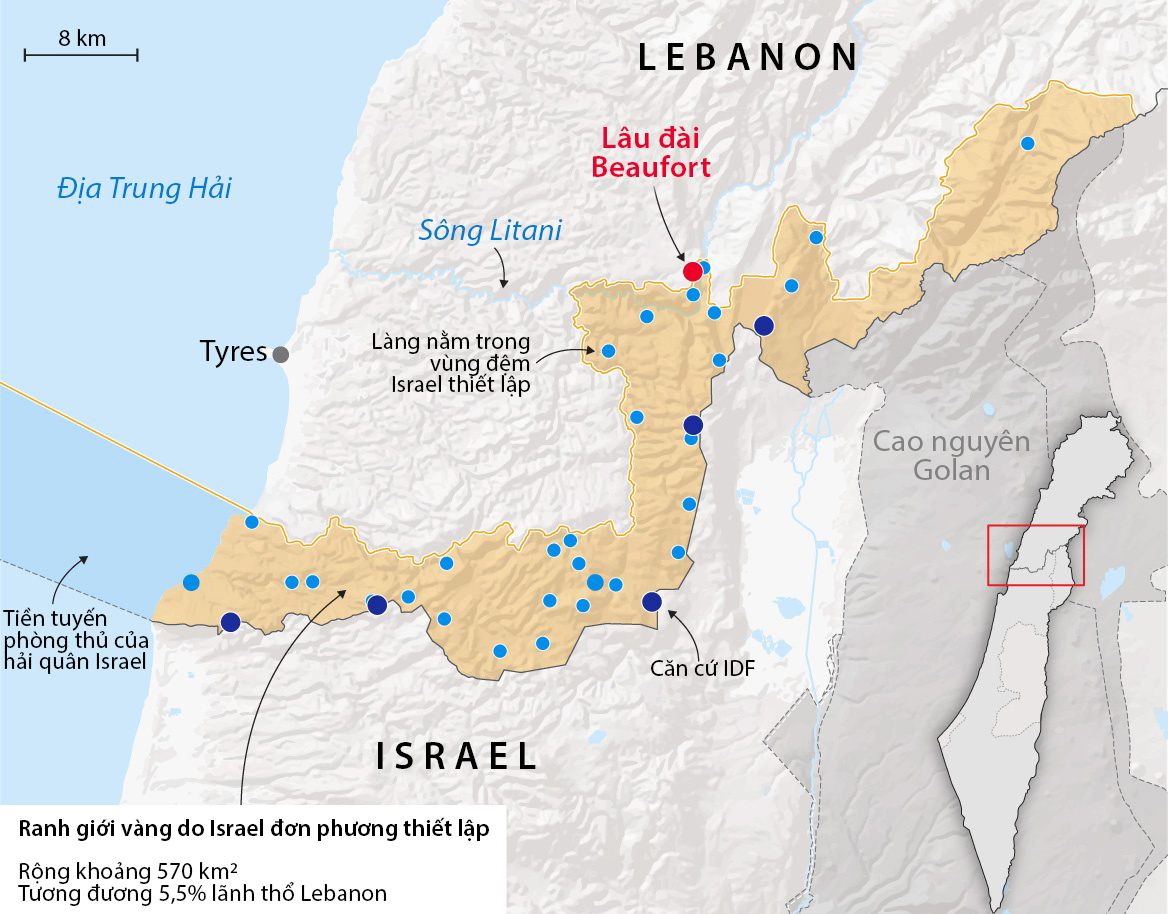 |
Location of Beaufort fortress in southern Lebanon. Graphic: Telegraph
On 3/6, the US Department of State released a joint statement after negotiations in Washington, indicating that Lebanon and Israel had agreed to implement a ceasefire agreement. The two countries also agreed to establish "pilot zones" where Lebanese armed forces "will have exclusive control over the territory, excluding all non-state actors", referring to Hezbollah.
This agreement requires Hezbollah to "completely cease" attacks targeting Israel, but there is no guarantee the armed group will comply.
Sarit Zehavi, an Israeli reservist, believes Israel has a historic opportunity to "wipe out a weakened Hezbollah force", but notes that most people in Israel do not want Tel Aviv to return to a long-term occupation of Lebanon.
"My father and husband fought in Lebanon. I lost friends in Lebanon. My cousin's son was killed last week in the border area," Ms. Zehavi said.
Nhu Tam (According to Foreign Affairs, AFP, Reuters)