On 8/1, the US House of Representatives passed a bill to extend expired healthcare subsidies for individuals enrolled in the Affordable Care Act (Obamacare).
All Democratic lawmakers and 17 Republican members voted in favor, allowing the bill to pass with 230 votes to 196. The legislation now moves to the Senate, where pressure for a bipartisan compromise is mounting.
Previously, House Speaker Mike Johnson had opposed bringing the bill to the floor for debate. However, a group of Republican lawmakers 'broke ranks', signing a special petition to initiate the debate, which ultimately led to the bill's passage.
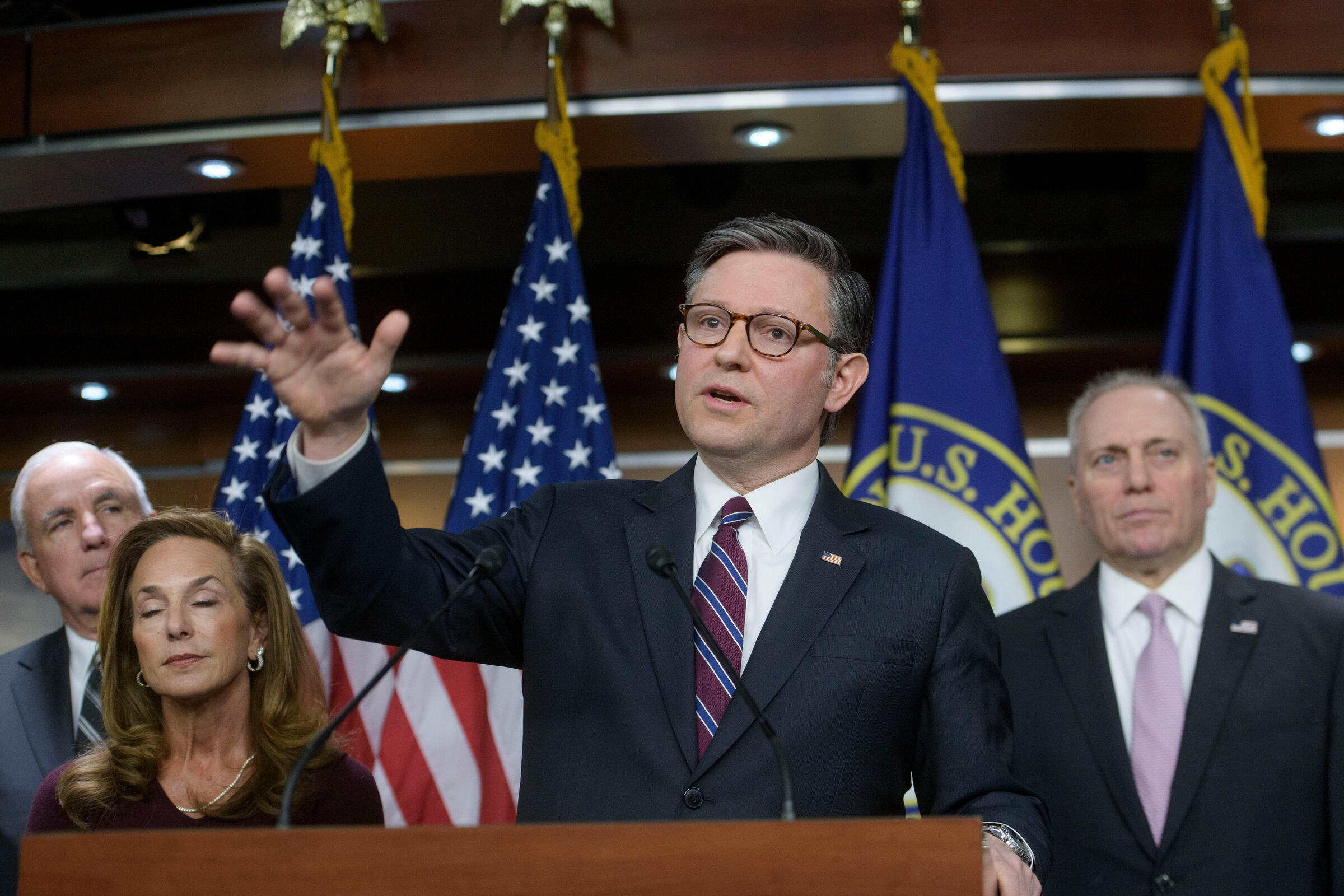 |
US House Speaker Mike Johnson speaks at a press conference at the Capitol on 7/1. *AP* |
Enhanced Obamacare health insurance subsidies, originally boosted during the Covid-19 pandemic, expired at the end of 2025. This lapse occurred because bipartisan consensus in Congress failed during the government shutdown, preventing their extension.
Before the vote, the Congressional Budget Office (CBO) estimated that the bill, which proposes extending subsidies for three more years, would incur a cost of approximately 80,6 billion USD to the federal budget over a decade. Conversely, this extension is projected to increase the number of insured individuals by around 100.000 in 2026, 3 million in 2027, 4 million in 2028, and 1,1 million in 2029.
House Speaker Johnson, a Republican, had actively worked for months to block the bill, arguing that federal health funding from the Covid-19 era was susceptible to fraud.
Republican lawmakers contend that Congress should prioritize reducing healthcare premiums for all citizens, rather than exclusively favoring those enrolled in Obamacare plans.
The US Senate is not obligated to include the House bill on its agenda and has previously rejected similar proposals.
By Duc Trung (Sources: AP, CNN, Washington Post)