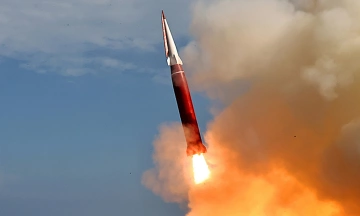
On 27/7, Yahya Saree, spokesperson for the Houthi group, announced on X that key locations within Saudi Arabia's crude oil supply and transportation network, stretching from the eastern part of the country to the city of Yanbu, were targeted by unmanned aerial vehicles (UAVs). Saree stated the attack was in retaliation for Saudi UAVs violating Yemeni airspace.
Saudi officials have not commented on the Houthi's claim. However, Saudi Arabia's Ministry of Defense previously reported that its air defense systems intercepted and destroyed several UAVs targeting oil facilities in the Eastern Province and the capital Riyadh. General Turki Al-Maliki, spokesperson for the Ministry of Defense, attributed these UAVs to Iran-backed militias in Iraq, notably without mentioning the Houthi group. Saudi Arabia has urged Iraqi officials to take all necessary measures to prevent its territory from becoming a launchpad for attacks.
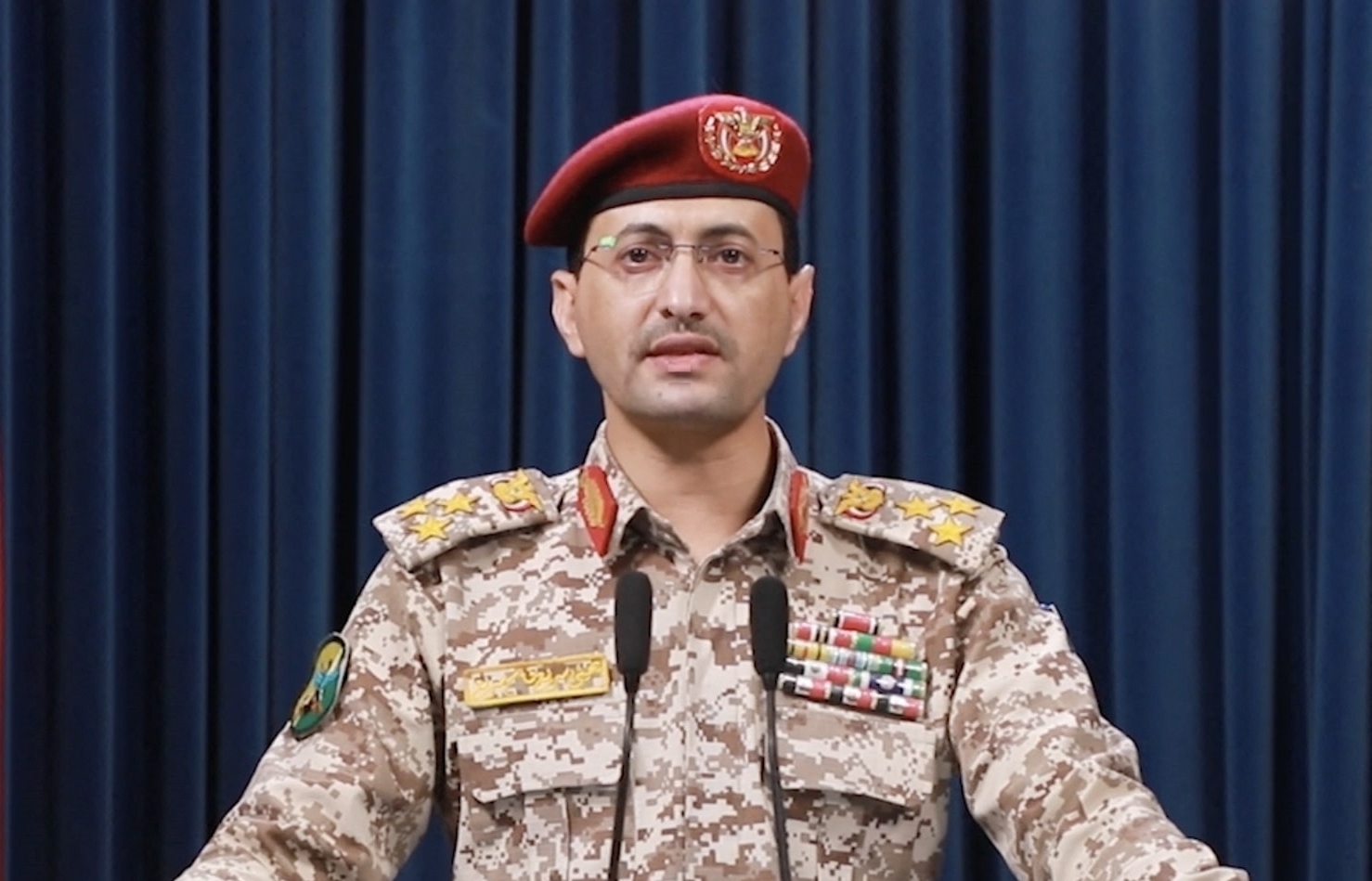 |
Yahya Saree, spokesperson for Houthi forces in Yemen. *Photo: AFP* |
Yanbu, a port city on the Red Sea in western Saudi Arabia, is a strategic alternative for oil exports. It allows Saudi Arabia to bypass the eastern port on the Strait of Hormuz, which is currently under an Iranian blockade. To facilitate oil transport across its vast territory, Saudi Arabia utilizes the East-West pipeline, which spans approximately 1,200 km. This system includes two pipelines, 1.2 m and 1.4 m in diameter, originating from the Abqaiq oil refinery complex in the Eastern Province.
Data from commercial firm Kpler indicates that Saudi Arabia exported about 4.1 million barrels of oil per day in June via Yanbu port. This volume represents nearly 64% of its exports through Hormuz before the Iran conflict escalated.
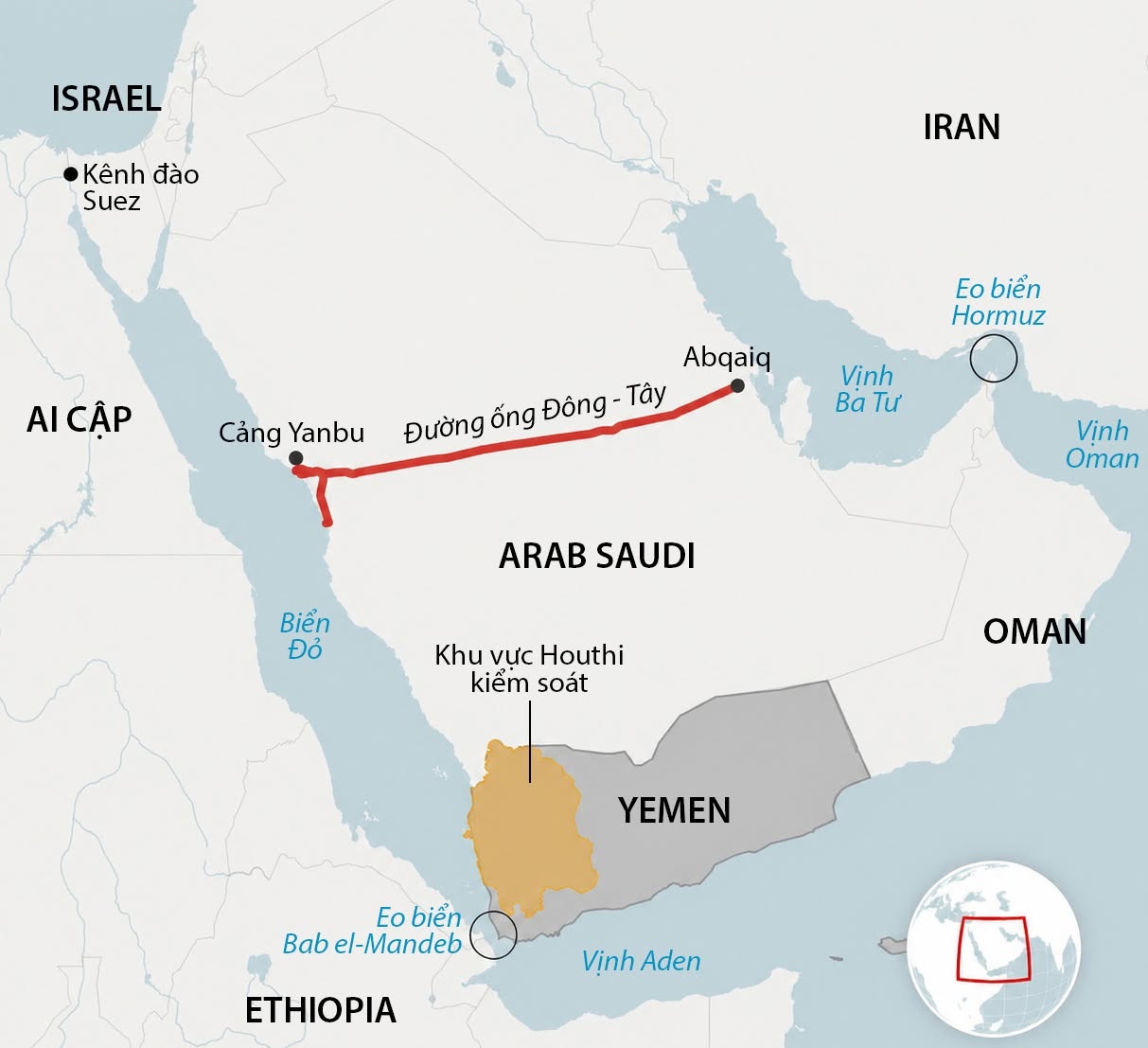 |
Location of the East-West pipeline. *Graphic: Conversation* |
The Houthi is an armed group supported by Iran and part of the "Axis of Resistance". They control the capital Sanaa and a large area in northwestern Yemen, opposing the internationally recognized government. A Saudi-led coalition intervened in the Yemeni civil war in 2015 to counter the Houthi.
While most major fighting ended following a ceasefire in 2022, the agreement collapsed after the Houthi attacked a Saudi airport on 13/7. The armed group further escalated tensions on 20/7, declaring a maritime embargo on Saudi Arabia. This was in retaliation for Riyadh's alleged blockade of Houthi "ports and airports" and airstrikes on Sanaa airport. Just days later, on 23/7, the Houthi announced attacks on two Saudi oil tankers in the Red Sea.
The attacks on oil tankers prompted US President Donald Trump to threaten "heavy military sanctions" against both the Houthi group and Iran if such actions recurred.
Nhu Tam (According to AFP, Reuters)