As a child, Waddy dreamed of becoming a professional athlete. Now, at age 33, he walks daily to detect any equipment burning from overheating, feels pipes for cracks, and searches for broken lighting systems or faulty electrical transformers.
Waddy serves as the chief engineer at a 93,000 square meter data center in Ashburn, suburban Virginia. He refers to himself as "the General", overseeing dozens of other engineers who perform similar routine inspections.
"I don't hear any unusual noises", he remarked while walking on the raised floor above the air circulation chamber that cools the servers. "I don't smell anything strange either. Everything is operating perfectly".
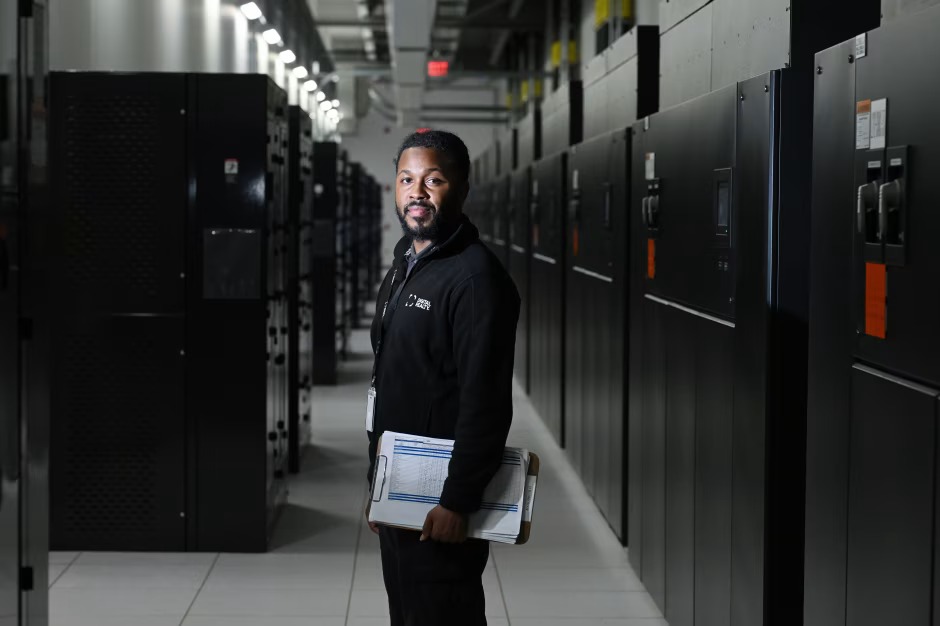 |
James Waddy, chief engineer at the Ashburn data center, inspects equipment during his night shift. Photo: WSJ |
The explosion of artificial intelligence (AI) has raised concerns among Americans, drawing closer scrutiny to data centers. From the outside, these structures appear as unremarkable, gray, square buildings. However, what lies within them, and the activities conducted there, remain largely unknown to many.
The facility where Waddy works is owned by data center company Digital Realty. It is so vast that employees use scooters to navigate its long, winding corridors, which are lined with countless towering metal cages packed with cables. The facility also features bunk beds and bathrooms, allowing technicians to remain on-site during severe weather to ensure uninterrupted server operation.
Booming demand for personnel
AI has triggered a race to build data centers—massive buildings housing thousands of servers that process data. To operate these facilities, the industry urgently needs on-site personnel like Waddy.
Compared to previous technologies, AI consumes significantly more electricity, requiring more complex power supply and cooling systems. Concurrently, the proliferation of data centers has led to a shortage of skilled personnel, intensifying the competition for talent.
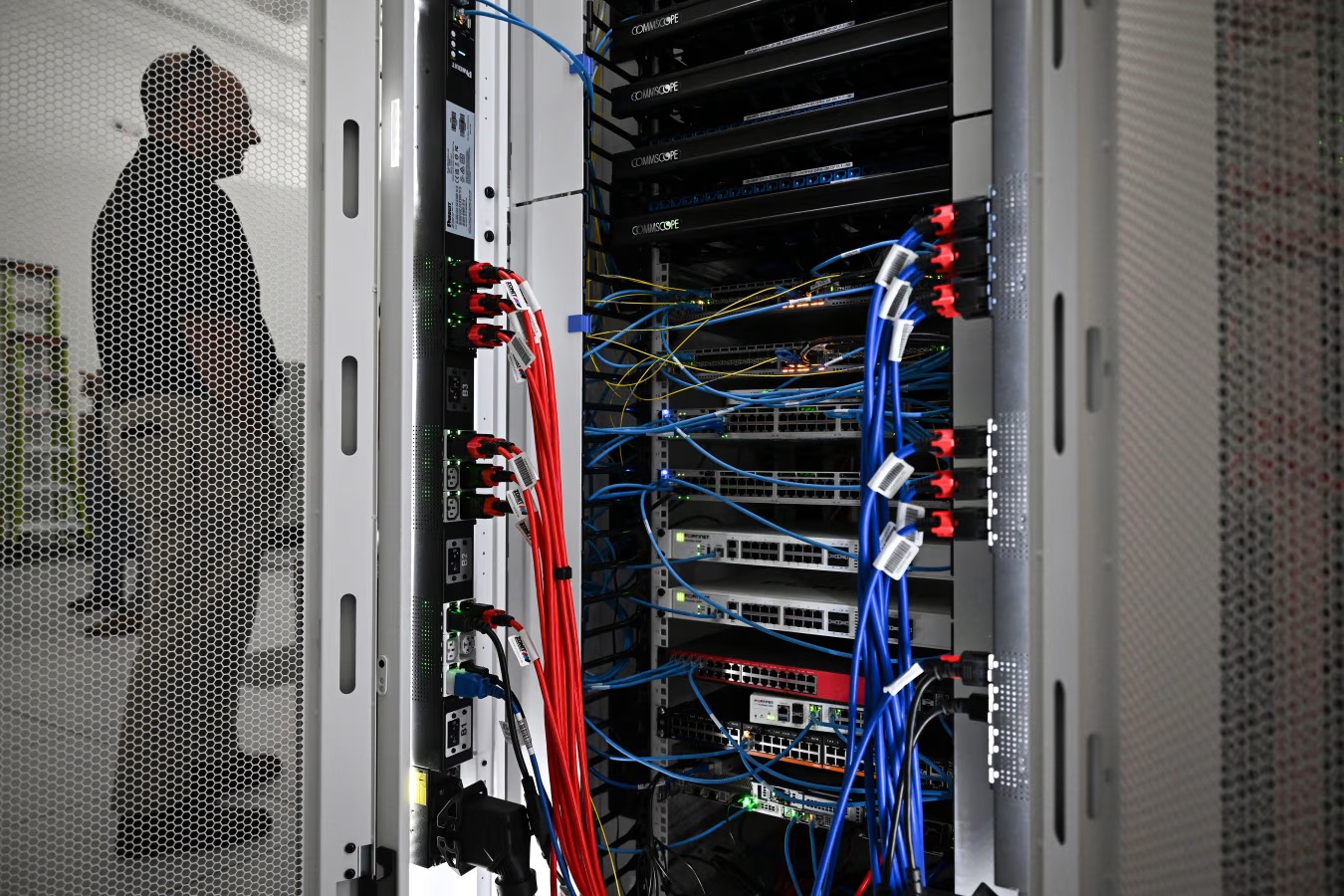 |
At the Ashburn center, the identities of client businesses are kept confidential, with no logos or client names visible on the equipment. Photo: WSJ |
The data center workforce includes cooling technicians, cybersecurity specialists, and operations engineers. Starting salaries for these positions typically range from 60,000 USD to 90,000 USD annually and can increase to six figures for those with experience or highly specialized skills.
Many of these individuals do not hold four-year university degrees. They often come from vocational colleges, are former military personnel, or transition from engineering, telephone, or telecommunications fields.
24/7 operational pressure
"These are mission-critical facilities that operate 24/7. This demands a unique combination of technical training, safety discipline, and practical experience—elements that are in short supply given the industry's rapid growth", stated Cindy Fiedelman, Human Resources Director at Digital Realty.
The company operates over 300 data centers across six continents. At centers like the one in Ashburn, Digital Realty leases space to major technology corporations with high computing power needs. Its clients include Oracle, Meta, and IBM.
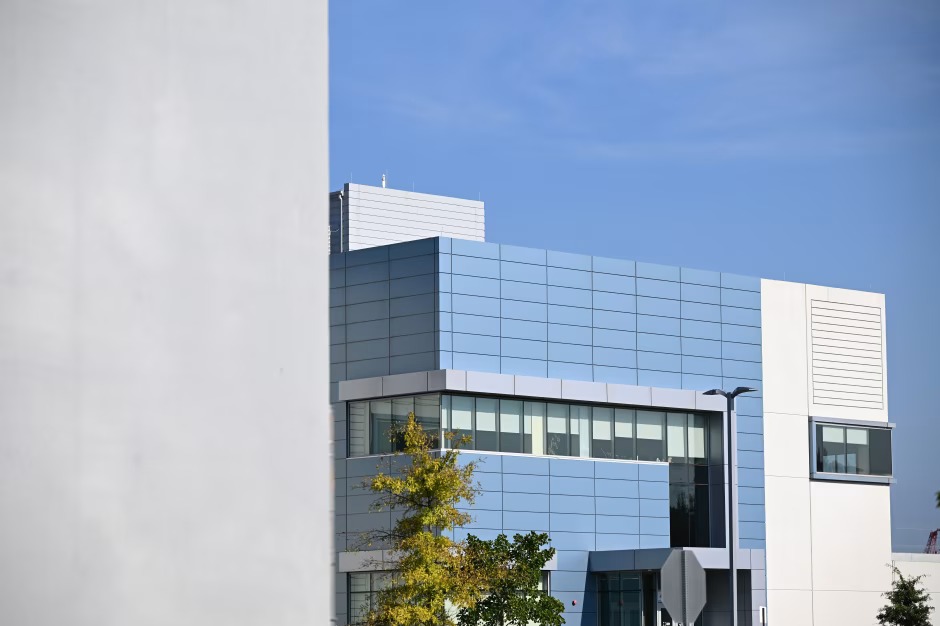 |
Digital Realty's Ashburn facility is located west of Washington, D.C., an area known as "Data Center Alley". Photo: WSJ |
Digital Realty is also encountering growing public opposition to data center construction. In Atlanta, the company is seeking an exemption from a local ban on placing data centers near transportation hubs, in an effort to build a 500 million USD center in the city. Local residents have opposed the project, leaving it in limbo.
A Digital Realty representative stated that the project would create numerous well-paying jobs and that the company is "committed to executing the project correctly" in a spirit of cooperation with the community.
The Ashburn location hosts both office and manual labor workforces. These include security personnel, technicians responsible for client cabling systems, procurement specialists who acquire supplies, and technicians who monitor incidents. These job roles are similar across data centers nationwide.
The most crucial aspect of the job is maintaining continuous operation. Digital Realty estimates its data centers achieve 99.999% uptime, but the company is now targeting 99.9999%. While the numerical difference appears small, it represents the distinction between 6 minutes of operational downtime per year and 30 seconds.
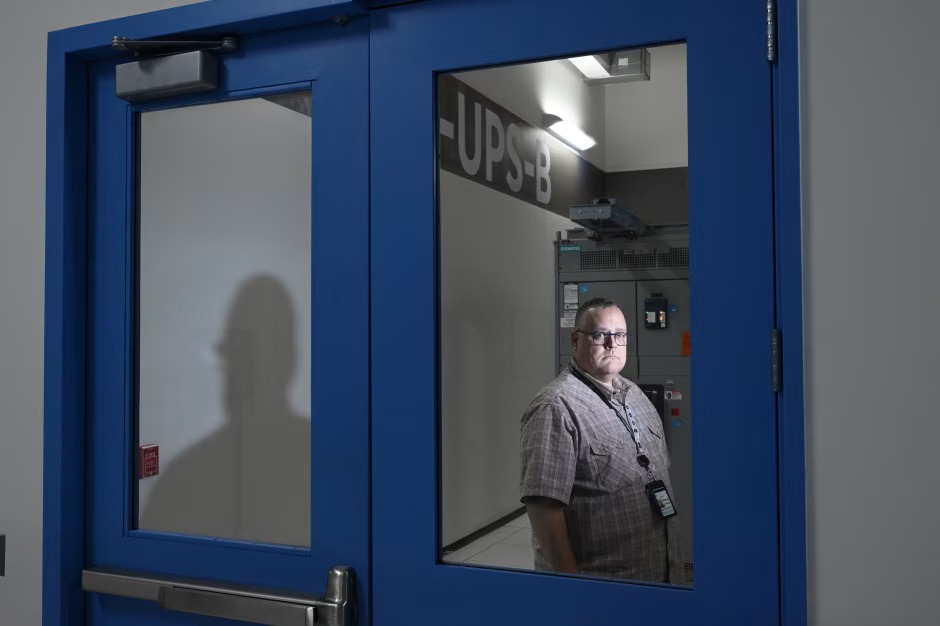 |
Don Atkinson, manager at the Ashburn center. Photo: WSJ |
Waddy's daily patrol involves inspecting the facility's air handling system corridors, where massive air conditioning units continuously pump cold air throughout the data center. Upstairs, the server room resembles a locker room, with servers stacked in racks and metal cages.
No corporate logos or names are displayed here, as the machinery of competing companies operates side-by-side. Employees are encouraged to wear earplugs when entering due to the deafening roar emanating from the server clusters.
On the rooftop, Waddy inspects hundreds of condenser units neatly arranged in long rows to assist in cooling the facility. He meticulously searches for any technical issues or damage caused by birds that frequently peck at the equipment. His work on the roof offers him a distant view of a crane, which is constructing a data center for another competitor.
"It's pleasant up here", Waddy shared. "This is my favorite patrol".