The Houthi-run Humanitarian Operations Coordination Center (HOCC), responsible for coordinating vessel movements through the Bab al-Mandeb strait, stated on 1/8 that its "safe transit service" mechanism is voluntary and involves no fees.
The HOCC emphasized that any party demanding payment from vessels for passage does not represent Yemen or the HOCC. It also advised shipping companies against sharing information or making payments to other organizations.
This statement followed a Reuters report on 29/7, which cited regional sources indicating that the Houthi were considering imposing fees on ships transiting the Bab al-Mandeb strait. This report emerged a week after the group announced a sea blockade against Saudi Arabia.
Sources revealed that Houthi officials discussed this idea with Iranian counterparts during a visit to Tehran in early July. Iranian advisors could potentially assist the Houthi in establishing an agency dedicated to managing fee collection.
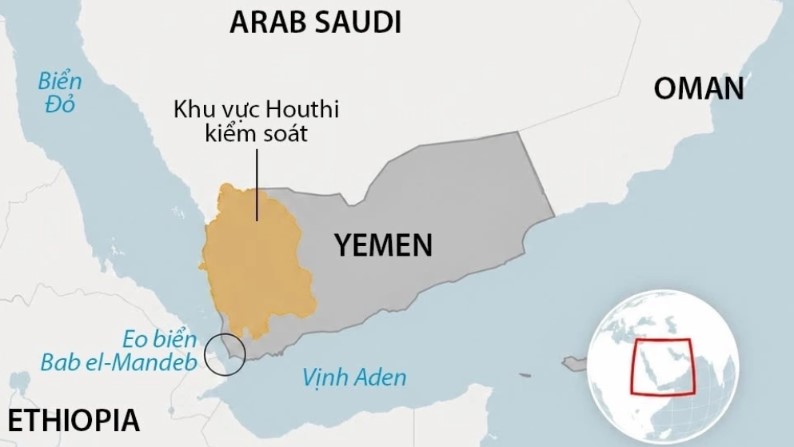 |
The location of the Red Sea and the area controlled by Houthi forces in Yemen. Graphics: Conversation
Afrah al-Zouba, the Foreign Minister of Yemen's internationally recognized government, accused the Houthi on 27/7 of attempting to "replicate Iran's model" to gain complete control over the Red Sea.
The Houthi launched a campaign targeting vessels in the Red Sea starting in 2023, following the outbreak of conflict in Gaza. Attacks were temporarily halted after a ceasefire was reached in 10/2025. The United Nations suggested that the group might have collected informal fees from some shipping companies in 2024.
The Bab al-Mandeb is a strategic shipping lane connecting the Red Sea to the Gulf of Aden, a route frequently used by oil tankers and cargo ships traveling between Asia, Europe, and the Middle East. Vessel traffic through Bab al-Mandeb has not yet returned to pre-2023 levels.
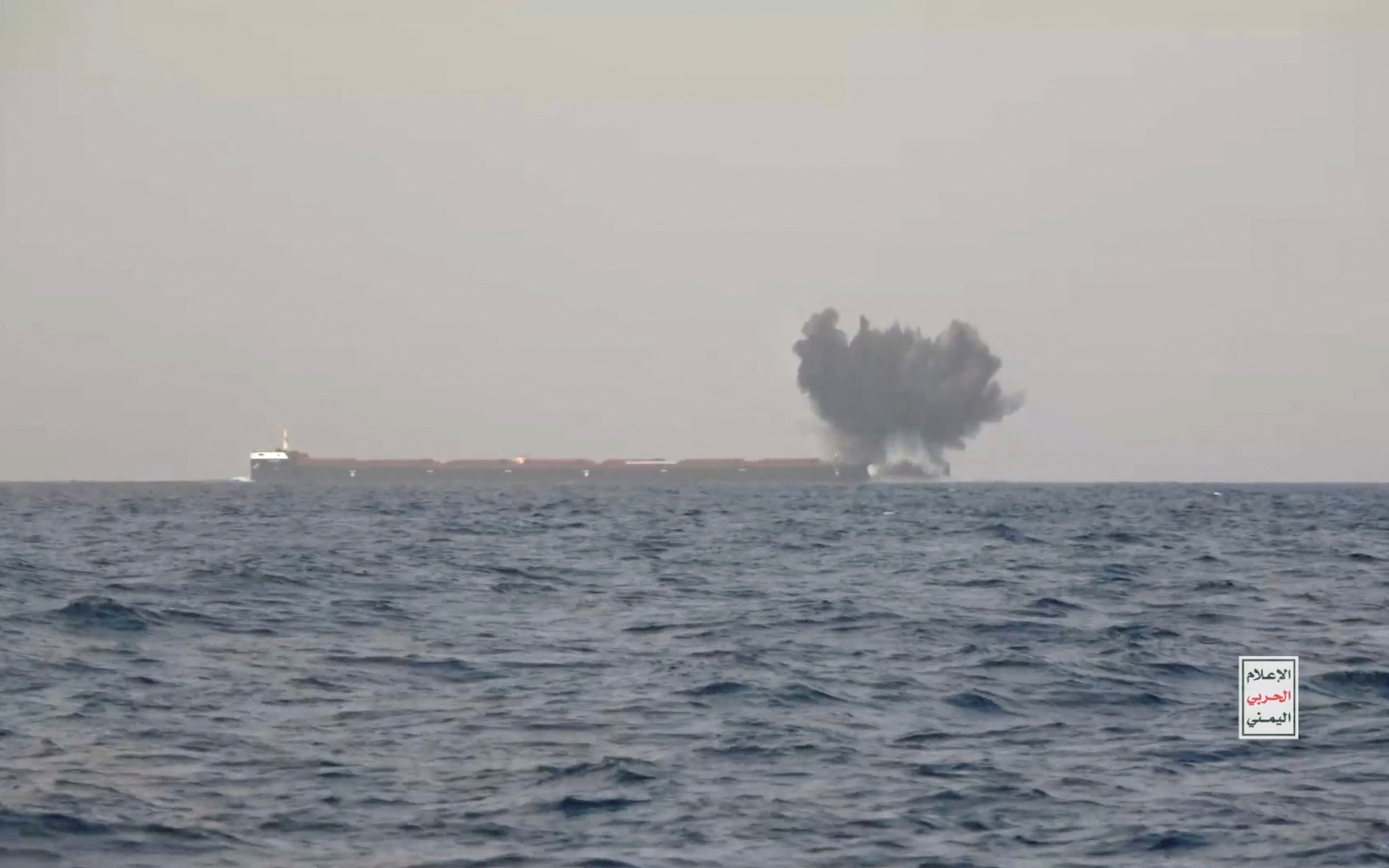 |
Smoke rises from the MV Tutor after a Houthi attack in the Red Sea on 12/6/2024. Photo: Reuters
If fees are imposed on Bab al-Mandeb, Saudi Arabia would face significant repercussions. The country increasingly relies on this maritime route for oil exports, especially amid disruptions to shipping through the Hormuz strait.
On 31/7, Saudi Arabia announced the formation of a coalition to ensure maritime security and freedom of navigation in the Bab al-Mandeb strait, the Red Sea, and the Gulf of Aden.
Riyadh invited representatives from 51 nations and organizations to a meeting about this initiative. Representatives from 43 countries and a European Union delegation attended, with 14 nations confirming their participation and others still considering. The Saudi Ministry of Defense stated the coalition aims to protect international trade routes, energy transport, and shared maritime interests.
Thanh Danh (According to Al Jazeera, AFP)