 |
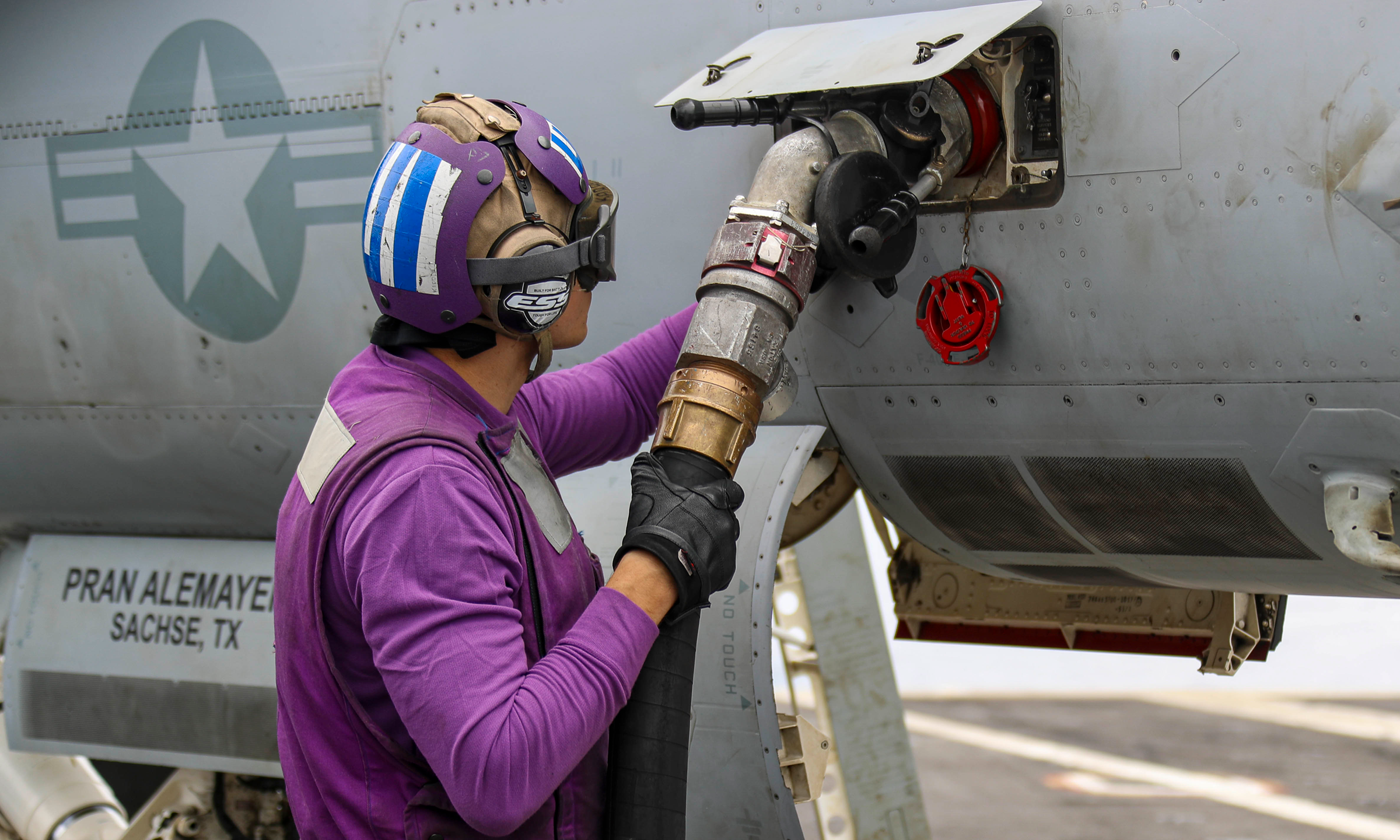
Managing and refueling this enormous quantity of fuel is a highly hazardous logistical operation, requiring close coordination. The task is assigned to technicians wearing purple shirts, who are specially trained for refueling duties. |
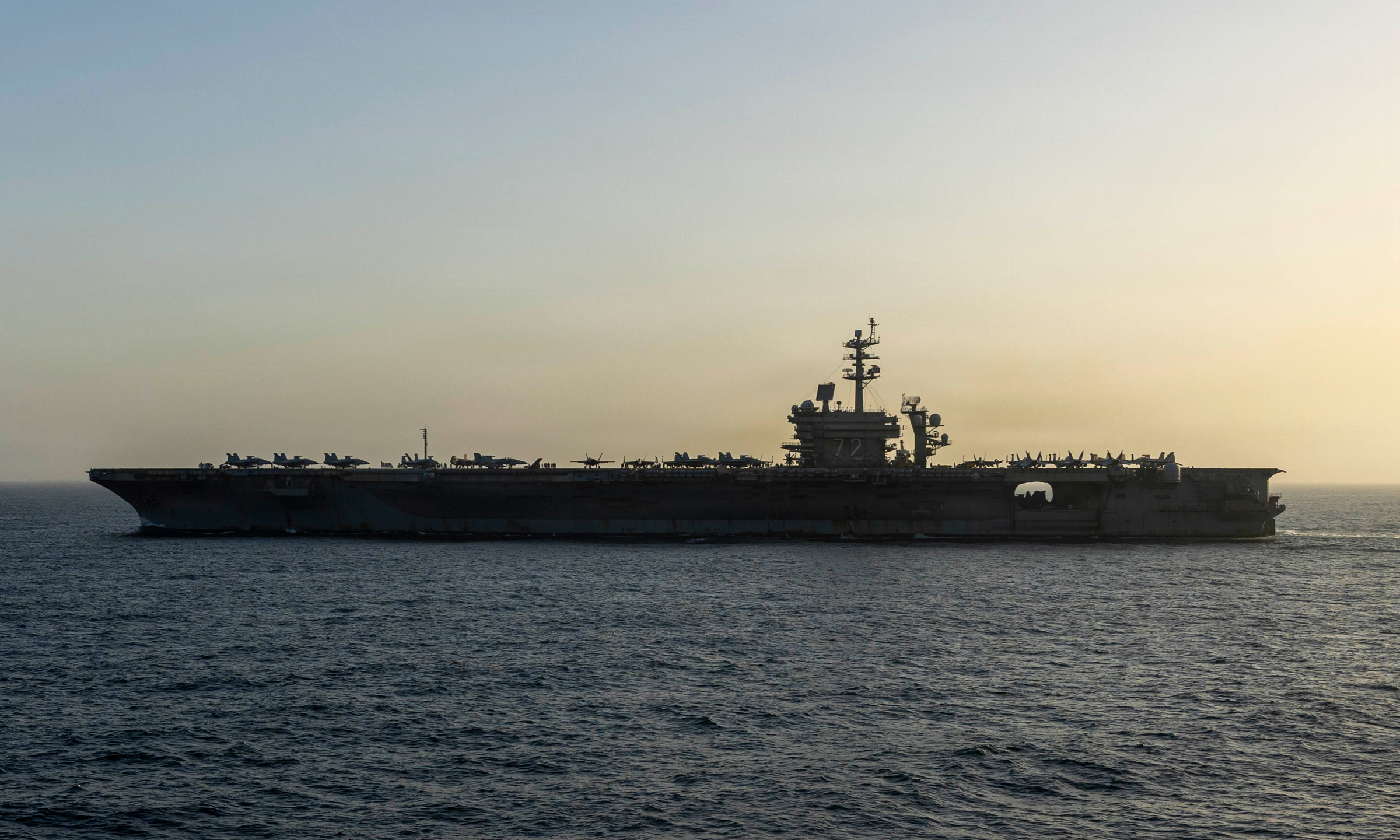
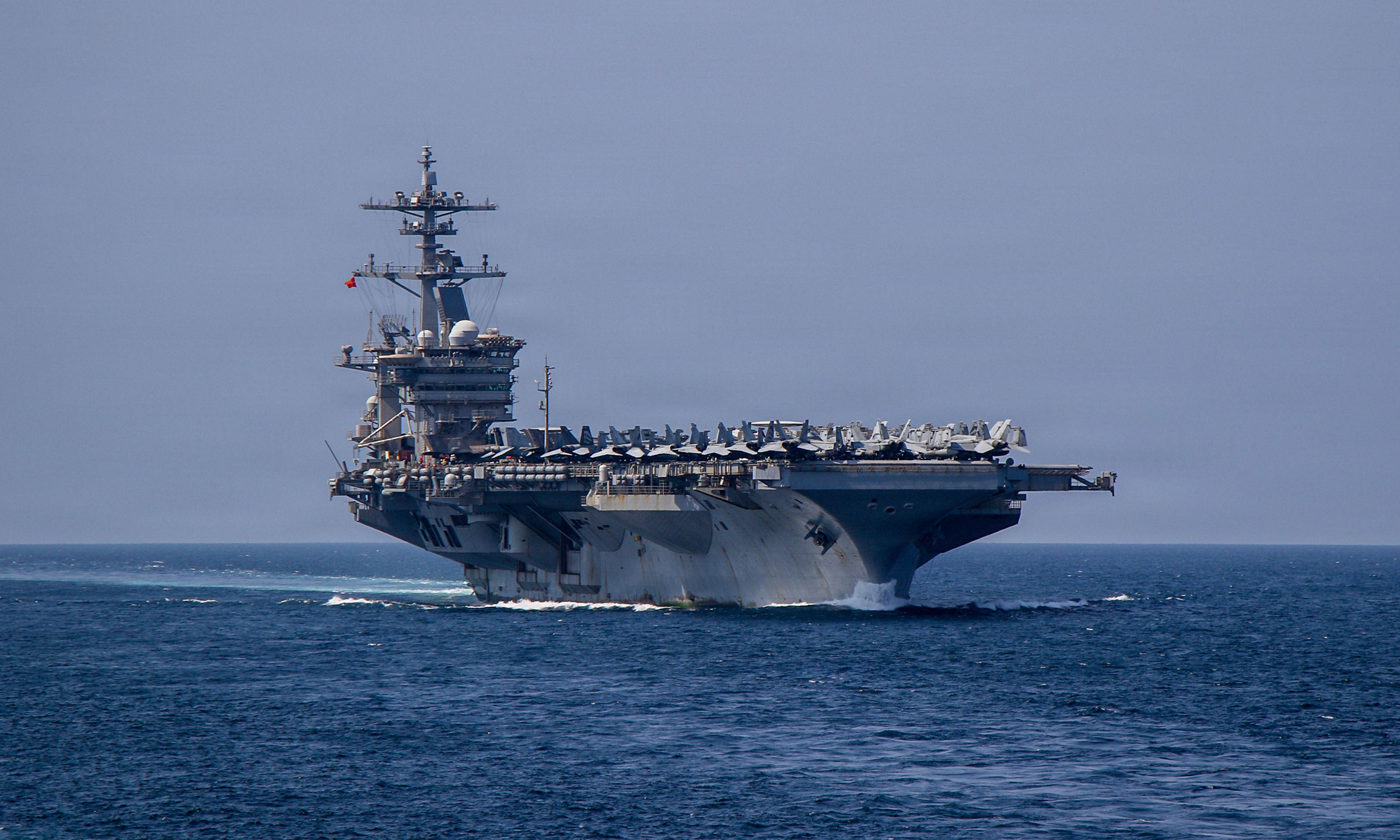
The USS Abraham Lincoln aircraft carrier is participating in a mission to blockade Iranian seaports, U.S. Central Command (CENTCOM) confirmed on 21/4. CENTCOM is the agency responsible for U.S. military operations in the Middle East. The Lincoln warship was observed operating in the Arabian Sea during the blockade on 16/4.
 |
Ensuring the USS Lincoln aircraft carrier is always fully stocked with aviation fuel incurs substantial costs. With an average price of about 0,92 USD for one liter of JP-5, filling the ship's storage tanks costs over 10 million USD, not including other expenses. |
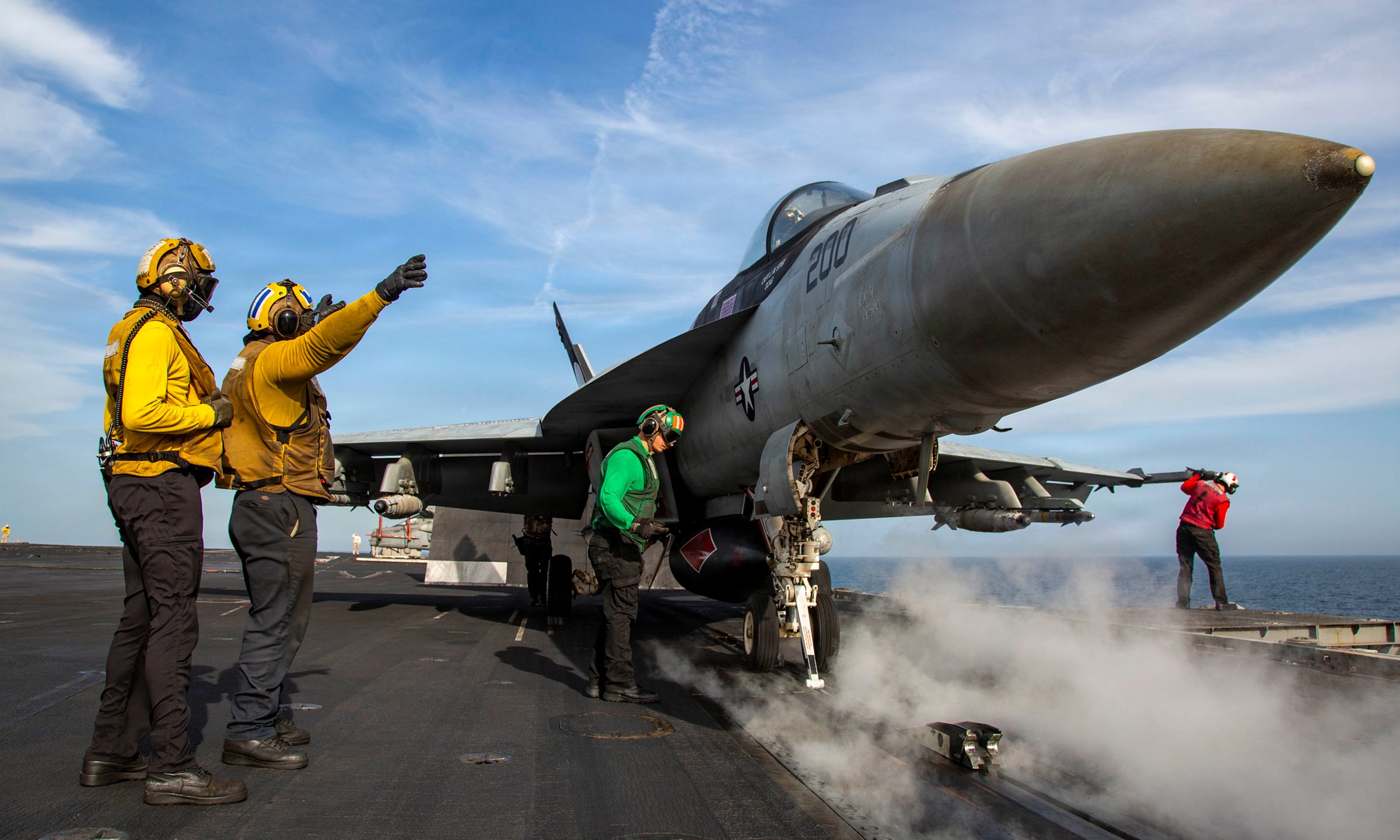
The USS Abraham Lincoln supports an extensive air wing, capable of carrying over 65 aircraft of various types. On 15/4, an F/A-18E Super Hornet fighter jet prepared for takeoff from the carrier. The U.S. military stated that the air wing assigned to the warship is equipped with 8 F-35C stealth fighter jets, alongside F/A-18E/F fighter aircraft, EA-18G electronic warfare aircraft, E-2D early warning aircraft, MH-60 helicopters, and CMV-22B tiltrotor aircraft for logistical missions.
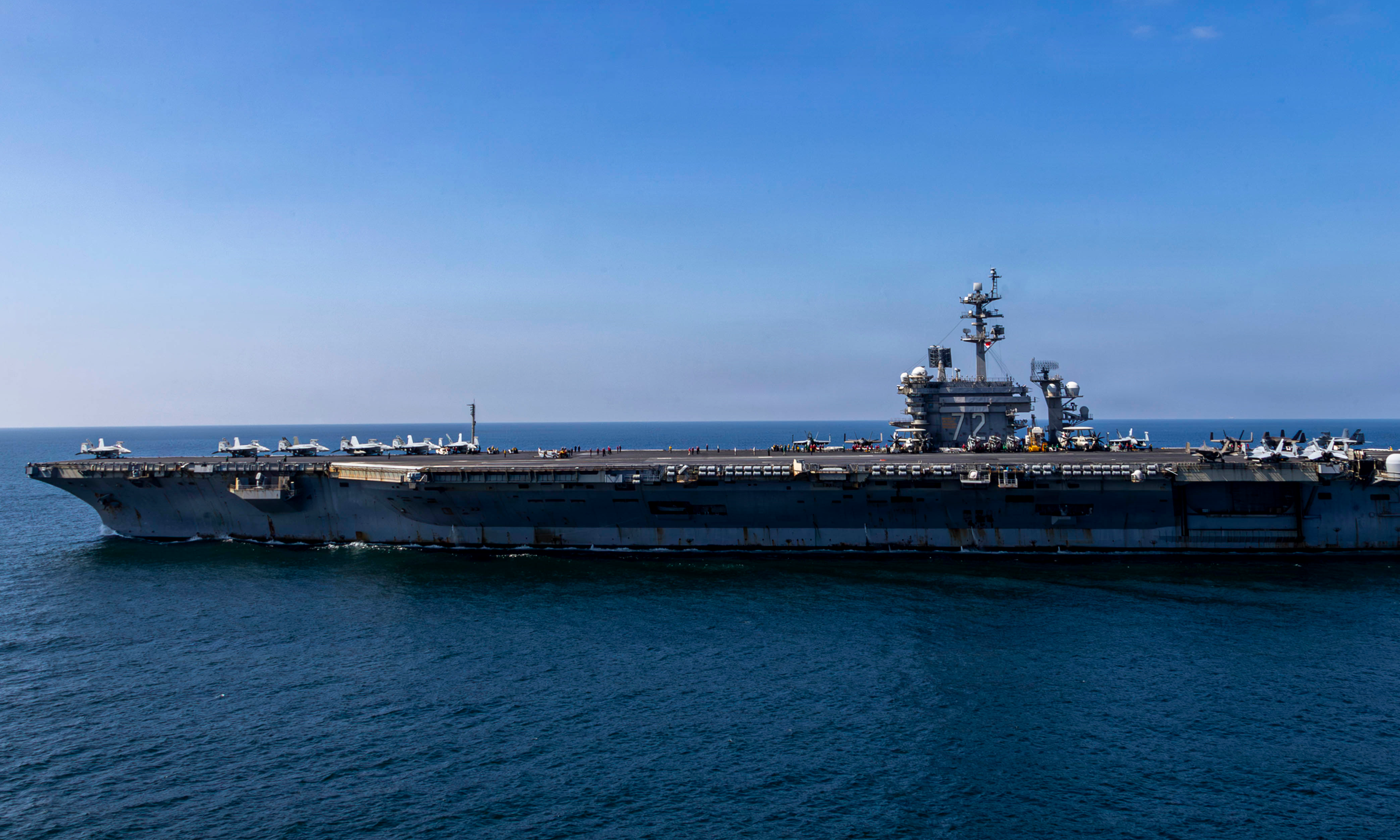 |
While the USS Abraham Lincoln is nuclear-powered and requires no refueling for 20-25 years, its aircraft still rely on conventional fuel for operation. To sustain prolonged combat operations at sea, the carrier can carry over 11 million liters of JP-5 aviation fuel.
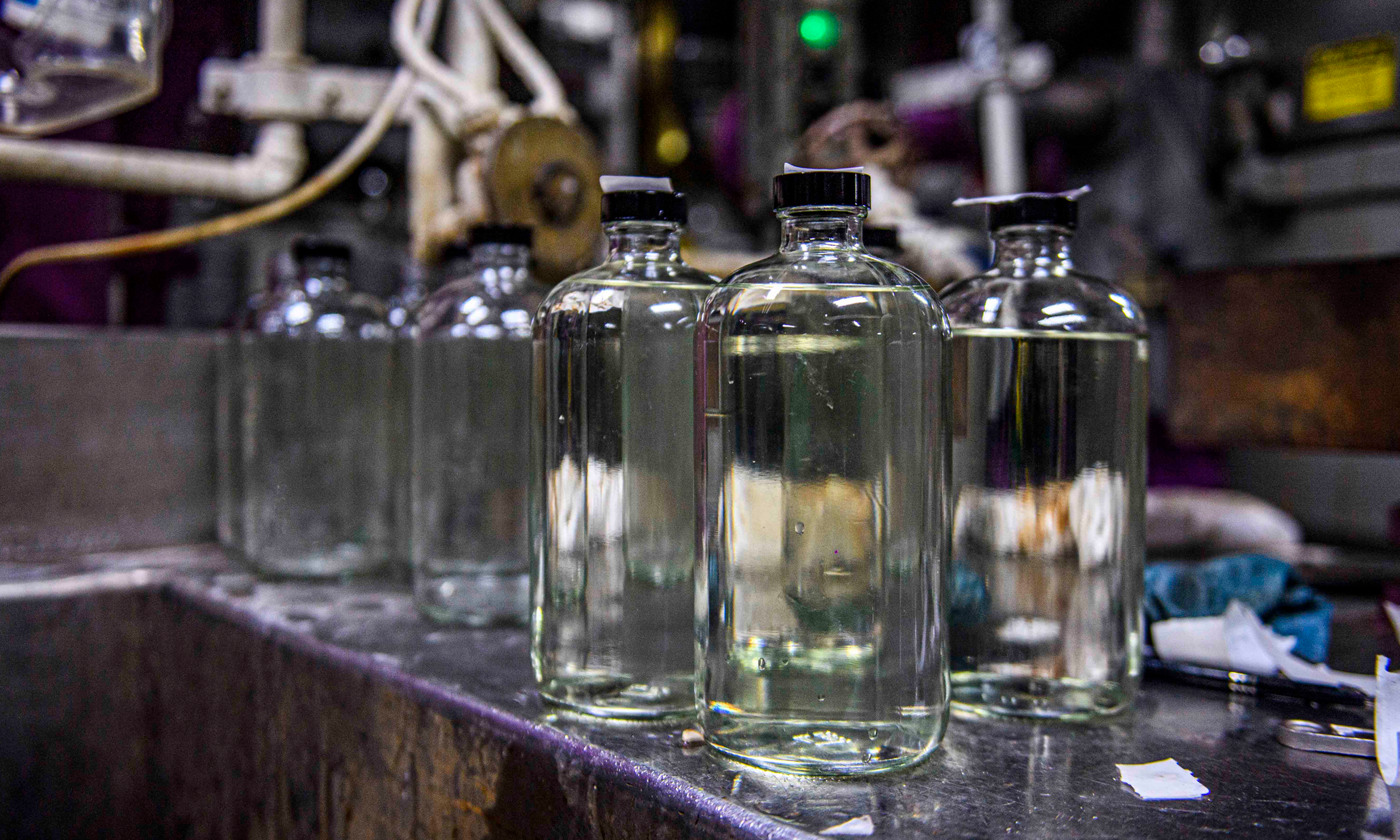 |
JP-5 is a specialized kerosene-based jet turbine fuel developed for the U.S. Navy, designed for harsh maritime operating conditions. It boasts a flash point of approximately 60 degrees Celsius, significantly higher than conventional gasoline's 43 degrees Celsius. The flash point represents the lowest temperature at which fuel vapor forms an ignitable mixture with air and ignites when exposed to a flame. A higher flash point makes the fuel less susceptible to ignition and explosion, ensuring safety during storage and transport—factors crucial for warships engaged in extended sea operations.
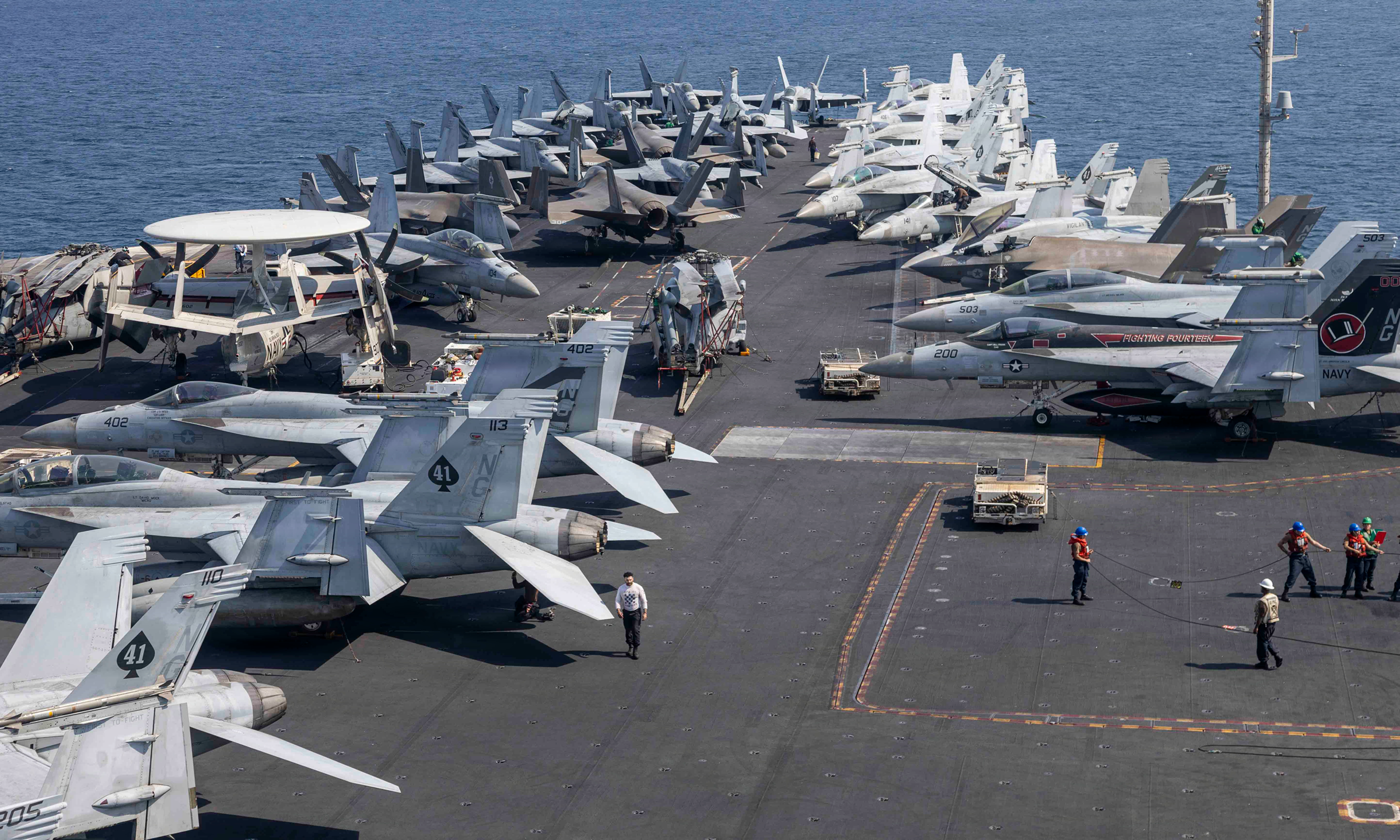 |
Distributing aviation fuel across the 333-meter-long warship necessitates massive infrastructure. The USS Abraham Lincoln features a network of high-capacity pumps, filters, and extensive piping to transfer JP-5 fuel from deep within the hull's storage tanks to the flight deck, where it is loaded into aircraft during mission preparations.
 |
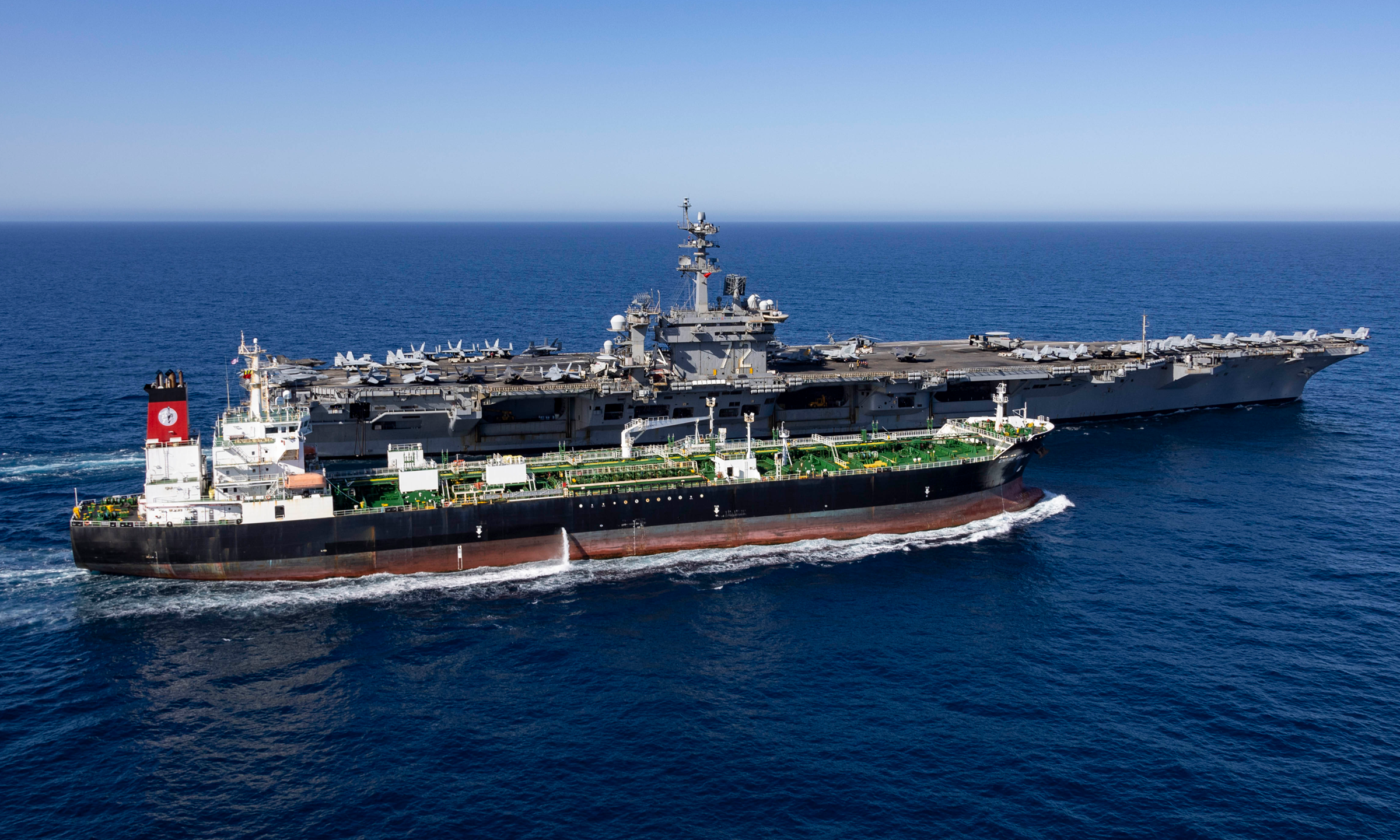 |
Despite carrying over 11 million liters of JP-5, the USS Lincoln can quickly deplete its aviation fuel during high-intensity aircraft operations. To avoid returning to port, the USS Abraham Lincoln is refueled at sea by oil tankers.
 |
Pham Giang (Photo: US Navy)