For many weeks, Ukraine faced a difficult situation. The prospect of ending the conflict with Russia seemed increasingly distant, as peace talks made no progress. This meant Kiev needed to prepare for a prolonged fight, while crucial financial support from the European Union (EU) remained frozen since last December due to opposition from Hungarian Prime Minister Victor Orban, who holds pro-Russia views.
On 23/4, a breakthrough finally arrived. EU leaders agreed to "unlock" the 106 billion USD loan for Ukraine after Hungary dropped its veto.
This pivotal move came two days after Ukrainian President Volodymyr Zelensky announced that the Druzhba pipeline, which transports crude oil from Russia to Hungary and Slovakia, had been repaired and could resume operations.
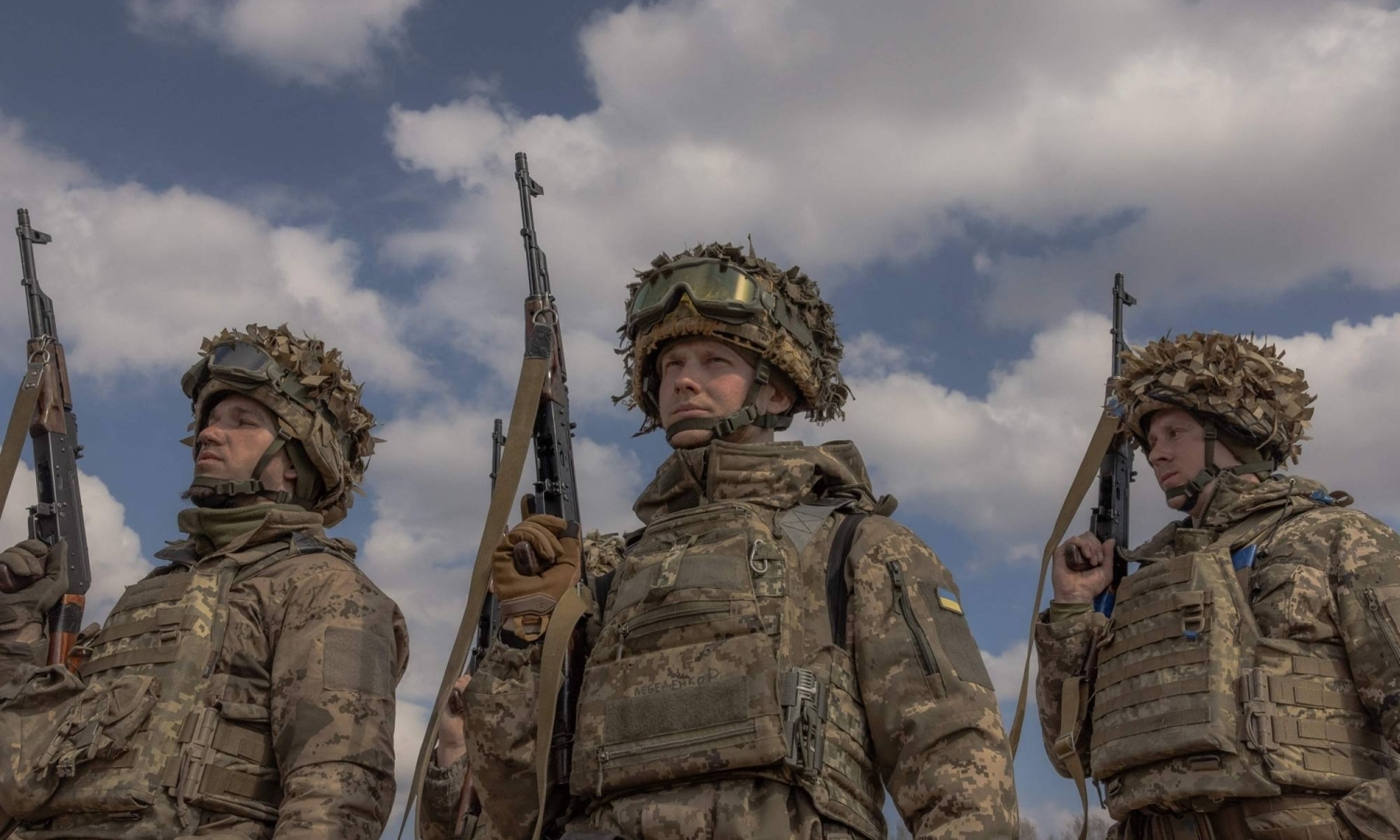 |
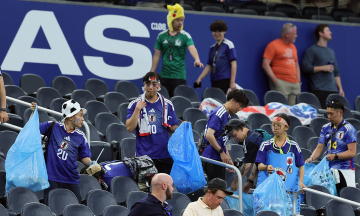
_Ukrainian recruits completing basic military training at a secret location in march. _AFP
The funds are expected to meet most of Ukraine's financial needs over the next two years. When these funds are depleted, an additional 117 billion USD from the EU's long-term budget is projected to be allocated to Ukraine.
Hlib Vyshlinsky, head of the Center for Economic Strategy in Kiev, stated that these commitments will provide Ukraine with a stronger financial foundation at least until the end of 2029. He added that pressure now shifts to Russia, which is also facing growing economic challenges as the costly war in Ukraine continues.
Alongside the 106 billion USD loan, the EU also approved its 20th package of economic sanctions targeting Russia on the same day.
"The stalemate has ended", Kaja Kallas, EU high representative for foreign policy, wrote on social media. "Russia's wartime economy is under increasing pressure, while Ukraine has just received a powerful boost."
The EU's financial commitment to Ukraine largely compensates for the gap left by the Donald Trump administration. Last year, European nations provided almost all military, financial, and humanitarian aid to Ukraine, while US aid decreased by 99%, according to the Kiel Institute for the World Economy, a research center based in Germany.
Hope for Ukraine
Unlike previous EU aid packages, this latest one focuses heavily on defense spending. Approximately 70 billion USD of the loan will be dedicated to military purposes, providing Kiev with a substantial budget to acquire expensive air defense systems and expand the production of drones, weapons that have proven effective in countering Russian attacks.
The loan also enables Ukraine to plan military operations better in the long term. Previously, this was rarely possible, as earlier aid was often piecemeal, primarily equipment donations rather than direct funds for purchasing or producing the weapons Ukraine needed most.
"Ukraine achieving this level of financial certainty after over four years of conflict is very important", President Zelensky wrote in a social media post on 23/4.
The loan's focus on military finance reflects what many European and Ukrainian officials have emphasized in recent months: Kiev must prepare for a prolonged conflict by strengthening its defense capabilities.
Ukraine and Russia have yet to agree on ceasefire terms, and negotiations appear stalled as the Trump administration, which mediated earlier talks, is focused on the conflict with Iran in the Middle East. Russian Foreign Minister Sergei Lavrov declared that resuming negotiations with Ukraine is not a top priority for Moskva at this time.
President Zelensky has reorganized his cabinet to prepare for the possibility that the conflict will not end soon. He appointed Mykhailo Fedorov, a technology enthusiast who views drones as a key weapon to repel Russian forces, as the new defense minister.
Neither Russia nor Ukraine has a clear path to victory, but Fedorov stated his mission is to make Russia see that continuing to fight is futile, thereby forcing them to the negotiating table.
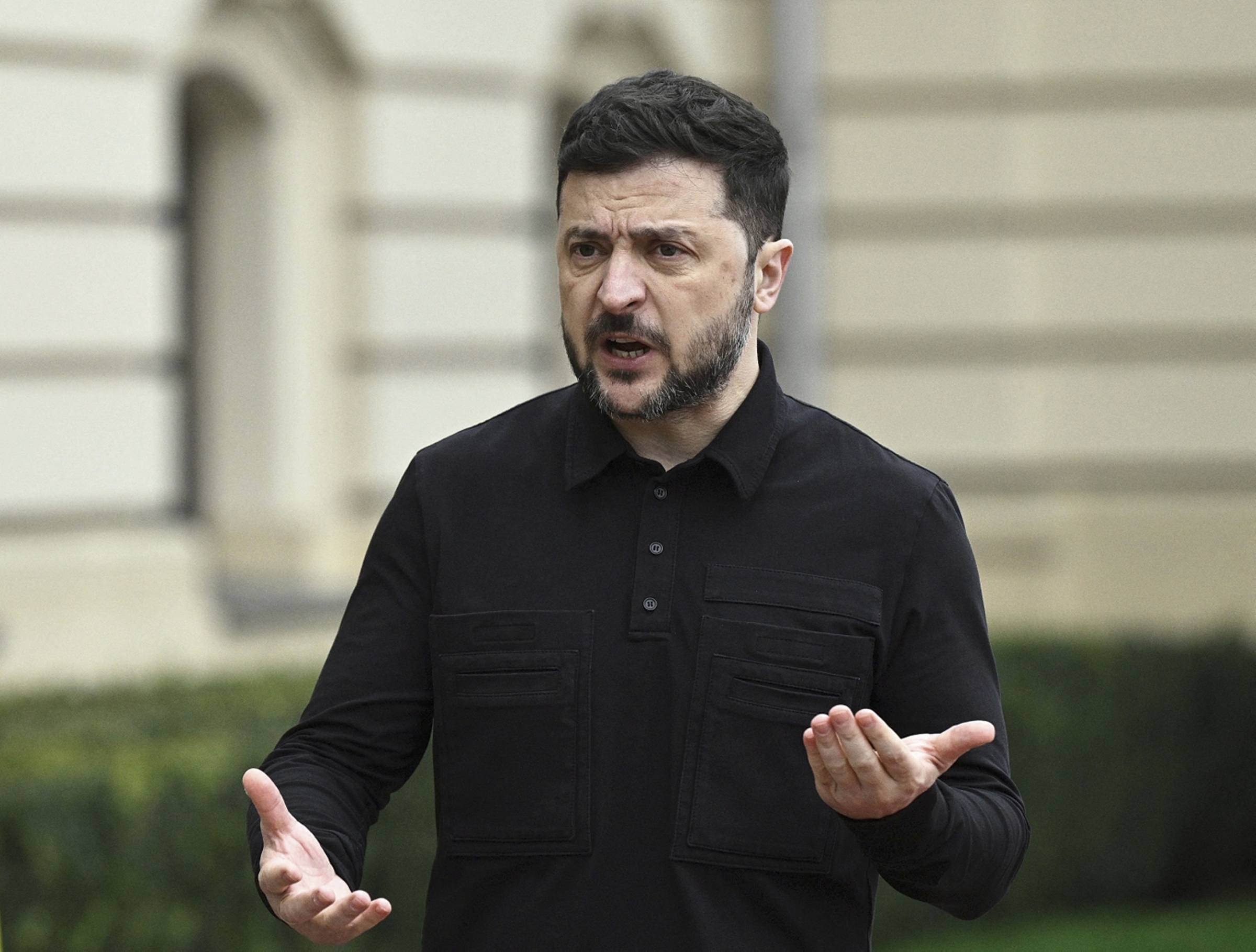 |
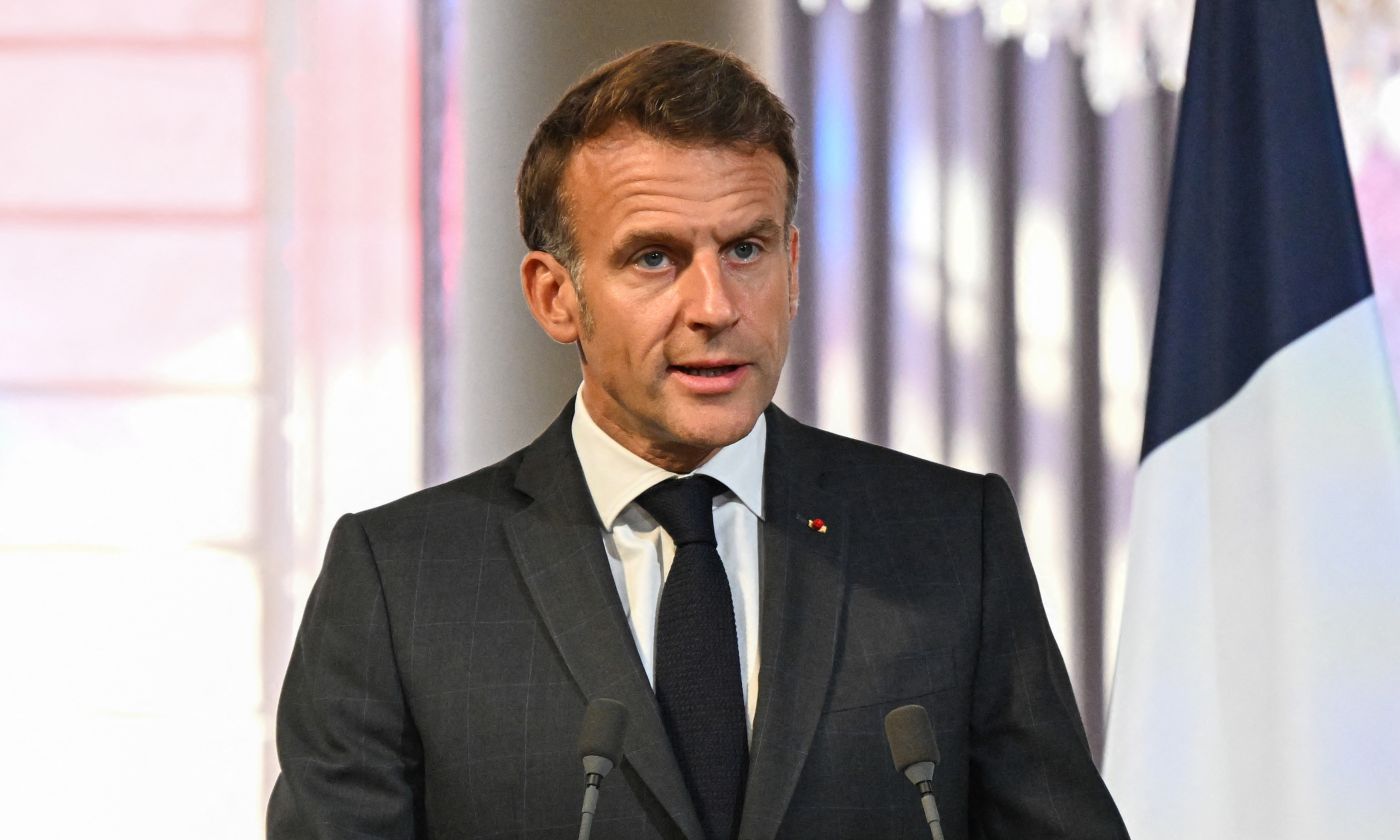
_President Zelensky in Kiev last December. _AFP
"The president has given the Ministry of Defense a clear task, in parallel with diplomatic efforts, to strengthen our defense capabilities so that we can force the enemy to accept peace", Fedorov stated in february, outlining his action plan.
This plan aims to enhance air defense capabilities to protect Ukrainian skies, inflict maximum losses on Russian forces on the battlefield, and use long-range weapons to target the oil industry, Moskva's primary revenue source.
The interest-free loan from the EU, which Ukraine only has to repay if Russia provides compensation after the conflict, will help lay the financial foundation for Minister Fedorov's strategy.
The loan will be disbursed evenly over the next two years, with 33 billion USD allocated for military needs and 20 billion USD for civilian expenditures in the first year, according to Valdis Dombrovskis, EU economic commissioner. He added that Ukraine could receive the first disbursement in late may or early june to fund drone production.
According to President Zelensky, Ukraine produces nearly 1,000 interceptor drones daily to counter Russian aerial weapons. He stated that with the new funding, Ukraine can double its output to better protect its skies. "We urgently need this money", he told CNN. "This is truly a matter of our survival."
The long war
The latest loan also shifts from a military aid model based on equipment donations to one where European countries fund Ukraine to produce its own weapons.
As the conflict continues, the Ukrainian government has complained that Western-donated weapons, including guided artillery shells vulnerable to Russian electronic warfare methods, are no longer effective on a battlefield constantly changing with modern technologies.
Instead, Ukraine urged allies to fund its domestic defense industry, which has produced advanced weapons like machine gun-equipped ground robots. This type of technology is more suited to the new form of warfare occurring in Ukraine.
"This is important because many of the most practical tools, such as interceptor missiles, long-range offensive weapons, various drones, and electronic warfare systems, are currently only available in Ukraine or offer a significant cost advantage if purchased from domestic manufacturers and foreign companies operating in Ukraine", Nataliia Shapoval, head of the Kiev School of Economics research institute, assessed.
Despite this, Ukraine still relies on powerful weapons produced in other Western countries, such as US-made Patriot missiles. This is the only air defense system in Ukraine's arsenal capable of shooting down cruise missiles, but the country faces a severe shortage of missile ammunition.
President Zelensky stated that the EU loan would be spent on domestic weapon production and "purchasing necessary weapons that Ukraine cannot yet produce itself from partners". Additionally, Ukraine will prioritize repairing and strengthening its energy sector before the next winter. Last winter, Ukraine suffered heavy losses as Russia repeatedly targeted energy infrastructure.
Overall, the EU stated that the new loan will meet about two-thirds of Ukraine's foreign capital needs for both military and non-military spending over the next two years, estimated at approximately 135,7 billion USD. The remaining one-third is expected to be covered by other organizations such as the International Monetary Fund (IMF).
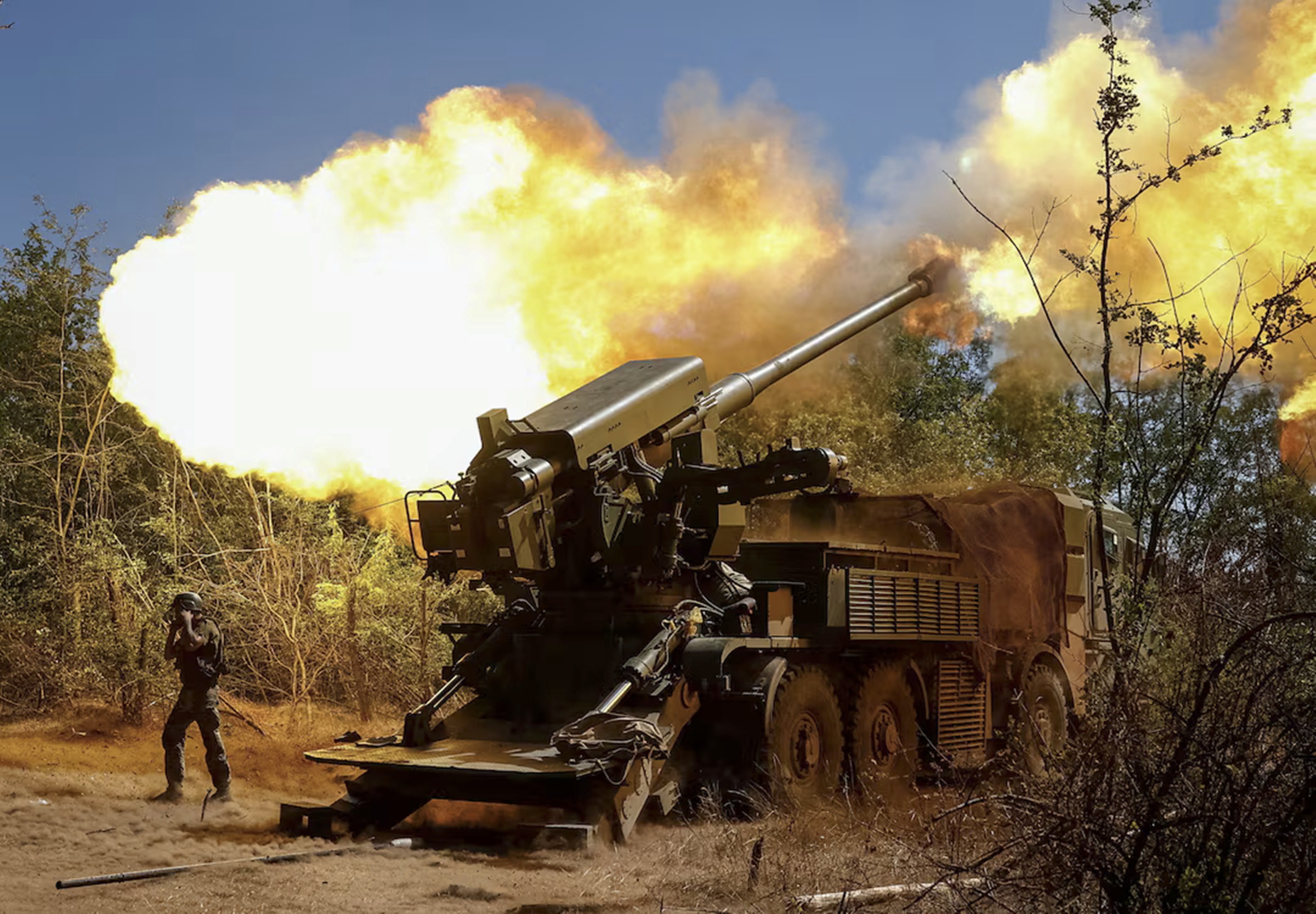 |
_Ukrainian soldiers firing towards Russian forces in Zaporizhzhia in August 2025. _Reuters
According to some Ukrainian and European officials, this loan will secure Ukraine's spending needs in the coming years. However, the reality may be more complex.
Ukraine plans to spend 66 billion USD on military needs this year. However, earlier this year, the Ministry of Defense of Ukraine stated it required up to 120 billion USD to successfully implement its strategy to halt Russia's offensive.
To bridge this gap, Kiev stated it is looking to additional aid. Fedorov has visited several Western countries to present his plan and seek further funding. Germany has agreed to a new military aid package worth over 4,5 billion USD, while Belgium and Spain have each pledged 1,2 billion USD.
Vu Hoang (According to AFP, Reuters, AP)