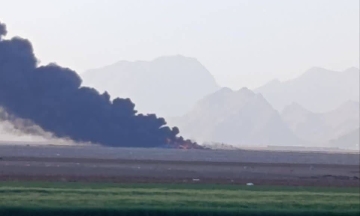
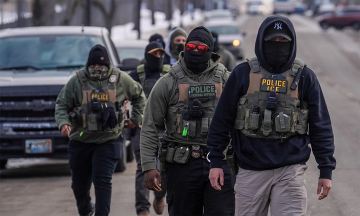
When news that Iran had shot down an F-15E fighter jet, forcing its two pilots to eject into enemy territory, reached the Central Intelligence Agency (CIA) headquarters in Langley, top US intelligence officers immediately became involved. The New York Times reported this on 5/4, citing informed US government sources who requested anonymity due to the sensitive nature of the operation and intelligence work.
The first pilot from the F-15E was rescued relatively quickly on 3/4. However, the US military could not determine the location of the remaining crew member, a colonel serving as a weapon systems officer on the fighter jet. The two pilots ejected almost simultaneously but were separated by wind direction and terrain factors upon landing. This prompted a large-scale search operation, involving hundreds of soldiers, dozens of aircraft from various service branches, and elite special forces, all racing against time to rescue the pilot before Iranian forces could reach him.
As the premier US intelligence agency, the CIA regularly assists in rescue operations for US pilots stranded behind enemy lines. According to sources, this time, the CIA devised a plan to divert Iranian forces, buying more time to locate the missing pilot. The agency deliberately leaked information to several Middle Eastern media outlets, claiming that the US had found the second pilot and was escorting him out of Iranian territory by land, even though the US military did not yet know the missing pilot's location. The objective of this deception plan was to make Iran redirect its search forces from the suspected area where the pilot was hiding to routes leading out of the region. According to an unnamed senior US government official, this smoke screen tactic appeared to have somewhat confused the Iranian forces in pursuit.
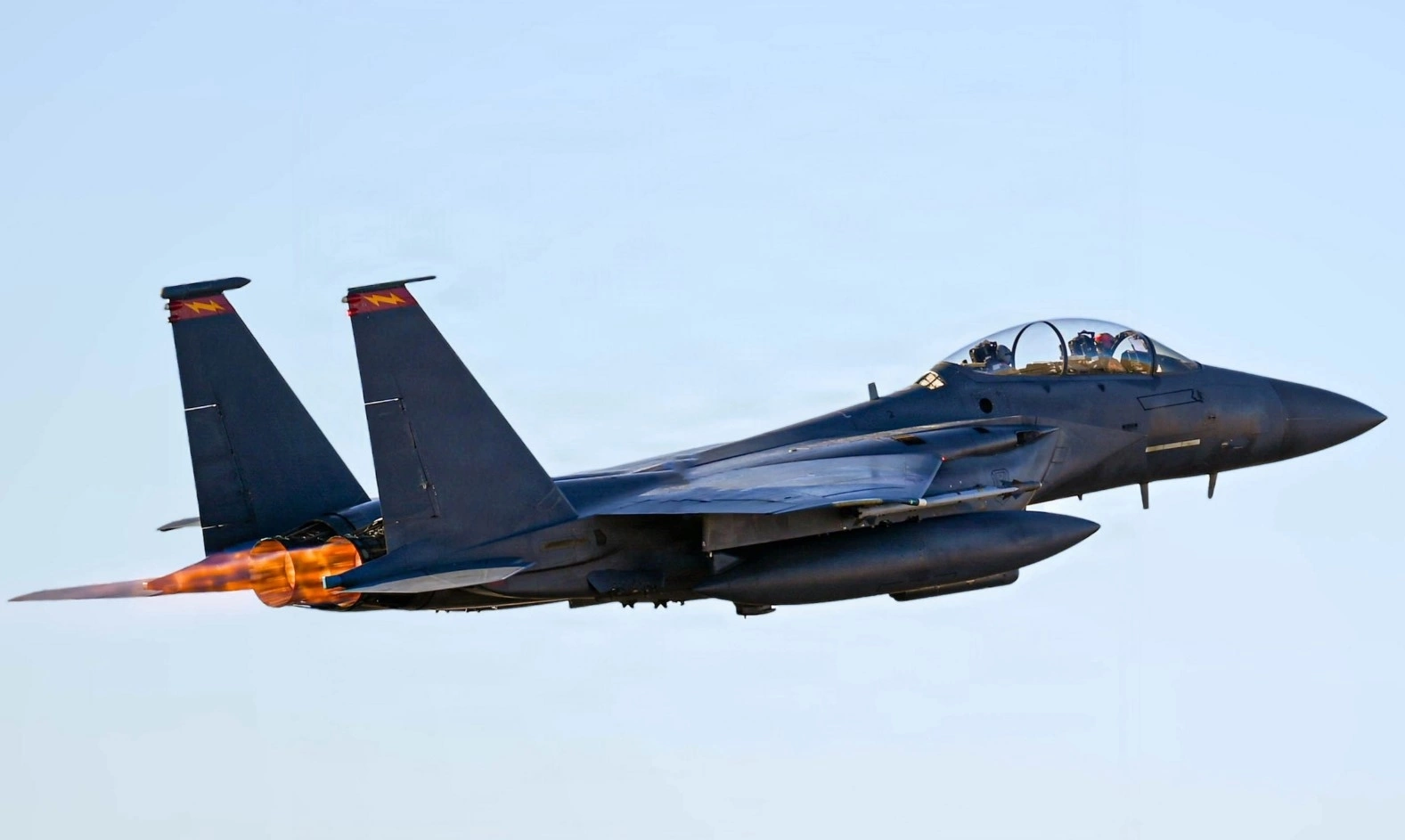 |
A US F-15E fighter jet taking off for Operation Frightful Fury on 16/3. Photo: *USAF* |
The missing pilot evaded Iranian forces for over 24 hours, then navigated a mountain over 2,100 meters high and hid in a ravine south of Isfahan, a city in central Iran. US pilots are equipped with locator beacons and secure communication devices for coordination with rescue forces. However, they are also trained not to continuously emit locator signals, to prevent the enemy from tracking them. A White House official declined to detail the technology that helped the CIA locate the pilot but stated it was a "special device" used exclusively by the agency. This was considered the reason the US military had to rely on the CIA to pinpoint the pilot's location.
The CIA then relayed the pilot's location information to the White House and the Pentagon, leading to the decision to launch one of the most daring and costly operations in US military history to rescue the pilot on Iranian soil. During the operation, the US military heavily bombed the area to prevent Iranian forces from accessing the mountain range. There was no direct combat between the two sides, but US soldiers reportedly fired shots to deter the enemy from approaching the rescue point.
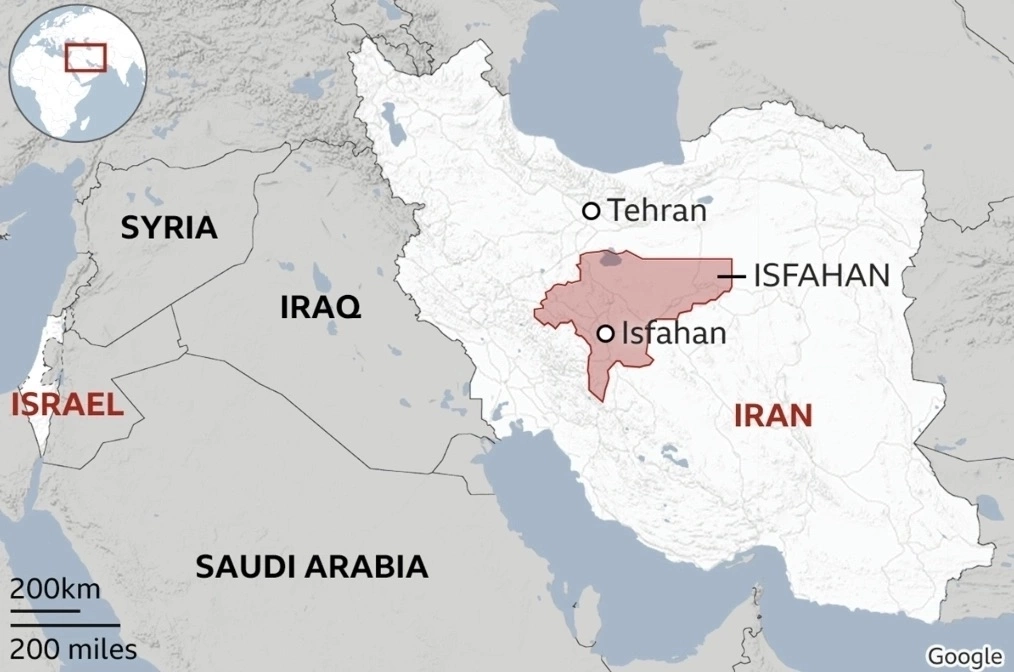 |
Location of Isfahan, Iran. Graphic: *BBC* |
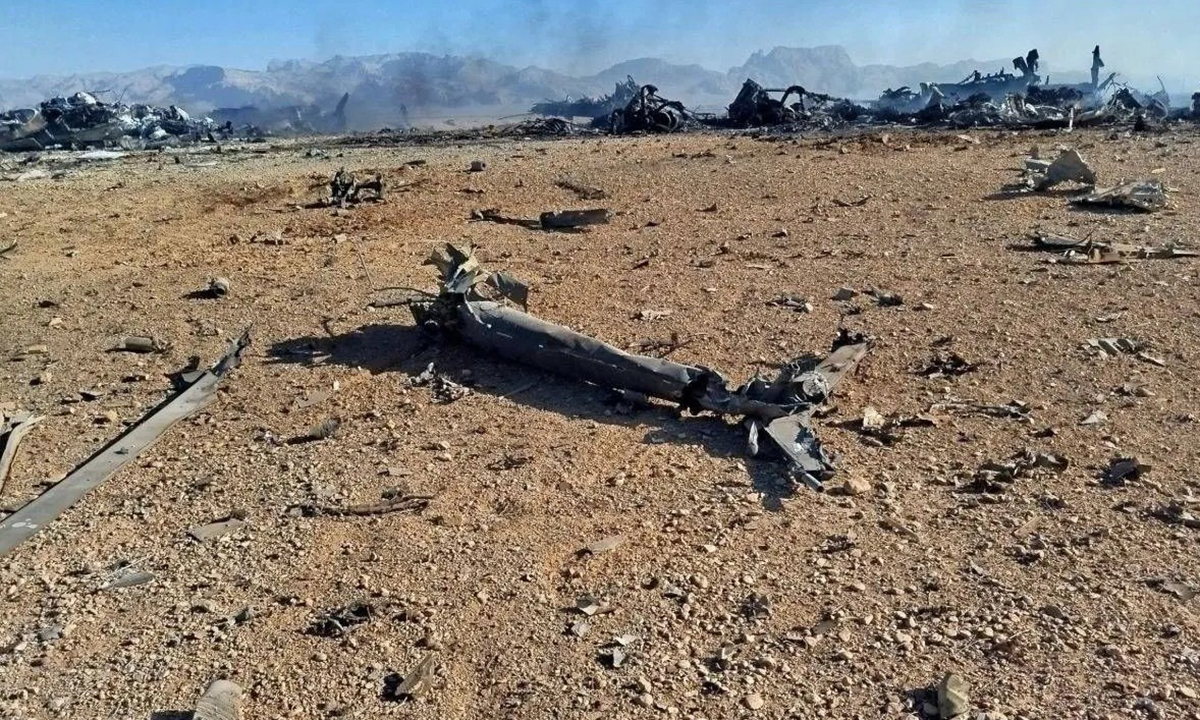
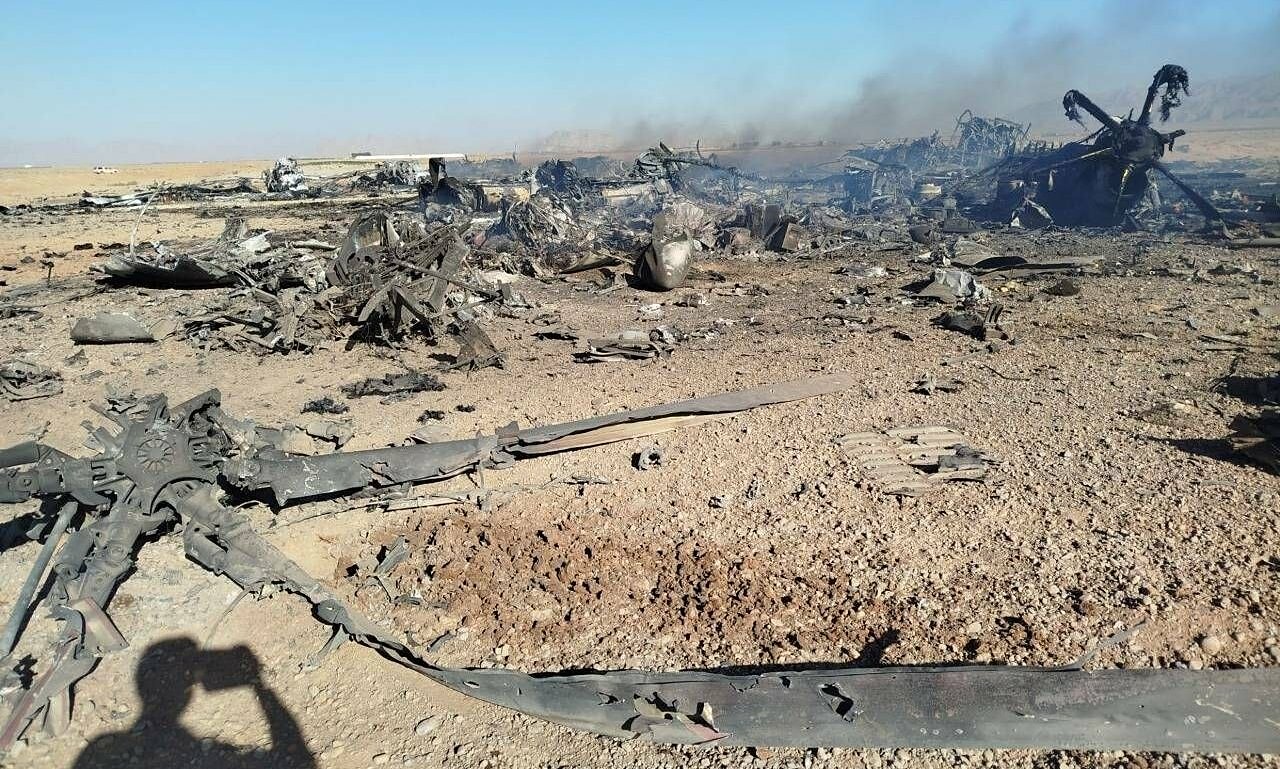
The US military also sustained equipment losses during the rescue attempt. In addition to two MC-130J transport aircraft and AH/MH-6 helicopters being destroyed, an A-10 attack aircraft was shot down by Iranian air defenses while supporting the search forces. Two HH-60W Jolly Green II combat rescue helicopters also took Iranian fire, injuring at least one service member, but still landed safely in allied territory. The extent of their damage is unclear.
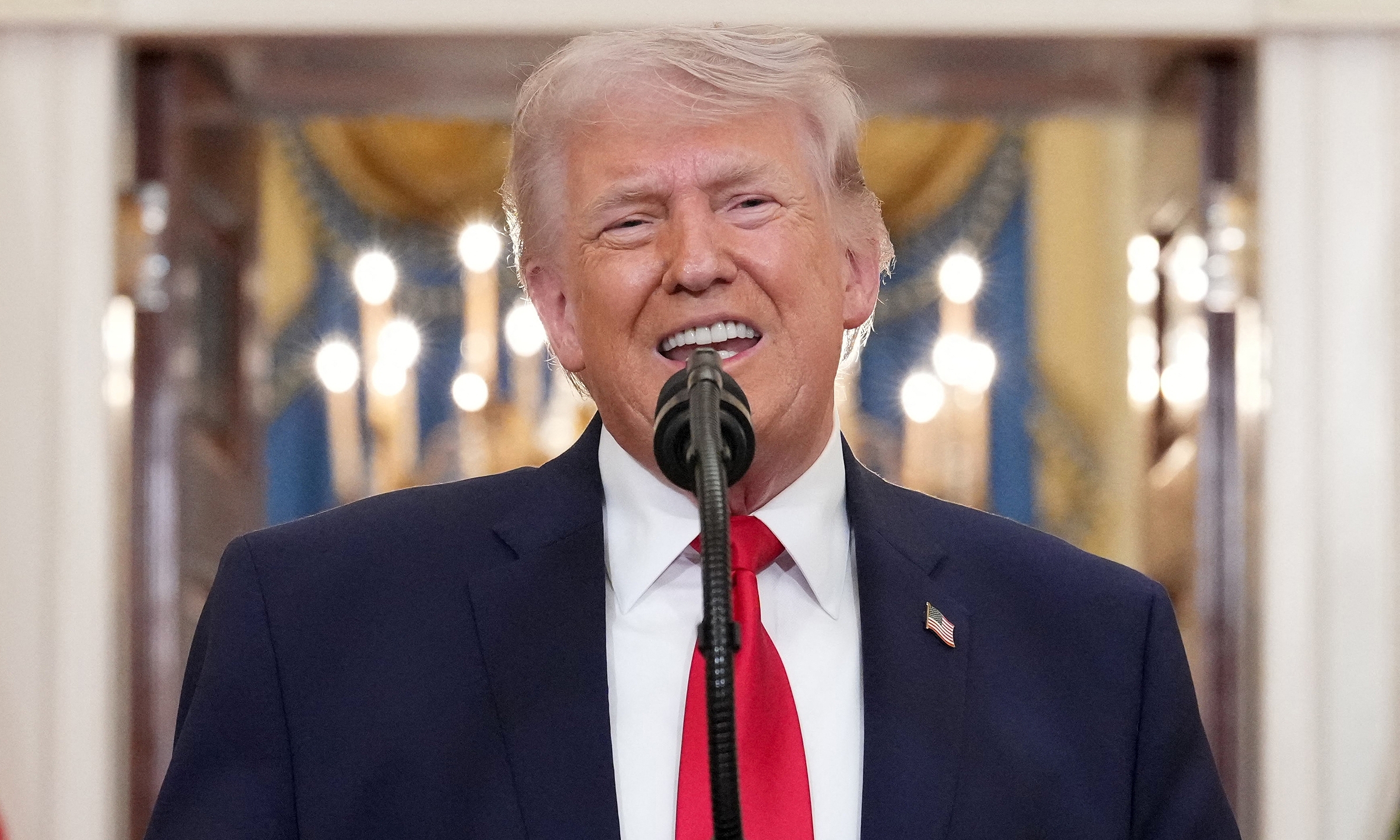
After 36 hours stranded in Iranian territory with only a pistol for self-defense, the US colonel pilot was finally rescued by special forces and taken to Kuwait for treatment of injuries sustained during the parachute jump. President Donald Trump stated on 5/4 that such pilot rescue and infiltration operations "are very rarely conducted" due to the threat to US military personnel and equipment.
Duc Trung (According to *The New York Times*, *Washington Post*, *AP*)